Articles
Sort by
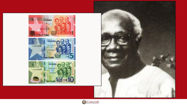
Ghana Honours William Ofori Atta (former foreign minister) -Friday, 15 August 2025
William Ofori Atta, affectionately known as "Paa Willie", stands out as a pivotal figure in Ghana's history. Born into a prominent family known for its substantial political influence, Ofori Atta's life was marked by a dedication to public service and leadership. His journey from an educated young man to a seasoned statesman is not only inspirational but also integral to understanding Ghana's socio-political evolution. next...
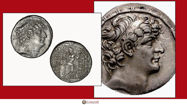
Tetradrachm Dedicated to Philip I Philadelphus (former Hellenistic Seleucid monarch) -Thursday, 14 August 2025
Philip I Philadelphus, a figure often overshadowed by his contemporaries, played a pivotal role in the Hellenistic period. His reign marked a period of relative stability and cultural flourishing in an era often characterised by conflict and upheaval. As the ruler of the Seleucid Empire from 95 BC to 83 BC, Philip I Philadelphus is remembered for his diplomatic acumen and cultural patronage, which left an indelible mark on ancient history. next...
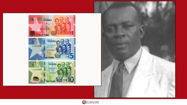
Ghana Honours Emmanuel Odarkwei Obetsebi-Lamptey -Wednesday, 13 August 2025
Emmanuel Obetsebi-Lamptey stands as a monumental figure in Ghana's history, celebrated for his profound influence on the nation's journey to independence and beyond. As a key member of the "Big Six," his contributions are etched into the annals of the country's struggle for freedom. His name is synonymous with leadership, integrity, and the relentless pursuit of justice. From the early 20th century to today, Obetsebi-Lamptey's legacy continues to inspire generations. next...
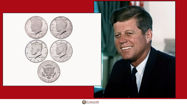
US Dollars Dedicated to John F Kennedy (former US president) -Tuesday, 12 August 2025
John F. Kennedy, often referred to by his initials JFK, remains one of the most iconic figures in American history. His presidency, though tragically cut short, left an indelible mark on the nation and the world. As the 35th President of the United States, Kennedy's legacy is a complex blend of visionary leadership, profound challenges, and transformative policies. This article delves into the multifaceted legacy of John F. Kennedy and examines how his contributions continue to shape modern America. next...
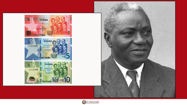
Ghana Honours Joseph Kwame Kyeretwie Boakye Danquah -Monday, 11 August 2025
Joseph Kwame Kyeretwie Boakye Danquah, often referred to as J.B. Danquah, stands as an illustrious figure in the annals of Ghanaian history. As a foundational pillar in the fight for Ghana's sovereignty, his contributions cannot be overstated. A multifaceted individual, Danquah was not only a politician but also a scholar, lawyer, and philosopher whose ideas have left an indelible mark on the nation. next...
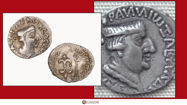
Silver Drachm Honours Nahapana (Former Ruler of Western Kshatrapas in north-western India) -Friday, 08 August 2025
Nahapana, a prominent figure in ancient Indian history, is often associated with the Western Kshatrapas dynasty. As a ruler, he left an indelible mark on the Indian subcontinent during the 1st century CE. Understanding Nahapana's life and reign is pivotal to comprehending the historical dynamics of the period, especially in the context of the interaction between indigenous and foreign cultures. next...
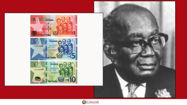
Ghana Cedis Honours Edward Akufo-Addo -Thursday, 07 August 2025
Edward Akufo-Addo, a prominent figure in Ghana's history, played a crucial role in shaping the nation's political landscape. As the third Chief Justice of Ghana and later the ceremonial President, his contributions to the country's democratic evolution remain significant. His leadership journey is marked by dedication to justice and governance, making him a revered statesman in Ghanaian history. next...
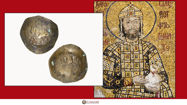
Byzantine Aspron Trachy Dedicated John II Komnenos (Former Emperor) -Wednesday, 06 August 2025
John II Komnenos reigned as Byzantine Emperor from 1118 until his death in 1143. Known for his prudent leadership and strategic acumen, he played a critical role in revitalising and stabilising the Byzantine Empire during a tumultuous period. His reign is often overshadowed by those of his more famous predecessors and successors; however, John’s contributions to the empire’s prosperity and security were substantial and enduring. next...
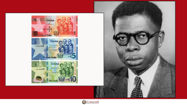
Ghana Cedis Honours Ebenezer Ako-Adjei (former statesman, politician, lawyer and journalist) -Tuesday, 05 August 2025
Ebenezer Ako-Adjei stands as a towering figure in the history of Ghana, celebrated for his pivotal contributions to the nation's political evolution. His role in Ghana's journey to independence and his enduring influence on the country's governance and policies continue to inspire many. To understand the breadth of his impact, one must delve into his life, work, and the significant changes he championed throughout his career. next...
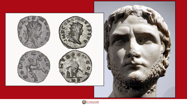
Roman Coins Dedicated to Gallienus (Former Roman Emperor) -Monday, 04 August 2025
Gallienus, a name often overshadowed by more celebrated Roman emperors, remains a figure of significant intrigue in the annals of Roman history. His reign, spanning from AD 253 to AD 268, occurred during a tumultuous period marked by external invasions and internal strife. As the Roman Empire teetered on the brink of collapse, Gallienus' leadership was both criticised and praised for its attempts to stabilise the empire. next...
Get in touch icon icon

- icon
45 Great Russell St, London WC1B 3JL
- icon
