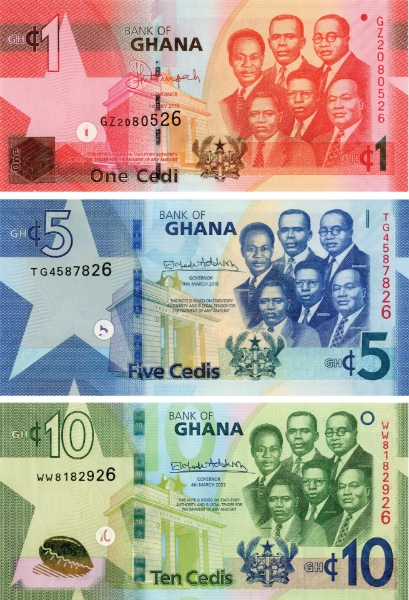

Picture Source of Joseph Kwame Kyeretwie Boakye Danquah: Wikipedia
Introduction to Joseph Kwame Kyeretwie Boakye Danquah
Joseph Kwame Kyeretwie Boakye Danquah, often referred to as J.B. Danquah, stands as an illustrious figure in the annals of Ghanaian history. As a foundational pillar in the fight for Ghana's sovereignty, his contributions cannot be overstated. A multifaceted individual, Danquah was not only a politician but also a scholar, lawyer, and philosopher whose ideas have left an indelible mark on the nation.
Danquah's journey through life was marked by an unwavering dedication to the principles of freedom and justice. His vision for Ghana extended beyond mere independence from colonial rule; he envisaged a nation built on democratic principles, where the rights of individuals were respected and upheld. This vision propelled him to the forefront of the independence movement, where he played a pivotal role alongside other notable leaders.
Despite the challenges he faced, Danquah's legacy endures, influencing contemporary political thought and practice in Ghana. His commitment to fostering a democratic society is reflected in the political landscape of the country today, where his ideas continue to inspire new generations of leaders and thinkers.
Early Life and Education
Born on December 21, 1895, in Bepong, a town in the Eastern Region of what is now Ghana, Danquah was the son of a Presbyterian minister. His upbringing in a religious and educational environment laid the groundwork for his later pursuits in academia and politics. From a young age, he displayed an aptitude for learning, which was nurtured by his family and community.
Danquah's academic journey led him to the prestigious Mfantsipim School, an institution known for producing some of Ghana's most influential figures. His time there was marked by academic excellence and a burgeoning interest in the political landscape of Africa. This interest was further cultivated when he pursued higher education in the United Kingdom, attending the University of London where he studied Philosophy and Law.
His education abroad exposed him to new political ideologies and philosophies, shaping his worldview and reinforcing his commitment to African self-determination. The knowledge and experiences he gained during this period became the bedrock of his future political endeavours, influencing his approach to governance and justice in Ghana.
Political Career Beginnings
Upon returning to Ghana in the 1920s, Danquah embarked on a legal career, which quickly intertwined with his political ambitions. He was instrumental in the founding of the United Gold Coast Convention (UGCC) in 1947, the first political party in the Gold Coast, which aimed to achieve self-governance. His leadership and vision were crucial in galvanising support for the cause of independence.
Danquah's early political career was characterised by his eloquence and ability to articulate the aspirations of the Ghanaian people. He was a staunch advocate for constitutional reform, believing that true independence could only be achieved through a systematic and legal transition from colonial rule to self-governance. His efforts in this regard laid the groundwork for future political developments in the country.
Despite facing opposition from colonial authorities and rival political factions, Danquah's resolve never wavered. His ability to navigate the complex political landscape of the time, coupled with his legal expertise, made him a formidable force in the push for independence. His early political activities set the stage for his future contributions to Ghana's growth as a nation.
Contributions to Ghana's Independence Movement
Joseph Kwame Kyeretwie Boakye Danquah's contributions to Ghana's independence movement are both profound and multifaceted. As a founding member of the UGCC, he played a critical role in mobilising the masses and raising awareness about the need for self-governance. His articulate speeches and writings were instrumental in rallying support for the cause and inspiring others to join the struggle for independence.
Danquah was not only a politician but also a thought leader whose ideas influenced the direction of the independence movement. He advocated for a peaceful transition to self-rule, emphasising the importance of political dialogue and negotiation with colonial authorities. His approach was rooted in the belief that independence should be achieved through constitutional means, setting a precedent for future political discourse in Ghana.
In addition to his political activities, Danquah contributed to the intellectual and cultural foundations of the independence movement. He was a prolific writer who used his literary talents to promote national identity and unity. His works celebrated Ghanaian culture and heritage, reminding the people of their rich history and the importance of self-determination. Through these efforts, Danquah helped to shape the national consciousness and pave the way for Ghana's eventual independence in 1957.
Ideological Foundations and Political Philosophy
Danquah's political philosophy was deeply rooted in the principles of democracy, individual rights, and social justice. He believed that true independence could only be achieved by establishing a political system that respected the rights and freedoms of all citizens. His advocacy for constitutional reform and democratic governance was driven by a desire to create a society where every individual had a voice and could participate in the political process.
Central to Danquah's ideology was the concept of self-determination, which he viewed as essential for the progress and development of African nations. He argued that Africans should have the right to govern themselves and make decisions that reflected their unique cultural and historical contexts. This belief in self-determination informed his approach to politics and his efforts to build a democratic society in Ghana.
Danquah's political philosophy also emphasised the importance of education and intellectual development. He believed that an educated populace was crucial for the success of a democratic society and worked tirelessly to promote access to education for all Ghanaians. His commitment to education and intellectual growth was evident in both his political career and his personal life, as he sought to empower others through knowledge and enlightenment.
Danquah's Role in the First Republic of Ghana
During the First Republic of Ghana, Danquah's influence was felt across the political spectrum. Although he did not hold a prominent government position, his contributions as an opposition leader were significant. He was a vocal critic of the ruling government, advocating for policies that aligned with his vision of democracy and individual freedoms. His role as a watchdog helped to maintain a balance of power and ensure accountability in governance.
Danquah's participation in the First Republic was marked by his continued commitment to constitutional reform and democratic principles. He challenged the government on issues of human rights, press freedom, and political transparency, often at great personal risk. His steadfast dedication to these principles earned him both respect and opposition, but he remained undeterred in his pursuit of a just and equitable society.
Despite facing political setbacks, Danquah's influence during the First Republic extended beyond the political arena. He continued to engage with the public through his writings and speeches, fostering a culture of political awareness and civic engagement. His efforts to educate and empower the citizenry laid the groundwork for future democratic developments in Ghana, reinforcing his legacy as a champion of democracy and justice.
Legacy and Influence on Contemporary Ghanaian Politics
The legacy of Joseph Kwame Kyeretwie Boakye Danquah is deeply embedded in the fabric of contemporary Ghanaian politics. His commitment to democratic principles and individual freedoms continues to inspire political leaders and thinkers in Ghana and beyond. The political landscape of Ghana today reflects many of the ideals that Danquah championed, including constitutional governance, human rights, and political transparency.
Danquah's influence is evident in the ongoing efforts to strengthen democratic institutions and processes in Ghana. His vision of a society where every citizen has a voice and can participate in governance has shaped the political discourse and encouraged a culture of political engagement. His legacy is also reflected in the emphasis on education and intellectual development, which remain central to Ghana's socio-political progress.
As Ghana continues to navigate the challenges of modern governance, Danquah's ideas and contributions serve as a guiding light. His belief in the power of dialogue, negotiation, and peaceful transition of power provides a framework for addressing contemporary political issues. The enduring relevance of his principles underscores his significant impact on Ghana's political evolution and the enduring legacy of his life's work.
Recognition and Commemoration of Danquah's Work
Joseph Kwame Kyeretwie Boakye Danquah's contributions to Ghana's development have been recognised and commemorated in various ways. His legacy is celebrated through educational institutions, monuments, and annual events that honour his memory and achievements. These tributes serve as a reminder of his enduring impact on Ghanaian society and his role in shaping the nation's history.
One of the most notable commemorations is the Kwame Nkrumah University of Science and Technology's J.B. Danquah Memorial Lecture Series, which highlights his contributions to education and intellectual discourse. This annual event brings together scholars, policymakers, and the public to discuss issues relevant to Ghana's development, reflecting Danquah's commitment to knowledge and enlightenment.
In addition to academic honours, Danquah's legacy is preserved through monuments and public spaces named in his honour. These landmarks serve as a testament to his contributions to Ghana's independence and democratic development. Through these recognitions, Danquah's work continues to inspire future generations, ensuring that his vision for a free and democratic Ghana lives on.
Challenges Faced by Danquah in Politics
Despite his significant contributions, Danquah's political journey was fraught with challenges and opposition. Throughout his career, he faced resistance from colonial authorities and rival political factions who sought to undermine his efforts. His commitment to democratic principles often placed him at odds with those in power, leading to personal and professional hardships.
Danquah's advocacy for constitutional reform and individual rights made him a target for political persecution. He was imprisoned multiple times for his political activities, enduring harsh conditions and threats to his safety. Despite these challenges, he remained steadfast in his pursuit of justice and democracy, refusing to compromise his principles even in the face of adversity.
The obstacles Danquah faced highlight the complexities of political leadership and the sacrifices required to effect meaningful change. His resilience and determination in the face of adversity serve as an inspiration to those who continue to fight for justice and democracy in Ghana and beyond. His legacy is a testament to the power of conviction and the enduring impact of principled leadership.
The Lasting Impact of Joseph Kwame Kyeretwie Boakye Danquah
Joseph Kwame Kyeretwie Boakye Danquah's life and legacy are a testament to his unwavering commitment to democracy, justice, and education. His contributions to Ghana's independence movement and democratic development have left an indelible mark on the nation's history. As a pioneer of Ghanaian politics, his ideas and vision continue to influence contemporary political thought and inspire future generations.
Danquah's enduring impact is reflected in the political landscape of Ghana today, where his principles of constitutional governance and individual freedoms remain central to the nation's progress. His legacy serves as a guiding light for those who continue to advocate for justice and equality, reminding us of the importance of principled leadership and the power of conviction.
As we reflect on Danquah's contributions, it is essential to continue building on his vision for a free and democratic Ghana. By fostering a culture of political engagement and intellectual development, we can honour his legacy and ensure that his ideals continue to shape the future of Ghana. Let us draw inspiration from his life's work and strive to create a society that reflects the values he championed.