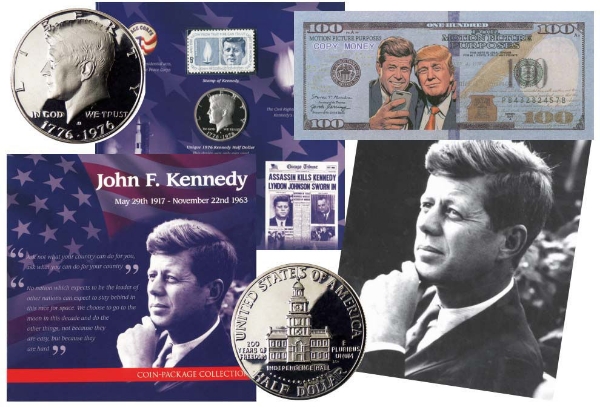
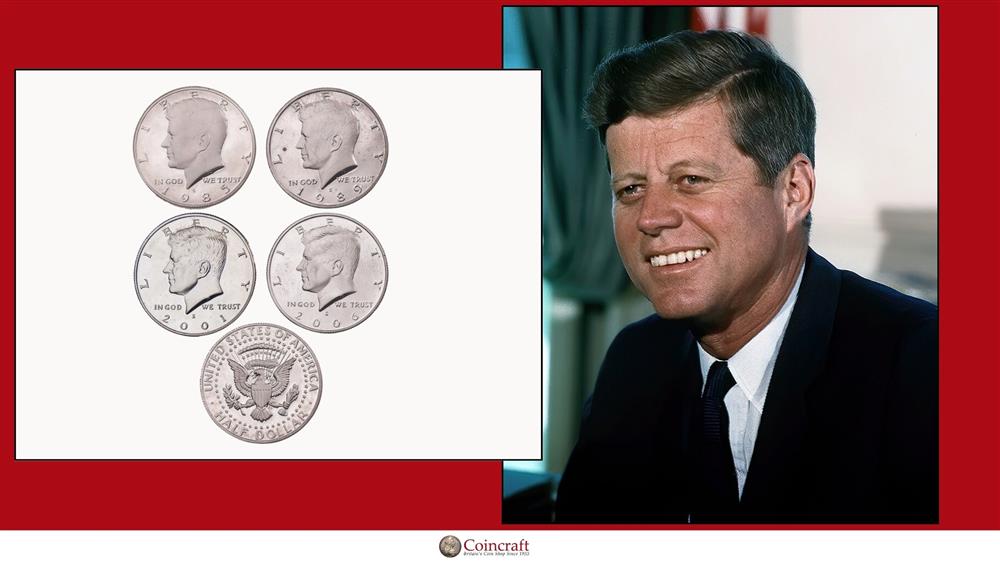
Picture Source of John F Kennedy: Wikipedia
Introduction to John F. Kennedy's Legacy
John F. Kennedy, often referred to by his initials JFK, remains one of the most iconic figures in American history. His presidency, though tragically cut short, left an indelible mark on the nation and the world. As the 35th President of the United States, Kennedy's legacy is a complex blend of visionary leadership, profound challenges, and transformative policies. This article delves into the multifaceted legacy of John F. Kennedy and examines how his contributions continue to shape modern America.
Kennedy's charisma and eloquence captivated the American public, earning him a place in the hearts of millions. His presidency symbolised a new era of hope and progress. Kennedy's famous inaugural address, where he urged citizens to "ask not what your country can do for you—ask what you can do for your country," set the tone for a presidency focused on civic duty and collective responsibility. These ideals resonated deeply with a nation eager for change.
While Kennedy's time in office was brief, his impact was significant. He navigated some of the most perilous moments in Cold War history, championed civil rights, and set ambitious goals for space exploration. His ability to inspire, coupled with his decisive leadership, laid the groundwork for many of the advancements and challenges that the United States would face in the subsequent decades.
Early Life and Political Rise
Born on May 29, 1917, in Brookline, Massachusetts, John F. Kennedy hailed from a prominent political family. His father, Joseph P. Kennedy Sr., was a successful businessman and diplomat, while his mother, Rose Kennedy, came from a politically active family. This environment shaped young Kennedy, instilling in him a deep understanding of public service and governance. Educated at Harvard University, he developed a keen interest in history and international affairs, which would later influence his political decisions.
Kennedy's political career began in earnest after his service in the U.S. Navy during World War II. Following a brief stint as a journalist, he was elected to the U.S. House of Representatives in 1946. His charm and intelligence quickly made him a rising star within the Democratic Party. In 1952, he successfully ran for the U.S. Senate, further solidifying his political standing. His marriage to Jacqueline Bouvier in 1953 added to his public appeal, as the couple embodied a youthful and dynamic image that resonated with the American public.
JFK's ascent to the presidency in 1960 was marked by a hard-fought campaign against then-Vice President Richard Nixon. The televised debates played a crucial role in his victory, showcasing his poise and ability to connect with the electorate. Kennedy's victory was a milestone, as he became the youngest elected president and the first Roman Catholic to hold the office. His inauguration marked the beginning of the "Camelot" era, characterised by optimism and a commitment to progress.
Key Policies and Achievements
John F. Kennedy's presidency was characterised by a series of bold initiatives and policies that aimed to address domestic and international challenges. One of his most significant domestic achievements was the establishment of the Peace Corps in 1961. This programme aimed to promote international understanding and cooperation by sending American volunteers to developing countries. It reflected Kennedy's vision of a more interconnected and compassionate world.
Economically, Kennedy introduced several measures to stimulate growth and address inequalities. The Revenue Act of 1962, which included investment tax credits, was designed to encourage business expansion and job creation. He also supported increased funding for education and research, recognising their importance in fostering innovation and competitiveness. These efforts laid the groundwork for the economic prosperity that the United States experienced in the following decades.
On the global stage, Kennedy's foreign policy focused on combating the spread of communism while promoting peace and stability. His administration supported the Alliance for Progress, an initiative to strengthen economic ties with Latin America and reduce the influence of communist ideologies. Additionally, his commitment to nuclear disarmament led to the signing of the Partial Nuclear Test Ban Treaty in 1963, marking a significant step towards reducing nuclear tensions.
The Cuban Missile Crisis: A Defining Moment
The Cuban Missile Crisis stands as one of the most critical moments of John F. Kennedy's presidency and the Cold War era. In October 1962, the discovery of Soviet nuclear missiles stationed in Cuba brought the world perilously close to nuclear conflict. Kennedy's handling of this crisis is often cited as a testament to his leadership and diplomatic acumen.
Faced with the daunting prospect of nuclear war, Kennedy opted for a measured response. He imposed a naval blockade around Cuba to prevent further delivery of missiles and demanded their removal. Over thirteen tense days, Kennedy engaged in intense negotiations with Soviet Premier Nikita Khrushchev. The crisis reached a resolution when Khrushchev agreed to dismantle the missile sites in exchange for the United States' promise not to invade Cuba and the secret removal of American missiles from Turkey.
The resolution of the Cuban Missile Crisis reinforced Kennedy's image as a decisive leader capable of navigating complex international challenges. His approach not only averted a potential catastrophe but also opened channels of communication between the superpowers, leading to improved relations and the establishment of the Moscow-Washington hotline. This episode underscored the importance of diplomacy and strategic thinking in maintaining global peace.
Kennedy’s Vision for Civil Rights
John F. Kennedy's presidency coincided with a pivotal era in the American civil rights movement. While his initial stance on civil rights was cautious, he ultimately became a vocal advocate for racial equality. His administration introduced significant legislative measures aimed at dismantling segregation and ensuring equal rights for all citizens.
In 1963, Kennedy delivered a landmark address on civil rights, calling it a "moral issue" and urging Congress to take action. His speech laid the foundation for the Civil Rights Act of 1964, which would be enacted after his assassination. This legislation aimed to end discrimination based on race, colour, religion, sex, or national origin in public spaces and employment, marking a turning point in the struggle for civil rights in the United States.
Kennedy's commitment to civil rights extended beyond legislation. He deployed federal troops to enforce school desegregation in states like Mississippi and Alabama, demonstrating his willingness to confront entrenched racial injustices. His support for the movement galvanised activists and inspired future generations to continue the fight for equality. Kennedy's vision for civil rights remains a cornerstone of his legacy, highlighting his commitment to justice and inclusion.
The Space Race and Technological Advancements
One of John F. Kennedy's most ambitious goals was to propel the United States to the forefront of space exploration. In a 1961 speech to Congress, he famously declared the objective of landing a man on the moon and returning him safely to Earth before the decade's end. This bold vision sparked the Space Race, a competition with the Soviet Union for technological supremacy in space exploration.
Kennedy's commitment to space exploration was driven by both scientific curiosity and geopolitical considerations. The moon landing was seen as a demonstration of American ingenuity and a means to showcase the country's technological prowess. The Apollo programme, initiated during Kennedy's presidency, culminated in the successful moon landing of Apollo 11 in 1969, fulfilling his vision and inspiring generations to dream big.
Beyond space exploration, Kennedy's focus on technology extended to fostering innovation across various sectors. His administration increased funding for scientific research and development, laying the groundwork for advancements in fields such as computing, telecommunications, and medicine. These investments would have far-reaching implications, paving the way for the technological revolution that transformed modern society.
The Impact of Kennedy’s Assassination
The assassination of John F. Kennedy on November 22, 1963, in Dallas, Texas, sent shockwaves across the world. His untimely death marked a tragic turning point in American history, leaving the nation grappling with grief and uncertainty. The loss of such a charismatic and visionary leader was felt deeply, and the impact of his assassination reverberated throughout the political landscape.
Kennedy's assassination led to a period of introspection and reflection within the United States. The Warren Commission, established to investigate the circumstances of his death, concluded that Lee Harvey Oswald acted alone. However, conspiracy theories and speculation surrounding the assassination persist to this day, contributing to a sense of mystery and intrigue around his presidency.
Despite the tragedy, Kennedy's legacy endured, largely due to his enduring influence on American politics and society. His death catalysed the passage of key legislative measures, including the Civil Rights Act of 1964 and the Voting Rights Act of 1965, as a testament to his vision for a more equitable society. His assassination also underscored the fragility of leadership and the importance of continuing his efforts to build a more just and inclusive nation.
Kennedy’s Influence on Modern American Politics
John F. Kennedy's impact on modern American politics is profound and multifaceted. His presidency set a new standard for political communication, with his use of television and media leaving a lasting legacy on how politicians engage with the public. Kennedy's ability to connect with citizens through his speeches and public appearances revolutionised political campaigning and established a template for future leaders.
Kennedy's emphasis on civic engagement and public service also left an indelible mark on American politics. His call to action inspired countless individuals to pursue careers in public service and activism. The Peace Corps, established under his administration, continues to thrive, embodying Kennedy's vision of global cooperation and cultural understanding. This commitment to service remains a central tenet of American political life.
Moreover, Kennedy's approach to foreign policy and diplomacy continues to influence modern American strategies. His belief in diplomatic engagement, as demonstrated during the Cuban Missile Crisis, set a precedent for addressing international conflicts through dialogue and negotiation. Kennedy's legacy in promoting peace and collaboration remains relevant in a world facing complex geopolitical challenges.
Cultural Representations of John F. Kennedy
John F. Kennedy's legacy extends beyond politics, permeating popular culture and the collective imagination. His charismatic persona and tragic demise have made him a subject of fascination in literature, film, and art. Cultural representations of Kennedy often explore themes of hope, idealism, and the complexities of leadership, contributing to his enduring allure.
In film and television, Kennedy has been portrayed by numerous actors, each interpretation capturing different facets of his character and presidency. Movies like "JFK" and "Thirteen Days" have explored the intricacies of his administration, offering insights into his leadership style and the challenges he faced. These portrayals have contributed to the mythos surrounding Kennedy, solidifying his status as a cultural icon.
Literature has also played a significant role in shaping public perceptions of Kennedy. Biographies, historical accounts, and fictional works have delved into his life and legacy, offering diverse perspectives on his impact. These cultural representations serve as a testament to Kennedy's enduring relevance, reflecting society's ongoing fascination with his life and the ideals he championed.
Reflecting on Kennedy’s Enduring Legacy
John F. Kennedy's legacy is a testament to the power of visionary leadership and the enduring impact of a single individual on the course of history. His presidency, marked by bold initiatives and profound challenges, continues to resonate with Americans and people worldwide. Kennedy's commitment to civil rights, space exploration, and global cooperation laid the foundation for significant advancements and inspired future generations to strive for a better world.
As we reflect on Kennedy's legacy, it is essential to recognise the complexities and contradictions that defined his life and presidency. While celebrated for his achievements, he also faced criticism and challenges that tested his leadership. Yet, his ability to inspire and his unwavering dedication to progress remain central to his enduring appeal.
In honouring John F. Kennedy's legacy, we are reminded of the importance of visionary leadership, civic engagement, and a commitment to justice and equality. His life serves as an inspiration for those who seek to make a difference, encouraging us to embrace the challenges of our time with courage and determination.