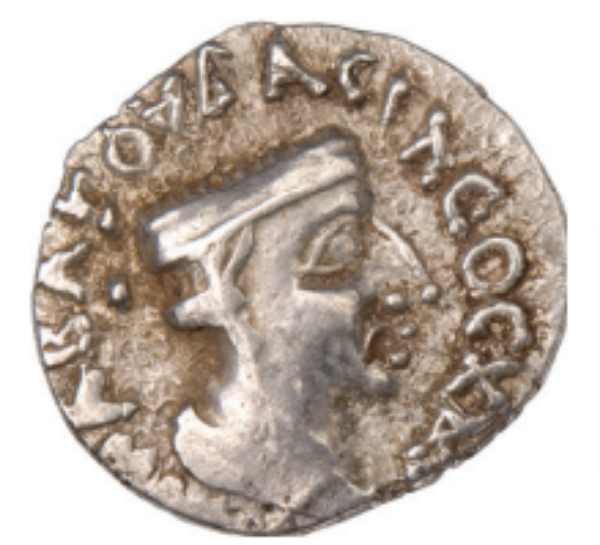
Picture Source of Nahapana: Wikipedia
Introduction to Nahapana
Nahapana, a prominent figure in ancient Indian history, is often associated with the Western Kshatrapas dynasty. As a ruler, he left an indelible mark on the Indian subcontinent during the 1st century CE. Understanding Nahapana's life and reign is pivotal to comprehending the historical dynamics of the period, especially in the context of the interaction between indigenous and foreign cultures.
The legacy of Nahapana is intricately linked to the Satavahanas, a contemporaneous dynasty with whom he had significant interactions. These interactions, often marked by conflict and diplomacy, provide insights into the political landscape of ancient India. Nahapana's influence extended beyond mere governance; he was instrumental in fostering trade and cultural exchanges that would shape the region's history.
In contemporary times, historians and archaeologists strive to piece together Nahapana's life from scattered inscriptions and relics. These artefacts not only highlight his political achievements but also offer a glimpse into the socio-economic conditions of the era. The study of Nahapana is thus a window into the past, revealing a complex tapestry of alliances, warfare, and cultural diffusion.
Historical Context of Nahapana
The reign of Nahapana is best understood against the backdrop of the Western Kshatrapas, a dynasty that ruled parts of western and central India. This dynasty, believed to have Scythian origins, played a crucial role in the region's political landscape. Nahapana, as one of its most illustrious rulers, significantly expanded the boundaries of his domain, thereby enhancing the dynasty's prestige and influence.
During Nahapana's time, the Indian subcontinent was a mosaic of kingdoms and empires, each vying for supremacy. The Satavahanas, with whom Nahapana frequently clashed, were one of the most formidable entities of the era. These conflicts were not mere territorial disputes; they were emblematic of the broader struggle for control over lucrative trade routes that linked the Indian hinterland to coastal ports.
Nahapana's administration was marked by a blend of indigenous and foreign practices, reflecting the cultural syncretism of the period. His governance style, as inferred from inscriptions, suggests a keen emphasis on infrastructure development and economic regulation, which were crucial for maintaining his empire's prosperity. This period, therefore, stands as a testament to the rich interplay of local and external influences that shaped ancient Indian polity.
The Role of Nahapana in Ancient Trade Routes
Nahapana's reign coincided with a period when trade flourished across the Indian subcontinent and beyond. The strategic positioning of his territories allowed him to control several key trade routes, which were critical for the movement of goods like spices, textiles, and precious metals. This control not only enriched his coffers but also facilitated cultural exchanges that were vital for the region's development.
The ports under Nahapana's jurisdiction served as vital nodes in the maritime trade network, connecting India with distant lands such as Rome, Southeast Asia, and China. His administration likely implemented policies that promoted trade, including the construction of roads and the establishment of trade-friendly regulations. Such initiatives would have been instrumental in attracting merchants and artisans to his realm, thereby boosting the local economy.
Moreover, Nahapana's engagement with trade extended beyond mere economic benefits. The influx of foreign traders and goods would have brought new ideas, technologies, and cultural practices to his domain. This cross-cultural interaction enriched the local culture, leading to a vibrant and cosmopolitan society. Thus, Nahapana's contribution to ancient trade routes was not just economic but also cultural, highlighting his role as a visionary leader who understood the transformative power of trade.
Cultural Significance of Nahapana
The cultural legacy of Nahapana is evident in the artistic and architectural achievements of his time. His patronage of art and architecture is reflected in the surviving relics and monuments attributed to his reign. These works, characterised by a blend of indigenous and foreign styles, stand as testaments to the cultural syncretism that defined his era.
Nahapana's impact on culture extended to religion as well. The inscriptions and coins from his reign suggest a society that was religiously pluralistic, with evidence of Hindu, Buddhist, and possibly Zoroastrian influences. This pluralism is indicative of a ruler who was not only tolerant of diverse faiths but also supportive of their coexistence, thereby fostering a society enriched by multiple traditions.
The cultural vibrancy of Nahapana's reign is further illustrated by the literary and folkloric traditions that have survived the test of time. These narratives, whether historical or mythological, continue to capture the imagination of people today, serving as a bridge between the past and the present. Through these stories, Nahapana's legacy endures, highlighting the enduring impact of his cultural contributions.
Archaeological Discoveries Related to Nahapana
Archaeological explorations have played a crucial role in unravelling the mysteries surrounding Nahapana and his era. Excavations in regions once under his control have yielded a wealth of artefacts that provide valuable insights into the socio-political and economic conditions of the time. These discoveries include coins, inscriptions, and architectural remnants, each offering a unique perspective on Nahapana's reign.
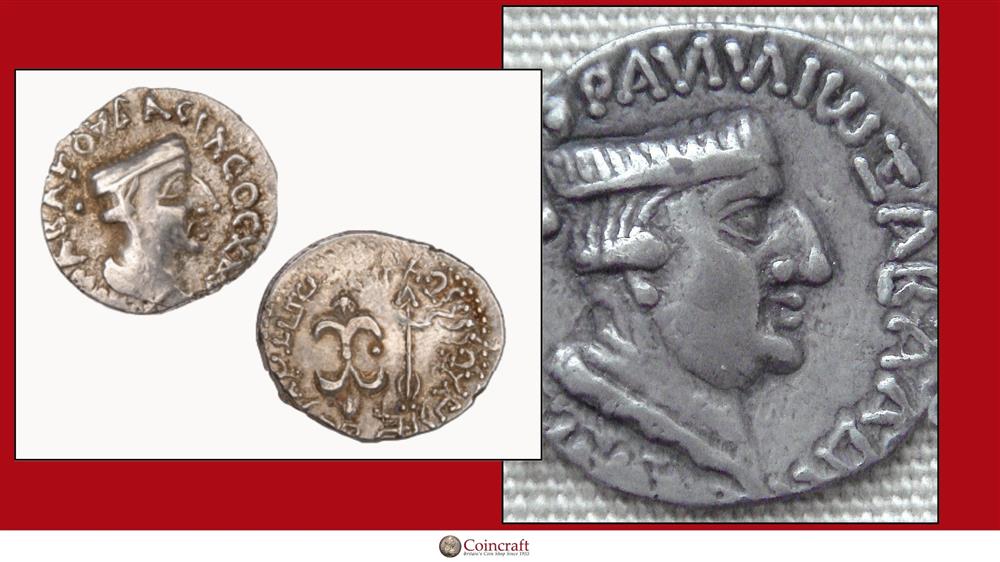
Coins bearing Nahapana's name and insignia are some of the most informative artefacts discovered. These coins not only affirm his historical presence but also shed light on the economic practices of the period. The iconography and inscriptions on these coins reveal aspects of his administration, including the languages and scripts in use, the religious symbols favoured, and the economic transactions prevalent in his domain.
Inscriptions, often found on stone or metal, have proven to be invaluable in reconstructing the historical narrative of Nahapana's time. These inscriptions, typically in Prakrit or Sanskrit, detail administrative orders, religious donations, and territorial conquests. Together with architectural remains such as fortifications and temples, they provide a comprehensive understanding of Nahapana's contributions to the region's historical and cultural landscape.
Nahapana in Literature and Folklore
Nahapana's influence extends beyond historical records into the realm of literature and folklore, where his story has been immortalised in various narratives. These tales, passed down through generations, often embellish his life and deeds, transforming him into a legendary figure whose exploits continue to inspire awe and admiration.
In literary texts, Nahapana is frequently portrayed as a mighty and just ruler, whose reign brought prosperity and stability to his empire. Such portrayals, while sometimes exaggerated, reflect the high regard in which he was held by his contemporaries and successors. These texts, often composed centuries after his reign, reveal the enduring impact of his legacy on the cultural consciousness of the region.
Folklore, with its oral tradition, has kept the memory of Nahapana alive in the popular imagination. These stories, often interwoven with elements of myth and legend, serve as a cultural repository that preserves the essence of Nahapana's character and achievements. Through these narratives, Nahapana's legacy is continually reinterpreted and celebrated, ensuring his place in the collective memory of the people.
Modern Interpretations of Nahapana's Legacy
In contemporary times, Nahapana's legacy is re-examined through the lenses of modern scholarship and cultural reinterpretation. Historians and archaeologists continue to explore his life and reign, seeking to piece together the fragmented evidence of the past into a coherent narrative. This endeavour is not without challenges, as the limited and often ambiguous sources require careful analysis and interpretation.
Modern scholarship tends to view Nahapana not merely as a ruler but as a catalyst for cultural and economic transformation. His role in facilitating trade and fostering cultural exchanges is seen as a pivotal element in the broader historical narrative of the region. This perspective highlights the interconnectedness of ancient civilisations and the impact of individual leaders in shaping historical trajectories.
Popular culture, too, has embraced Nahapana's story, often reimagining his life for contemporary audiences. Films, novels, and documentaries have sought to bring his tale to a wider audience, blending historical facts with artistic creativity to craft compelling narratives. These modern interpretations serve to keep Nahapana's legacy alive, ensuring that his contributions to history are not forgotten.
Preservation of Nahapana's Historical Sites
The preservation of sites associated with Nahapana is of paramount importance for both historical scholarship and cultural heritage. These sites, which include ancient ruins, inscriptions, and artefacts, are invaluable resources for understanding the past. Efforts to conserve and protect these locations are crucial for ensuring that future generations can continue to learn from and appreciate the rich history they represent.
Government and non-governmental organisations play a key role in the preservation of Nahapana's historical sites. Initiatives such as archaeological surveys, conservation projects, and heritage education programmes are essential for safeguarding these treasures. Such efforts not only protect the physical remnants of Nahapana's era but also promote public awareness and engagement with history.
Community involvement is another critical aspect of preservation efforts. Local communities, often the custodians of these sites, are integral to their protection and maintenance. By fostering a sense of ownership and pride in their cultural heritage, communities can play a proactive role in ensuring the longevity of Nahapana's legacy. This collaborative approach to preservation ensures that these historical sites remain vibrant, living testaments to a bygone era.
Community Engagement and Nahapana
The story of Nahapana offers a unique opportunity for community engagement and cultural enrichment. By involving local communities in the exploration and preservation of their heritage, a deeper understanding and appreciation of history can be fostered. Such engagement not only enriches the community but also contributes to the broader discourse on cultural identity and historical continuity.
Educational initiatives aimed at schools and local institutions can play a significant role in this endeavour. By integrating the history and legacy of Nahapana into the curriculum, young learners are encouraged to explore their heritage and develop a sense of connection to their past. Workshops, guided tours, and interactive sessions can further enhance this learning experience, making history accessible and engaging for all.
Cultural events, such as festivals and exhibitions, provide another avenue for community engagement. These events offer a platform for showcasing the diverse cultural elements associated with Nahapana, from traditional arts and crafts to culinary heritage. By celebrating this rich legacy, communities can come together to share and preserve their cultural traditions, ensuring that Nahapana's story continues to inspire and unite.
The Lasting Impact of Nahapana
Nahapana's legacy, as explored through historical records, archaeological discoveries, and cultural narratives, is a testament to his enduring impact on the Indian subcontinent. His contributions to trade, culture, and governance during a transformative period in history have left an indelible mark that continues to be felt today. The exploration of Nahapana's life offers valuable insights into the complexities of ancient Indian society and the intricate interplay of local and foreign influences.
In recognising Nahapana's significance, it is crucial to continue the efforts to preserve and celebrate his legacy. By engaging with his story through scholarship, community initiatives, and cultural events, we can ensure that his contributions to history are acknowledged and appreciated. As we reflect on Nahapana's impact, we are reminded of the timeless lessons that history imparts and the enduring power of heritage to shape our understanding of the world.
In conclusion, Nahapana's story is not just a chapter in the annals of history; it is a living narrative that continues to inspire and inform. By embracing this legacy, we can connect with our past, enrich our present, and build a future informed by the lessons of history. Let us, therefore, commit to preserving Nahapana's heritage and ensuring that his story continues to be told for generations to come.