Articles
Sort by
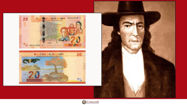
Bolivian Bolivianos Honouring Tomás Katari (freedom Fighter) -Monday, 01 September 2025
Tomas Katari stands as a monumental figure in the annals of history, particularly in the context of indigenous rights. Born in the 18th century in what is now modern-day Bolivia, his life and actions played a crucial role in the burgeoning movement for indigenous justice during the colonial era. His story is one of resilience, courage, and an unwavering commitment to his people, which continues to inspire indigenous movements globally. next...
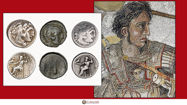
Greek coins Honouring Alexander the Great (former military commander) -Friday, 29 August 2025
Alexander the Great, one of history's most renowned figures, remains a symbol of unparalleled leadership and conquest. Born in 356 BC in Pella, the ancient capital of Macedonia, he became a legendary figure whose influence transcends time. Known for his unparalleled military prowess and strategic brilliance, he carved an empire that stretched from Greece to Egypt and as far east as India. The legacy of Alexander the Great is not just confined to his military conquests; it extends to modern leadership, offering lessons that are still relevant today. next...
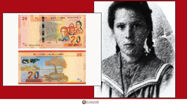
Bolivian Bolivianos Honouring Genoveva Rios (freedom Fighter) -Thursday, 28 August 2025
In the tapestry of Bolivian history, few figures have left an imprint as profound as Genoveva Rios. An emblem of resilience and leadership, Rios's journey through the socio-political landscape of Bolivia has been nothing short of transformative. next...
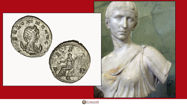
Roman Coin Dedicated to Publia Licinia Julia Cornelia Salonina wife of Gallienus -Wednesday, 27 August 2025
Cornelia Salonina is a figure shrouded in mystery and intrigue, often overshadowed by her illustrious husband, Emperor Gallienus. Yet, her influence on Roman history is undeniable. As an empress, Cornelia Salonina held a position of significant power and influence during a tumultuous period in the Roman Empire's history. Born into an unknown family, her rise to prominence is a testament to her intelligence and political acumen. next...
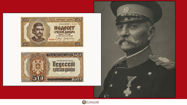
Serbian Dina Honouring King Peter I (former King) -Tuesday, 26 August 2025
King Peter I of Serbia remains a towering figure in the annals of Serbian history, celebrated for his leadership and transformative impact during a pivotal era. Born into a period of intense political upheaval, King Peter I's reign was marked by significant national and international events that shaped the course of Serbia. His legacy is not merely confined to his military and political achievements but also extends to cultural and social reforms that have left an indelible mark on Serbian society. next...
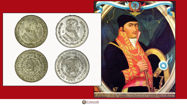
Mexico Last Silver Peso Honouring José María Morelos (indepedence fighter) -Friday, 22 August 2025
José María Morelos, a name that resonates profoundly in the annals of Mexican history, is celebrated for his indomitable spirit and visionary leadership. As a key figure in the Mexican War of Independence, Morelos not only fought for the liberation of his country from Spanish rule but also laid down the philosophical and political groundwork that would shape Mexico's future. His contributions continue to be revered and studied, offering insights into the character and convictions of a leader who sought equality and justice for all. next...
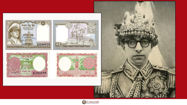
Nepalese Rupees Honouring King Mahendra (former King of Nepal) -Thursday, 21 August 2025
King Mahendra Bir Bikram Shah Dev, the second monarch of Nepal from the Shah dynasty, reigned from 1955 to 1972. His rule marked a transformative period in Nepal's history, characterised by significant political, economic, and cultural shifts. As a pivotal figure, King Mahendra's efforts to modernise Nepal laid the groundwork for the country's future trajectory, although his reign was not without controversy. next...
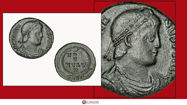
Roman Coin Dedicated to Jovian (former Roman Emperor) -Wednesday, 20 August 2025
The Roman Empire has been home to numerous emperors whose reigns have been marked by significant achievements and challenges. Among these, the Jovian Roman Emperor holds a distinctive place in history. Ascending to the throne in a period fraught with political instability, Jovian's brief rule was characterised by a series of pivotal decisions that shaped the future trajectory of the empire. Understanding his reign provides an illuminating glimpse into the complexities of Roman leadership during a tumultuous era. next...
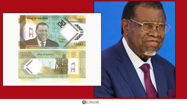
Namibia 60 Dollars Dedicated to Dr Hugo Gottfried Geingob (former first president & third president) -Tuesday, 19 August 2025
Dr. Hage Gottfried Geingob (August 3, 1941 - February 4, 2024) was a towering figure in Namibian politics who served as the third president of Namibia from 2015 until his death in 2024. His life journey from a farm boy to becoming the nation's leader exemplifies dedication, perseverance, and unwavering commitment to his country's independence and prosperity. next...
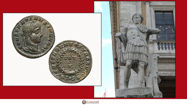
Roman Coins dedicated to Constantine II (former Roman emperor) -Monday, 18 August 2025
Constantine II, often overshadowed by his illustrious father, Constantine the Great, played a pivotal role in shaping the course of Roman history. Born in AD 316, he was the second son of Constantine I and Fausta. As a Roman Emperor, his reign was marked by significant military campaigns, intricate political manoeuvres, and a complex relationship with his brothers. Despite a relatively short rule, Constantine II's influence on the Roman Empire is undeniably profound and warrants a closer examination. next...
Get in touch icon icon

- icon
45 Great Russell St, London WC1B 3JL
- icon
