 - AAB0026.jpg)
Picture Source of Alexander The Great: Wikipedia
Introduction to Alexander the Great
Alexander the Great, one of history's most renowned figures, remains a symbol of unparalleled leadership and conquest. Born in 356 BC in Pella, the ancient capital of Macedonia, he became a legendary figure whose influence transcends time. Known for his unparalleled military prowess and strategic brilliance, he carved an empire that stretched from Greece to Egypt and as far east as India. The legacy of Alexander the Great is not just confined to his military conquests; it extends to modern leadership, offering lessons that are still relevant today.
Alexander’s life was a tapestry woven with ambitious dreams and driven by an insatiable quest for greatness. Tutored by Aristotle, he was exposed to a wealth of knowledge and philosophies, which shaped his worldview and leadership style. This intellectual foundation, combined with his father King Philip II's military innovations, equipped Alexander with the tools to achieve unprecedented success.
In today's world, where leaders are constantly challenged to adapt and innovate, Alexander's life offers invaluable insights. His ability to inspire, strategise, and execute plans with precision provides a blueprint for modern leadership. This exploration of Alexander the Great's legacy delves into his historical background, key achievements, leadership qualities, and enduring influence on contemporary leadership practices.
Historical Background: The Rise of Alexander the Great
The ascent of Alexander the Great is a tale of determination, strategy, and ambition. Born into a royal family, Alexander was groomed from a young age to succeed his father. His education under Aristotle instilled in him a deep appreciation for philosophy, science, and the arts, forming a well-rounded foundation for his future endeavours. This intellectual grounding was instrumental in shaping his approach to leadership and governance.
Alexander's rise to power was marked by a series of calculated moves. After the assassination of his father, Philip II, Alexander quickly consolidated his power, eliminating rivals who threatened his position. His ability to navigate the treacherous waters of court politics demonstrated his astute understanding of human nature and political dynamics. This early experience in power consolidation was a precursor to his larger conquests.
His initial campaigns against the Persian Empire were bold and audacious. With a relatively small but highly trained and motivated army, Alexander embarked on a series of military campaigns that would dismantle the once-mighty Persian Empire. His strategic genius was evident in battles such as the Battle of Issus and the Siege of Tyre, where his use of innovative tactics and psychological warfare set him apart from his contemporaries.
Key Achievements of Alexander the Great
Alexander's achievements extend beyond mere military conquests; they encompass the establishment of one of the largest empires in history. His military campaigns were characterised by speed, efficiency, and tactical brilliance, allowing him to defeat much larger armies. Key battles, such as the Battle of Gaugamela, showcased his ability to adapt and innovate on the battlefield, outmanoeuvring formidable opponents with ease.
One of his most significant achievements was the founding of numerous cities, including Alexandria in Egypt, which became centres of learning and cultural exchange. These cities were strategically located to facilitate trade and integration between diverse cultures, fostering an era of Hellenistic civilisation. This blending of cultures had profound impacts on art, science, and philosophy, leaving a lasting legacy that influenced subsequent generations.
Alexander's vision of a united empire extended to his administrative policies, where he encouraged the integration of conquered peoples into his realm. By adopting elements of Persian governance and encouraging marriages between his soldiers and local women, he sought to create a cohesive empire. This policy of inclusion and cultural assimilation was revolutionary and laid the groundwork for future empires to adopt similar strategies.
Leadership Qualities of Alexander the Great
Alexander the Great exemplified a range of leadership qualities that continue to be studied and admired. His charisma and ability to inspire loyalty among his troops were unparalleled. Alexander led by example, often fighting alongside his soldiers in the heat of battle, which earned him their unwavering respect and devotion. His presence on the battlefield was a morale booster, demonstrating his commitment to their shared cause.
His strategic acumen was another hallmark of his leadership. Alexander possessed an innate ability to assess situations quickly and devise innovative strategies. He was a master of psychological warfare, often employing tactics that demoralised his enemies before battles even began. This combination of strategy and psychological insight gave him an edge over adversaries who were often larger and better equipped.
Moreover, Alexander's vision extended beyond military conquest. He was a visionary leader who sought to spread Greek culture and ideals across his empire. His pursuit of knowledge and appreciation for different cultures set him apart from other conquerors. This inclusiveness and embrace of diversity were key elements in his leadership style, allowing him to govern a vast and varied empire effectively.
The Influence of Alexander's Conquests on Modern Leadership
The influence of Alexander the Great's conquests on modern leadership is profound and multifaceted. His ability to lead diverse groups of people and integrate different cultures is a lesson in effective multicultural leadership. In today's globalised world, leaders face similar challenges in managing multicultural teams, and Alexander's example provides valuable insights into fostering unity and collaboration.
Alexander's emphasis on education and continuous learning is another aspect that resonates with modern leadership practices. His encouragement of intellectual pursuits and cultural exchange within his empire set a precedent for the value of knowledge and innovation. Modern leaders can draw inspiration from his commitment to learning and adapting, recognising that continuous improvement and growth are essential for success.
Furthermore, Alexander's strategic mind and ability to execute complex plans with precision offer lessons in strategic leadership. His campaigns demonstrated the importance of foresight, planning, and adaptability—qualities that are crucial for navigating the complexities of the modern business environment. By studying his strategies, contemporary leaders can enhance their problem-solving skills and decision-making processes.
Lessons from Alexander the Great for Today's Leaders
Today's leaders can glean numerous lessons from Alexander the Great's life and accomplishments. One key takeaway is the importance of visionary leadership. Alexander's grand vision for his empire propelled him to achieve feats that seemed impossible. Modern leaders can emulate this by setting ambitious goals and inspiring their teams to strive for excellence.
Another lesson lies in the power of adaptability. Alexander's success was due in part to his ability to adapt to changing circumstances and think on his feet. In the fast-paced and ever-changing modern world, flexibility and the capacity to pivot quickly are critical for overcoming challenges and seizing opportunities.
Finally, the importance of cultivating strong relationships and inspiring loyalty cannot be overstated. Alexander's ability to connect with his troops and motivate them to follow him into battle was a testament to his emotional intelligence. Building trust and fostering a sense of belonging among team members are essential for creating a cohesive and motivated workforce.
Alexander the Great in Popular Culture
Alexander the Great's legacy has permeated popular culture, appearing in literature, film, and art. His life story has inspired countless works, from ancient texts like Plutarch's "Parallel Lives" to modern films such as Oliver Stone's "Alexander." These portrayals highlight different facets of his character, from his military genius to his complex personality.
In literature, Alexander has been depicted as both a hero and a flawed individual. Works such as Mary Renault's historical novels explore his personal struggles and the impact of his conquests on those around him. These narratives offer readers a nuanced perspective on his life, emphasising his humanity alongside his legendary status.
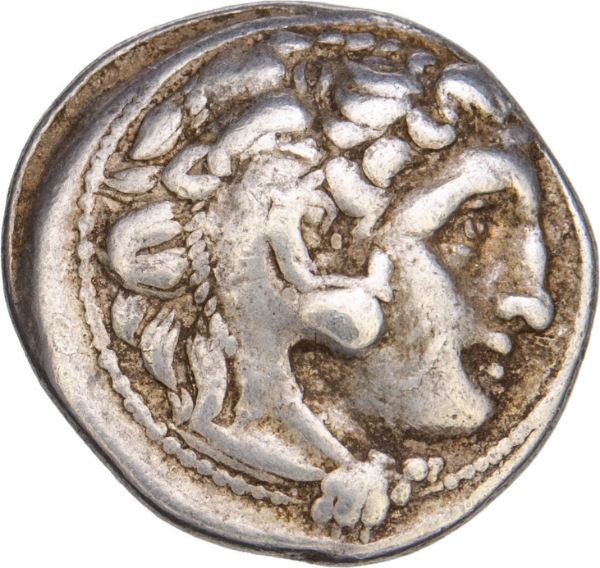
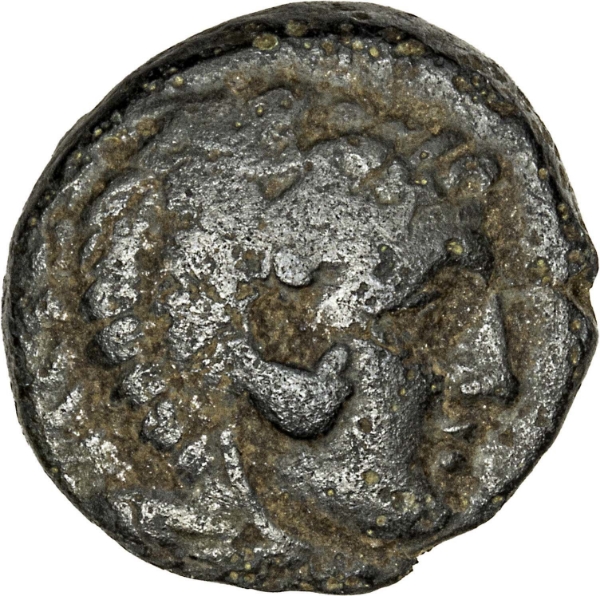
Artistic representations of Alexander often focus on his heroic exploits and his status as a symbol of power and ambition. Statues, paintings, and coins from antiquity to the present day capture his likeness, reinforcing his image as a timeless icon. These cultural depictions serve to keep his story alive, ensuring that his legacy remains relevant and accessible to new generations.
The Legacy of Alexander the Great in Education and Philosophy
Alexander the Great's impact on education and philosophy is a testament to his enduring influence. His tutelage under Aristotle instilled in him a love for learning and exploration, which he carried throughout his life. By promoting education and founding institutions of learning in his cities, he laid the groundwork for the spread of Greek philosophy and science.
The Hellenistic period, which followed his conquests, saw a flourishing of intellectual activity. Scholars from diverse backgrounds came together to share ideas, leading to advancements in fields such as mathematics, astronomy, and medicine. This exchange of knowledge was a direct result of Alexander's vision of cultural integration and intellectual curiosity.
In modern education, Alexander's legacy is reflected in the emphasis on cross-cultural understanding and the integration of diverse perspectives. His appreciation for different cultures and his commitment to fostering intellectual growth serve as guiding principles for contemporary educational practices. By championing the value of knowledge and innovation, he continues to inspire educators and students alike.
Comparisons with Other Great Leaders in History
Comparing Alexander the Great with other historical leaders provides insight into his unique qualities and enduring legacy. Figures such as Julius Caesar and Napoleon Bonaparte are often juxtaposed with Alexander due to their military accomplishments and leadership styles. While each leader had distinct approaches, Alexander's ability to inspire loyalty and his visionary outlook set him apart.
Julius Caesar, like Alexander, was a military strategist and statesman who expanded the Roman Empire significantly. However, Alexander's cultural integration and emphasis on education differentiated his approach, leading to the lasting impact of the Hellenistic era. Similarly, Napoleon's ambition and military prowess were reminiscent of Alexander, but his legacy was marked by eventual downfall, contrasting with Alexander's enduring influence.
In modern times, leaders such as Winston Churchill and Nelson Mandela have been compared to Alexander for their leadership qualities and ability to inspire change. While the contexts differ, the underlying principles of resilience, vision, and adaptability connect these figures. By examining these comparisons, one can appreciate the multifaceted nature of leadership and the timeless lessons that Alexander's life offers.
Relevance of Alexander the Great's Legacy Today
The legacy of Alexander the Great remains profoundly relevant in today's world. His leadership qualities, strategic genius, and vision continue to inspire and offer valuable lessons for contemporary leaders. From his ability to integrate diverse cultures to his emphasis on education and innovation, Alexander's influence is woven into the fabric of modern leadership practices.
As we navigate the complexities of a globalised world, Alexander's example serves as a reminder of the power of visionary leadership and the importance of embracing change. His life offers a blueprint for overcoming challenges and achieving greatness, encouraging leaders to pursue ambitious goals and inspire those they lead.
In exploring the life and legacy of Alexander the Great, one is reminded of the timeless nature of his achievements and the enduring impact of his leadership. His story continues to captivate and inspire, offering insights that are as relevant today as they were over two millennia ago. For those seeking to learn from history and apply its lessons to the present, Alexander the Great remains an unparalleled source of wisdom and inspiration.