 - AJB2032.jpg)
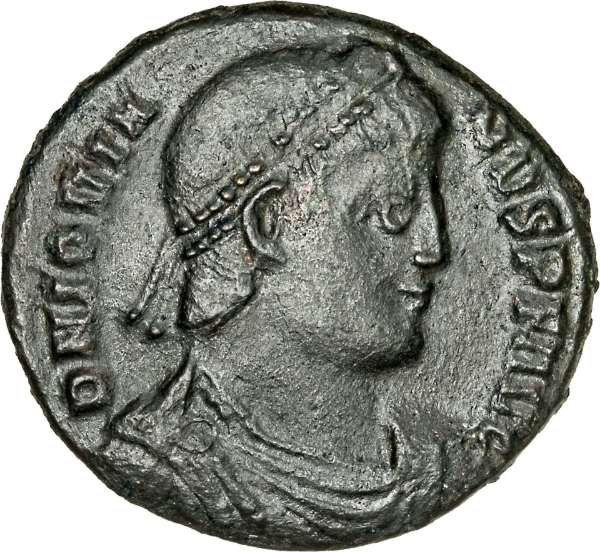
Introduction to the Jovian Roman Emperor
The Roman Empire has been home to numerous emperors whose reigns have been marked by significant achievements and challenges. Among these, the Jovian Roman Emperor holds a distinctive place in history. Ascending to the throne in a period fraught with political instability, Jovian's brief rule was characterised by a series of pivotal decisions that shaped the future trajectory of the empire. Understanding his reign provides an illuminating glimpse into the complexities of Roman leadership during a tumultuous era.
Born into a family with a military background, Jovian rose through the ranks due to his astute understanding of military strategies and his dedication to the Roman cause. His ascent to power was unconventional, as it came in the wake of the unexpected death of his predecessor, Julian. This sudden leadership vacuum presented Jovian with the immediate task of stabilising the empire and securing its borders, a feat he approached with pragmatic resolve.
Jovian's reign, although short-lived, is often remembered for his emphasis on religious restoration and military recalibration. His efforts to restore Christianity as the empire's dominant faith marked a significant shift from Julian's policies. Additionally, his navigation of complex military challenges showcased his ability to make strategic compromises for the greater good of the empire.
Historical Context of Jovian's Reign
The backdrop of Jovian's rule was a Roman Empire fraught with religious discord and military strife. Prior to his reign, the empire had experienced a revival of paganism under Julian, which had led to a degree of religious tension. Jovian's accession marked an immediate reversal of these policies, as he sought to re-establish Christianity as the state religion, aligning more closely with the empire's earlier traditions.
Militarily, the empire was engaged in ongoing conflicts on multiple fronts, particularly with the Sassanian Empire. The death of Julian left the Roman forces vulnerable and in disarray, with Jovian tasked with the formidable challenge of concluding peace negotiations while ensuring the safety of Roman territories. His ability to secure a truce with the Sassanians, though criticised by some contemporaries, was a pragmatic decision that allowed the empire to regroup and focus on internal stability.
Politically, Jovian's reign was a period of consolidation. He faced the daunting task of navigating the intricate web of Roman politics, where various factions vied for influence. His ability to maintain a semblance of unity amidst these challenges speaks to his diplomatic acumen. Despite the brevity of his rule, Jovian's impact on the religious and political landscape of the empire was profound, setting the stage for future emperors.
Key Achievements of the Jovian Roman Emperor
Jovian's reign, though brief, was marked by several notable achievements that left a lasting imprint on the Roman Empire. One of his foremost accomplishments was the restoration of Christianity as the state religion. This decision not only reversed the policies of his predecessor but also reinforced the religious foundation upon which the empire's unity was built.
Another significant achievement was his success in negotiating a peace treaty with the Sassanian Empire. Despite criticism for the concessions made, this treaty was a strategic move that allowed Rome to redirect its focus towards internal consolidation. It stabilised the eastern frontier temporarily, granting the empire much-needed respite from prolonged military engagements.
Jovian also implemented several administrative reforms aimed at improving the efficiency of the empire's governance. His efforts to streamline bureaucratic processes and reduce corruption were instrumental in enhancing the overall functionality of the Roman state. These reforms, though often overshadowed by his more prominent military and religious policies, were crucial in maintaining the stability of his administration.
The Religious Policies of Jovian
Jovian's religious policies marked a decisive shift in the empire's ideological direction. Upon ascending the throne, he made the restoration of Christianity a priority, thus reversing the pagan revival initiated by Julian. This policy was not merely a return to tradition but also served as a unifying force within the empire, which had been divided along religious lines.
His approach to religious policy was characterised by a degree of tolerance towards pagan practices, despite his Christian leanings. Jovian recognised the importance of maintaining religious harmony and thus refrained from persecuting pagans, opting instead for a gradual re-establishment of Christian dominance. This pragmatic approach helped to ease tensions and promote stability within the empire's diverse population.
The impact of Jovian's religious policies extended beyond his reign, as they set a precedent for future emperors. His decision to restore Christianity as the state religion reinforced the faith's centrality to Roman identity and governance. This legacy of religious transformation paved the way for subsequent developments in the empire's spiritual and cultural landscape.
Military Campaigns and Challenges Faced by Jovian
The military challenges faced by Jovian were formidable, with the empire engaged in conflicts on multiple fronts. The most pressing of these was the ongoing war with the Sassanian Empire, which had left Roman forces overextended and vulnerable. Jovian's strategic acumen was tested as he sought to extricate his troops from a precarious position in Mesopotamia.
Jovian's decision to negotiate a peace treaty with the Sassanians was a pragmatic response to the military challenges at hand. While the terms of the treaty were seen as unfavourable by some, it was a necessary compromise to ensure the safety of the Roman legions and secure the empire's eastern borders. This decision allowed Jovian to focus on consolidating his rule and addressing internal issues.
In addition to external threats, Jovian had to contend with internal military challenges, including the need to maintain discipline within the ranks and ensure the loyalty of his commanders. His ability to navigate these complexities was crucial in sustaining the stability of his regime. Despite the brevity of his reign, Jovian's military strategies had a lasting impact on the empire's defence policies.
The Political Landscape during Jovian's Rule
Jovian's reign unfolded against a backdrop of intricate political dynamics within the Roman Empire. The transition of power following Julian's death left a leadership void that Jovian was quick to fill, but he faced the daunting task of uniting a fragmented political landscape. His ability to manoeuvre through the complex web of Roman politics was a testament to his diplomatic skill.
One of the key political challenges during Jovian's rule was the need to consolidate his authority amidst competing factions. The Roman political scene was characterised by a delicate balance of power between the military, the senatorial elite, and the imperial bureaucracy. Jovian's diplomatic efforts to garner support from these diverse groups were crucial in ensuring the stability of his administration.
Jovian's political acumen was further demonstrated through his efforts to streamline the empire's governance. By focusing on bureaucratic efficiency and reducing corruption, he sought to enhance the functionality of the Roman state. These reforms, though often overshadowed by his military and religious policies, were instrumental in maintaining the stability of his regime and laying the groundwork for future emperors.
The Legacy of Jovian: How He Changed the Roman Empire
The legacy of the Jovian Roman Emperor is one of profound transformation, despite the brevity of his reign. His decision to restore Christianity as the state religion marked a pivotal moment in the empire's history, reinforcing the faith's central role in Roman identity and governance. This religious shift had enduring implications, shaping the spiritual and cultural landscape of the empire for centuries to come.
Jovian's pragmatic approach to military challenges also left a lasting impact on the Roman Empire. His decision to negotiate peace with the Sassanian Empire, though controversial, was a strategic move that allowed Rome to redirect its focus towards internal consolidation. This temporary stabilisation of the eastern frontier provided the empire with much-needed respite from prolonged military engagements.
In addition to his religious and military policies, Jovian's administrative reforms contributed to his enduring legacy. His efforts to streamline governance and reduce corruption were crucial in enhancing the efficiency of the Roman state. These reforms not only stabilised his administration but also laid the groundwork for future developments in the empire's governance.
Modern Interpretations of Jovian’s Leadership
Modern historians have offered diverse interpretations of Jovian's leadership, reflecting the complexity of his reign. Some view his restoration of Christianity as a pivotal moment in the empire's history, reinforcing the faith's central role in Roman identity and governance. Others, however, critique his decision to negotiate peace with the Sassanian Empire as a strategic compromise that undermined Roman military prestige.
Jovian's legacy is also examined through the lens of his administrative reforms, which sought to enhance the efficiency of the Roman state. His efforts to streamline governance and reduce corruption are seen as crucial in maintaining the stability of his regime. These reforms, though often overshadowed by his military and religious policies, are recognised as an integral part of his enduring legacy.
Contemporary analyses of Jovian's leadership highlight the challenges he faced in navigating the complex political landscape of the Roman Empire. His ability to unite diverse factions and maintain stability amidst competing interests is seen as a testament to his diplomatic skill. Despite the brevity of his reign, Jovian's impact on the empire's religious, military, and political landscape is acknowledged as significant.
Comparing Jovian with Other Roman Emperors
When compared to other Roman emperors, Jovian's reign is distinguished by its emphasis on religious restoration and pragmatic military strategy. Unlike his predecessor Julian, who sought to revive paganism, Jovian's decision to restore Christianity as the state religion marked a significant shift in the empire's ideological direction. This religious transformation had enduring implications, shaping the spiritual and cultural landscape of the empire for centuries to come.
In terms of military strategy, Jovian's pragmatic approach to conflict resolution set him apart from other emperors. His decision to negotiate peace with the Sassanian Empire, though controversial, was a strategic move that allowed Rome to redirect its focus towards internal consolidation. This temporary stabilisation of the eastern frontier provided the empire with much-needed respite from prolonged military engagements.
Jovian's administrative reforms also distinguish him from other emperors. His efforts to streamline governance and reduce corruption were crucial in enhancing the efficiency of the Roman state. These reforms, though often overshadowed by his military and religious policies, are recognised as an integral part of his enduring legacy. In comparing Jovian with other Roman emperors, his emphasis on religious restoration, pragmatic military strategy, and administrative efficiency stands out as a defining feature of his reign.
The Enduring Impact of Jovian's Reign
In conclusion, the Jovian Roman Emperor's reign, though brief, left an indelible mark on the history of the Roman Empire. His decision to restore Christianity as the state religion marked a pivotal moment in the empire's history, reinforcing the faith's central role in Roman identity and governance. This religious shift had enduring implications, shaping the spiritual and cultural landscape of the empire for centuries to come.
Jovian's pragmatic approach to military challenges also left a lasting impact on the Roman Empire. His decision to negotiate peace with the Sassanian Empire, though controversial, was a strategic move that allowed Rome to redirect its focus towards internal consolidation. This temporary stabilisation of the eastern frontier provided the empire with much-needed respite from prolonged military engagements.
In addition to his religious and military policies, Jovian's administrative reforms contributed to his enduring legacy. His efforts to streamline governance and reduce corruption were crucial in enhancing the efficiency of the Roman state. These reforms not only stabilised his administration but also laid the groundwork for future developments in the empire's governance. The legacy of the Jovian Roman Emperor is one of profound transformation, despite the brevity of his reign.