 - WSE1385.jpg)
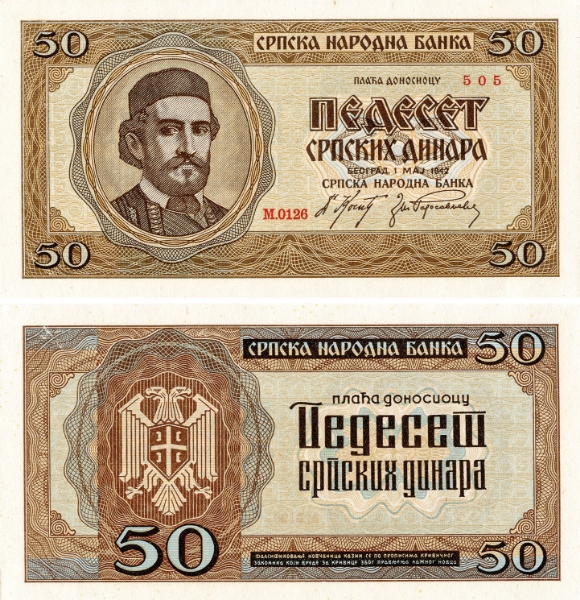
Picture Source of King Peter I: Wikipedia
Introduction to King Peter I of Serbia
King Peter I of Serbia remains a towering figure in the annals of Serbian history, celebrated for his leadership and transformative impact during a pivotal era. Born into a period of intense political upheaval, King Peter I's reign was marked by significant national and international events that shaped the course of Serbia. His legacy is not merely confined to his military and political achievements but also extends to cultural and social reforms that have left an indelible mark on Serbian society.
King Peter’s life is a testament to resilience and determination, having navigated a complex landscape of alliances and adversaries. He is often remembered as a benevolent monarch, whose policies and decisions resonated deeply with his subjects. A key figure in the Balkan Wars and World War I, his leadership was instrumental in the formation of the Kingdom of Serbs, Croats, and Slovenes, which later became known as Yugoslavia.
This article aims to explore the multifaceted life of King Peter I, delving into his early years, his ascension to power, and his enduring legacy. By examining the various facets of his reign, one can gain a deeper understanding of his contributions and the lasting impact he had on Serbia and the wider region.
Early Life and Background
Born on 11 July 1844, in Belgrade, Prince Peter Karađorđević was the grandson of Karađorđe Petrović, the founder of the Karađorđević dynasty. His early years were marked by the turbulence of political exile after his family was forced to flee Serbia due to the rival Obrenović dynasty's dominance. This time abroad provided Peter with a unique education, exposing him to Western ideas and philosophies that would later influence his reign.
Peter's formative years were spent in France, where he attended the prestigious Saint-Cyr military academy. This education not only honed his military skills but also instilled in him a strong sense of democratic values and an appreciation for constitutional governance. These principles became cornerstone ideals during his later rule in Serbia, reflecting his belief in the importance of a monarch who serves the people.
In addition to his military training, Peter's time in Europe allowed him to establish connections with influential figures and observe the political dynamics of powerful nations. This experience was invaluable, equipping him with the diplomatic acumen necessary to navigate the complex web of international relations that he would encounter during his reign.
Ascension to the Throne
Peter's path to the throne was far from straightforward, involving years of exile and political manoeuvring. It was not until 1903, following the assassination of King Alexander I of the Obrenović dynasty, that Peter ascended to the Serbian throne. His return was marked by widespread public support, as many viewed him as a symbol of hope and reform.
Upon his ascension, King Peter I immediately set about transforming the political landscape of Serbia. He was a proponent of constitutional monarchy and sought to limit the power of the monarchy by advocating for a more democratic form of governance. This was a significant departure from the autocratic rule of his predecessors and resonated strongly with the Serbian populace who were eager for change.
King Peter's early reign was characterised by efforts to modernise the nation. He implemented various reforms aimed at improving the infrastructure, education, and legal systems of Serbia. These efforts not only enhanced the quality of life for his subjects but also positioned Serbia as a progressive state in the Balkans, eager to engage with Western Europe on equal terms.
King Peter I’s Role in World War I
The outbreak of World War I presented a formidable challenge for King Peter I, as Serbia found itself at the epicentre of the conflict following the assassination of Archduke Franz Ferdinand in Sarajevo. Despite the immense pressure, King Peter's leadership during the war was marked by tenacity and strategic acumen, earning him respect both domestically and abroad.
Under his guidance, Serbia initially achieved notable victories against Austro-Hungarian forces, showcasing the resilience and fighting spirit of the Serbian army. However, as the war progressed, the relentless onslaught of Central Powers forced Serbia into a dire situation. In 1915, King Peter made the harrowing decision to lead his army, government, and thousands of civilians on a gruelling retreat across the Albanian mountains to seek refuge in Corfu.
This retreat, known as the Great Retreat, was a testament to King Peter's unwavering commitment to his nation. Despite the severe hardships faced during this journey, his leadership inspired unity and perseverance among his people. Ultimately, this resilience played a crucial role in the eventual Allied victory and the re-establishment of Serbian sovereignty.
The Establishment of the Kingdom of Serbs, Croats, and Slovenes
The conclusion of World War I heralded a new dawn for the Balkans, with King Peter I at the helm of momentous change. In December 1918, the Kingdom of Serbs, Croats, and Slovenes was proclaimed, uniting the South Slavic peoples under a single monarchy. This bold move was driven by King Peter's vision of a unified, stronger region that could better withstand external pressures.
The formation of this new kingdom was not without challenges, as diverse ethnic and cultural groups sought to balance national identity with collective unity. King Peter's role was pivotal in navigating these complexities, promoting cooperation and understanding among the varied populations. His commitment to fostering a sense of shared purpose was instrumental in laying the groundwork for the nascent state.
While the creation of the Kingdom of Serbs, Croats, and Slovenes marked a significant achievement, it also set the stage for future tensions and conflicts. Nonetheless, King Peter's efforts to bring together disparate communities under a common banner remain a testament to his vision and leadership in the pursuit of regional stability and prosperity.
King Peter I’s Reforms and Policies
King Peter I's reign was notable for a series of progressive reforms aimed at modernising Serbia and improving the lives of its citizens. One of his central focuses was the development of infrastructure, including roads, railways, and public facilities, which facilitated economic growth and connectivity within the kingdom.
In addition to infrastructure, King Peter prioritised educational reforms, recognising the importance of a well-informed populace. He championed the establishment of schools and universities, promoting education as a cornerstone of national development. These initiatives not only increased literacy rates but also empowered individuals to contribute meaningfully to society.
Moreover, King Peter's policies reflected his commitment to social welfare. He introduced measures to improve healthcare, social services, and workers' rights, striving to create a more equitable society. His dedication to enhancing the well-being of his subjects earned him widespread admiration and cemented his legacy as a monarch who truly cared for his people.
The Legacy of King Peter I: Cultural and Historical Impact
The legacy of King Peter I extends beyond his political and military achievements, encompassing a profound cultural and historical impact on Serbia. His reign is often regarded as a golden era of cultural renaissance, with a flourishing of arts, literature, and national identity.
Under King Peter's patronage, Serbian artists and writers found a supportive environment to express their creativity. This period saw the emergence of significant literary and artistic works that celebrated Serbian heritage and contributed to a greater sense of national pride. The promotion of cultural endeavours was a reflection of King Peter's belief in the power of art to unite and inspire people.
Historically, King Peter's legacy is intertwined with the narrative of Serbian resilience and determination. His leadership during challenging times left an indelible mark on the collective memory of the Serbian people. Today, he is remembered not just as a king but as a symbol of perseverance, embodying the spirit of a nation that overcame adversity to forge a brighter future.
King Peter I in Popular Culture
King Peter I's enduring influence is also evident in popular culture, where his life and legacy continue to inspire and captivate audiences. His story has been immortalised in numerous films, books, and plays, highlighting his pivotal role in shaping Serbian history.
In cinema, King Peter's life has been depicted in several historical dramas, with actors portraying his character in ways that resonate with contemporary audiences. These portrayals often emphasise his courage, wisdom, and dedication to his people, reinforcing his status as a beloved national figure.
Moreover, literature and theatre have also celebrated King Peter's contributions, with works exploring his personal struggles and triumphs. Through these artistic mediums, his legacy is kept alive, serving as a source of inspiration and reflection for new generations who seek to understand the complexities of leadership and the enduring power of a visionary monarch.
Reflecting on the Legacy of King Peter I of Serbia
Reflecting on the legacy of King Peter I of Serbia reveals a monarch whose life was characterised by dedication, resilience, and transformative leadership. His reign was marked by significant achievements, from military victories to progressive reforms, all of which contributed to the modernisation and unification of his nation.
King Peter's impact extends beyond the borders of Serbia, influencing the wider Balkan region and leaving a lasting impression on European history. His vision for a unified South Slavic kingdom laid the foundation for future cooperation and integration, despite the challenges that arose in the years following his reign.
As we consider King Peter I's enduring legacy, it is clear that his contributions continue to resonate with those who strive for progress and unity. His story serves as a reminder of the power of visionary leadership in shaping the course of history.