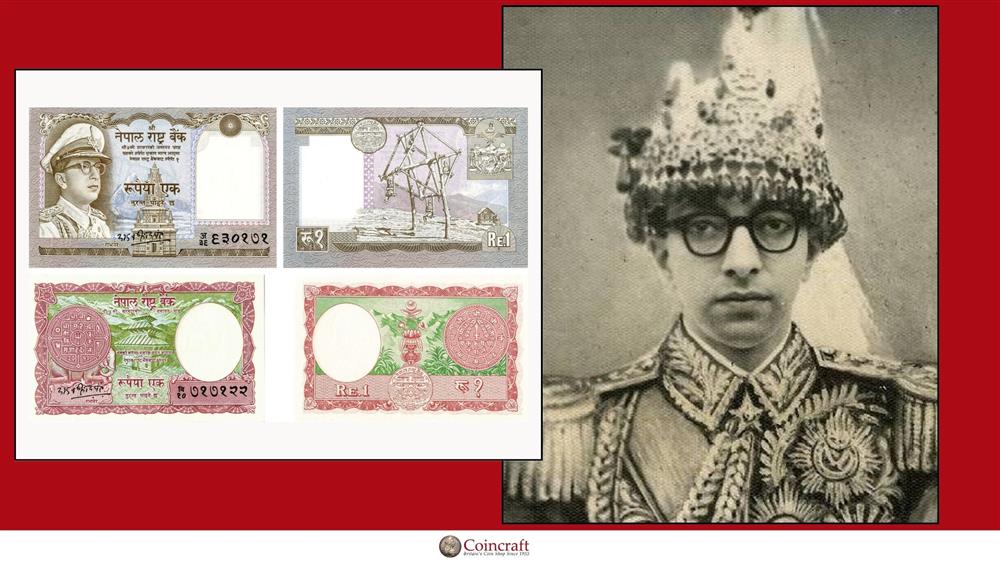
Picture Source of King Mahendra: Wikipedia
Introduction to King Mahendra and His Era
King Mahendra Bir Bikram Shah Dev, the second monarch of Nepal from the Shah dynasty, reigned from 1955 to 1972. His rule marked a transformative period in Nepal's history, characterised by significant political, economic, and cultural shifts. As a pivotal figure, King Mahendra's efforts to modernise Nepal laid the groundwork for the country's future trajectory, although his reign was not without controversy.
During his tenure, King Mahendra sought to consolidate power and implement reforms that would strengthen the monarchy's role in governing Nepal. His era was marked by a blend of traditional authority and modern governance, as he navigated the complexities of a rapidly changing world. This period saw Nepal transitioning from a feudal system to a more centralised structure, paving the way for future development.
King Mahendra's legacy is a tapestry of achievements and challenges, reflecting both his ambitions for Nepal and the limitations he faced. His influence extends beyond his reign, shaping the nation's political landscape and cultural identity. This article delves into the multifaceted legacy of King Mahendra, examining his impact on Nepal's history and his enduring influence in contemporary times.
Early Life and Ascension to the Throne
Born on 11th June 1920, King Mahendra was the eldest son of King Tribhuvan. From a young age, he was groomed for leadership, receiving an education that combined traditional and modern elements. His formative years were spent in the backdrop of a Nepal that was still largely feudal, under the grip of the Rana oligarchy. This environment profoundly influenced his vision for a reformed Nepal.
King Mahendra ascended to the throne in 1955 following the death of his father. His accession came at a time when Nepal was just beginning to embrace democratic ideals, having emerged from the autocratic Rana regime. The new king was thrust into a complex political landscape, where traditional power structures were being challenged by emerging democratic forces. His early reign was marked by efforts to balance these competing interests.
Despite the challenges, King Mahendra quickly established himself as a decisive and visionary leader. He sought to assert the monarchy's authority while simultaneously modernising the nation. His leadership style was characterised by pragmatism and adaptability, as he navigated the delicate balance between maintaining royal power and fostering national development.
Key Policies and Reforms Implemented by King Mahendra
King Mahendra's reign was distinguished by a series of bold policies and reforms aimed at transforming Nepal into a modern state. One of his most notable initiatives was the introduction of the Panchayat system in 1960, which aimed to centralise authority and strengthen the monarchy. This system replaced the fledgling parliamentary democracy and was designed to unify the nation under a single political framework.
The Panchayat system was accompanied by a range of social and economic reforms intended to uplift the Nepalese populace. King Mahendra focused on improving education, healthcare, and infrastructure, recognising these as essential components of national progress. His administration invested in building roads, schools, and hospitals, laying the foundation for future development.
In addition to domestic reforms, King Mahendra pursued an active foreign policy to enhance Nepal's standing on the international stage. He sought to establish diplomatic relations with countries worldwide, thereby positioning Nepal as a neutral and independent state amidst the global Cold War tensions. His efforts in foreign diplomacy not only secured vital aid and support but also helped to bolster Nepal's sovereignty.
King Mahendra's Role in Modernising Nepal
Modernisation was at the heart of King Mahendra's vision for Nepal, and his reign is often credited with initiating the country's transition from a feudal society to a modern nation-state. His efforts were multifaceted, encompassing education, infrastructure, and governance reforms that collectively propelled Nepal into a new era.
Education was a primary focus for King Mahendra, who believed that an educated populace was crucial for national development. He implemented policies to expand access to education, establishing numerous schools and colleges across the nation. These efforts significantly increased literacy rates and equipped the younger generation with the skills necessary to participate in a rapidly changing world.
Infrastructure development was another cornerstone of King Mahendra's modernisation agenda. Recognising the importance of connectivity, he prioritised the construction of roads and transportation networks. These projects facilitated trade and communication, linking remote regions to the country's economic centres. As a result, Nepal's economic landscape began to diversify, moving away from its agrarian roots.
The Political Landscape During King Mahendra's Reign
King Mahendra's reign was marked by a complex and often turbulent political landscape. The introduction of the Panchayat system in 1960 was a significant turning point, as it effectively dissolved parliamentary democracy and concentrated power within the monarchy. This move was met with both support and opposition, reflecting the diverse political sentiments of the time.
The Panchayat system sought to maintain stability and promote development by unifying the nation under a centralised governance model. However, it also stifled political dissent and limited public participation in the decision-making process. Critics argued that the system curtailed democratic freedoms and suppressed political opposition, leading to tensions between the monarchy and pro-democracy activists.
Despite these challenges, King Mahendra's political strategy was instrumental in preserving Nepal's sovereignty during a period of geopolitical uncertainty. By positioning the monarchy as a unifying force, he navigated the delicate balance between maintaining internal stability and addressing external pressures. His reign laid the groundwork for future political developments, setting the stage for Nepal's ongoing journey towards democracy.
Economic Developments Under King Mahendra
Economic development was a central focus of King Mahendra's reign, as he sought to transform Nepal's largely agrarian economy into a more diversified and sustainable model. His administration prioritised the development of infrastructure and industry, recognising these as key drivers of economic growth.
Under King Mahendra's leadership, significant investments were made in transportation and communication networks. The construction of roads and bridges facilitated trade and commerce, connecting rural areas with urban centres. These infrastructure projects not only boosted economic activity but also improved access to essential services, contributing to overall socio-economic development.
In addition to infrastructure, King Mahendra's economic policies emphasised the importance of industrialisation. His government encouraged the establishment of factories and industries, particularly in sectors such as textiles and agriculture. These efforts aimed to create employment opportunities and reduce Nepal's dependency on traditional farming, thereby enhancing economic resilience.
King Mahendra and the Preservation of Nepalese Culture
While King Mahendra was committed to modernising Nepal, he also recognised the importance of preserving the nation's rich cultural heritage. His reign saw a renewed emphasis on cultural identity, as he sought to promote Nepal's unique traditions and values amidst the forces of modernisation.
One of King Mahendra's notable contributions to cultural preservation was his support for the arts and literature. He encouraged the promotion of Nepali language and literature, recognising them as integral components of national identity. His administration supported various cultural initiatives, including the establishment of institutions dedicated to the preservation and promotion of traditional arts and crafts.
King Mahendra's efforts to preserve Nepalese culture extended beyond the arts. He was instrumental in promoting religious and cultural festivals, ensuring that these traditions were celebrated and passed down to future generations. His commitment to cultural preservation helped to foster a sense of national pride and unity, reinforcing Nepal's distinct identity on the global stage.
Controversies Surrounding King Mahendra's Rule
Despite his achievements, King Mahendra's reign was not without controversy. The introduction of the Panchayat system, in particular, was a contentious decision that drew criticism from various quarters. Many viewed it as an authoritarian move that stifled democratic freedoms and curtailed political expression.
The suppression of political dissent under the Panchayat system led to tensions between the monarchy and pro-democracy activists. Critics argued that the system limited public participation in governance and concentrated power within the royal family. This centralisation of authority was perceived as a step backward in Nepal's democratic journey, sparking debates about the balance between monarchy and democracy.
In addition to political controversies, King Mahendra's economic policies also faced criticism. While his efforts to modernise the economy were commendable, some argued that they disproportionately benefited urban areas and neglected rural communities. The uneven distribution of resources and opportunities contributed to social disparities, raising questions about the inclusivity of his development agenda.
The Legacy of King Mahendra in Contemporary Nepal
King Mahendra's legacy is a complex and multifaceted one, reflecting both his achievements and the challenges he faced. His efforts to modernise Nepal and strengthen the monarchy have left an indelible mark on the nation's history, influencing its political, economic, and cultural landscape.
In contemporary Nepal, King Mahendra is remembered as a visionary leader who sought to transform the nation amidst significant challenges. His contributions to infrastructure development, education, and cultural preservation continue to resonate, shaping the trajectory of Nepal's progress. At the same time, the controversies surrounding his reign serve as a reminder of the complexities of governance and the delicate balance between authority and democratic ideals.
King Mahendra's legacy is ultimately one of transformation and continuity, as his influence extends beyond his time on the throne. His vision for a modern and sovereign Nepal remains a guiding force for the nation, inspiring future generations to build upon his achievements while addressing the challenges of a rapidly changing world.
Reflecting on King Mahendra's Impact
Reflecting on King Mahendra's impact, it is clear that his reign was a pivotal period in Nepal's history. His efforts to modernise the nation and strengthen the monarchy were instrumental in shaping the country's trajectory, laying the foundation for future development. While his legacy is marked by both achievements and controversies, it is undeniable that his influence continues to be felt in contemporary Nepal.
King Mahendra's vision for a modern Nepal was ambitious, seeking to balance traditional values with the demands of a rapidly changing world. His commitment to education, infrastructure, and cultural preservation were key components of his legacy, contributing to the nation's progress and resilience.
As Nepal continues to evolve, King Mahendra's legacy serves as a reminder of the complexities and challenges of governance. His reign offers valuable lessons for future leaders, highlighting the importance of balancing authority with democratic ideals and ensuring that development efforts are inclusive and equitable.