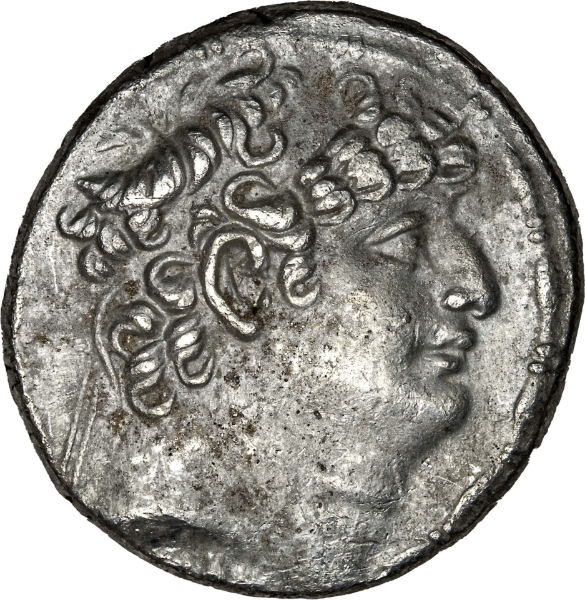
 - AGG1058 (1).jpg)
Picture Source of Philip I Philadelphus: Wikipedia
Introduction to Philip I Philadelphus
Philip I Philadelphus, a figure often overshadowed by his contemporaries, played a pivotal role in the Hellenistic period. His reign marked a period of relative stability and cultural flourishing in an era often characterised by conflict and upheaval. As the ruler of the Seleucid Empire from 95 BC to 83 BC, Philip I Philadelphus is remembered for his diplomatic acumen and cultural patronage, which left an indelible mark on ancient history.
Born into the illustrious Seleucid dynasty, Philip was destined for greatness from the outset. His early life was shaped by the complex political landscape of the Hellenistic world, a period defined by the division of Alexander the Great's vast empire. As a result, Philip's upbringing was steeped in both the political intrigue and cultural richness of the era. This foundation would later inform his approach to governance and diplomacy.
Throughout his reign, Philip I Philadelphus demonstrated a keen understanding of the importance of balancing power and culture. He recognised that military might alone was insufficient to maintain control over a vast and diverse empire. Instead, he sought to foster alliances and promote cultural exchanges, ensuring the Seleucid Empire remained a beacon of civilisation amidst the chaos of the Hellenistic world.
Historical Context of Philip I Philadelphus
The historical context of Philip I Philadelphus's reign is crucial to understanding his achievements and challenges. The Seleucid Empire, one of the successor states of Alexander the Great's empire, was a significant power in the Hellenistic world. However, by the time Philip ascended to the throne, the empire was in decline, plagued by internal strife and external threats.
The period was marked by constant warfare and shifting alliances among the Hellenistic kingdoms. Philip inherited a fractured empire, with rival factions vying for control. The Roman Republic was emerging as a dominant force in the Mediterranean, further complicating the political landscape. Philip's ability to navigate these complexities would be a testament to his diplomatic skill.
Despite these challenges, Philip I Philadelphus sought to stabilise and revitalise the empire. He understood that traditional military strategies were unlikely to succeed in such a turbulent environment. Instead, he focused on diplomatic solutions and cultural initiatives to strengthen his rule. This approach not only secured his position but also laid the groundwork for future leaders to build upon.
The Reign of Philip I Philadelphus
Philip I Philadelphus's reign is often characterised by its emphasis on diplomacy and culture rather than military conquest. During his rule, Philip successfully negotiated several key alliances that helped to stabilise the Seleucid Empire. By fostering relationships with neighbouring kingdoms, he was able to secure his borders and maintain relative peace in the region.
One of Philip's most significant achievements was his ability to balance the interests of various factions within the empire. He implemented policies that encouraged cultural integration and cooperation among the diverse populations under his rule. This not only reduced internal tensions but also promoted a sense of unity and shared identity among the empire's citizens.
Philip's reign also saw a flourishing of cultural and intellectual pursuits. He was a great patron of the arts, supporting the work of poets, philosophers, and artists. Under his leadership, the Seleucid Empire became a centre of cultural exchange and innovation, attracting scholars and thinkers from across the Hellenistic world. This cultural renaissance would leave a lasting legacy, influencing subsequent generations and contributing to the rich tapestry of ancient history.
Diplomatic Achievements of Philip I Philadelphus
Philip I Philadelphus was renowned for his diplomatic prowess, which played a crucial role in maintaining the stability of the Seleucid Empire. His ability to negotiate and forge alliances with neighbouring kingdoms was instrumental in securing the empire's borders and ensuring its continued prosperity.
One of Philip's notable diplomatic achievements was his alliance with the Parthian Empire, a formidable power in the region. By cultivating a positive relationship with the Parthians, Philip was able to neutralise a significant threat to his rule. This alliance not only provided a buffer against Roman expansion but also facilitated trade and cultural exchanges between the two empires.
Philip also worked to strengthen ties with other Hellenistic kingdoms, recognising the importance of unity in the face of external threats. Through marriage alliances and diplomatic negotiations, he was able to secure the support of key allies, further solidifying his position. His diplomatic efforts were instrumental in maintaining a delicate balance of power in the region, allowing the Seleucid Empire to thrive during his reign.
Cultural Contributions and Patronage
Philip I Philadelphus's reign is often remembered for its cultural contributions and patronage. As a ruler, he understood the importance of fostering a vibrant cultural landscape to promote unity and stability within the empire. His support for the arts and intellectual pursuits helped to establish the Seleucid Empire as a centre of cultural excellence.
Under Philip's patronage, the arts flourished, with poets, artists, and philosophers finding a welcoming environment for their work. He sponsored the construction of theatres, libraries, and schools, creating spaces for learning and cultural exchange. These institutions became hubs of intellectual activity, attracting scholars and thinkers from across the Hellenistic world.
Philip's commitment to cultural patronage extended beyond the arts to include scientific and technological advancements. He supported the work of astronomers, mathematicians, and engineers, recognising the value of their contributions to society. This emphasis on knowledge and innovation not only enriched the lives of his subjects but also ensured the Seleucid Empire remained at the forefront of cultural and scientific progress.
Comparing Philip I Philadelphus with Other Hellenistic Rulers
When comparing Philip I Philadelphus with other Hellenistic rulers, his emphasis on diplomacy and culture stands out. While many of his contemporaries focused on military conquest and territorial expansion, Philip recognised the value of fostering alliances and promoting cultural exchange as a means of maintaining stability and prosperity.
Rulers such as Ptolemy II Philadelphus of Egypt and Antiochus III the Great of the Seleucid Empire were known for their military campaigns and conquests. In contrast, Philip's approach was more nuanced, focusing on building relationships and fostering a sense of shared identity among diverse populations. This strategy allowed him to maintain control over a vast and diverse empire without resorting to constant warfare.
Philip's legacy is further distinguished by his commitment to cultural patronage. While other rulers invested primarily in military infrastructure, Philip supported the arts, sciences, and intellectual pursuits. This emphasis on culture not only enriched the lives of his subjects but also left a lasting impact on the Hellenistic world, influencing subsequent generations and contributing to the rich tapestry of ancient history.
The Legacy of Philip I Philadelphus in Ancient History
The legacy of Philip I Philadelphus in ancient history is defined by his diplomatic achievements and cultural contributions. His reign marked a period of relative stability and prosperity for the Seleucid Empire, despite the challenges posed by internal strife and external threats. His ability to navigate the complex political landscape of the Hellenistic world set a precedent for future rulers.
Philip's emphasis on diplomacy and cultural patronage had a lasting impact on the Seleucid Empire and the broader Hellenistic world. His alliances with neighbouring kingdoms ensured the security of his borders and facilitated trade and cultural exchanges. His support for the arts and sciences helped to establish the Seleucid Empire as a centre of cultural excellence, attracting scholars and thinkers from across the region.
Philip's legacy is also evident in the continued influence of Hellenistic culture on subsequent generations. The cultural and intellectual advancements made during his reign contributed to the development of Western civilisation, shaping the course of history for centuries to come. His commitment to diplomacy and cultural patronage serves as a reminder of the enduring power of these strategies in achieving stability and prosperity.
Modern Interpretations of Philip I Philadelphus
Modern interpretations of Philip I Philadelphus often highlight his diplomatic prowess and cultural contributions. Historians and scholars have come to appreciate the significance of his reign in the context of the Hellenistic world, recognising his ability to maintain stability through diplomacy and cultural patronage.
Recent research has shed light on Philip's diplomatic strategies, revealing the complexity and nuance of his approach to governance. His alliances with neighbouring kingdoms and efforts to foster cultural exchange are seen as key factors in the success of his reign. These insights have contributed to a more comprehensive understanding of his legacy and the impact of his leadership on the Seleucid Empire.
Philip's cultural contributions have also been the subject of renewed interest. His support for the arts and sciences is recognised as a driving force behind the cultural renaissance of the Seleucid Empire. Modern interpretations of his reign emphasise the importance of cultural patronage in promoting unity and stability within a diverse empire. This perspective highlights the enduring relevance of Philip's strategies in achieving lasting success.
Summary: The Enduring Impact of Philip I Philadelphus
The enduring impact of Philip I Philadelphus is evident in the legacy of diplomacy and culture he left behind. His reign marked a period of stability and prosperity for the Seleucid Empire, achieved through a delicate balance of diplomacy, cultural patronage, and strategic alliances. His approach to governance set a precedent for future rulers and contributed to the rich tapestry of ancient history.
Philip's emphasis on diplomacy and cultural exchange had a lasting impact on the Hellenistic world, influencing subsequent generations and shaping the course of Western civilisation. His legacy serves as a reminder of the enduring power of these strategies in achieving stability and prosperity. As we reflect on his contributions, we are reminded of the importance of diplomacy and culture in fostering unity and progress within diverse societies.
In exploring the life and legacy of Philip I Philadelphus, we gain valuable insights into the complexities of leadership and the enduring power of diplomacy and culture. His achievements continue to inspire and inform our understanding of ancient history, offering lessons that remain relevant in today's interconnected world. As we continue to study his legacy, we are reminded of the importance of fostering relationships and cultural exchange in achieving lasting success.