Honouring Coins
From iconic figures to breathtaking landscapes, the coins tell tales of legends and beauty. Let's celebrate the history etched in metal and the beauty captured in currency.
Sort by
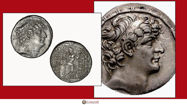
Tetradrachm Dedicated to Philip I Philadelphus (former Hellenistic Seleucid monarch) -Thursday, 14 August 2025
Philip I Philadelphus, a figure often overshadowed by his contemporaries, played a pivotal role in the Hellenistic period. His reign marked a period of relative stability and cultural flourishing in an era often characterised by conflict and upheaval. As the ruler of the Seleucid Empire from 95 BC to 83 BC, Philip I Philadelphus is remembered for his diplomatic acumen and cultural patronage, which left an indelible mark on ancient history. next...
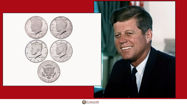
US Dollars Dedicated to John F Kennedy (former US president) -Tuesday, 12 August 2025
John F. Kennedy, often referred to by his initials JFK, remains one of the most iconic figures in American history. His presidency, though tragically cut short, left an indelible mark on the nation and the world. As the 35th President of the United States, Kennedy's legacy is a complex blend of visionary leadership, profound challenges, and transformative policies. This article delves into the multifaceted legacy of John F. Kennedy and examines how his contributions continue to shape modern America. next...
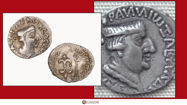
Silver Drachm Honours Nahapana (Former Ruler of Western Kshatrapas in north-western India) -Friday, 08 August 2025
Nahapana, a prominent figure in ancient Indian history, is often associated with the Western Kshatrapas dynasty. As a ruler, he left an indelible mark on the Indian subcontinent during the 1st century CE. Understanding Nahapana's life and reign is pivotal to comprehending the historical dynamics of the period, especially in the context of the interaction between indigenous and foreign cultures. next...
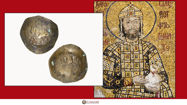
Byzantine Aspron Trachy Dedicated John II Komnenos (Former Emperor) -Wednesday, 06 August 2025
John II Komnenos reigned as Byzantine Emperor from 1118 until his death in 1143. Known for his prudent leadership and strategic acumen, he played a critical role in revitalising and stabilising the Byzantine Empire during a tumultuous period. His reign is often overshadowed by those of his more famous predecessors and successors; however, John’s contributions to the empire’s prosperity and security were substantial and enduring. next...
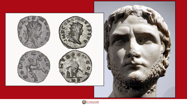
Roman Coins Dedicated to Gallienus (Former Roman Emperor) -Monday, 04 August 2025
Gallienus, a name often overshadowed by more celebrated Roman emperors, remains a figure of significant intrigue in the annals of Roman history. His reign, spanning from AD 253 to AD 268, occurred during a tumultuous period marked by external invasions and internal strife. As the Roman Empire teetered on the brink of collapse, Gallienus' leadership was both criticised and praised for its attempts to stabilise the empire. next...
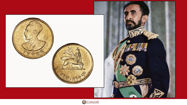
Ethiopia Cent Honours Former Emperor Haile Selassie -Tuesday, 22 July 2025
Haile Selassie, the last Emperor of Ethiopia, remains a vital figure in both African history and global diplomacy. His reign, which spanned from 1930 to 1974, was marked by efforts to modernise Ethiopia and assert its presence on the international stage. Known for his charismatic leadership and visionary outlook, Selassie became an iconic symbol of African resilience and unity. His legacy extends beyond his political achievements, influencing cultural and spiritual movements worldwide. next...
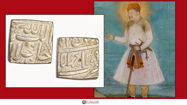
Mughal Empire Honouring Akhbar I (former Emperor) -Friday, 18 July 2025
Akbar I, also known as Akbar the Great, stands as one of the most remarkable and influential rulers in the history of the Mughal Empire. Reigning from 1556 to 1605, he transformed the Mughal dynasty from a regional power to a vast, multicultural empire that dominated the Indian subcontinent. next...
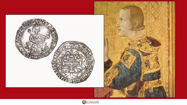
Italian States, Naples, Dedicated to Robert of Anjou (former politician) -Wednesday, 16 July 2025
Robert of Anjou, also known as Robert the Wise, was a pivotal figure in the tapestry of medieval European history. As a monarch who ruled over the Kingdom of Naples from 1309 until his death in 1343, his reign was marked by significant political manoeuvres, cultural patronage, and active participation in the complex web of medieval European politics. His influence extended beyond his immediate dominions, affecting the broader socio-political landscape of the continent. next...
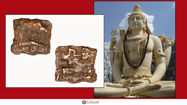
Ashoka Indian Copper Honouring the God Shiva -Monday, 14 July 2025
Shiva, often referred to as "The Destroyer", forms a critical part of the Hindu trinity, alongside Brahma and Vishnu. Revered as a supreme being within the Shaivism tradition, Shiva embodies complex roles that encompass creation, protection, and transformation. As a deity with multifaceted attributes, he is worshipped not only for his power to destroy evil but also for his capacity to bring about renewal and regeneration. next...
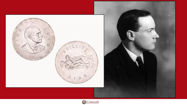
Irish Shilling Honouring Padraig (Patrick) Pearse (a former Irish freedom fighter) -Thursday, 10 July 2025
Padraig Pearse stands as a monumental figure in Irish history, celebrated as one of the principal leaders of the 1916 Easter Rising. His commitment to Ireland's independence from British rule was evident in every aspect of his life, from his involvement in the Gaelic Revival to his pivotal role in the revolutionary uprising. Pearse's vision for Ireland was not merely political; it was deeply cultural and educational, aiming to revive the nation's spirit and identity. next...
Get in touch icon icon

- icon
45 Great Russell St, London WC1B 3JL
- icon
