 - AIR0015.jpg)
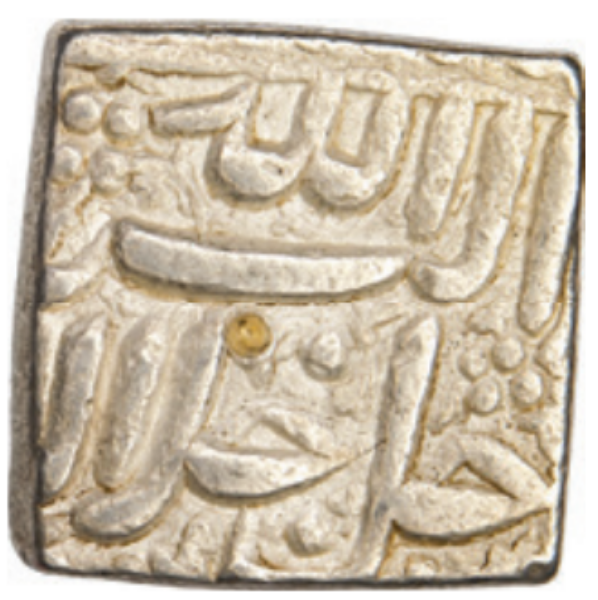
Picture Source of Honouring Akhbar I: Wikipedia
Introduction
Akbar I, also known as Akbar the Great, stands as one of the most remarkable and influential rulers in the history of the Mughal Empire. Reigning from 1556 to 1605, he transformed the Mughal dynasty from a regional power to a vast, multicultural empire that dominated the Indian subcontinent.
Early Life and Ascension
Born on October 15, 1542, in Umarkot, Sindh (now in Pakistan), Akbar was the son of Humayun and Hamida Banu Begum. He ascended to the throne at the young age of 13 after his father’s unexpected death, inheriting a kingdom that was far from stable. Despite his youth, Akbar quickly proved to be a visionary leader and military strategist.
Military Conquests
Akbar was an exceptional military commander who significantly expanded the Mughal Empire. Some of his most notable conquests include:
The conquest of Rajputana
Expansion into Gujarat
Annexation of Bengal
Campaigns in the Deccan region
His military success was not just about territorial expansion, but also about creating a unified and inclusive empire.
Religious Tolerance and Administrative Reforms
Perhaps Akbar’s most significant legacy was his approach to governance and religion:
Din-i Ilahi
Akbar attempted to create a syncretic religion called Din-i Ilahi, which sought to blend elements from various religious traditions. While it never gained widespread acceptance, it symbolized his commitment to religious harmony.
Administrative Innovations
Abolished the discriminatory jizya tax on non-Muslims
Promoted people based on merit rather than religious or ethnic background
Implemented a sophisticated revenue collection system
Cultural Patronage
Akbar was a great patron of arts, literature, and culture:
Established a vibrant court with artists, musicians, and scholars
Supported the translation of numerous Sanskrit texts into Persian
Commissioned elaborate miniature paintings
Built magnificent architectural monuments like Fatehpur Sikri
Personal Life and Character
Known for his intellectual curiosity, Akbar was:
Largely illiterate, but deeply interested in learning
A skilled hunter and warrior
Passionate about philosophical and religious discussions
Known for his charismatic personality
Legacy
Akbar’s reign is often considered the golden age of the Mughal Empire. His policies of religious tolerance, administrative efficiency, and cultural synthesis laid the foundation for a powerful and diverse empire that would last for generations.
Summary
Akbar I was more than just a conqueror; he was a visionary leader who sought to create a unified, inclusive, and culturally rich empire. His approach to governance and his progressive policies continue to inspire discussions about leadership, tolerance, and multicultural coexistence.