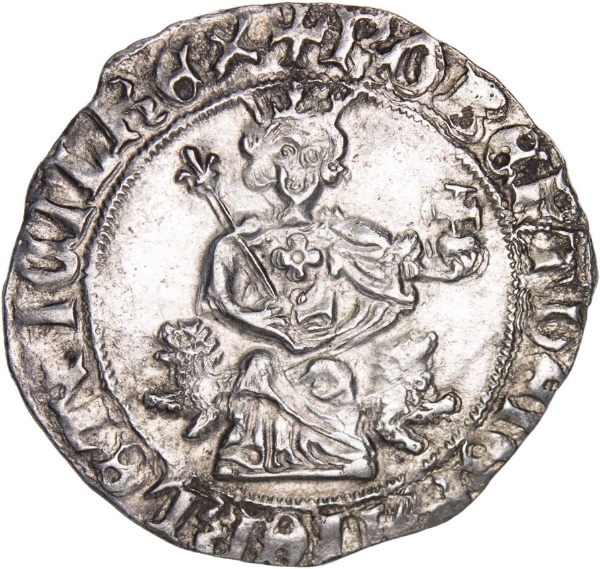
 - SGM288-5554.jpg)
Picture Source of Robert, King of Naples: Wikipedia
Introduction to Robert of Anjou
Robert of Anjou, also known as Robert the Wise, was a pivotal figure in the tapestry of medieval European history. As a monarch who ruled over the Kingdom of Naples from 1309 until his death in 1343, his reign was marked by significant political manoeuvres, cultural patronage, and active participation in the complex web of medieval European politics. His influence extended beyond his immediate dominions, affecting the broader socio-political landscape of the continent.
Understanding the legacy of Robert of Anjou requires an exploration of his life and reign. This article delves into his early years, his ascension to the throne, and his contributions to the political and cultural realms. His impact on future monarchs and the interpretations of his reign by historians are also considered, providing a comprehensive overview of his enduring influence.
In this exploration, the reader will gain insights into how Robert of Anjou navigated the challenges of his time, contributing to the rich historical tapestry of medieval Europe. His story is one of ambition, strategic acumen, and cultural patronage, highlighting his role as one of the era's most noteworthy monarchs.
The Early Life of Robert of Anjou
Robert of Anjou was born in 1275, into a family with a storied legacy. As the son of Charles II of Naples and Maria of Hungary, Robert was immersed in the intricate dynamics of European nobility from an early age. His upbringing was steeped in the traditions and expectations of a royal lineage, shaping his future as a ruler who would leave a lasting imprint on medieval Europe.
Educated with a focus on statecraft and diplomacy, Robert's formative years were instrumental in preparing him for leadership. His education was not limited to military and governance but included exposure to the arts and culture, reflecting the broad scope of interests that would later define his reign. This diverse education played a crucial role in shaping his approach to ruling, blending political acumen with cultural patronage.
Robert's early years were also marked by the influence of his family’s political struggles. The Anjou dynasty was embroiled in numerous conflicts, both within and outside their territories. These experiences honed Robert's strategic skills and resilience, qualities that would serve him well during his reign. His early exposure to the complexities of power dynamics laid the foundation for his capability to navigate the turbulent political landscape of medieval Europe.
Ascension to the Throne: The Path of Robert of Anjou
The path to the throne was neither straightforward nor devoid of challenges for Robert of Anjou. He ascended to power after the death of his father, Charles II, in 1309. However, the journey to kingship was fraught with political intrigue and familial discord, emblematic of the era’s volatile nature. His accession was part of a broader dynastic struggle, involving intricate alliances and rivalries across Europe.
Robert's claim to the throne was contested by various factions within the kingdom, as well as by external powers. To solidify his position, he had to navigate these challenges with diplomatic finesse and strategic alliances. His ability to maintain and expand his influence was a testament to his political acumen. Despite the obstacles, Robert established himself as a monarch whose authority was respected and recognised across the continent.
Upon ascending the throne, Robert of Anjou faced the daunting task of stabilising his realm and asserting his legitimacy. His reign was characterised by efforts to consolidate power, which included reforms in governance and the administration of justice. These efforts were crucial not only for his immediate rule but also for setting a precedent for future governance, ensuring the stability and prosperity of his kingdom.
Political Landscape of Medieval Europe During Robert's Reign
The political landscape of medieval Europe during Robert's reign was complex and multifaceted. The early 14th century was a period marked by shifting alliances, territorial disputes, and the ever-present spectre of the Crusades. As a monarch, Robert navigated these tumultuous waters with a blend of diplomacy and military prowess, positioning himself as a key player in European politics.
One of the defining features of this era was the ongoing conflict between the Papacy and the Holy Roman Empire, known as the Guelphs and Ghibellines. Robert of Anjou aligned himself with the Guelphs, supporting the Papacy in its struggle for supremacy against the imperial forces. This alliance not only reinforced his power within Italy but also enhanced his influence across Europe, as he became a crucial ally in the papal cause.
Robert's strategic alliances extended beyond the Italian peninsula. His reign saw the formation of key partnerships with other European powers, including France and Hungary. These alliances were not only politically advantageous but also facilitated cultural exchanges, contributing to the vibrancy of his court. Through these connections, Robert of Anjou left a lasting impact on the political landscape of medieval Europe, shaping the course of events well beyond his own territories.
Key Achievements and Contributions of Robert of Anjou
Robert of Anjou's reign was marked by numerous achievements that underscored his capabilities as a ruler. One of his most significant contributions was the consolidation of the Kingdom of Naples. Through administrative reforms and strategic governance, he strengthened the central authority, ensuring stability and prosperity within his dominions. These reforms laid the groundwork for the kingdom's future development and success.
In addition to his administrative prowess, Robert was a patron of the arts and architecture. His court became a vibrant centre of cultural activity, attracting artists, scholars, and intellectuals from across Europe. Under his patronage, the kingdom witnessed a cultural renaissance, characterised by advancements in literature, music, and the visual arts. This cultural flourishing not only enhanced the prestige of his court but also contributed to the broader cultural landscape of medieval Europe.
Robert of Anjou also played a crucial role in the geopolitical affairs of his time. His diplomatic efforts and military campaigns had far-reaching implications, influencing the balance of power across the continent. Through strategic marriages and alliances, he extended his influence and secured his kingdom's position within the broader European context. His achievements in both domestic governance and international diplomacy highlight his significance as a monarch whose legacy continues to resonate.
Robert of Anjou's Influence on Arts and Culture
The influence of Robert of Anjou on the arts and culture during his reign was profound and enduring. As a patron of the arts, he fostered an environment that encouraged creativity and innovation. His court in Naples became a beacon of cultural activity, attracting artists and scholars from across Europe, eager to contribute to the vibrant intellectual milieu.
Under Robert's patronage, the Kingdom of Naples experienced a cultural renaissance that left a lasting impact on the artistic heritage of medieval Europe. His support extended to various forms of artistic expression, including literature, painting, and architecture. Notable works from this period reflect the fusion of different styles and influences, showcasing the kingdom's role as a cultural crossroads.
Robert's commitment to the arts also had educational dimensions. He founded institutions that promoted learning and intellectual exchange, emphasising the importance of education as a cornerstone of cultural development. These initiatives not only enriched the cultural fabric of his kingdom but also set a precedent for future patronage of the arts by European monarchs, ensuring the continuation of artistic and intellectual pursuits.
The Role of Robert of Anjou in the Crusades
The Crusades were a defining element of medieval European history, and Robert of Anjou played a notable role in these religious and military campaigns. As a devout Christian and ally of the Papacy, Robert was actively involved in the Crusades, supporting efforts to reclaim the Holy Land from Muslim control. His participation underscored his commitment to the Christian cause and his strategic alignment with papal interests.
Robert's involvement in the Crusades was multifaceted, involving both direct military engagement and logistical support. He provided troops and resources for various crusading efforts, demonstrating his dedication to the cause. His contributions were not limited to the battlefield; he also played a diplomatic role, negotiating alliances and support for the crusading efforts. This dual approach reinforced his reputation as a leader capable of both military and diplomatic prowess.
The legacy of Robert of Anjou's involvement in the Crusades is complex. While his efforts reinforced his standing as a Christian monarch, they also reflected the broader geopolitical dynamics of the time. His participation in these campaigns was part of a larger strategy to strengthen his kingdom's position within the European power structure. The impact of his involvement in the Crusades continues to be a subject of historical analysis, highlighting the intricate interplay of religion, politics, and military ambition in medieval Europe.
The Legacy of Robert of Anjou: Impact on Future Monarchs
Robert of Anjou's legacy extends far beyond his own lifetime, influencing future generations of monarchs and shaping the course of European history. His reign set a precedent for effective governance, characterised by a balance of administrative reform, cultural patronage, and strategic diplomacy. These elements of his rule provided a model for subsequent rulers seeking to navigate the complexities of medieval power dynamics.
One of the key aspects of Robert's legacy is his emphasis on cultural patronage. His support for the arts and education established a tradition of royal patronage that was emulated by later monarchs across Europe. This cultural legacy not only enriched his own kingdom but also contributed to the broader intellectual and artistic developments of the period, leaving an indelible mark on European culture.
Robert of Anjou's impact on future monarchs is also evident in his political and diplomatic strategies. His ability to form strategic alliances and navigate the intricate web of European politics served as a blueprint for future rulers. His reign demonstrated the importance of diplomatic skill and strategic foresight in maintaining and expanding royal power. The lessons of his leadership continue to resonate, offering valuable insights for understanding the evolution of monarchical rule in Europe.
Historical Interpretations of Robert of Anjou's Reign
The reign of Robert of Anjou has been the subject of extensive historical analysis, with interpretations varying across different perspectives and contexts. Some historians view him as a wise and capable ruler whose contributions to the political and cultural landscape of medieval Europe were significant and enduring. His administrative reforms, cultural patronage, and diplomatic acumen are often highlighted as key achievements of his reign.
However, other interpretations present a more nuanced view of Robert's rule, emphasising the challenges and limitations he faced. The complexities of his reign, including the constant political manoeuvring and military conflicts, are seen as indicative of the volatile nature of medieval European politics. These interpretations underscore the difficulties of maintaining power in a period marked by shifting alliances and territorial disputes.
Despite differing perspectives, the historical legacy of Robert of Anjou remains a topic of interest and debate among scholars. His reign continues to be examined for its impact on the political, cultural, and social dynamics of medieval Europe. Through these analyses, the enduring significance of his rule is recognised, highlighting his role as a monarch whose influence extended far beyond his own time.
The Enduring Influence of Robert of Anjou
In conclusion, the legacy of Robert of Anjou as a monarch of medieval Europe is both profound and multifaceted. His reign was characterised by a blend of political acumen, cultural patronage, and strategic diplomacy, leaving a lasting imprint on the history of the continent. His contributions to governance, the arts, and international relations set a standard for future rulers, influencing the course of European history.
Robert of Anjou's enduring influence is a testament to his capabilities as a ruler who navigated the complexities of his time with skill and foresight. His legacy continues to be a subject of scholarly interest, offering valuable insights into the dynamics of medieval power and the role of monarchs in shaping the cultural and political landscape of Europe.
For those interested in the rich tapestry of medieval history, exploring the life and legacy of Robert of Anjou offers a window into the intricate interplay of power, culture, and diplomacy. His story is a reminder of the enduring impact of visionary leadership and the ways in which historical figures continue to shape our understanding of the past.