
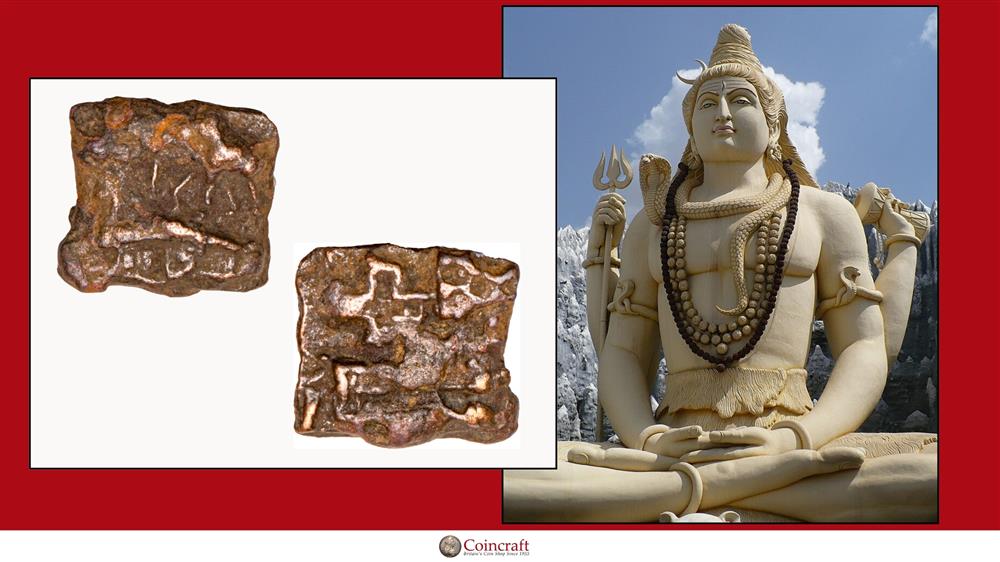
Picture Source of God Shiva: Wikipedia
Introduction to Shiva God in Hinduism
Shiva, often referred to as "The Destroyer", forms a critical part of the Hindu trinity, alongside Brahma and Vishnu. Revered as a supreme being within the Shaivism tradition, Shiva embodies complex roles that encompass creation, protection, and transformation. As a deity with multifaceted attributes, he is worshipped not only for his power to destroy evil but also for his capacity to bring about renewal and regeneration.
The ancient texts describe Shiva as a god of contradictions, seamlessly blending asceticism with dynamism, tranquillity with fierce energy. His iconography, typically depicted with a serene face, matted hair, and a third eye, signifies his profound wisdom and supernatural capabilities. Adorned with snakes and the river Ganges flowing from his locks, Shiva's image is both intriguing and symbolic, resonating with millions of devotees across the globe.
In Hinduism, the concept of a singular, omniscient deity is often represented through various gods and goddesses, with Shiva standing as one of the most popular and significant figures. His presence permeates through religious texts, rituals, and cultural practices, highlighting his pervasive influence in both spiritual and everyday life. The reverence for Shiva is evident in the numerous temples dedicated to him and the vibrant festivals celebrated in his honour.
The Origin and Myths of Shiva
The origins of Shiva are deeply rooted in Hindu mythology, with stories that date back to ancient times. According to the Vedic texts, Shiva emerged from the cosmic dance of creation and destruction, symbolising the cyclical nature of the universe. His mythological narratives often involve complex relationships with other deities, reflecting his integral role in the divine hierarchy.
One of the most renowned myths involves the churning of the ocean, where Shiva consumed the deadly poison Halahala to save the world. This tale illustrates his selfless nature and his willingness to endure suffering for the greater good. Another popular story is of Shiva's marriage to Parvati, which signifies the union of divine forces and the balance of masculine and feminine energies.
Shiva's myths are not confined to grand cosmic events but also include tales that highlight his interactions with devotees and sages. These stories often convey moral lessons and ethical principles, reinforcing his role as a teacher and guide. Through these narratives, Shiva is portrayed as a compassionate god who listens to the prayers of his followers, offering wisdom and guidance in times of need.
The Symbolism of Shiva: Meaning and Representation
The symbolism associated with Shiva is profound, with each element of his depiction carrying deep meaning. The third eye on his forehead represents spiritual knowledge and insight, allowing him to see beyond the physical realm. This eye is also a symbol of destruction, used to obliterate evil and ignorance.
Shiva is often depicted with a trident, or "trishula", which symbolises the three fundamental aspects of existence: creation, maintenance, and destruction. Additionally, the trident represents the three gunas—sattva (purity), rajas (activity), and tamas (darkness)—the essential qualities that govern the universe. The snake around his neck, known as Vasuki, symbolises his control over the ego and primal instincts.
The crescent moon on Shiva's head signifies the passage of time and his mastery over it, while the river Ganges flowing from his locks embodies purity and a source of life. Furthermore, his blue throat, a result of consuming the Halahala poison, is a testament to his ability to transform negative energies into positive outcomes. These symbolic elements contribute to a rich tapestry of meaning, portraying Shiva as a deity of immense spiritual significance.
Shiva's Role in the Hindu Trinity
Within the Hindu trinity, known as the Trimurti, Shiva plays the role of the destroyer, complementing Brahma the creator and Vishnu the preserver. This triad represents the cyclical nature of the cosmos, where creation, preservation, and destruction are interconnected processes essential for the universe's balance.
Shiva's role as the destroyer is not merely about annihilation but encompasses the concept of transformation. Destruction is seen as a necessary precursor to regeneration and renewal, allowing for the birth of new life and ideas. This transformative aspect underscores Shiva's significance in the natural order, where change is an inevitable and vital force.
In this divine triad, Shiva's interactions with Brahma and Vishnu highlight the harmonious coexistence of these cosmic functions. While Brahma initiates creation and Vishnu maintains the universe, Shiva's role ensures that the cycle continues, paving the way for evolution and growth. This balance is central to Hindu philosophy, where divinity is perceived as a dynamic and ever-changing force.
Major Festivals Celebrating Shiva
Several major festivals in Hinduism are dedicated to celebrating Shiva, each highlighting different aspects of his divinity. One of the most prominent is Maha Shivaratri, a festival that honours Shiva's marriage to Parvati and commemorates his cosmic dance. Devotees observe a night-long vigil, chanting prayers and participating in rituals to seek blessings and spiritual enlightenment.
Another significant festival is the Shravan month, which is considered highly auspicious for Shiva worship. During this time, devotees offer prayers and perform rituals, especially on Mondays, which are sacred to Shiva. The Kanwar Yatra, undertaken by millions of pilgrims, involves collecting holy water from the Ganges and offering it at Shiva temples, symbolising devotion and penance.
Apart from these, festivals like Nag Panchami, which celebrates snakes, symbolic of Shiva's adornment, and Kartik Purnima, marking the descent of the Ganges, are also associated with Shiva. These celebrations reflect the diversity of traditions and the deep-rooted cultural connection to Shiva, reinforcing his status as a beloved deity across various regions.
The Worship of Shiva: Rituals and Practices
Worshipping Shiva involves a multitude of rituals and practices, each designed to honour his divine attributes and seek his blessings. The most common form of worship is the offering of water, milk, and bilva leaves to the Shiva Lingam, an abstract representation of the deity symbolising his creative power and cosmic energy.
Devotees also perform Abhishekam, a ceremonial bathing of the Shiva Lingam, using various substances such as milk, honey, and ghee. This ritual purifies the devotee and invokes the deity's grace and protection. Chanting the "Mahamrityunjaya Mantra", a powerful invocation, is another integral practice that aims to overcome fear and achieve spiritual liberation.
In addition to these rituals, meditation and yoga are essential components of Shiva worship, reflecting his ascetic nature and his role as the ultimate yogi. Practitioners seek to attain a deeper connection with the divine through these disciplines, aspiring to embody the virtues and wisdom that Shiva represents.
The Significance of Shiva in Hindu Philosophy
In Hindu philosophy, Shiva embodies the principle of duality, representing both destruction and creation. This dual nature reflects the belief in the cyclical process of life, where every end is a precursor to a new beginning. Shiva's role in this cosmic dance emphasises the transient nature of existence and the importance of embracing change.
Shiva is also revered as the "Adi Yogi", the first teacher of yoga, symbolising the path to self-realisation and enlightenment. His teachings focus on inner transformation and the pursuit of knowledge, guiding individuals towards a higher state of consciousness. Through meditation and self-discipline, devotees seek to transcend the limitations of the material world and attain spiritual liberation.
Furthermore, Shiva's significance extends to the concept of "Shakti", the divine feminine energy that complements his masculine power. This union of Shiva and Shakti represents the balance of opposites, highlighting the interconnectedness of all creation. In this philosophical context, Shiva serves as a reminder of the unity and harmony that underlies the diversity of life.
Popular Temples Dedicated to Shiva
India is home to numerous temples dedicated to Shiva, each renowned for its unique architecture and spiritual significance. The Kashi Vishwanath Temple in Varanasi is one of the most revered, attracting millions of pilgrims seeking Shiva's blessings and spiritual solace. Situated on the banks of the Ganges, this temple is considered a sacred abode of Shiva, embodying the spiritual essence of the city.
The Somnath Temple in Gujarat, one of the twelve Jyotirlinga shrines, is another significant site for Shiva worship. This temple has a rich history and is associated with various legends, drawing devotees from across the country. The architectural grandeur and the spiritual ambience make it a pivotal centre for religious activities and celebrations.
Other notable temples include the Brihadeeswarar Temple in Tamil Nadu, known for its stunning Dravidian architecture, and the Amarnath Cave Temple in Jammu and Kashmir, famous for its natural ice Shiva Lingam. These temples not only serve as centres of devotion but also as cultural landmarks, preserving the rich heritage and traditions associated with Shiva worship.
The Influence of Shiva in Art and Culture
Shiva's influence extends beyond religious realms into art and culture, inspiring countless works across various mediums. In classical Indian dance forms like Bharatanatyam and Kathak, Shiva's "Tandava", the cosmic dance of creation and destruction, is a recurring theme. These performances capture the essence of his dynamic energy and spiritual significance, blending movement with storytelling.
In visual arts, Shiva's iconography is a popular subject, with paintings and sculptures depicting his various forms and attributes. Artists often explore the symbolism associated with Shiva, incorporating elements like the third eye, the crescent moon, and the trident, to convey deeper philosophical meanings. These artistic representations continue to inspire and captivate audiences, transcending cultural and geographical boundaries.
Literature and music also reflect Shiva's profound impact, with numerous hymns, poems, and compositions dedicated to his glory. The "Shiva Purana" and the "Tirukkural" are notable texts that delve into his mythology and teachings, offering insights into his divine nature. Through these cultural expressions, Shiva's legacy endures, resonating with modern audiences while preserving ancient traditions.
The Enduring Legacy of Shiva God
Shiva's legacy in Hinduism is both vast and enduring, embodying the profound spiritual and philosophical principles that underpin the religion. His role as a creator and destroyer highlights the cyclical nature of life, offering wisdom and guidance to navigate the complexities of existence. Through his myths, rituals, and teachings, Shiva continues to inspire devotion and reflection among millions of followers.
The rich tapestry of festivals, temples, and cultural expressions dedicated to Shiva underscores his significance as a beloved deity. His influence transcends religious boundaries, permeating art, literature, and music, and reflecting the timeless appeal of his divine persona. As devotees honour Shiva through various practices and celebrations, they are reminded of the transformative power of faith and the eternal truth that lies within.
For those seeking a deeper understanding of Shiva and his role in Hinduism, visiting a Shiva temple or participating in a festival can provide a meaningful connection to this divine figure. Engage with the cultural and spiritual traditions that celebrate Shiva, and discover the enduring legacy of one of Hinduism's most revered gods.