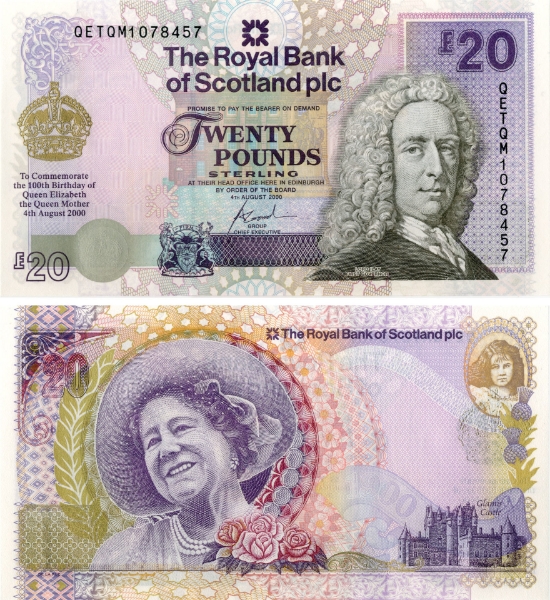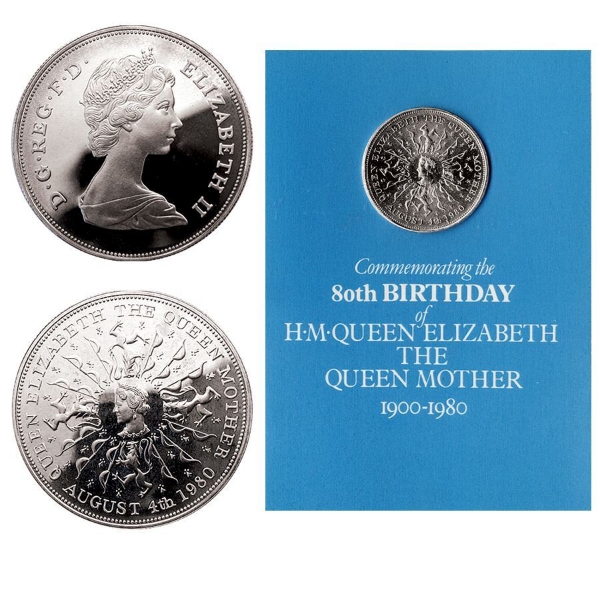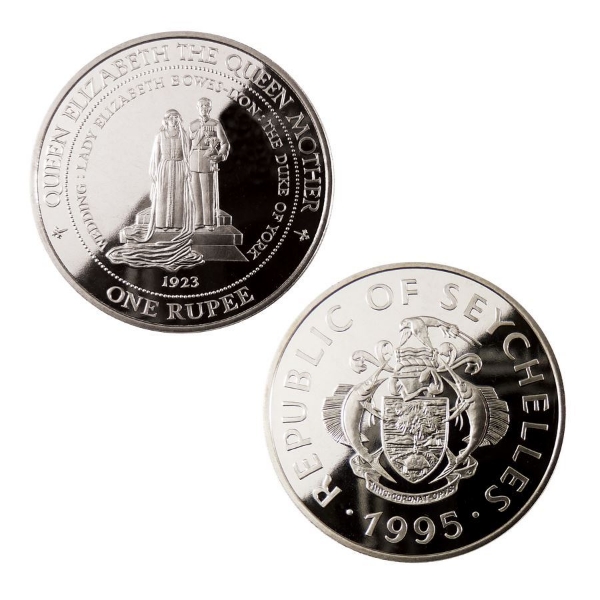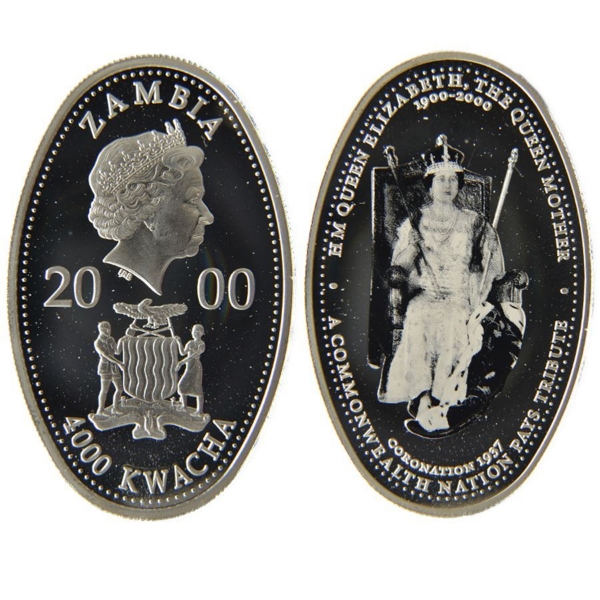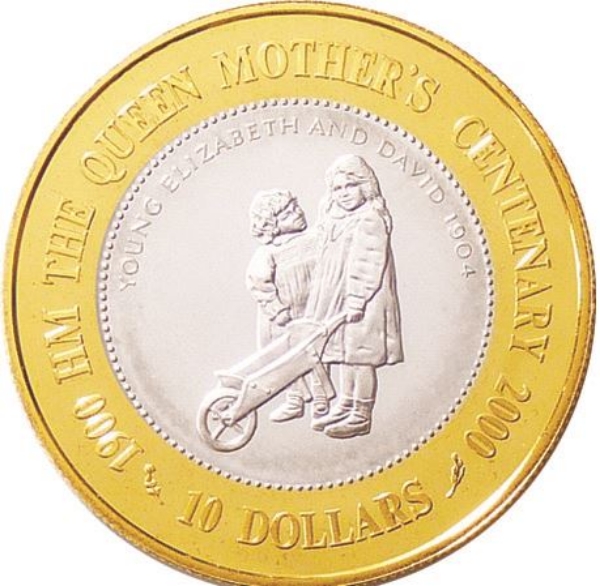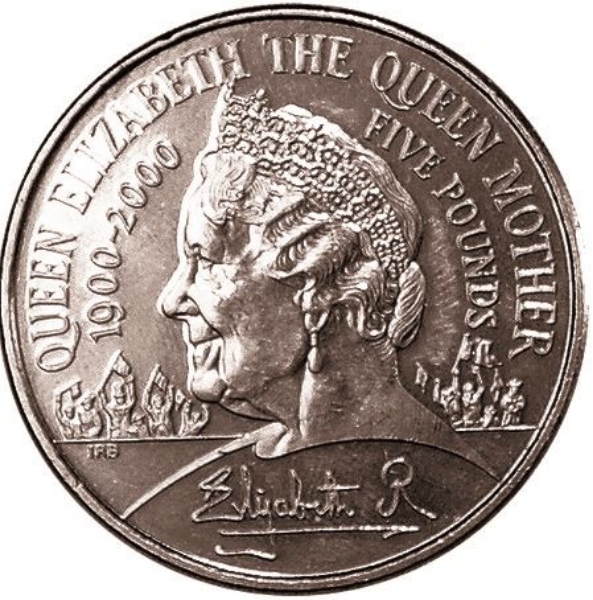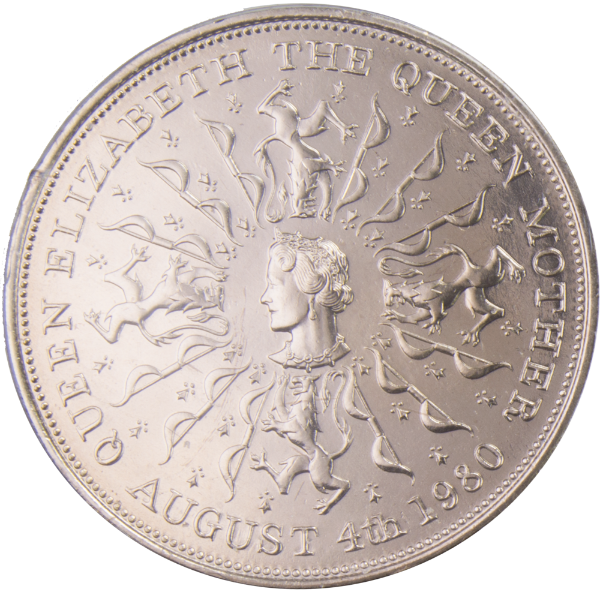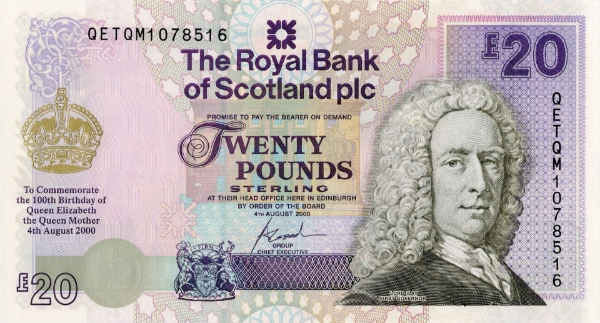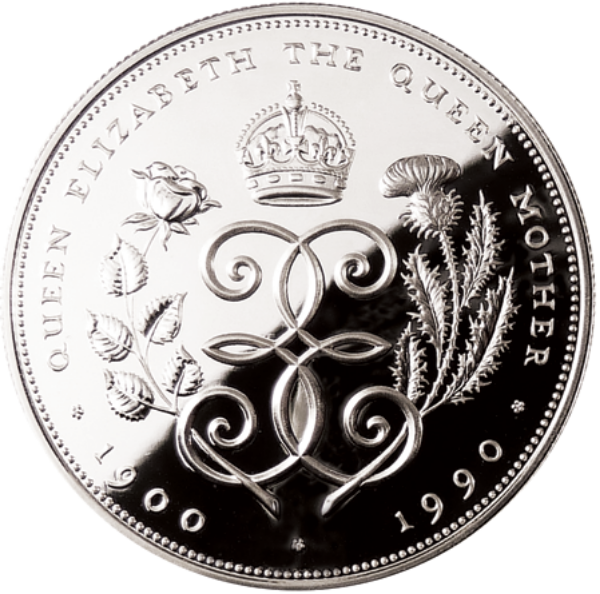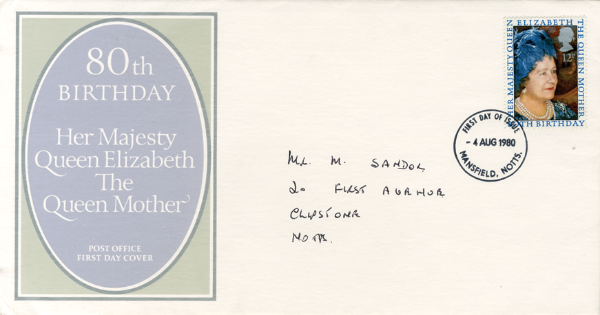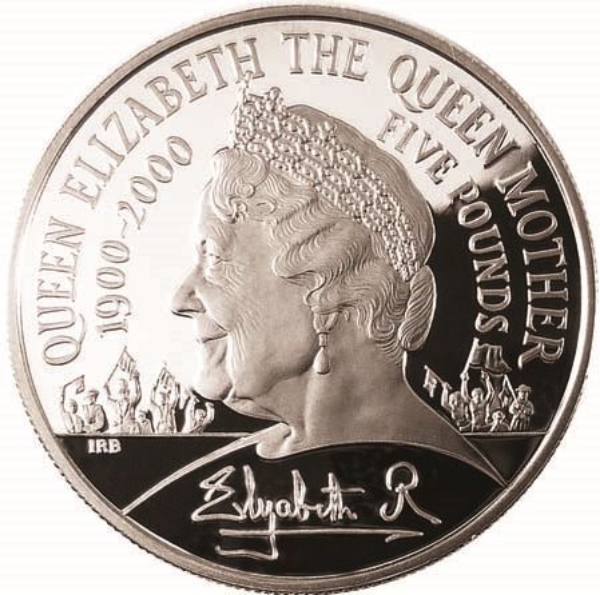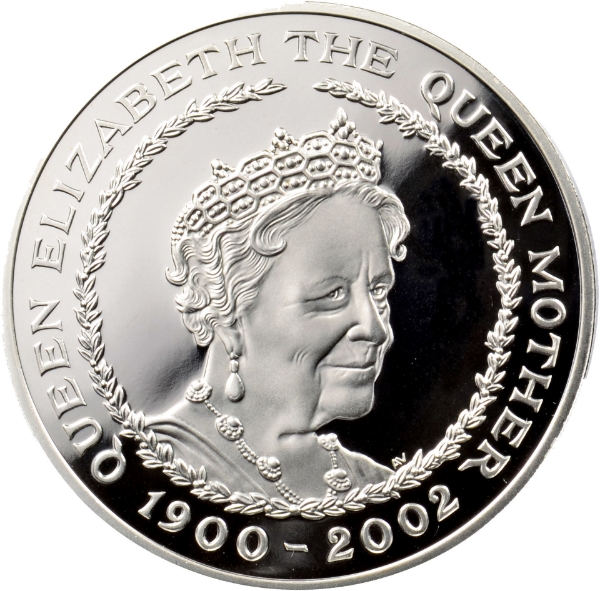
Picture Source of the late Queen Elizabeth the Queen Mother
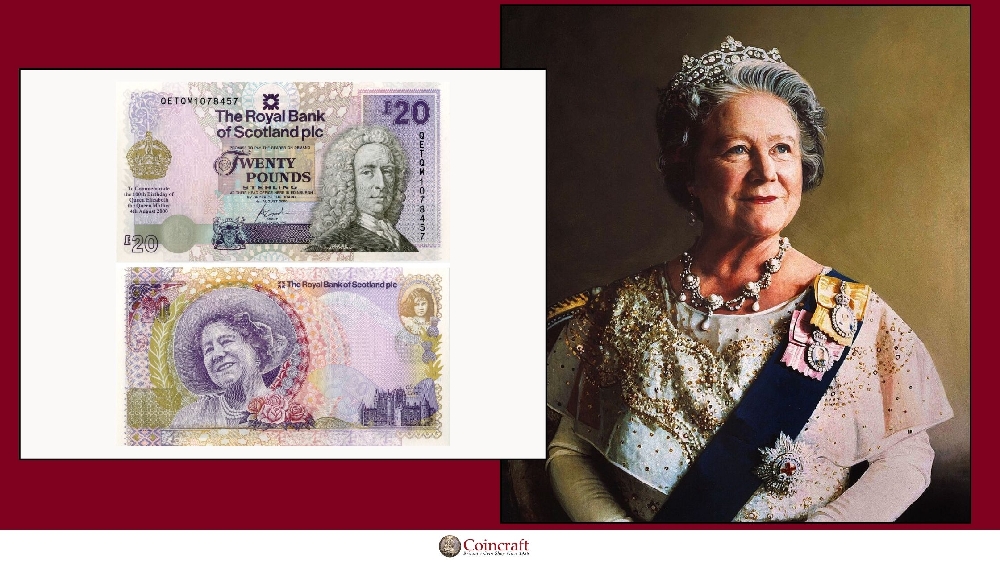
The Queen Mum: The Smiling Matriarch of a Century
When we think of the British Royal Family, it’s easy to focus on the current headlines. But if you rewind the clock just a little bit, you’ll find one of the most formidable, charming, and resilient figures in royal history: Queen Elizabeth the Queen Mother.
Affectionately known to the world simply as "The Queen Mum," she was more than just the grandmother of the nation. She was the steel backbone behind a shy King, a symbol of defiance against Hitler, and a woman who lived through the entire 20th century with a gin and tonic in hand and a smile on her face. Let’s dive into the incredible life of the woman who never expected—and initially didn’t even want—to be Queen.
Key Takeaways
The Reluctant Bride: Elizabeth rejected Prince Albert's marriage proposal twice before finally saying yes, fearing the loss of her freedom.
War Heroine: Adolf Hitler reportedly called her "the most dangerous woman in Europe" because of her ability to boost British morale during WWII.
Unexpected Queen: She only became Queen Consort because of the abdication of King Edward VIII, an event that changed the course of history (and her life) forever.
Century of Life: She lived to the impressive age of 101, seeing the monarchy through wars, scandals, and modernizations.
The Reluctant Royal Bride
Born Elizabeth Angela Marguerite Bowes-Lyon on August 4, 1900, into a Scottish aristocratic family, Elizabeth’s childhood was reputedly idyllic. She grew up at the haunted and historic Glamis Castle in Scotland, the ninth of ten children. She wasn’t born a royal, but she certainly had the pedigree.
Here is where the story gets interesting. In 1920, she met Prince Albert, the Duke of York (known to his family as "Bertie"). He was the second son of the King, shy and prone to a stammer. He fell head over heels for her immediately. Elizabeth? Not so much.
In fact, she turned him down. Twice!¹ She was terrified of the restrictions of royal life, famously saying she was afraid "never, never again to be free to think, speak and act as I feel I really ought to." It wasn't until Bertie proposed for a third time—after his mother, Queen Mary, intervened to clear the path—that she finally accepted. They married in 1923, and Elizabeth became the Duchess of York, fully expecting a quiet life away from the main spotlight.
![Image: A young Elizabeth Bowes-Lyon and Prince Albert on their wedding day, 1923]
The Abdication Crisis: An Unexpected Crown
Elizabeth’s "quiet life" fantasy came crashing down in 1936. When King George V died, Bertie’s older brother, David, became King Edward VIII. But within months, David caused a constitutional crisis by insisting on marrying Wallis Simpson, a twice-divorced American socialite.
Edward VIII abdicated the throne in December 1936 to be with the woman he loved, thrusting his younger brother Bertie into the role of King George VI. Elizabeth was furious. She was fiercely protective of her husband, whom she knew was ill-equipped for the pressure of kingship.²
Overnight, the fun-loving Duchess became Queen Elizabeth, the first British-born Queen Consort since Tudor times. She dedicated herself to supporting "Bertie," helping him overcome his stammer and turning the shy couple into a powerhouse team.
"The Most Dangerous Woman in Europe"
If the abdication was her trial by fire, World War II was her finest hour. When war broke out in 1939, many advised the Queen to evacuate her two young daughters, Elizabeth (the future Queen) and Margaret, to Canada for safety.
Her response is now legendary:
"The children won't go without me. I won't leave the King. And the King will never leave." ³
She stayed in London throughout the Blitz. She visited the bombed-out East End of London, dressed in her finest clothes—not to show off, but out of respect for the people she was meeting. When Buckingham Palace itself was bombed in September 1940, rather than despairing, she famously declared, "I am glad we have been bombed. Now we can look the East End in the eye."⁴
Her ability to connect with the public and boost morale was so effective that Adolf Hitler is said to have called her "the most dangerous woman in Europe." She turned the monarchy into a symbol of national resistance.
The Queen Mother Years
Tragedy struck in 1952 when King George VI died of lung cancer at the young age of 56. Elizabeth was widowed at just 51. Her eldest daughter ascended the throne as Queen Elizabeth II.
To avoid confusion between the two Elizabeths, she adopted the title Queen Elizabeth The Queen Mother.
Rather than retiring into obscurity, she reinvented herself. She loved horse racing, fishing, and entertaining. She became the "nation’s grandmother," famous for her pastel coats, her pearls, and her apparent love of a stiff drink. She continued to carry out royal duties for another 50 years, becoming a beloved link to the past.⁵
She celebrated her 100th birthday in 2000, receiving a telegram from the Queen (her daughter) just like any other centenarian. She passed away peacefully in her sleep on March 30, 2002, at the age of 101, seven weeks after the death of her younger daughter, Princess Margaret.
FAQs
Why was she called the Queen Mother? She was called this to distinguish her from her daughter, Queen Elizabeth II. As the widow of a King (Queen Dowager) and the mother of the reigning Queen, the title "Queen Elizabeth The Queen Mother" was created to avoid confusion.
Did she really stay in London during the Blitz? Yes. While she and the King spent nights at Windsor Castle (just outside London) for safety, they went into central London every day to work and visit bombed areas, sharing in the dangers of the war with the public.
How old was the Queen Mother when she died? She was 101 years old. At the time of her death in 2002, she was the longest-lived member of the British royal family in history (a record later surpassed by her sister-in-law, Princess Alice).
References
Shawcross, W. (2009). Queen Elizabeth The Queen Mother: The Official Biography. London: Macmillan.
Bradford, S. (1989). The Reluctant King: The Life and Reign of George VI. New York: St. Martin's Press.
The Royal Family. (n.d.). Queen Elizabeth The Queen Mother. [online] Available at: https://www.royal.uk/encyclopedia/queen-elizabeth-the-queen-mother [Accessed 16 Feb. 2026].
Wheeler-Bennett, J. (1958). King George VI: His Life and Reign. London: Macmillan.
Vickers, H. (2006). Elizabeth, The Queen Mother. London: Hutchinson.