Numismatic Glossary: Your Gateway to Coin Collecting Terminology
Our website proudly features a comprehensive Numismatic Glossary, designed to enhance your coin collecting experience. This valuable resource serves as a bridge between novice enthusiasts and seasoned numismatists, offering clear and concise definitions for a wide range of coin-related terms.
PLEASE NOTE: WE ADD A NEW TERM EVERY WEEK. SO MAKE SURE TO CHECK BACK OFTEN.
Sort by
South Sea Company -Tuesday, 18 February 2025
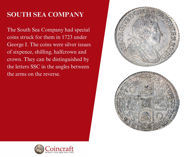
The South Sea Company had special coins struck for them in 1723 under George I. The coins were silver issues of sixpence, shilling, halfcrown and crown. next...

Scottish Shilling -Tuesday, 18 February 2025
A variety of shilling issued from 1937 to 1970 (see also English Shilling). next...


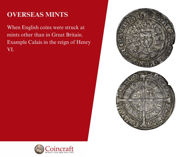
Overseas Mints -Tuesday, 18 February 2025
When English coins were struck at mints other than in Great Britain. Example Calais in the reign of Henry VI. next...
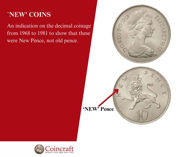
`New' Coins -Tuesday, 18 February 2025
An indication on the decimal coinage from 1968 to 1981 to show that these were New Pence, not old pence. next...
Get in touch icon icon

- icon
45 Great Russell St, London WC1B 3JL
- icon
