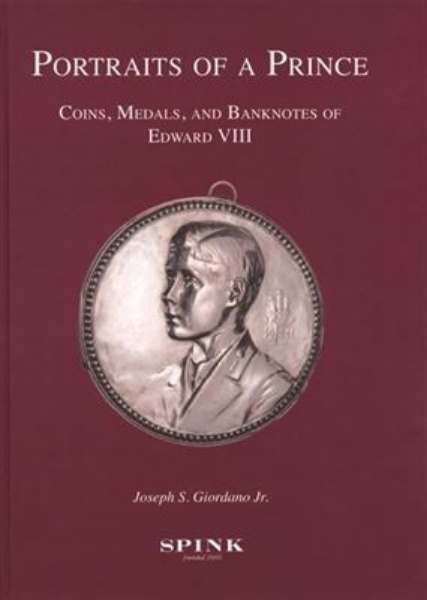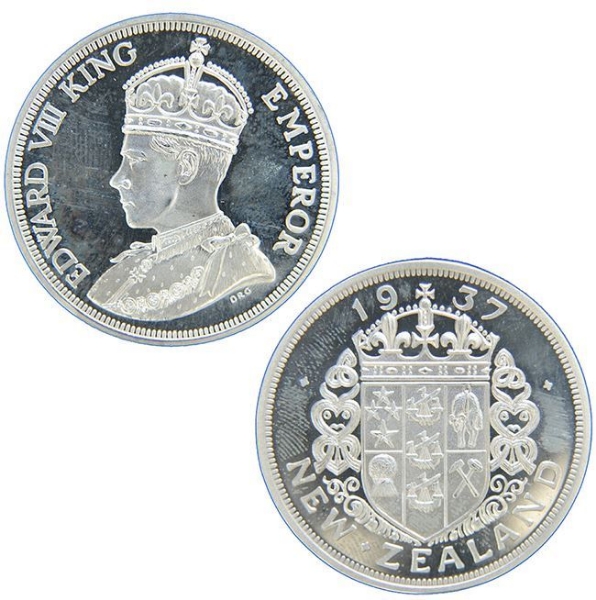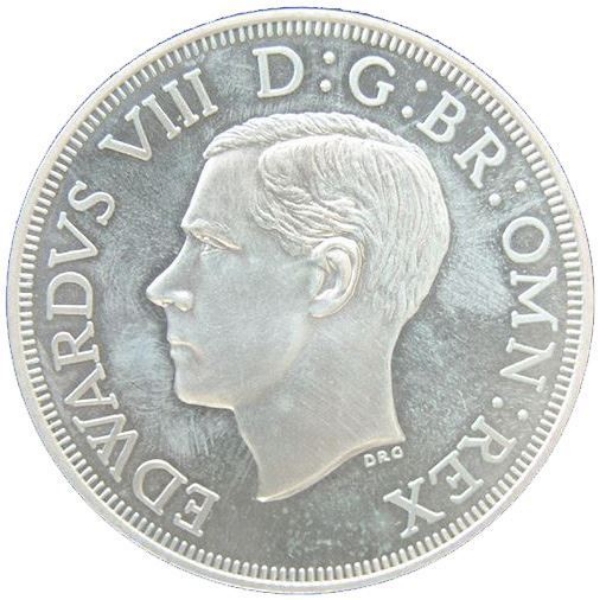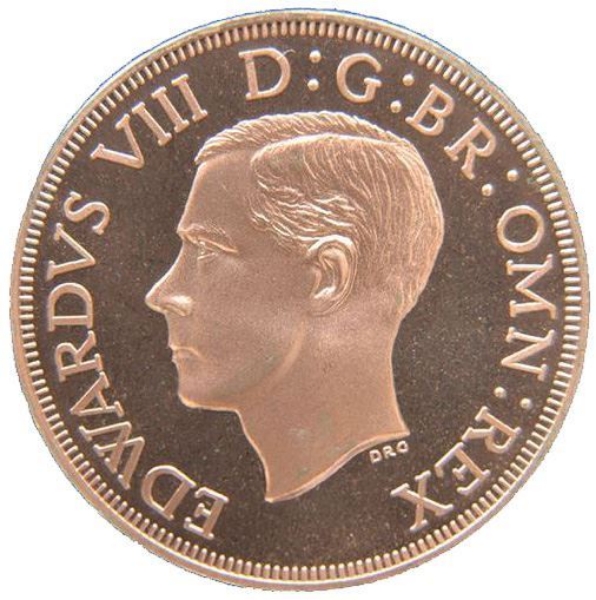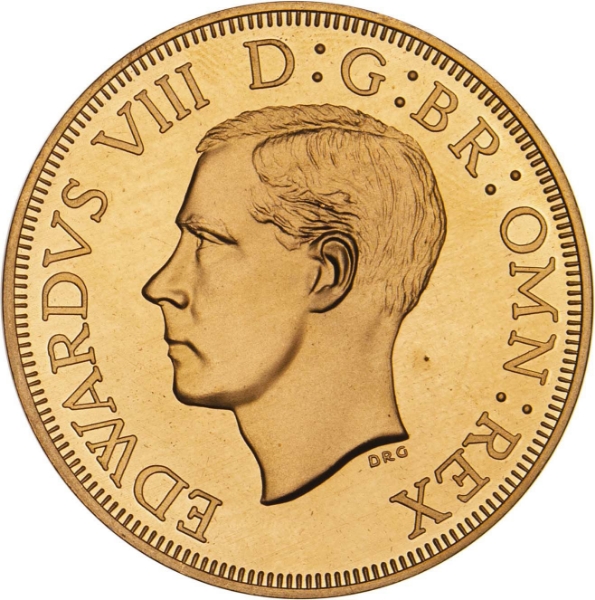
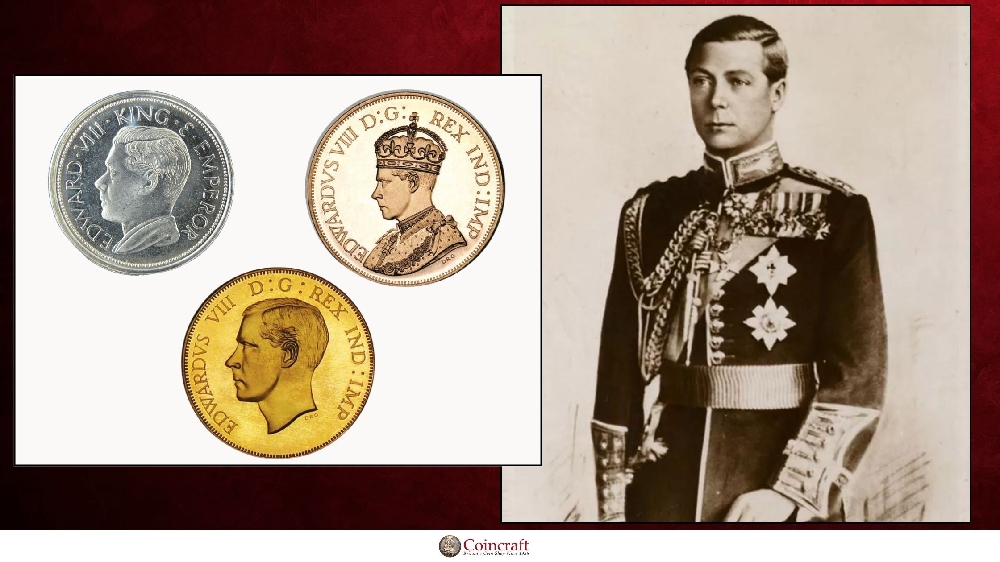
Portrait of Edward VIII: Wikipedia
The King Who Never Was: The Mystery of Edward VIII’s 1936 Coinage
The abdication of King Edward VIII on December 11, 1936, remains one of the most disruptive constitutional crises in the modern history of the British monarchy [1]. Forced to choose between the crown and his love for the twice-divorced American socialite Wallis Simpson, the charismatic young king walked away from his birthright after a reign of just 326 days [2].
While the political fallout altered the course of the House of Windsor forever, it also triggered a quiet, frantic crisis within the walls of the Royal Mint. Because Edward abdicated before his formal coronation—scheduled for May 1937—no coins bearing his portrait were ever released into public circulation within the United Kingdom [3]. What remained was a phantom currency: a series of ultra-rare "pattern" coins, designed in secret, locked in safe-deposit boxes for decades, and today regarded as some of the most valuable and mysterious numismatic treasures in existence [2].
Key Takeaways
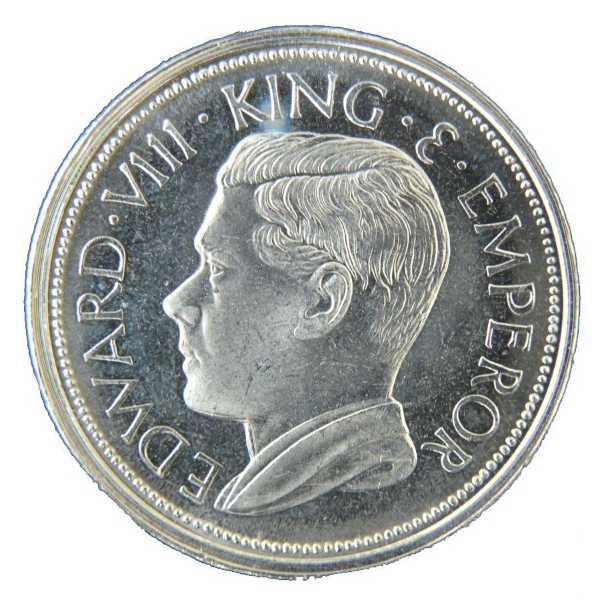
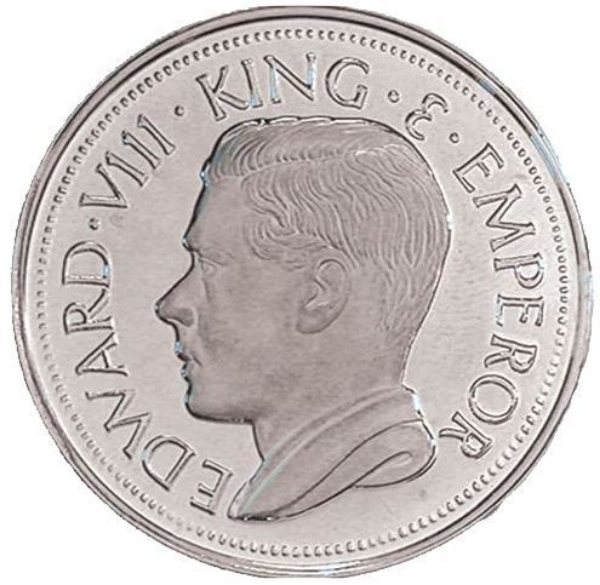
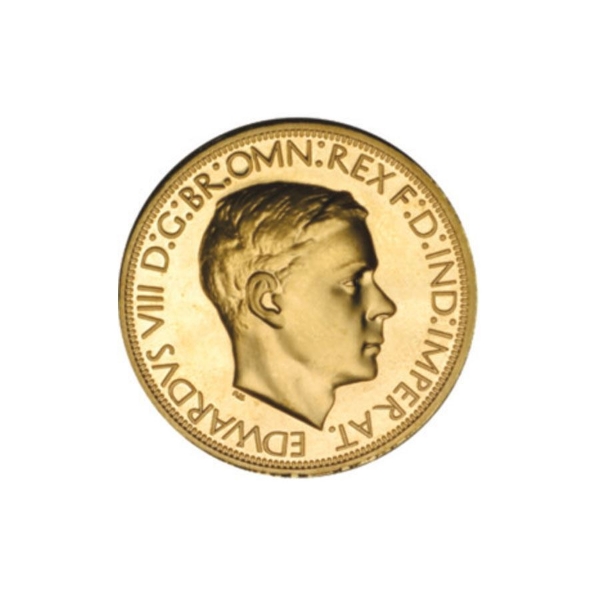
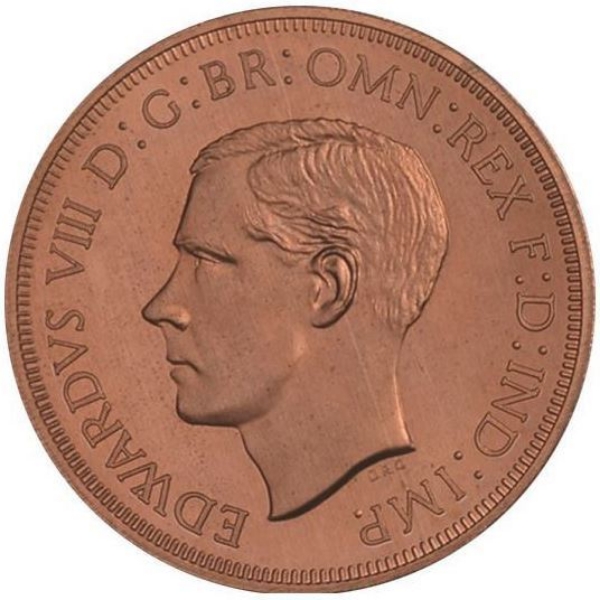
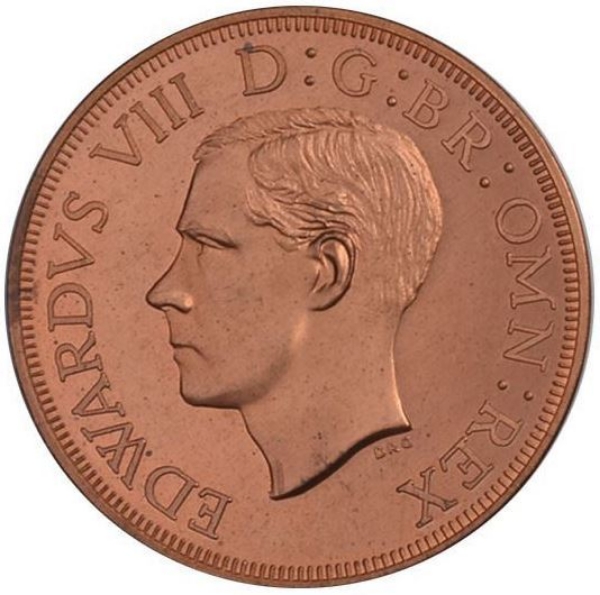
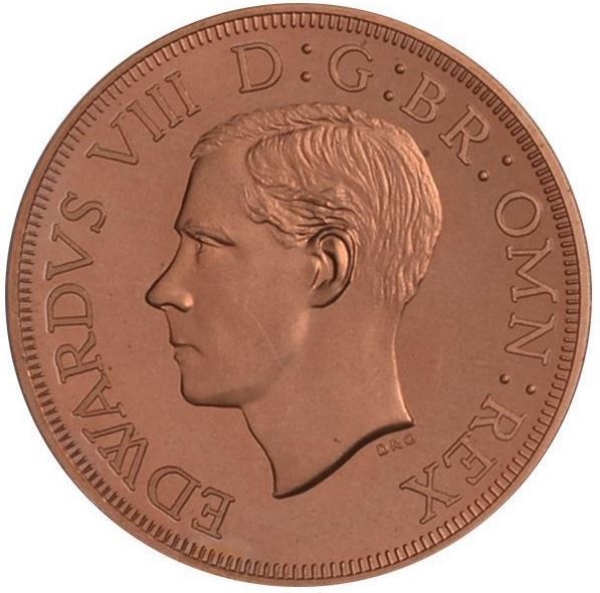
The Rebel King's Vanity: Edward VIII famously broke a 300-year-old numismatic tradition by insisting his portrait face left—matching his father's—simply because he preferred his left profile and his dashing side parting [2, 4].
The "Coinage That Never Was": While official striking was slated to begin on January 1, 1937, the sudden December 1936 abdication forced the Royal Mint to destroy more than 200 completed dies, patterns, and tools [2, 3].
The Secret Locked Box: The existence of these pattern coins was kept so secret that even within the Royal Mint, they remained a myth until a sealed cardboard box was discovered in a safe in 1970 [3].
Multimillion-Dollar Rarities: Today, only six complete sets of Edward VIII's British pattern coinage are known to exist. When individual pieces occasionally escape into the public market, they command record-breaking seven-figure prices at auction [2, 3].
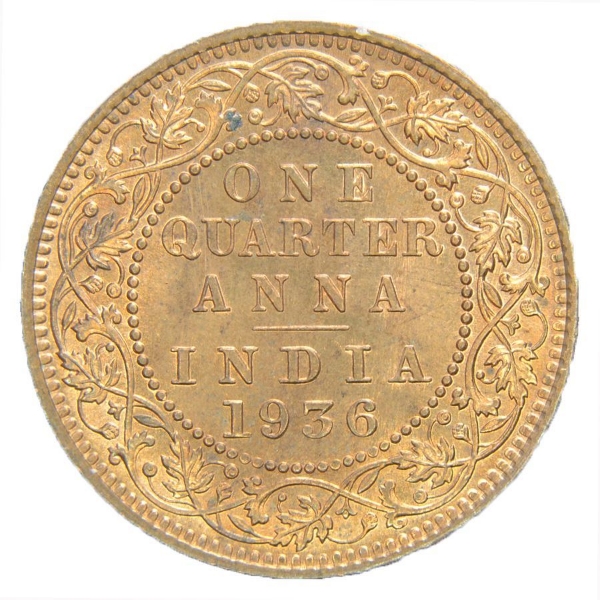
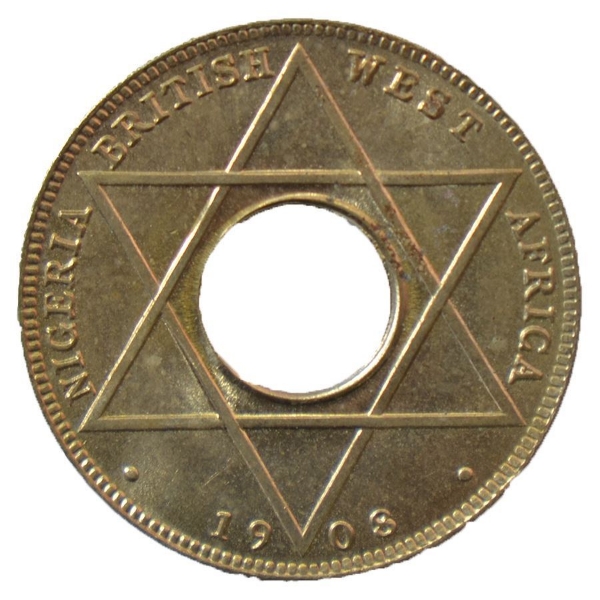
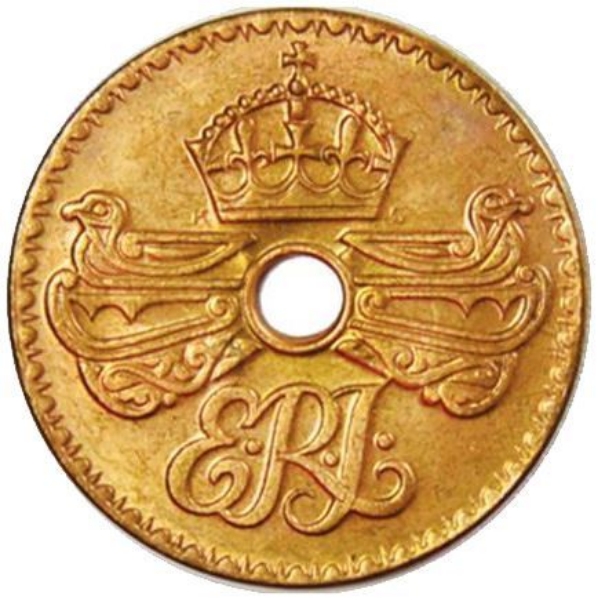
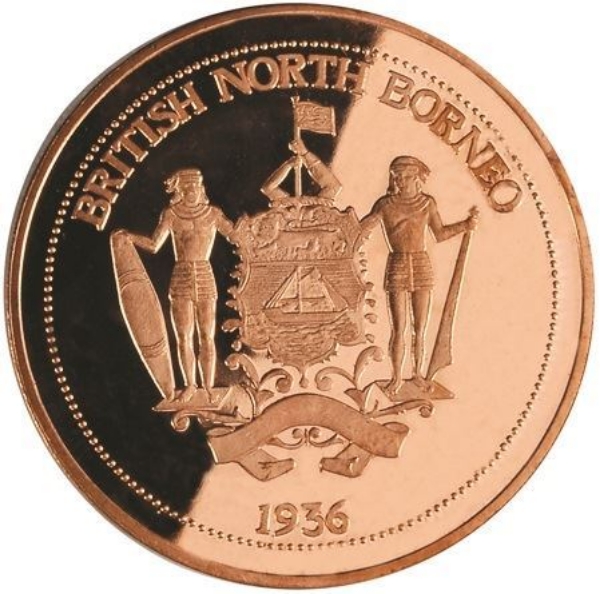
The Colonial Exception: Though no portrait coins circulated in Britain, several British colonies issued coins bearing Edward VIII's name in 1936. However, because these coins featured central holes, none bore his actual likeness [2].
Key Facts
Category | Details |
|---|---|
Monarch | King Edward VIII (later Duke of Windsor) |
Reign | January 20, 1936 – December 11, 1936 [1] |
Proposed Coronation Date | May 12, 1937 [1, 2] |
Coin Portrait Designer | Thomas Humphrey Paget (Obverse) [2, 4] |
Effigy Facing Direction | Left (breaking alternating pattern tradition) [4, 5] |
Total UK Dies Destroyed | Over 200 dies, medals, and seals [2] |
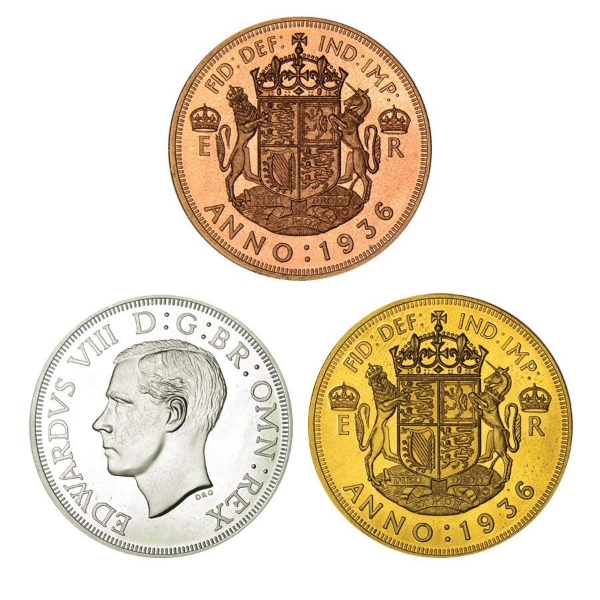
Complete Pattern Sets Struck | 6 sets total (from Five Pounds to Farthing) [2] |
Highest Auction Realization | $2,280,000 USD (£1,720,567.80) (for the Gold £5 Pattern in 2021) [2] |
Circulating "Edward" Coinage | British West Africa, East Africa, Fiji, New Guinea (no portraits) [2] |
The Sovereign Who Demanded His Best Side
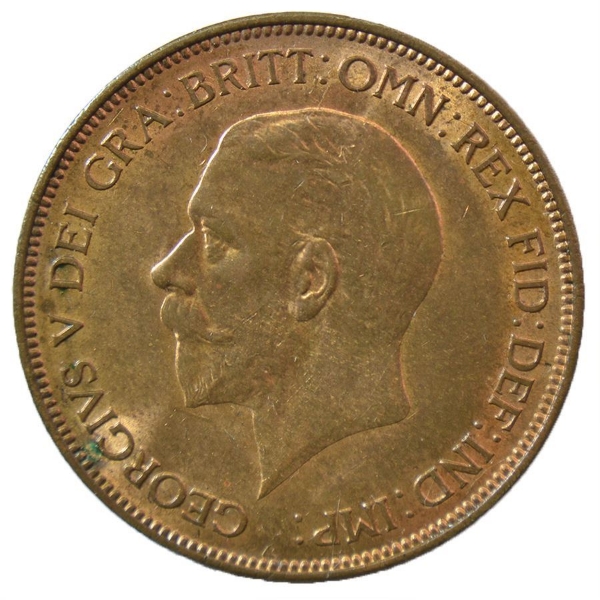
Since the restoration of the monarchy under King Charles II in 1660, a strict, unwritten rule governed the design of British coins: each successive monarch's portrait must face the opposite direction of their predecessor [4, 5]. This alternating visual pattern helped distinguish different reigns at a glance.
Because Edward's father, King George V, had faced to the left, tradition dictated that the coinage of Edward VIII must show him facing right [2]. However, the young king was famously modern, stubborn, and deeply vain [4]. When he sat for the distinguished engraver Thomas Humphrey Paget on April 28, 1936, the King turned his head to present his left profile [2]. He argued that his left side was his "better side" and that a left-facing portrait was necessary to capture his stylish, swept-back hair and signature side parting [2, 4].
The Royal Mint Advisory Committee was horrified. They pleaded with the King to respect centuries of royal precedent, but Edward was unyielding [4]. The Mint eventually conceded, hoping the public would accept the anomaly.
This act of defiance created a bizarre chain reaction. When Edward abdicated and his younger brother ascended the throne as King George VI, the Royal Mint faced a dilemma. To restore the correct alternating cycle, George VI’s portrait was struck facing left [5]. The Mint operated under the official fiction that Edward should have faced right, thus treating George VI's left-facing posture as the natural progression [4, 5]. Consequently, three consecutive British kings—George V, Edward VIII (on patterns), and George VI—all faced left [4].
The Crisis and the Destruction of the Dies
Throughout the summer and autumn of 1936, artists and engravers worked at a feverish pace. Beyond Paget’s obverse portrait, artists like G. Kruger Gray prepared stunning new designs for the reverse of the coins [2]. Among the most revolutionary was a proposed brass, twelve-sided (dodecagonal) three-pence coin—a radical departure from the tiny, easily lost silver threepence of the past [1].
By early December, the heavy machinery at the Royal Mint stood ready. The official production run was scheduled to commence on New Year's Day, January 1, 1937 [2]. Over 200 dies for British, imperial, and commemorative coins, medals, and seals had been fabricated [2].
Then came the abdication broadcast.
Instantly, the massive preparation work became obsolete. The Royal Mint was ordered to halt all operations. In the interests of political stability and avoiding public embarrassment to the new King George VI, instructions were given to quietly destroy the dies [2]. The vast majority of the newly minted patterns, metal trial pieces, and proof strikings were melted down [3]. The monumental effort was erased from official history almost overnight.
The Mystery of the Locked Box
For years after the abdication, rumors swirled within the numismatic community that a tiny handful of trial coins had survived the furnace [3]. Yet, the British government and the Royal Mint maintained strict radio silence. The existence of any physical Edward VIII British coinage was treated as a highly sensitive state secret [3].
The truth did not emerge until 1970 [3]. Upon the retirement of Sir Jack James, who served as Deputy Master of the Royal Mint from 1957 to 1970, a thorough audit of his office safe was conducted [3]. Tucked away in a dark corner was a nondescript, sealed cardboard box [3].
When opened, the box was found to contain 49 perfectly preserved pattern coins of Edward VIII [3]. Sir Jack James had kept them hidden to protect them from destruction, saving an invaluable piece of British heritage. On November 5, 1970, these specimens were formally transferred to the Royal Mint Museum, where they remain the crown jewel of the collection [3].
Historical records now confirm that the Mint originally struck exactly six complete sets of these pattern coins (spanning from the gold Five-Pound piece down to the humble bronze Farthing) [2]. Their distribution remains tightly controlled:
Three sets reside in the Royal Mint Museum (with individual pieces occasionally loaned to institutions like the British Museum) [2, 3].
One set is held in the Royal Collection, belonging directly to King Charles III [2].
One set is housed within the privately held "Tyrant Collection" in the United States, the largest private coin collection in the world [2].
The sixth set was broken up, with individual coins leaking into private hands over the decades under mysterious, undocumented circumstances [2].
Astronomical Values on the Modern Auction Block
Because only a tiny handful of these coins exist in private hands, their appearances at public auction are generational events that attract the world's wealthiest collectors.
In 2014, a single gold Edward VIII Sovereign pattern crossed the block at Baldwin’s, selling for a staggering £516,000 [1]. Just seven years later, in January 2021, that same sovereign set a record for a British coin when it was acquired by a private collector through the Royal Mint's collector services for £1,000,000 [4].
Even more astounding was the sale of the gold Edward VIII Five-Pound coin [2]. In March 2021, the coin was put up for auction in Dallas, Texas, where it realized an unbelievable $2,280,000 USD (roughly £1.65 million at the time), making it one of the most expensive British coins ever sold [2].
The fascination continues into the present day. In May 2026, the prestigious London auction house Noonans put up an incredibly rare Edward VIII halfcrown—one of only two known to exist in private hands [2]. Passed down in a private collection for over 40 years, the coin was valued at £200,000 to £300,000, demonstrating that the sheer allure of the "King who never was" shows no signs of fading [2].
The Coins That Actually Circulated
While the British public never spent an Edward VIII coin, citizens in several far-flung corners of the British Empire did [2].
To keep commerce flowing across the colonies during 1936, the Mint produced millions of minor-denomination coins for territories such as British West Africa, East Africa, Fiji, and the Territory of New Guinea [2]. Because these local economies relied on low-value, holed coins designed to be strung on cords or kept in pockets without wallets, they did not feature a royal portrait [2].
Instead, they bore a central hole, surrounded by the royal cypher (such as ERI for Edwardus Rex Imperator) or the simple inscription EDWARDVS VIII REX IMPERATOR [2]. Today, these colonial pieces are relatively common, often selling for less than £20, serving as the only affordable way for average collectors to own a genuine piece of Edward VIII’s brief and stormy reign [1].
Frequently Asked Questions (FAQs)
Why does King George VI face left on British coins if his brother also faced left?
By tradition, monarchs alternate the way they face [4, 5]. Because George V faced left, Edward VIII was supposed to face right [2, 4]. Since Edward insisted on facing left, his coinage broke the pattern [4]. After he abdicated, the Royal Mint decided to design George VI's coins as if Edward's coinage had behaved traditionally (meaning they pretended Edward had faced right) [4, 5]. Therefore, George VI faced left, restoring the correct sequence going forward [4, 5].
Is it possible to find a genuine Edward VIII UK coin in normal pocket change?
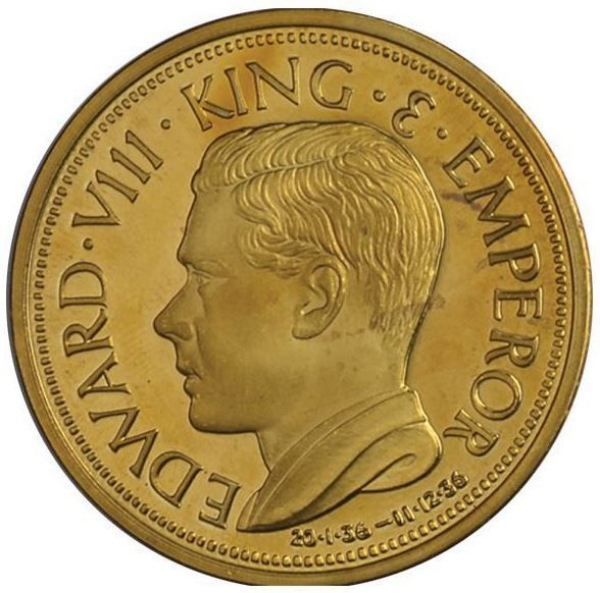
No. Absolutely no UK-denominated coins (pennies, shillings, crowns, sovereigns) featuring Edward VIII’s portrait were ever released to the public or passed through the legal Royal Proclamation process [2, 5]. Any coin found in pocket change with his face is a modern replica, a fantasy strike, or a promotional item [1]. The only genuine circulating Edward VIII coins are holed colonial issues from places like East Africa or Fiji [2].
What is a "pattern coin"?
A pattern coin is a prototype or trial piece struck by a mint to evaluate a proposed design, metal composition, or technical specification before official mass production begins [2]. They are never intended for circulation, making survivors extremely rare and highly prized by collectors [2].
Why did the Royal Mint hide the surviving coins in a cardboard box?
The abdication was a highly sensitive national trauma that threatened the stability of the British monarchy [1, 2]. To minimize public scandal and solidify the legitimacy of King George VI, any official imagery of Edward VIII was actively suppressed [3]. The coins were locked away to prevent political controversy and were only uncovered decades later when the political climate had cooled [3].
Bibliography
The Royal Mint Museum. (n.d.). The Coins of Edward VIII. Llantrisant: Royal Mint Museum Treasury.
Spink & Son. (2020). Design for the Coinage that Never Happened. London: Spink Numismatics.
Noonans Mayfair. (2026). Rare Edward VIII Coin That Was Never Issued Is Expected to Fetch Up to £300,000 at Noonans. London: Noonans Auctioneers.
The Royal Mint. (n.d.). Coinage Portrait Tradition. Llantrisant: The Royal Mint Ltd.
The Royal Mint. (n.d.). Breaking with Tradition – The Edward VIII Sovereign. Llantrisant: Royal Mint Collector Services.
Royal Collection Trust. (n.d.). Edward VIII Pattern Sovereign, 1937. London: Royal Collection Trust.