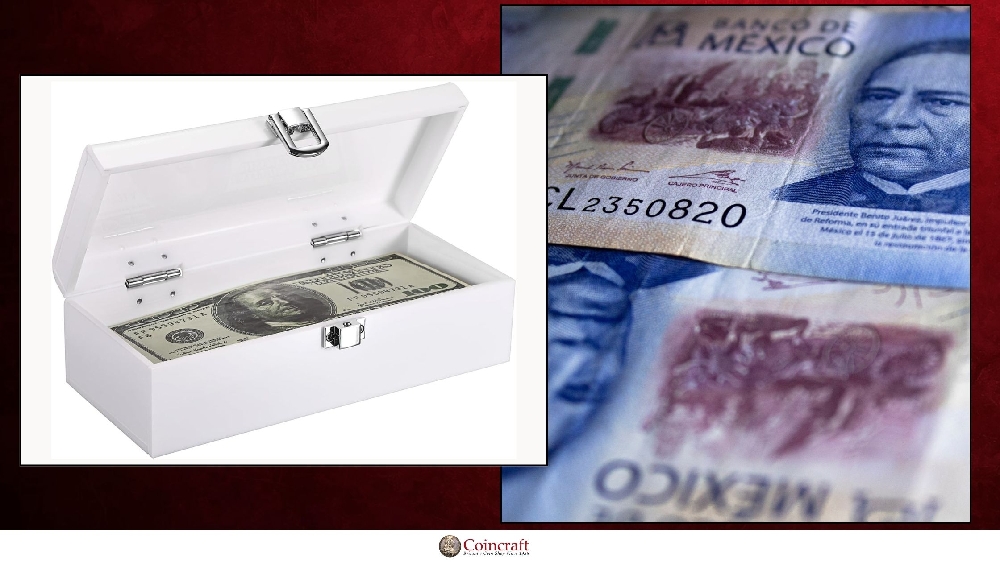
Defeating the Elements: How to Safely Store and Display Vintage Banknotes
For paper currency collectors, the joy of acquiring a rare, historically significant banknote is often accompanied by an immediate sense of anxiety. Unlike metal coins, which possess a degree of natural resilience, paper money is extraordinarily fragile. Composed primarily of organic materials like cotton, linen, and wood pulp, vintage banknotes are highly vulnerable to the environment around them. Left unprotected, a pristine note can quickly succumb to fading, yellowing, mold, or structural disintegration.
Preserving these delicate artifacts requires an understanding of material science, archival standards, and environmental control. This guide decodes the physical threats to vintage banknotes and outlines the definitive strategies collectors must employ to defeat the elements and safeguard their investments for generations to come.
Key Facts
Preservation Factor | Ideal Range / Material Standard |
|---|---|
Ideal Temperature | 15°C to 20°C (59°F to 68°F) |
Ideal Relative Humidity (RH) | 35% to 50% (Constant and stable) |
UV Protection Level | 99% UV-filtering glass or acrylic |
Primary Plastic Standard | Unplasticized Mylar (Dacron) / Melinex (PET) |
Forbidden Chemical | Polyvinyl Chloride (PVC) / Acidic wood adhesives |
Handling Method | Powder-free nitrile gloves or clean, thoroughly dried hands |
Ultimate Physical Defense | Third-party professional grading encapsulation (e.g., PMG) |
Key Takeaways
Avoid the PVC Poison: Never store banknotes in cheap plastic sleeves or photo albums containing Polyvinyl Chloride (PVC). The chemical plasticizers will off-gas, permanently turning the banknote paper yellow, translucent, and oily.
Stability Over Extremes: When managing temperature and humidity, environmental stability is far more critical than achieving a perfect, sterile number. Rapid fluctuations cause paper fibers to repeatedly expand and contract, leading to warping and splitting.
The Fallacy of White Cotton Gloves: Modern archivist standards now favor powder-free nitrile gloves or simply clean, dry hands over traditional white cotton gloves. Cotton fibers reduce tactile sensitivity and can snag on fragile corners or transfer tiny, microscopic threads to the paper.
Display is a Sacrifice: Any exposure to light—even indirect room lighting or LED bulbs—causes cumulative, irreversible photolytic damage to historical inks. If a banknote must be displayed, utilize museum-grade UV protection, keep display times short, or use a high-resolution facsimile instead.
Understanding the Enemy: The Four Environmental Killers
To effectively protect a collection, a numismatist must first understand the chemical and physical processes that degrade paper money (Library of Congress, 2020).
┌────────────────────────────────────────────────────────────────────────┐
│                        THE DESTRUCTIVE ELEMENTS                        │
├─────────────────┬──────────────────┬──────────────────┬────────────────┤
│    HUMIDITY     │      LIGHT       │   TEMPERATURE    │   CHEMICALS    │
│  (35% - 50% RH) │ (UV & Infrared)  │  (15°C - 20°C)   │ (Acid/Plastics)│
├─────────────────┼──────────────────┼──────────────────┼────────────────┤
│ Caused by wet   │ Causes chemical  │ Accelerates all  │ PVC sleeves    │
│ air. Leads to   │ photolysis.      │ chemical decay.  │ and wood glue  │
│ mold, mildew,   │ Fades ink and    │ Causes brittle   │ eat away at    │
│ and foxing.     │ yellows paper.   │ organic fibers.  │ cotton fibers. │
└─────────────────┴──────────────────┴──────────────────┴────────────────┘
1. Humidity and Moisture
Moisture is arguably the most aggressive threat to paper. If relative humidity (RH) rises above 60%, the moisture in the air creates an ideal breeding ground for mold and mildew (Northeast Document Conservation Center, 2021). These fungal spores digest the organic fibers of the banknote, leaving behind unsightly brown or red-orange stains known to collectors as "foxing."
Conversely, if the air is too dry (below 30% RH), paper fibers lose their natural pliability and become brittle, making them highly susceptible to cracking and tearing during handling.
2. Light (Photolytic Damage)
Light damage is cumulative, irreversible, and aggressive. Both natural sunlight and artificial light sources emit ultraviolet (UV) radiation and infrared (IR) heat. When photons strike the surface of a banknote, they initiate a chemical process called photolysis. This breaks the molecular bonds of the organic dyes and inks, causing the vibrant colors of the note to fade. Simultaneously, UV light breaks down the cellulose chains in the paper, causing the white background of the note to turn a dull, brittle yellow.
3. Temperature
High temperatures act as a catalyst, dramatically accelerating the rate of natural chemical decomposition. For every increase of 10°C (18°F), the rate of destructive chemical reactions within paper fibers roughly doubles (Northeast Document Conservation Center, 2021).
Furthermore, storing banknotes in areas prone to extreme heat and cold cycles—such as uninsulated attics, damp basements, or exterior walls—forces the paper to continuously expand and contract. This eventually warps the paper and causes microscopic tears in the fiber network.
4. Chemical Acidification and Migration
Many early paper manufacturing processes from the mid-19th to the mid-20th centuries relied on wood pulp treated with alum-rosin sizing. This chemical sizing agent produces sulfuric acid when exposed to atmospheric moisture, causing the paper to slowly destroy itself from the inside out over time (National Archives, 2022).
This natural acidity is further compounded by "acid migration"—the physical transfer of acids from surrounding storage materials (such as cheap cardboard, wood-based paper envelopes, or acidic adhesives) directly into the banknote.
Material Science: Choosing Safe Storage
When housing loose banknotes, selecting the correct storage medium is the single most important decision a collector will make.
                          STORAGE PLASTIC SAFETY
┌────────────────────────────────────────────────────────────────────────┐
│  ❌ POLYVINYL CHLORIDE (PVC):                                           │
│     Contains volatile plasticizers. Sticky, oily, turns paper yellow.  │
├────────────────────────────────────────────────────────────────────────┤
│  ⚠️ POLYETHYLENE / POLYPROPYLENE:                                      │
│     Moderately safe. Good for budget storage, but lacks rigidity.      │
├────────────────────────────────────────────────────────────────────────┤
│  ✅ MYLAR / MELINEX (PET):                                             │
│     Archival gold standard. 100% inert, structurally rigid, clear.     │
└────────────────────────────────────────────────────────────────────────┘
The Menace of PVC
Many entry-level collector albums and cheap clear sleeves are manufactured using Polyvinyl Chloride (PVC). To make PVC flexible and soft, manufacturers mix in chemical additives known as phthalates or plasticizers. Over time, these plasticizers migrate to the surface of the plastic and volatilize (off-gas). This leaves a sticky, chemical residue on the paper, altering the ink composition, turning the note translucent, and destroying its historical and financial value (Paper Money Guaranty, 2024).
The Archival Gold Standard: Mylar and Melinex
For long-term storage, archivists universally recommend biaxially-oriented polyethylene terephthalate (BoPET), commonly known by the brand names Mylar or Melinex (National Archives, 2022).
Unlike PVC, Mylar is completely inert, containing no plasticizers or volatile chemicals. It does not off-gas, degrade, or react with paper inks. Furthermore, Mylar sleeves are naturally rigid, providing excellent structural support that prevents the banknote from bending or creasing when handled.
When shopping for sleeves, collectors should look for products certified as "archival quality," "acid-free," and explicitly stated to be "PVC-free."
Professional Grading: The Ultimate Sealed Defense
For valuable banknotes, third-party grading services like Paper Money Guaranty (PMG) or PCGS Banknote Grading offer the absolute highest tier of physical preservation.
Professional grading companies thoroughly evaluate the authenticity and condition of a banknote before heat-sealing (slabbing) it inside a custom-engineered, heavy-gauge, inert polymer holder (Paper Money Guaranty, 2024). This capsule acts as a rigid, airtight shield, protecting the note from physical folding, dust, atmospheric pollutants, and finger oils.
While graded holders do not block 100% of UV light, they offer unparalleled protection against almost all physical and environmental hazards.
Safe Display and Framing Practices
Many collectors wish to display their prized banknotes on office walls or in home display cases. While displaying paper currency is visually rewarding, doing so without strict precautions is a recipe for destruction.
If you must frame and display a vintage banknote, follow these museum-grade rules (Library of Congress, 2020):
UV-Filtering Glazing: Standard window glass or cheap acrylic sheets offer zero protection against UV radiation. Always invest in museum-grade glass or conservation acrylic that blocks at least 99% of UV rays.
Acid-Free Matting: Never let the banknote come into contact with the wood frame or standard cardboard backing. Use only 100% cotton-rag, acid-free mat board (museum board). The mat board should act as a spacer, ensuring the physical surface of the banknote does not touch the glass, which can trap micro-condensation.
Reversible Mounting: Never use glues, dry-mounting tissues, or standard adhesive tapes to secure the note. Instead, use archival polyester corner pockets (Mylar corners) to hold the note in place. This ensures the mounting process is 100% reversible and does not damage the paper.
Facsimile Alternative: For highly valuable or extremely rare notes, the safest display practice is to have a professional high-resolution scan printed on premium cotton paper. Display the copy on the wall, and keep the original safe and sound in a dark, climate-controlled vault.
Frequently Asked Questions (FAQs)
Can I clean a dirty or stained banknote to make it look better?
No. You should never attempt to wash, bleach, or chemically clean a vintage banknote. Attempting to wash a note with water or solvents will dissolve the original paper sizing, fade the water-soluble inks, and ruin the crispness of the paper fibers. Collectors and grading services can easily spot cleaned notes, and doing so will instantly slash the coin or banknote's value by 50% to 80%.
Should I iron out the creases on a folded banknote?
Absolutely not. Applying heat from a household iron to a crumpled or creased banknote will scorch the organic cellulose fibers, dry out the paper, and chemically alter the inks. Furthermore, professional graders use microscopic analysis to easily detect "pressed" or ironed notes, which are labeled as damaged or altered, ruining their resale value.
Are wooden storage boxes safe for holding banknote albums?
Only if the wood is treated or sealed correctly. Natural hardwoods, especially oak and cedar, naturally release acidic vapors (specifically acetic acid) as they age. If you store your albums inside an unlined wooden chest or drawer, these vapors can penetrate the plastic sleeves and yellow your banknotes. If using a wooden storage container, ensure it has been sealed with an inert water-based polyurethane finish or line the interior with acid-free barriers.
How do I safely handle a banknote without damaging it?
Historically, collectors were told to wear white cotton gloves. Today, paper conservators prefer handling notes with bare hands that have been thoroughly washed with non-perfumed soap and dried completely, or by using powder-free nitrile gloves. Cotton gloves reduce tactile sensation, making it more likely that you will accidentally bend, crease, or drop the banknote.
Bibliography
Library of Congress. (2020). Care, Handling, and Storage of Works on Paper. Preservation Directorate Resources. Available at: https://www.loc.gov/preservation/care/paper.html
National Archives and Records Administration. (2022). Archival Storage Standards for Paper-Based Documents. NARA Technical Guidelines. Washington, D.C.
Northeast Document Conservation Center (NEDCC). (2021). Temperature, Relative Humidity, and Light: Environmental Guidelines for Preservation. Technical Leaflets: Section 2. Available at: https://www.nedcc.org/free-resources/preservation-leaflets/2.-the-environment/2.1-temperature-and-humidity
Paper Money Guaranty (PMG). (2024). The PMG Holder: Advanced Protection for Valuable Banknotes. PMG Collector Resources. Available at: https://www.pmgnotes.com/news/article/12543/pmg-holder-protection/
Soderglen, R. T. (2018). The Numismatist's Guide to Material Preservation: Understanding PVC, Mylar, and Polypropylene. New York: Academic Numismatic Press.