Why Are Ancient Roman Coins So Cheap? The Reality of Hoards and History
It is a common assumption that anything older than a few centuries must be incredibly rare and, consequently, exorbitantly expensive. When beginners to historical collecting discover that they can purchase an authentic, 1,600-year-old Roman coin for the price of a cup of coffee, they are often met with disbelief. How can a tangible piece of the mighty Roman Empire—held by citizens, soldiers, and merchants millennia ago—cost around or less than £10?
The answer lies not in modern counterfeiting, but in the fascinating realities of Roman economics, imperial military logistics, and the widespread historical phenomenon of hoarding during times of profound crisis.
Key Facts
Production Era: Ancient Roman coinage spans from the Roman Republic (c. 3rd century BC) to the fall of the Western Roman Empire (476 AD), with the Byzantine era extending centuries further.
Common Metals: Copper, bronze, brass (orichalcum), and billon (heavily debased silver).
Entry-Level Price: Common late-Roman bronze coins in fair condition can frequently be purchased for £5 to £15.
Primary Source: Millions of coins are found via "hoards," primarily unearthed by metal detectorists and archaeologists in the UK, France, and the Balkans.
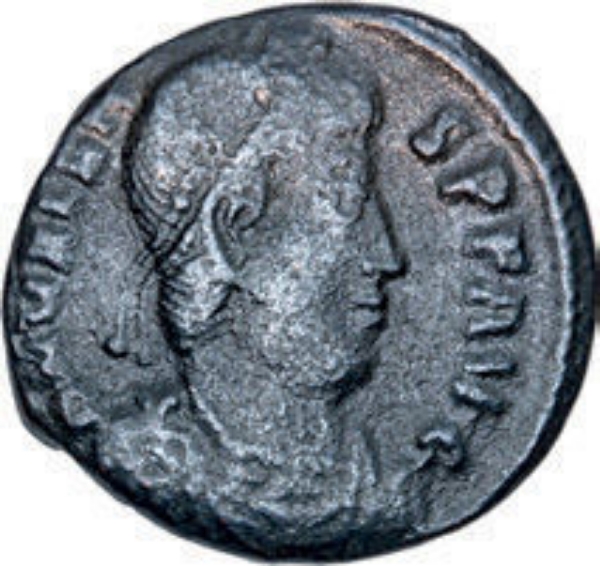
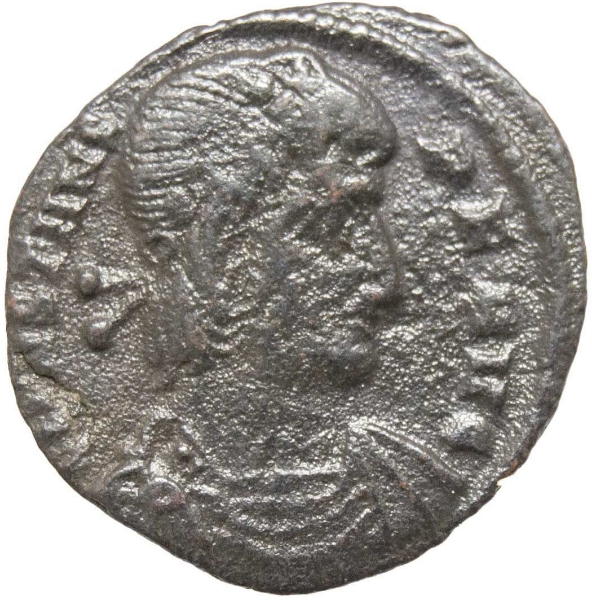
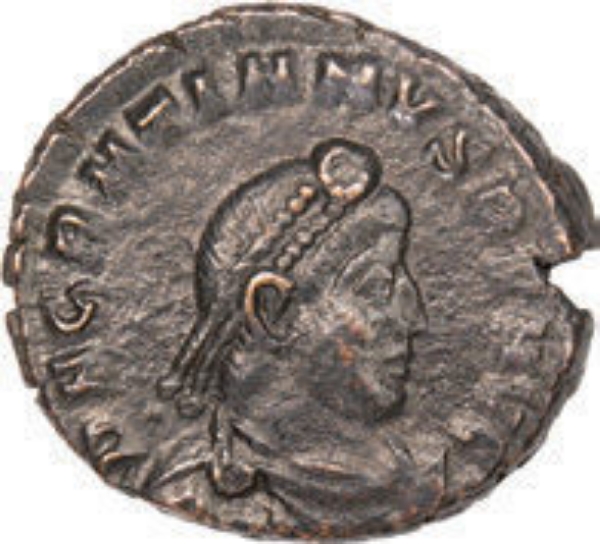
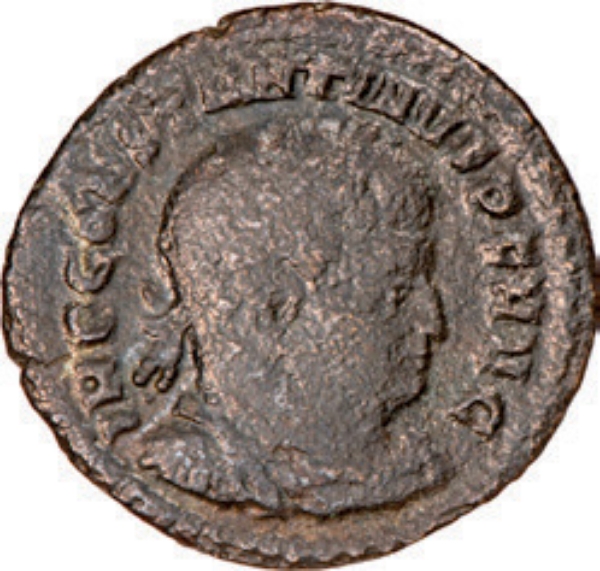
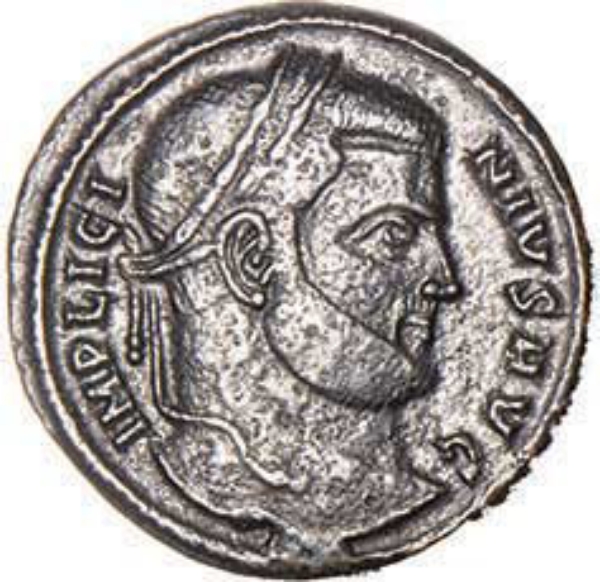
Most Common Emperors: Coins depicting Constantine the Great, Licinius, Valens, and Constantius II are among the most abundantly available on the market.
Key Takeaways
Mass Production for the Military: The Roman economy was driven by the need to pay its massive standing army. The empire struck hundreds of millions—if not billions—of coins over several centuries to meet this financial burden.
The Banking System of Antiquity: Without reliable banking systems, burying money in the ground (hoarding) was the standard method for protecting wealth. Many owners died or fled, leaving millions of coins buried until modern times.
The Debasement of Currency: Rampant inflation during the Crisis of the Third Century led Rome to produce incredibly cheap, low-quality bronze coins that survive in massive quantities today.
Condition Dictates Value: While millions of low-grade, highly worn bronze coins are practically worthless in a monetary sense, high-quality, uncirculated silver or gold Roman coins still command thousands or millions of dollars at auction.
The Imperial Minting Machine
To understand the affordability of Roman coins, one must first grasp the sheer scale of the Roman Empire. At its peak, the empire spanned from the damp moors of Britain to the scorching deserts of Egypt, encompassing an estimated 50 to 90 million inhabitants [1].
Unlike modern economies heavily reliant on digital credit and paper fiat, the Roman economy was entirely cash-based. The primary driver of this economy was the Roman military. The empire maintained a standing army of roughly 300,000 to 500,000 legionaries and auxiliaries. These soldiers expected to be paid regularly in coin. To meet this immense payroll, imperial mints located in cities like Rome, Trier, Antioch, and Alexandria worked tirelessly, churning out coins by the millions [2].
When an emperor took the throne, his immediate priority was to mint coins bearing his portrait. In an era without mass media, coinage was the primary vehicle for imperial propaganda, broadcasting the new ruler's face, titles, and supposed virtues to the furthest corners of the provinces. Consequently, the volume of coinage produced over the 500-year lifespan of the empire was virtually unquantifiable, flooding Europe and the Mediterranean with metallic currency.
The Phenomenon of Coin Hoards
The single biggest reason Roman coins are cheap today is the way they enter the modern market: through hoards.
In the ancient world, there were no insured savings accounts or digital safety deposit boxes. If a Roman citizen wanted to protect their life savings from thieves, invading armies, or tax collectors, the safest option was to place the money in a ceramic pot and bury it in the ground. The intention was always to return and dig it up when the danger had passed.
However, the Roman world was incredibly dangerous. Plagues, civil wars, and barbarian incursions meant that countless individuals never returned to reclaim their hidden wealth [3]. These buried pots sat undisturbed for centuries.
Today, especially with the advent of modern metal detecting in places like the United Kingdom and Eastern Europe, these hoards are discovered with astonishing frequency. Some hoards contain truly staggering numbers of coins. For example, the Cunetio Hoard, discovered in Britain in 1978, contained over 54,000 coins. The Frome Hoard, found in 2010, contained 52,503 coins in a single ceramic vessel [3]. When a single farmer's field can yield 50,000 coins at once, the sheer laws of supply and demand dictate that the market value of those individual coins will plummet.
Inflation, Debasement, and the "Crisis of the Third Century"
Not all Roman coins are cheap. A gold aureus of Emperor Augustus or a silver denarius in pristine condition can cost thousands of dollars. The cheap coins that flood the market today mostly originate from the late 3rd and 4th centuries AD, a period marked by catastrophic economic collapse.
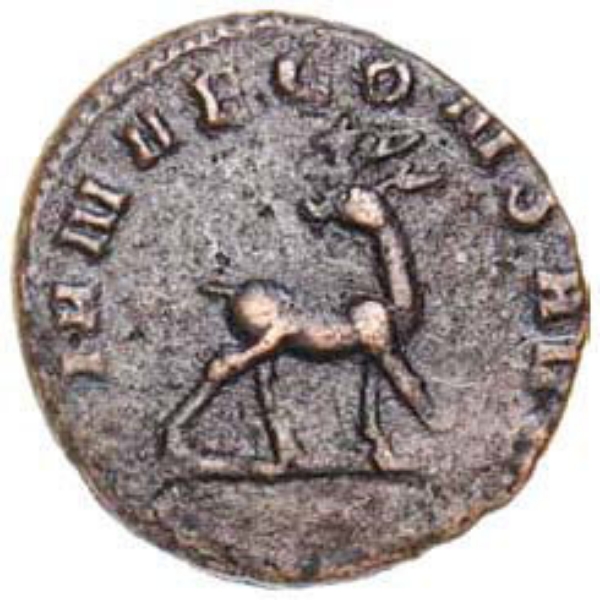
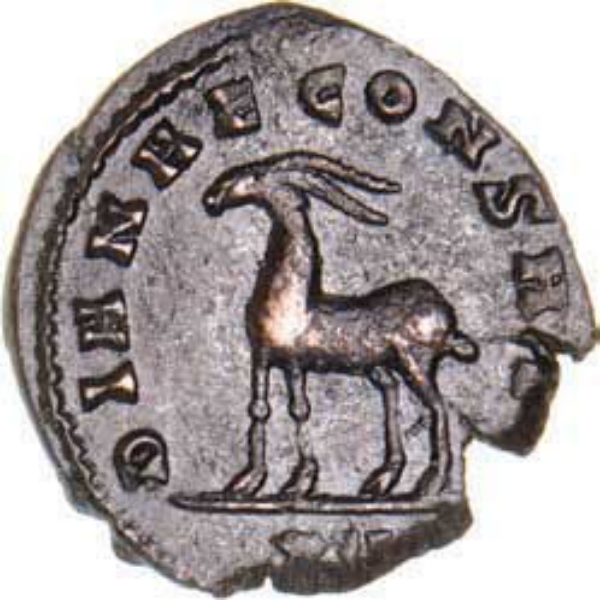
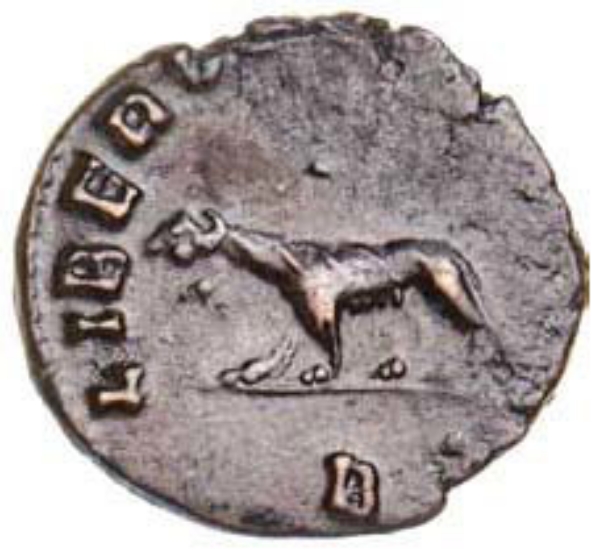
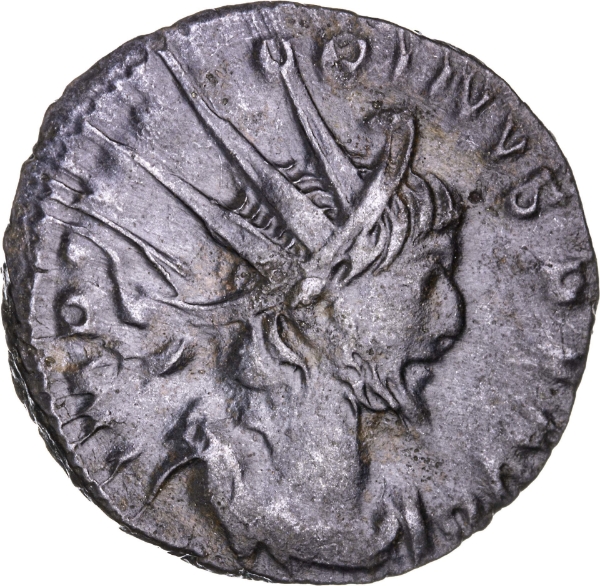
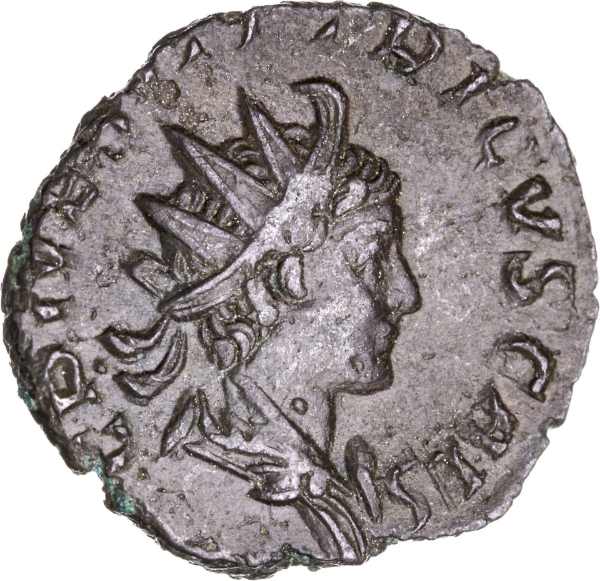
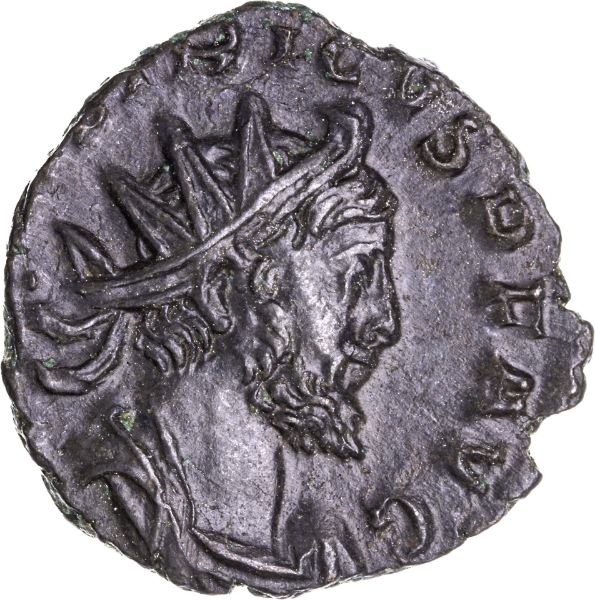
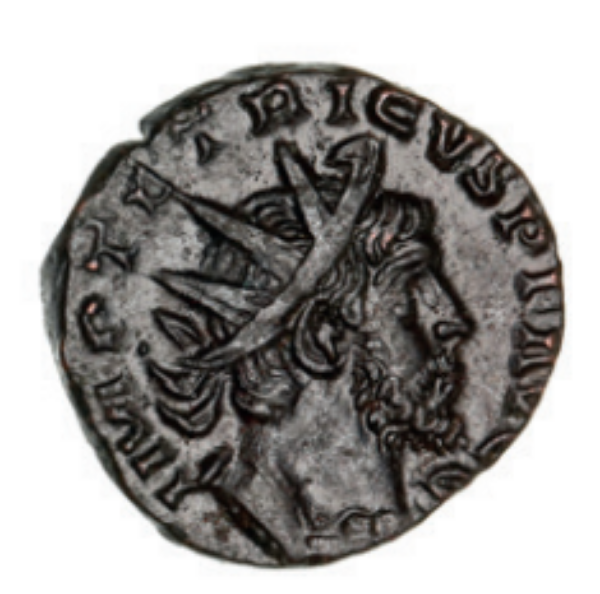
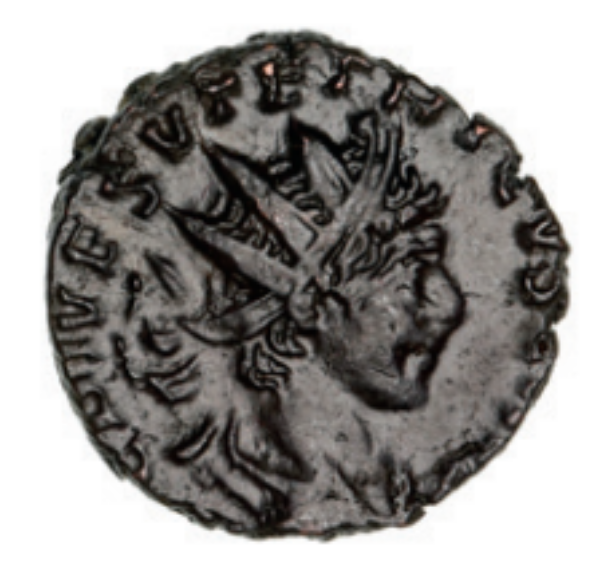
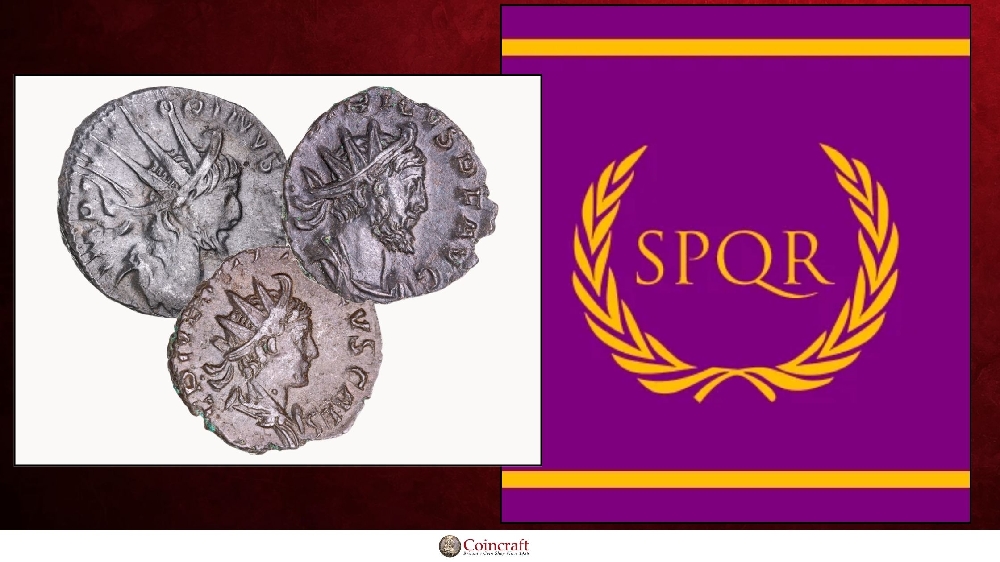
During the "Crisis of the Third Century," the Roman Empire nearly fractured under the weight of civil war, plague, and foreign invasion. To pay the military during these chaotic times, emperors continuously debased the currency. The antoninianus, originally a decent silver coin, was gradually reduced in purity until it was merely a bronze coin with a microscopic "wash" of silver on the outside, which quickly wore off in circulation [4].
By the time of Constantine the Great in the 4th century, inflation had ravaged the Roman economy. The government was producing millions of tiny, cheaply made bronze coins known as nummi. Because these coins had so little intrinsic value, citizens had to use them in massive handfuls or bags just to buy daily necessities [2]. It is precisely these cheap, mass-produced bronze coins from the late empire that make up the bulk of the $10 "bargain bin" coins sold to collectors today.
Condition, Rarity, and the Modern Numismatic Market
While ancient Roman coins are abundant, beautiful ancient Roman coins are not. The numismatic (coin collecting) market is driven heavily by condition.
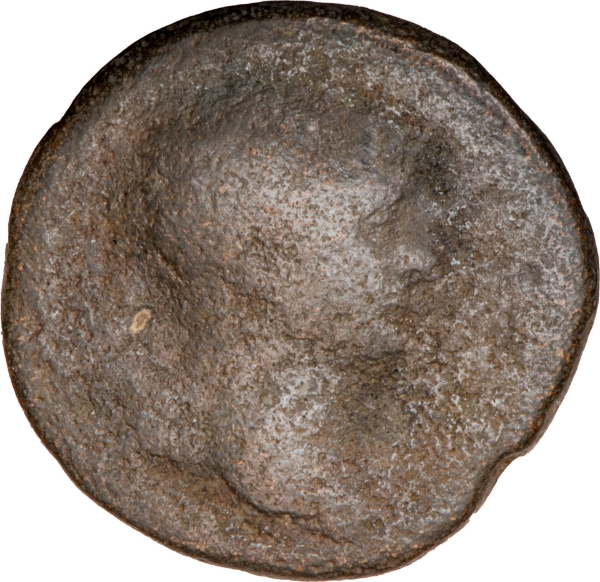
A bronze coin of Emperor Constantine that is heavily worn, corroded, and has an illegible inscription is viewed by collectors as essentially having no numismatic value; it is merely an interesting historical curio. These are often sold in bulk lots. Conversely, the exact same coin type that somehow survived in uncirculated condition, with a sharp portrait and clear lettering, might sell for $100 to $300 [4].
Furthermore, historical context dictates price. The "Eid Mar" denarius, famously minted by Brutus in 42 BC to celebrate the assassination of Julius Caesar, is phenomenally expensive (often fetching millions at auction) because it is incredibly rare and historically pivotal. But a bronze coin minted by Constantius II, an emperor who ruled a relatively stable empire and minted millions of identical coins, is incredibly common.
Conclusion
The affordability of ancient Roman coins is a testament to the astonishing industrial capacity of the ancient world. Rather than diminishing their historical value, their low financial cost democratizes history. It allows school teachers, young students, and casual history enthusiasts to hold a genuine piece of antiquity in the palm of their hand—a direct, tangible connection to an empire that shaped the foundations of the Western world.
Frequently Asked Questions (FAQs)
1. Are the cheap Roman coins sold online fake? While fake ancient coins certainly exist, counterfeits are usually reserved for rare, expensive silver or gold coins. It is simply not cost-effective for a forger to spend time and resources manufacturing a convincing fake of a worn, late-Roman bronze coin that only sells for $5. If you are buying a cheap, common bronze coin, it is almost certainly authentic.
2. Where are most of these coins found? The vast majority of cheap Roman coins enter the market from Europe, particularly the United Kingdom, France, Spain, and the Balkan states (such as Serbia and Bulgaria). They are largely found by amateur metal detectorists searching agricultural fields where Roman settlements or roads once existed.
3. What are "uncleaned" Roman coins? When hoards of bronze coins are dug up, they are often covered in centuries of hardened dirt and mineral encrustations. Dealers frequently sell these as "uncleaned lots" for a few dollars per coin. Buyers can purchase them and clean them at home using distilled water, olive oil, and soft picks—a process that is both fun and historically revealing, though it rarely yields coins of high monetary value.
4. Is it legal to own and buy ancient Roman coins? In most Western countries, including the United States, it is perfectly legal to buy, sell, and own ancient Roman coins. However, the excavation and export of these coins are governed by strict cultural heritage laws in their countries of origin. Reputable dealers ensure their stock complies with international import laws.
5. What is the best way to start collecting Roman coins? The best way to start is by learning. Rather than buying blindly, beginners should read introductory books or explore online databases like wildwinds.com. Purchasing a "Late Roman Bronze" (LRB) of a famous figure like Constantine the Great from a reputable, certified dealer (such as those affiliated with the VCoins network) is an excellent, low-risk starting point.
References
[1] Scheidel, W. (2007). Demography. In W. Scheidel, I. Morris, & R. Saller (Eds.), The Cambridge Economic History of the Greco-Roman World (pp. 38-86). Cambridge University Press.
[2] Howgego, C. (1995). Ancient History from Coins. Routledge.
[3] Bland, R. (2018). Coin Hoards and Hoarding in Roman Britain AD 43-c.498. British Numismatic Society.
[4] Sear, D. R. (2000). Roman Coins and Their Values: Volume 1 - The Republic and the Twelve Caesars. Spink & Son Ltd.