.jpg)
Picture Source of Sacagawea: Britannica
Introduction to Sacagawea
Sacagawea remains an enigmatic figure in American history, often overlooked despite her crucial contributions. Her story is one of resilience, courage, and intellect. Known primarily as the Shoshone woman who guided the Lewis and Clark Expedition, Sacagawea's impact extends far beyond this single role. As a translator, guide, and symbol of peace, she played a pivotal part in the success of one of America's most famous exploratory missions. Her life and legacy continue to inspire, providing insight into the role of Native American women in shaping the nation's history.
Her journey began long before she met Lewis and Clark. Born into the Lemhi Shoshone tribe, Sacagawea was abducted by the Hidatsa at a young age. This tumultuous early life shaped her into a resilient individual, capable of navigating both the natural world and the complexities of human relationships. Her ability to adapt to various environments and cultures would later prove invaluable during the expedition.
In addition to her role in the expedition, Sacagawea's story is a testament to the broader challenges faced by Native American communities during this era. Her life encapsulates the intersection of indigenous cultures and European settlers, highlighting both conflict and collaboration. Understanding Sacagawea is essential for a comprehensive grasp of American history and the diverse forces that have shaped it.
Early Life and Background
Sacagawea's early years were marked by upheaval. Born around 1788, she was a member of the Lemhi Shoshone tribe, located in present-day Idaho. Her childhood was typical of Shoshone children, involving learning survival skills and understanding the rhythms of nature. However, her life took a dramatic turn when she was captured by the Hidatsa tribe at around 12 years old during a raid.
The captivity introduced Sacagawea to a new world. Living among the Hidatsa in what is now North Dakota, she adapted to her new circumstances. This period of her life was critical in developing her linguistic skills, as she learned Hidatsa along with her native Shoshone. Later in her life, these language abilities would become instrumental during the Lewis and Clark Expedition.
Her marriage to Toussaint Charbonneau, a French-Canadian trapper, was another significant event in her early life. Charbonneau, who also lived with the Hidatsa, was much older than Sacagawea. Though the nature of their relationship is not well-documented, it was through this union that Sacagawea became involved with the Lewis and Clark Expedition. Her multilingual abilities and knowledge of the terrain made her an invaluable asset, setting the stage for her enduring legacy.
The Role of Sacagawea in the Lewis and Clark Expedition
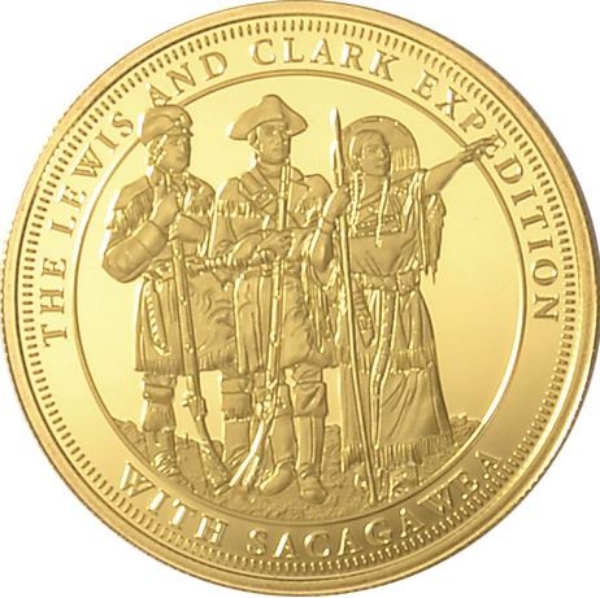
The Lewis and Clark Expedition, officially known as the Corps of Discovery Expedition, was a monumental venture commissioned by President Thomas Jefferson. Its primary goal was to explore the newly acquired western portion of the United States following the Louisiana Purchase. Sacagawea's involvement began when she was recruited as a translator and guide, alongside her husband, Charbonneau.
Sacagawea's role was multifaceted. As the expedition traversed uncharted territories, her knowledge of regional geography was crucial. She skilfully navigated the team through treacherous landscapes, identifying edible plants and negotiating safe passages. Her presence also proved to be a symbol of peace; the sight of a woman and her infant son reassured Native American tribes that the group was not a war party.
Moreover, Sacagawea's linguistic skills were indispensable. She facilitated communication between the expedition members and various Native American tribes, particularly the Shoshone. Her ability to broker negotiations was instrumental in securing horses and other essential resources, significantly contributing to the expedition's success. Her contributions were acknowledged by Meriwether Lewis and William Clark, who frequently praised her resourcefulness and bravery in their journals.
Significance of Sacagawea's Contributions
Sacagawea's contributions to the Lewis and Clark Expedition cannot be overstated. Her presence was a key factor in the expedition's success, providing guidance, translation, and diplomacy. Her knowledge of the land and its resources enabled the team to survive and thrive in challenging conditions. She was more than a guide; she was a bridge between cultures, facilitating understanding and cooperation.
The impact of Sacagawea's contributions extended beyond the immediate success of the expedition. By helping to open up the American West, she played a part in shaping the nation's expansion. Her efforts aided in mapping the region, establishing trade routes, and fostering relations with Native American tribes. Through her work, Sacagawea helped lay the groundwork for the future development of the western United States.
Her role also highlights the often-overlooked contributions of women in exploration and history. Sacagawea's achievements challenge the traditional narratives that have historically marginalized the roles of women and indigenous peoples. Her story serves as a powerful reminder of the diverse influences that have shaped American history and the importance of recognizing those contributions.
Sacagawea in American History and Culture
Sacagawea's legacy is woven into the fabric of American history and culture. Her story has been celebrated in various forms, from literature to currency, highlighting her enduring influence. She is often depicted as a symbol of courage and determination, representing the untold stories of countless indigenous women who have played vital roles in American history.
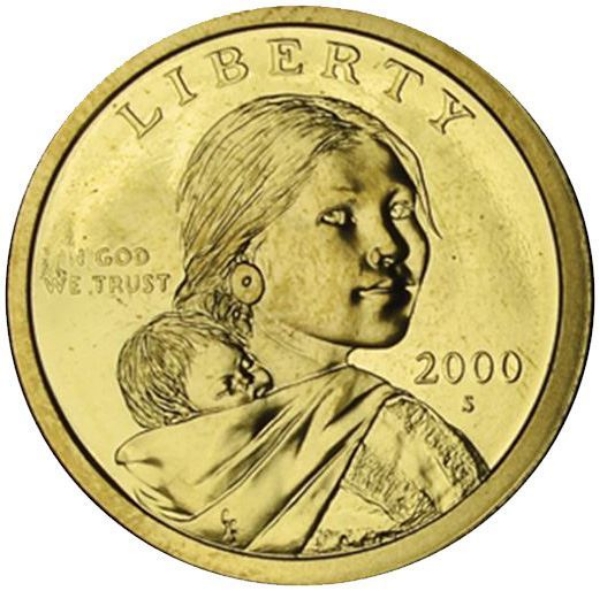
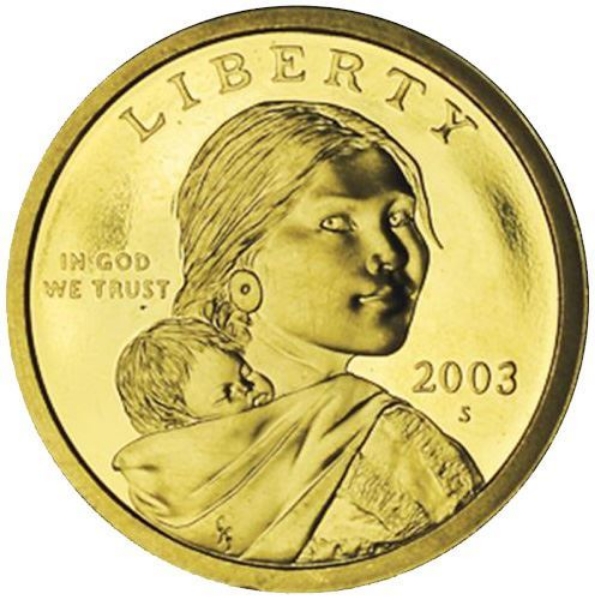
Her cultural significance is evident in the numerous monuments and memorials dedicated to her across the United States. These tributes serve as a reminder of her contributions and the broader impact of Native American peoples. Sacagawea has also been featured on the US dollar coin, further cementing her place in the nation's collective memory.
In addition to physical tributes, Sacagawea's story has been told through literature, music, and film. Her life has inspired countless works, each offering a unique perspective on her experiences and legacy. Through these portrayals, Sacagawea continues to inspire new generations, reminding them of the diverse voices and stories that have shaped America's past.
Myths and Misconceptions about Sacagawea
Despite her significant contributions, Sacagawea's story is often shrouded in myths and misconceptions. One common myth is the pronunciation and spelling of her name. The name "Sacagawea" has been spelled and pronounced in various ways, reflecting the complexities of oral history and the challenges of translating indigenous languages into English.
Another misconception is regarding her role in the expedition. While she is often depicted as a guide, her responsibilities were more nuanced. In addition to guiding, she provided translation and negotiation services, and her presence symbolized peace. These roles were vital to the expedition's success, underscoring the importance of understanding her contributions in their entirety.
Furthermore, there are myths about her post-expedition life. Some accounts suggest she died shortly after the expedition, while others claim she lived into old age. Historians continue to debate these details, but the uncertainty highlights the broader challenges of reconstructing the lives of historical figures from limited sources. These myths and misconceptions underscore the need for a nuanced and accurate understanding of Sacagawea's life and legacy.
Modern Recognition and Legacy of Sacagawea
In recent years, Sacagawea's legacy has gained renewed recognition. Her contributions to the Lewis and Clark Expedition have been increasingly acknowledged in academic and popular discourse. This shift reflects a broader trend towards appreciating the diverse narratives that have shaped American history, including those of women and indigenous peoples.
Educational initiatives have played a pivotal role in promoting Sacagawea's legacy. Schools and institutions across the country incorporate her story into curricula, highlighting her contributions and significance. This educational focus helps to ensure that future generations understand the complexities of her life and the broader context of her times.
Additionally, advocacy and cultural organizations continue to honour Sacagawea's legacy through events, publications, and public awareness campaigns. These efforts contribute to a more comprehensive understanding of her role in American history and the ongoing impact of her story. By recognising Sacagawea's achievements, these initiatives help to foster greater appreciation for the diverse voices that have shaped the nation's past.
Sacagawea in Popular Media
Sacagawea's story has transcended historical accounts to become a fixture in popular media. Her life has been depicted in films, television series, and books, each offering unique interpretations of her experiences. These portrayals have played a crucial role in introducing her story to a broader audience, sparking interest and discussion.
In film and television, Sacagawea is often depicted as a strong, insightful woman who defies the odds. These portrayals highlight her resilience and contributions to the Lewis and Clark Expedition, offering viewers a glimpse into her world. While some adaptations take creative liberties, they nonetheless underscore her enduring influence and significance.
Literature has also played a vital role in preserving and disseminating Sacagawea's story. From children's books to historical novels, authors have explored her life from various angles, providing readers with rich, immersive experiences. These works contribute to a deeper understanding of her legacy, inspiring admiration and respect for her achievements.