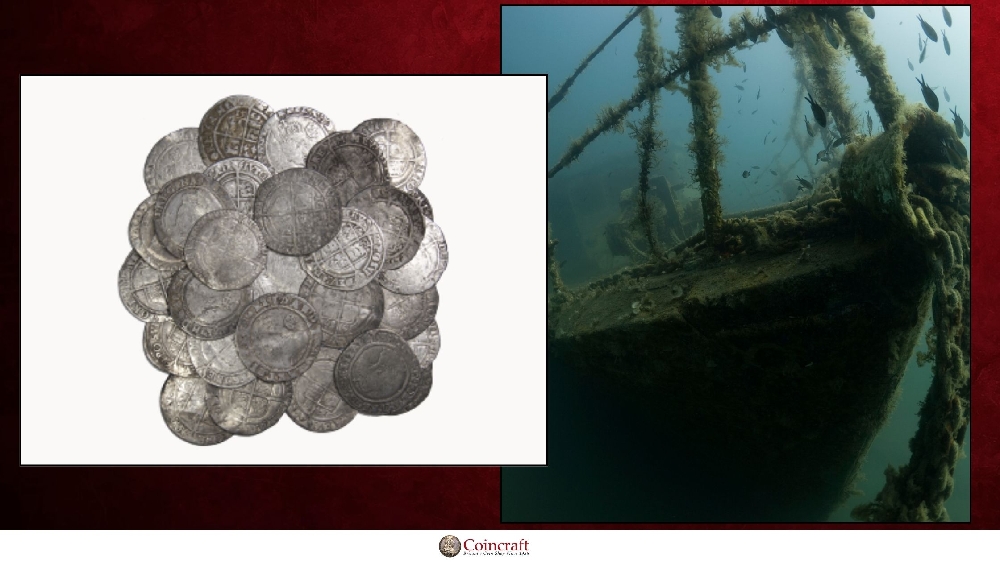
Picture Source of Sunken Ship: Canva
The Shipwreck Effect: How Sunken Treasure Impacts Numismatic Value
For centuries, the ocean floor has served as the world's most secure, yet destructive, monetary vault. Thousands of merchant vessels, Spanish galleons, and steamships laden with gold and silver have met their ends in violent storms, naval battles, and accidental collisions. When marine archaeologists and salvage teams retrieve these lost cargoes, they do not just find historical artifacts; they recover thousands of coins that eventually enter the commercial numismatic market.
In the collector community, the physical and commercial transformation that these coins undergo is known as the "Shipwreck Effect." This phenomenon represents a unique intersection of materials science, archival conservation, and collector psychology. While seawater often ravages the physical surface of a coin, the romantic pedigree of a shipwreck can paradoxically send its market value soaring. This guide explores how underwater burial alters precious metals, the rigorous process of numismatic conservation, and how a documented pedigree can turn damaged bullion into priceless history.
Key Facts
Preservation & Market Factor | Technical Standard / Impact |
|---|---|
Primary Chemical Threat | Seawater salinity, dissolved oxygen, and anaerobic bacteria |
Gold Reaction ($Au$) | Chemically inert; survives virtually pristine, retaining original mint luster |
Silver Reaction ($Ag$) | Highly reactive; forms silver sulphide ($Ag_2S$) black crusts |
Copper Reaction ($Cu$) | Extremely vulnerable; often completely dissolves or suffers severe pitting |
Grading Designations | "Shipwreck Effect" (A, B, C, or Genuine/Details) by major services |
Leading Certification Bodies | Numismatic Guaranty Company (NGC) & Professional Coin Grading Service (PCGS) |
Famous Treasure Wrecks | Nuestra Señora de Atocha (1622), SS Central America (1857), El Cazador (1784) |
Average Provenance Premium | 2x to 10x the value of an equivalent non-wreck coin, depending on pedigree |
Key Takeaways
The Chemistry of Survival: Gold remains the ultimate survivor of the deep due to its inert nature, whereas silver undergoes rapid chemical conversion in saltwater, requiring immediate stabilization to prevent total disintegration.
A Conservation Exception: While cleaning a standard coin is considered a cardinal sin that slashes its value by up to 80%, professional chemical and electrochemical conservation of shipwreck coins is globally accepted and officially certified.
Story Over Condition: In shipwreck numismatics, the traditional grading scale (1 to 70) often takes a backseat to provenance. A heavily corroded coin from a famous wreck regularly commands a premium far higher than a pristine, non-wreck counterpart.
The Security Certification: To protect collectors from modern "sea-salvaged" scams, major grading services encapsulate authentic shipwreck coins in specialized, sealed holders with documented pedigree details.
The Chemistry of the Deep: Seawater vs. Precious Metals
The ocean floor is not a passive tomb; it is a giant, high-pressure chemical reactor. The rate at which a coin degrades depends entirely on its metallurgy and the specific micro-environment of the wreck site (Schenkman, 2015).
                      METALLURGICAL DEEP-SEA SURVIVAL
┌────────────────────────────────────────────────────────────────────────┐
│  GOLD (Au) ────────> Inert. Virtually untouched. Retains full luster.  │
├────────────────────────────────────────────────────────────────────────┤
│  SILVER (Ag) ──────> Highly reactive. Converts to Silver Sulphide.     │
├────────────────────────────────────────────────────────────────────────┤
│  COPPER (Cu) ──────> Unstable. Dissolves easily, leaving pitted ruins. │
└────────────────────────────────────────────────────────────────────────┘
1. Gold: The Eternal Metal
Gold ($Au$) is an elemental noble metal, meaning it does not easily oxidise or react with other chemicals. When gold coins from wrecks like the SS Central America (which sank in 1857) are recovered, they are often in the same breathtaking, lustrous condition as the day they went down (Bowers, 2002). Apart from minor physical abrasions from shifting sand or contact with iron rigging, gold survives the ocean completely unscathed.
2. Silver: The Sulphide Transition
Silver ($Ag$) is far more chemically active. In saltwater, silver reacts with dissolved oxygen and chlorine, but its primary enemy is sulphur. Anaerobic, sulphate-reducing bacteria on the ocean floor release hydrogen sulphide. This gas reacts with silver coins to produce silver sulphide ($Ag_2S$), characterised by a thick, heavy black crust:
$$2\text{Ag} + \text{S}^{2-} \rightarrow \text{Ag}_2\text{S} + 2e^-$$
Over centuries, this process can merge thousands of silver coins into massive, solid concrete-like clumps. If left untreated once exposed to oxygen on the surface, this crust continues to degrade the underlying metal, eventually reducing the coin to a crumbling pile of silver dust (Soderglen, 2018).
3. Copper and Bronze: The Lost Alloys
Copper ($Cu$) and its alloys are highly unstable in saline environments. Copper reacts rapidly with chlorides to form copper chloride, which dissolves in water or breaks down into a powdery, bright green corrosion product known as "bronze disease." Consequently, copper coins found on shipwrecks are rarely salvageable; they are either completely dissolved or recovered as paper-thin, heavily pitted ghosts of their former selves.
The Conservation Conundrum: When Cleaning is Permitted
In traditional coin collecting, cleaning a coin with chemicals or abrasives is an absolute taboo. It strips away the coin's natural patina, leaves microscopic hairline scratches, and instantly ruins its numismatic value.
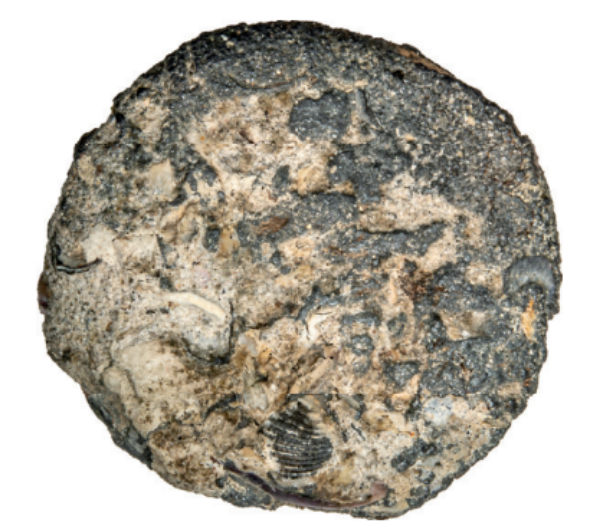
However, shipwreck coins are the grand exception to this rule. Because seawater-salvaged coins are recovered coated in thick marine concretions, black silver sulphide, or biological growth, they must be professionally conserved to survive (Soderglen, 2018). Without scientific intervention, atmospheric oxygen and moisture will cause residual chlorides to eat away the remaining metal.
The Professional Conservation Process
Professional conservators, such as those at the Numismatic Guaranty Company (NGC) or independent maritime laboratories, utilize highly controlled methods to stabilize these coins:
Desalination: Coins are soaked in repeated baths of deionised water for weeks or months to leach out destructive salt chlorides embedded in the metal pores.
Electrochemical Reduction: For heavily crusted silver coins, a gentle electrical current is passed through an electrolyte solution containing the coin. This process chemically reverses the silver sulphide corrosion, turning the black crust back into metallic silver and loosening marine debris without scrubbing the coin’s surface.
Mild Acid Baths: Highly diluted acids are used to gently dissolve calcium carbonate (shell) encrustations.
Stabilisation and Sealing: Once clean, the coin is treated with microcrystalline wax or an inert, protective lacquer to seal the surface from atmospheric oxygen.
The goal of this conservation is not to make the coin look "new," but to stop active decay while preserving the historical details that remain (NGC, 2024).
Grading and the "Shipwreck Effect" Label
Because shipwreck coins have had their surfaces altered by the sea and subsequently conserved, they cannot be graded on the standard Sheldon scale (1 to 70) used for normal coins. If a traditional grader assessed a salt-damaged silver coin, they would simply label it as "Damaged" or "Environmental Damage," which severely hurts its appeal.
To solve this, major grading services developed specialized shipwreck certification programmes (NGC, 2024). Instead of a numeric grade, coins receive a Shipwreck Effect (SWE) designation based on the level of sea preservation:
                      THE SHIPWRECK EFFECT GRADING SCALE
┌────────────────────────────────────────────────────────────────────────┐
│  SHIPWRECK EFFECT GRADE A:                                             │
│  - Minimal disturbance. Retains high luster or original mint surfaces.  │
├────────────────────────────────────────────────────────────────────────┤
│  SHIPWRECK EFFECT GRADE B:                                             │
│  - Moderate seawater exposure. Smooth surfaces, but slight metal loss.  │
├────────────────────────────────────────────────────────────────────────┤
│  SHIPWRECK EFFECT GRADE C:                                             │
│  - Heavy corrosion. Deeply pitted surfaces, but details remain legible. │
└────────────────────────────────────────────────────────────────────────┘
By grading these coins based on the quality of their preservation rather than their wear, grading services have created a trusted, transparent standard that allows collectors to buy and sell sea-salvaged coins with confidence.
The Provenance Premium: Why History Trumps Condition
In standard coin collecting, a single scratch can shave thousands of pounds off a coin's value. But in shipwreck numismatics, the rules of value are completely inverted. The value of a shipwreck coin is driven by its provenance—the documented pedigree of the specific vessel it sailed upon (Bowers, 2002).
Consider the historical impact of these famous wrecks:
El Cazador (Sank 1784): This Spanish brig-of-war was carrying hundreds of thousands of silver 8 Reales coins from Mexico to New Orleans to stabilize the failing Spanish economy in Louisiana. Its sinking ruined Spain’s plans, eventually forcing them to cede the territory back to France, which subsequently sold it to the United States in the famous Louisiana Purchase. A standard Spanish 8 Reales of this era might be worth £80; a certified El Cazador specimen, even with moderate sea corrosion, easily commands £250 to £500 because of its role in shaping American history.
SS Central America (Sank 1857): Known as the "Ship of Gold," this side-wheel steamer sank in a hurricane carrying over three tons of gold from the California Gold Rush. The loss of this massive shipment triggered the devastating Panic of 1857. Because the gold was buried in deep, cold, oxygen-poor water, the coins were recovered in miraculous, pristine condition. The documented pedigree of these "Gold Rush" coins adds a massive premium, making them some of the most sought-after coins in United States history (Bowers, 2002).
Nuestra Señora de Atocha (Sank 1622): This heavily armed Spanish treasure galleon sank off the Florida Keys during a hurricane. When salvaged by Mel Fisher in 1985, it yielded a fortune in silver "cobs" (crudely struck, hand-hammered coins). The romantic legacy of the Atocha is so immense that even heavily corroded, grade-C silver cobs with official certificates of authenticity regularly sell for thousands of pounds, far exceeding their actual silver weight value.
                      THE PEDIGREE PRICE MULTIPLIER
┌─────────────────────────────────────────────────────────────────────────┐
│  Standard Spanish 8 Reales (Common Date)  ─> ~£80                       │
├─────────────────────────────────────────────────────────────────────────┤
│  Certified "El Cazador" 8 Reales          ─> £250 - £500 (3x to 6x)     │
├─────────────────────────────────────────────────────────────────────────┤
│  Certified "Atocha" Silver Cob            ─> £1,200+     (15x+)         │
└─────────────────────────────────────────────────────────────────────────┘
Frequently Asked Questions (FAQs)
Does "Shipwreck Effect" mean a coin is damaged?
Yes, in technical terms, seawater corrosion is a form of environmental damage. However, because the damage occurred due to a historic event and has been professionally stabilized, the numismatic community treats this "damage" as a badge of authenticity and historical character rather than a defect.
How do I know a shipwreck coin is genuine and not a standard coin artificially aged in acid?
Because of the high premiums commanded by shipwreck coins, some counterfeiters attempt to artificially age standard coins using acids to mimic shipwreck corrosion. To protect yourself, only buy shipwreck coins that have been certified and encapsulated by reputable third-party grading services like NGC or PCGS, or those accompanied by original, serial-numbered Certificates of Authenticity from the official salvage company (e.g., Treasure Salvors, Inc. for the Atocha).
Why are gold coins from shipwrecks usually in better condition than silver coins?
This is due to the chemical property of the metals. Gold ($Au$) is an inert noble metal that does not react with oxygen, salts, or sulphurs in seawater. Silver ($Ag$), however, reacts readily with sulphur compounds on the ocean floor to form silver sulphide, which physically eats into the coin's surface and creates a thick, destructive black crust.
Is it legal to own shipwreck coins?
Yes. Once shipwreck treasure has been legally salvaged and cleared through admiralty courts, the coins are distributed to salvors, investors, and archaeologists, who then sell them to the public. However, you should always ensure that any shipwreck coin you purchase has a legal chain of custody and complies with international cultural property laws.
Bibliography
Bowers, Q. D. (2002). The Treasure Ship S.S. Central America: Her History, Her Legacy, and Our Recovery of Her Gold. Wolfeboro: Bowers and Merena Galleries.
Hendin, D. (2010). Guide to Biblical Coins. 5th Edition. New York: Amphora Books.
Numismatic Guaranty Company (NGC). (2024). NGC Shipwreck Coin Certification Services. NGC Collector Resources. Available at: NGC Shipwreck Certification Portal
Professional Coin Grading Service (PCGS). (2026). The S.S. Central America Gold: A Numismatic Icon. PCGS CoinFacts Registry. Available at: PCGS CoinFacts Portal
Schenkman, D. E. (2015). The Chemistry of Marine Salvage: How Saltwater and Silt Impact Recovered Specie. Annapolis: Maritime Heritage Press.
Soderglen, R. T. (2018). The Numismatist's Guide to Material Preservation: Understanding PVC, Mylar, and Polypropylene. New York: Academic Numismatic Press.