.png)
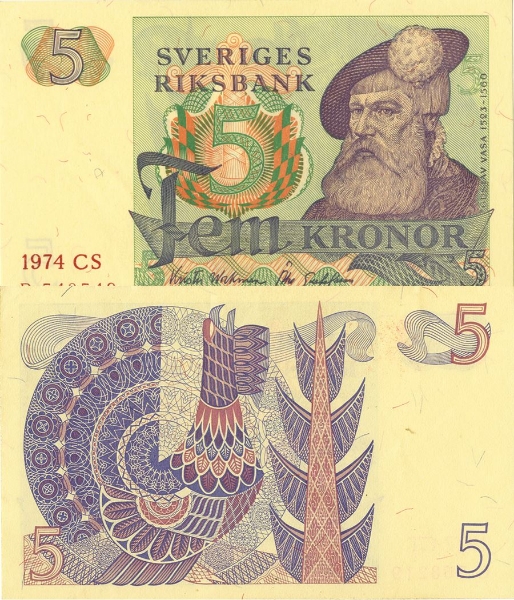
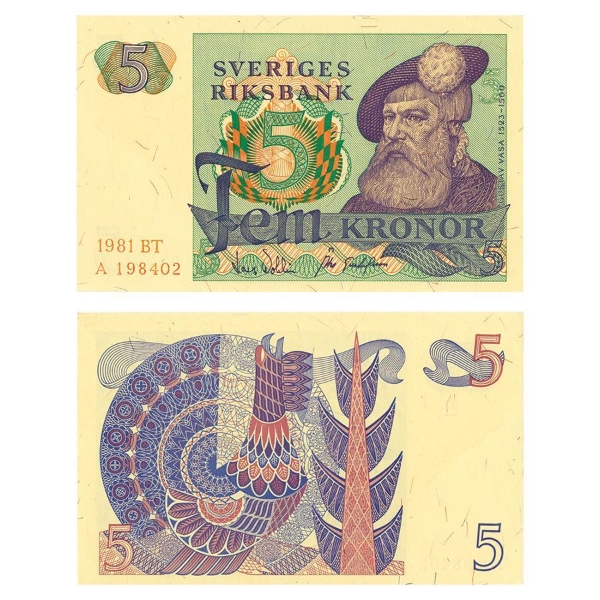
Picture Source of Gustav Vasa: Wikipedia
The Architect of Modern Sweden's Independence
Gustav Vasa, a pivotal figure in Swedish history, is often credited as the founder of modern Sweden. Born in 1496, he emerged as a national hero and the architect of Swedish independence. His reign marked the beginning of a new era, transforming Sweden from a fragmented state into a unified and sovereign nation. Throughout his life, Gustav Vasa was a dynamic leader who navigated numerous challenges to secure Sweden's future.
Understanding the life and achievements of Gustav Vasa provides valuable insights into the formation of Sweden's national identity. His leadership style and strategic prowess laid the groundwork for Sweden's emergence as a significant power in Northern Europe. Vasa's influence extended beyond mere political manoeuvring; he also ushered in religious and social reforms that reshaped Swedish society.
In exploring Gustav Vasa's legacy, one can appreciate how his decisions and leadership continue to resonate in modern Sweden. From his strategic acumen to his ability to inspire and unify, Vasa's impact on Sweden's history is profound and enduring. This article delves into the life and achievements of Gustav Vasa, examining his role in shaping the Sweden we know today.
Historical Context of Sweden Before Gustav Vasa
Before Gustav Vasa's rise to power, Sweden was part of the Kalmar Union, a coalition of Scandinavian countries under a single monarch. This union, established in 1397, aimed to counteract the influence of the Hanseatic League and consolidate power in the region. However, internal conflicts and power struggles frequently destabilised the union, leading to widespread dissatisfaction among the Swedish nobility and populace.
The early 16th century was a turbulent period for Sweden, marked by economic hardship and political unrest. The union's Danish monarchs often prioritised Danish interests, leaving Sweden marginalised and its resources exploited. The infamous Stockholm Bloodbath of 1520, where Danish king Christian II executed Swedish nobles en masse, further inflamed anti-Danish sentiment and fuelled the desire for independence.
Amidst this chaos, Gustav Vasa emerged as a leader capable of challenging Danish dominance. His ability to capitalise on the growing discontent and rally support from various factions set the stage for a national uprising. By understanding the historical context of Sweden before Vasa, one gains insight into the complex socio-political landscape that shaped his rise to power and the eventual liberation of Sweden from foreign rule.
The Rise of Gustav Vasa
Gustav Vasa's ascent to power was neither swift nor straightforward. Born into a noble family in 1496, he was well-educated and deeply aware of the political nuances of his time. His early years were marked by involvement in the resistance against Danish rule, which saw him imprisoned and later escaping to Lübeck, a Hanseatic city, where he secured crucial support for his cause.
Upon returning to Sweden, Vasa capitalised on the growing discontent among the Swedish people. His charisma and strategic thinking enabled him to gather a formidable army, which he led in a successful revolt against the Danish forces. By 1523, he had liberated Stockholm and was elected King of Sweden, marking the official end of the Kalmar Union in Sweden and the start of a new chapter for the nation.
Vasa's rise to power was not merely a personal triumph but a testament to his ability to inspire and mobilise a nation. His leadership during this pivotal period laid the foundation for Sweden's transformation into a unified and independent state, setting the stage for the significant reforms and achievements that would follow under his reign.
Key Achievements of Gustav Vasa
Gustav Vasa's reign was characterised by a series of transformative achievements that reshaped Sweden's political, religious, and economic landscape. One of his most significant accomplishments was the establishment of a hereditary monarchy, which ensured political stability and continuity, laying the groundwork for a centralised state.
In addition to political reforms, Vasa played a crucial role in the Protestant Reformation in Sweden. By breaking with the Catholic Church and instituting Lutheranism as the state religion, he not only strengthened royal authority but also appropriated church wealth to bolster the nation's finances. This religious reform was instrumental in reducing foreign influence and unifying the country under a common faith.
Economically, Vasa initiated several measures to revitalise Sweden's economy. He encouraged mining and trade, particularly in copper and iron, which became vital components of Sweden's economic growth. By modernising agriculture and improving infrastructure, he enhanced the nation's self-sufficiency and economic resilience. These achievements highlight Vasa's visionary leadership and his ability to implement lasting reforms that propelled Sweden towards prosperity and independence.
The Impact of Gustav Vasa on Swedish Independence
Gustav Vasa's impact on Swedish independence is monumental, as he effectively dismantled the Kalmar Union, liberating Sweden from Danish domination. His leadership during the rebellion against Danish rule was pivotal in securing Sweden's sovereignty and establishing a sense of national identity that had been lacking under foreign rule.
Vasa's reforms further cemented Sweden's independence by strengthening central authority and reducing dependence on foreign powers. By implementing a hereditary monarchy, he ensured a stable succession and diminished the likelihood of external interference in Swedish affairs. His religious reforms also played a critical role in consolidating national unity, as the adoption of Lutheranism aligned Sweden with other Protestant nations and distanced it from the Catholic powers of Europe.
The enduring impact of Gustav Vasa's leadership is evident in Sweden's subsequent rise as a regional power. His efforts to modernise the economy and bolster national defences laid the groundwork for Sweden's future successes. Vasa's visionary leadership not only secured Sweden's independence but also set the nation on a path to prosperity and influence, underscoring his lasting legacy.
Gustav Vasa’s Legacy in Modern Sweden
Gustav Vasa's legacy in modern Sweden is both profound and multifaceted. As the founder of the Vasa dynasty, his influence extended well beyond his lifetime, shaping the trajectory of Swedish history for generations. The centralised governance and hereditary monarchy he established provided the political stability necessary for Sweden's development into a significant European power.
Culturally, Vasa's promotion of the Swedish language and Lutheran faith had a lasting impact on national identity. By prioritising these elements, he fostered a sense of unity and pride among Swedes that endures to this day. His reign marked the beginning of a distinct Swedish cultural identity, which has continued to evolve over the centuries.
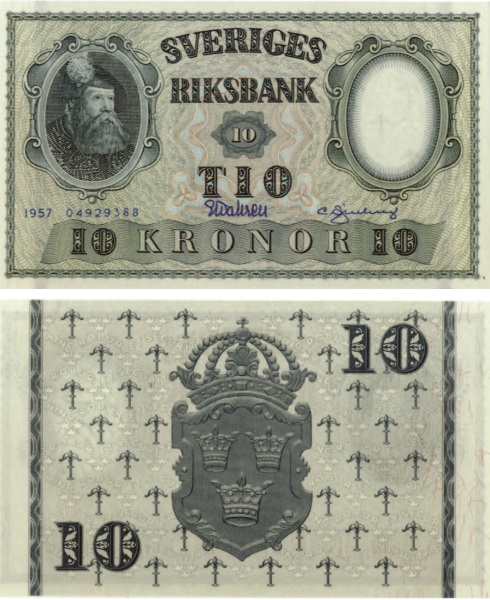
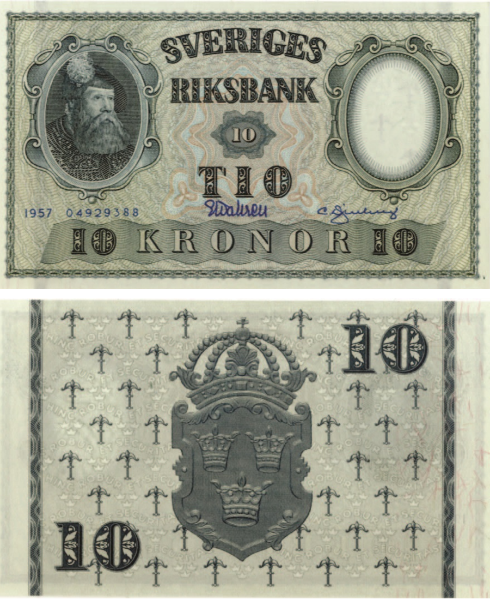
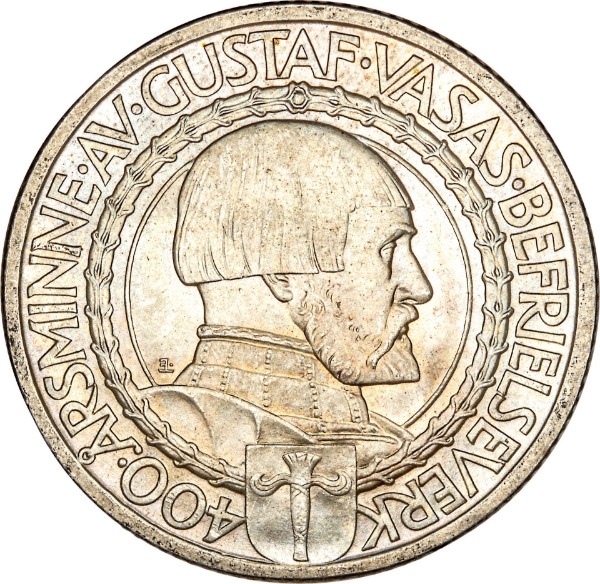
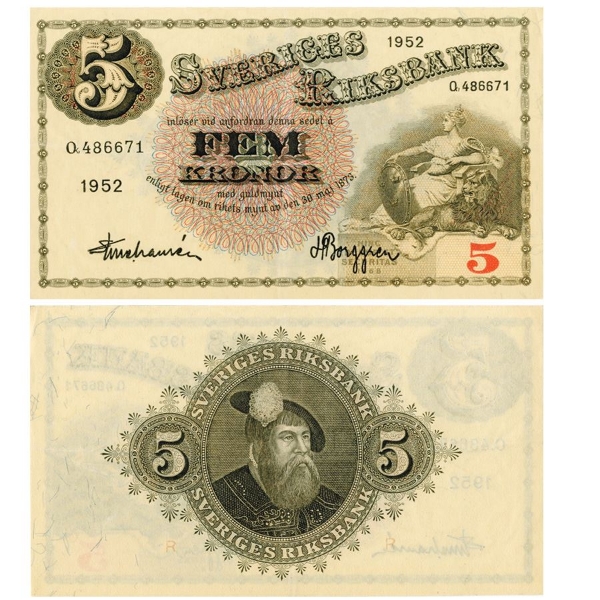
In modern Sweden, Gustav Vasa is celebrated as a national hero and a symbol of independence and resilience. His leadership and achievements are commemorated in various cultural and historical contexts, highlighting his enduring influence on the nation's character and values. Vasa's legacy serves as a reminder of the power of visionary leadership to transform a nation and inspire future generations.
Cultural Representations of Gustav Vasa
Gustav Vasa's legacy is not only preserved in historical records but also celebrated in various cultural representations across Sweden. From literature to art and theatre, his life and achievements have been depicted in numerous forms, reflecting his enduring significance in Swedish culture.
In literature, Vasa's story has been the subject of numerous historical novels and biographies, exploring his rise to power and the impact of his reign. These works often highlight his strategic brilliance and the challenges he faced in uniting a divided nation. Through these narratives, readers gain insight into the complexities of his character and the historical context of his achievements.
Artistic representations of Gustav Vasa abound in Sweden, with paintings and sculptures commemorating his leadership and legacy. Public monuments and statues in cities like Stockholm serve as constant reminders of his contributions to the nation's history. In theatre, Vasa's life has been dramatised in various plays and operas, bringing his story to life for contemporary audiences and preserving his memory for future generations.
Lessons from Gustav Vasa’s Leadership
Gustav Vasa's leadership offers valuable lessons for both historical scholars and contemporary leaders. His ability to unify a fragmented nation and establish a strong central authority demonstrates the importance of visionary leadership and strategic planning in achieving national goals. Vasa's success in rallying support and inspiring loyalty underscores the power of effective communication and charisma in leadership.
Vasa's religious and economic reforms highlight the significance of adaptability and innovation in governance. By embracing change and implementing bold reforms, he was able to strengthen Sweden's independence and foster a sense of national identity. His willingness to challenge established norms and pursue new ideas serves as a valuable lesson for leaders seeking to drive meaningful progress.
The legacy of Gustav Vasa's leadership extends beyond his achievements, offering timeless lessons in resilience and determination. His ability to overcome adversity and navigate complex challenges serves as an inspiration for those seeking to make a lasting impact. By studying Vasa's leadership, one can gain insights into the qualities and strategies that define effective leadership and contribute to national success.