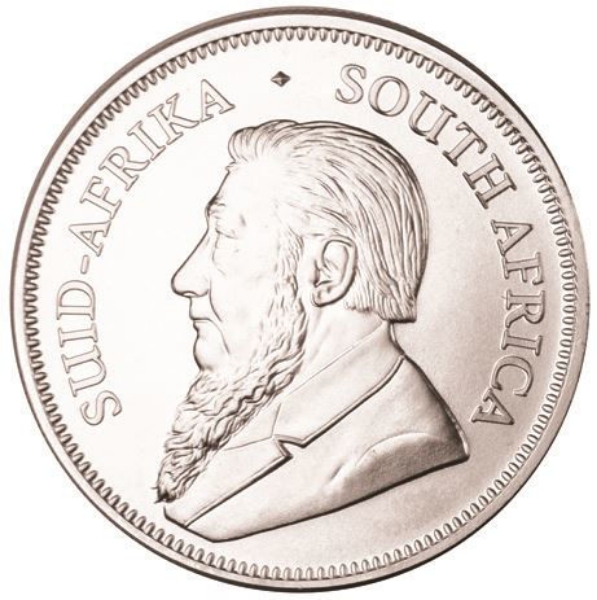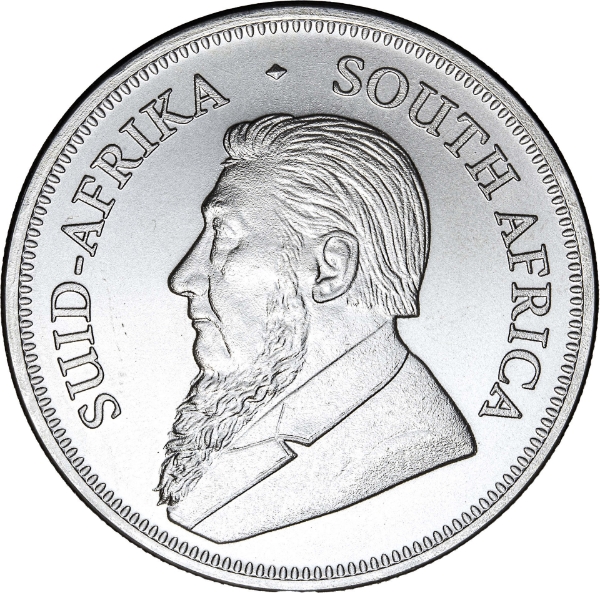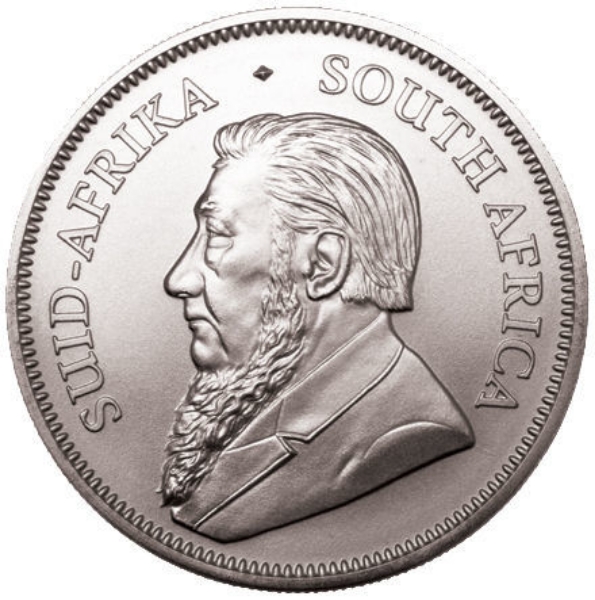
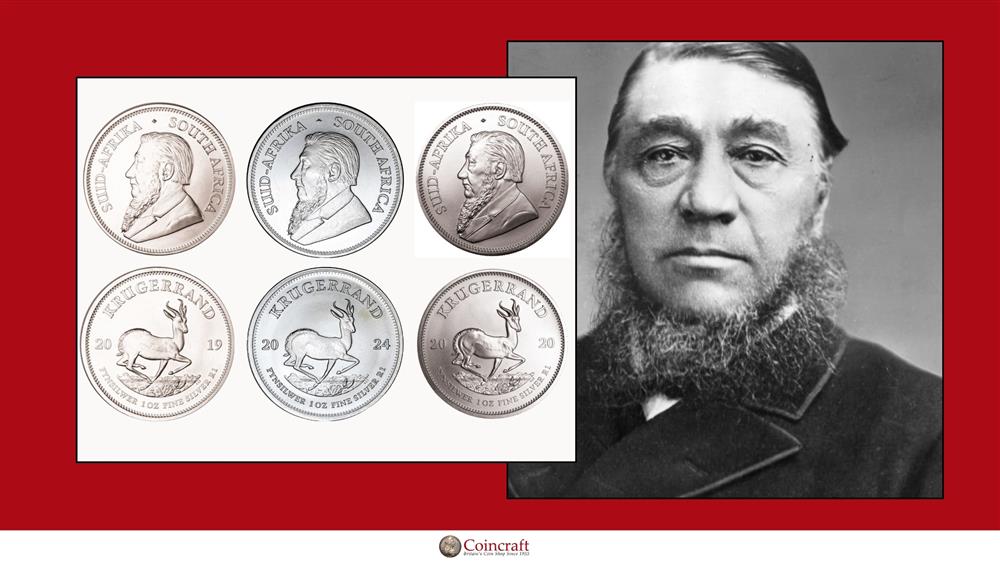
Picture Source of Paul Kruger: Wikipedia
Who Was Paul Kruger? A Brief Introduction
Paul Kruger, a prominent figure in South African history, was born on October 10, 1825, in the Cape Colony. He rose to become a significant political leader and the President of the South African Republic, commonly known as the Transvaal. Kruger’s life was marked by the tumultuous political landscape of the 19th century, characterized by conflicts between the British Empire and the Boer settlers. He became a symbol of Afrikaner nationalism and played a pivotal role in the struggle for independence from British rule.
Kruger’s legacy is complex, comprising both admiration and criticism. He is celebrated by some as a defender of Afrikaner interests and culture, while others view his leadership as controversial, particularly regarding his policies during the Anglo-Boer Wars. His life story reflects broader themes of colonialism, nationalism, and the quest for self-determination that shaped modern South Africa.
Throughout this article, the reader will explore the multifaceted legacy of Paul Kruger, examining his early life, political career, and the lasting impact he has had on South African identity and history.
The Early Years: Kruger's Formative Experiences
Paul Kruger’s early life was marked by hardship and resilience. Growing up in a farming family, he experienced the challenges of frontier life, including conflicts with indigenous peoples and the British colonial authorities. The values instilled in him during these formative years—perseverance, self-reliance, and a deep connection to the land—shaped his character and future political ideology.
At the age of 12, Kruger was already involved in the family's farming activities, which included cattle herding and crop cultivation. This early exposure to agriculture and the challenges of rural life fostered a profound understanding of the struggles faced by the Boer community. His experiences during this time also kindled a sense of duty to protect the rights and interests of his fellow Boers, laying the groundwork for his future political ambitions.
Furthermore, Kruger's early encounters with colonial governance and military service during the Great Trek, when Boer settlers migrated away from British rule, influenced his political views. This migration was driven by a desire for autonomy and self-governance, ideals that would later dominate Kruger's political agenda.
Rise to Power: Kruger's Political Career
Paul Kruger’s ascent in politics began in the 1850s when he became involved in local governance. His leadership abilities and commitment to the Boer cause quickly earned him respect among his peers. In 1864, he was elected to the Volksraad (the national assembly) of the South African Republic, where he began to advocate for the interests of the Boer population against British encroachment. His political influence continued to grow, culminating in his election as President in 1883.
Kruger's presidency marked a significant turning point in the governance of the Transvaal. He implemented policies aimed at economic development, including railway construction and the establishment of a stable currency. His administration focused on fostering a sense of national identity among the Afrikaners, promoting the use of the Dutch language, and encouraging education that reflected Boer values. These initiatives contributed to a burgeoning sense of unity among the Boer population.
However, Kruger's rise to power was not without challenges. His leadership faced opposition from various factions, including the British government and rival political groups within the Transvaal. The discovery of gold in the Witwatersrand in the late 1880s further complicated the political landscape, as British interests intensified in the region. Kruger’s determination to maintain Boer independence and resist British control would become a defining aspect of his presidency.
The Boer Republics and Kruger's Presidency
Under Paul Kruger’s leadership, the South African Republic experienced significant political and socio-economic changes. His presidency was characterized by a strong emphasis on Boer nationalism and a desire to establish the Transvaal as a sovereign state free from British interference. Kruger’s administration focused on consolidating power within the Boer community, fostering a sense of unity and pride among the Afrikaners.
One of Kruger’s key achievements was the establishment of a robust legal framework that protected the rights of Boer settlers. He championed land ownership rights and promoted agricultural development, which were crucial for the economic stability of the republic. Additionally, Kruger sought to modernise the military, enhancing the Transvaal’s ability to defend itself against external threats.
Despite these advancements, Kruger's presidency was marked by increasing tensions with the British Empire. The influx of English-speaking settlers, known as Uitlanders, into the gold-rich regions of the Transvaal led to significant demographic changes and conflicts over political representation. Kruger’s refusal to grant voting rights to the Uitlanders further escalated tensions, ultimately contributing to the outbreak of the Anglo-Boer Wars.
Kruger's Role in the Anglo-Boer Wars
The Anglo-Boer Wars, comprising two major conflicts (the First Anglo-Boer War from 1880 to 1881 and the Second Anglo-Boer War from 1899 to 1902), were pivotal in shaping Paul Kruger’s legacy. As president during these tumultuous times, he became a central figure in the struggle for Boer independence. His leadership during these wars was marked by a fierce determination to resist British colonisation and maintain the sovereignty of the Transvaal.
Kruger’s strategies during the wars were often characterised by guerrilla tactics, leveraging the knowledge of the local terrain and the determination of Boer fighters. The First Anglo-Boer War ended in a surprising victory for the Boers, reinforcing Kruger’s position as a national hero and symbol of Afrikaner resistance. However, the Second Anglo-Boer War proved to be more challenging, as British forces employed superior military technology and resources.
As the war progressed, Kruger faced immense pressure from both the battlefield and the international community. His decision to seek support from foreign powers, such as Germany, illustrated the desperate situation of the Boer republics. Ultimately, the war ended in defeat for the Boers, leading to the annexation of the Transvaal by the British and forcing Kruger into exile. Despite this, his legacy as a staunch defender of Boer rights remained intact.
The Kruger National Park: A Living Legacy
One of the most enduring aspects of Paul Kruger’s legacy is the establishment of the Kruger National Park. Originally proclaimed as a game reserve in 1898, the park was named in honour of Kruger’s commitment to wildlife conservation and the protection of the natural environment. The park spans over 19,000 square kilometres and is home to an incredible diversity of wildlife, making it one of Africa's largest game reserves.
Kruger’s vision for the park was rooted in the belief that the preservation of South Africa’s natural heritage was essential for future generations. He understood the importance of balancing human development with environmental conservation, a concept that resonates strongly in contemporary discussions about sustainability. The park serves as a testament to his foresight and commitment to protecting South Africa’s biodiversity.
Today, Kruger National Park attracts millions of visitors each year, contributing to the local economy and promoting eco-tourism. It stands as a reminder of Kruger’s complex legacy—while he is often associated with nationalism and conflict, he also recognised the importance of preserving the land for future generations. The park continues to play a significant role in South Africa's identity and cultural heritage.
Kruger's Impact on Afrikaner Nationalism
Paul Kruger is widely regarded as a pivotal figure in the development of Afrikaner nationalism. His presidency and leadership during the Anglo-Boer Wars fostered a sense of pride and unity among the Afrikaner population, contributing to the emergence of a distinct national identity. Kruger’s policies and rhetoric resonated deeply with the Boer community, reinforcing their aspirations for self-determination and independence from British rule.
Kruger’s emphasis on the Dutch language, education, and culture helped cultivate a strong sense of Afrikaner identity. His administration promoted the establishment of Afrikaans-speaking schools and institutions, creating a cultural framework that celebrated Boer heritage. This focus on cultural nationalism laid the groundwork for future political movements aimed at preserving Afrikaner values and interests.
Moreover, Kruger’s legacy influenced subsequent generations of Afrikaners, who viewed him as a symbol of resistance against oppression. His image became central to the narrative of Afrikaner nationalism, inspiring leaders and movements that sought to assert Afrikaner rights in the face of changing political dynamics in South Africa. The impact of his leadership continues to be felt in contemporary South African society, where discussions about identity, heritage, and reconciliation remain relevant.
Controversial Aspects of Kruger's Leadership
Despite his contributions to Afrikaner nationalism, Paul Kruger’s leadership was not without controversy. His refusal to grant political rights to the Uitlanders during his presidency created significant tensions and contributed to the outbreak of the Anglo-Boer Wars. Many critics argue that his exclusionary policies alienated a substantial portion of the population, undermining the potential for a more inclusive governance model in the Transvaal.
Additionally, Kruger’s approach to governance has been scrutinised for its authoritarian tendencies. His administration was marked by a concentration of power, with limited political pluralism. Critics contend that this concentration of authority stifled dissent and suppressed opposition voices, raising questions about the democratic principles that he claimed to uphold.
The complex legacy of Kruger is further complicated by the socio-political context of his time. While he championed the rights of the Afrikaners, his leadership also perpetuated divisions within South African society. The legacy of racial and ethnic tensions, which can be traced back to his policies, continues to shape contemporary discussions about reconciliation and nation-building in South Africa.
Paul Kruger's Exile and Final Years
After the conclusion of the Second Anglo-Boer War, Paul Kruger was forced into exile, a significant turning point in his life. He initially sought refuge in Europe, where he became a symbol of the Boer struggle for independence. Despite being away from his homeland, he remained committed to advocating for Boer rights and sought international support for their cause.
During his years in exile, Kruger lived in various countries, including France and the Netherlands. He continued to engage with the international community, attempting to garner sympathy for the Boer plight. His speeches and writings during this period reflected a deep sense of longing for his homeland and a resolute determination to see the Transvaal restored to its former glory.
Kruger eventually returned to South Africa in 1904, but his health was deteriorating. He spent his final years in Pretoria, where he passed away on July 14, 1904. His death marked the end of an era, but his legacy continued to resonate within the Afrikaner community. The celebrations surrounding his funeral underscored his status as a national hero, with thousands attending to pay their respects.
Assessing Kruger's Legacy in Modern South Africa
The legacy of Paul Kruger remains a topic of significant debate in contemporary South Africa. His contributions to Afrikaner nationalism and resistance against British imperialism are acknowledged, yet his exclusionary policies and authoritarian governance raise critical questions about the inclusivity of his legacy. As South Africa grapples with its complex history, Kruger serves as both a symbol of pride for some and a reminder of the divisions that continue to affect society.
In the context of post-apartheid South Africa, discussions surrounding Kruger’s legacy are intertwined with broader themes of reconciliation and nation-building. While some view him as a defender of Afrikaner rights, others argue that his policies contributed to the entrenchment of racial divisions. The challenge lies in reconciling these differing perspectives to foster a more inclusive narrative that acknowledges the complexities of the country’s past.
Furthermore, the ongoing debates about statues and memorials dedicated to Kruger highlight the tension between historical memory and contemporary values. The transformation of public spaces to reflect a more inclusive South African identity necessitates a critical examination of figures like Kruger, whose legacies are often intertwined with conflicting narratives of oppression and resistance.
Paul Kruger in Popular Culture and Memory
Paul Kruger’s impact on South African culture and memory extends beyond politics; he has been immortalised in various forms of popular culture. His life has been depicted in literature, film, and art, often reflecting the complexities of his legacy. These representations serve to shape public perception and understanding of his role in history, illustrating the tensions between admiration and critique.
In literature, Kruger’s life has inspired numerous biographies and historical analyses, exploring his contributions to Afrikaner nationalism and the broader context of South African history. These works often grapple with the duality of his legacy, acknowledging both his leadership during a pivotal time and the controversies surrounding his governance.
Film and television adaptations have also portrayed Kruger’s life, often romanticising his image as a heroic figure fighting for the rights of the Afrikaners. Such portrayals contribute to the mythologising of his character, influencing how subsequent generations perceive his role in shaping South African identity. These narratives, however, require critical engagement, as they can overshadow the complexities of historical reality.
The Enduring Influence of Paul Kruger
Paul Kruger’s legacy is a testament to the complexities of South African history. His contributions to Afrikaner nationalism, his role in the Anglo-Boer Wars, and his vision for the Transvaal have left an indelible mark on the nation's collective memory. As South Africa continues to navigate its diverse and often contentious past, Kruger’s legacy serves as a reminder of the ongoing struggle for identity, autonomy, and reconciliation within the country.
The enduring influence of Kruger is evident in contemporary discussions about governance, representation, and social cohesion. His life story reflects broader themes of resistance and resilience that resonate with many South Africans today. While he is often celebrated as a national hero, it is essential to critically engage with the complexities of his leadership and the implications of his policies for future generations.
In reflecting on Paul Kruger’s legacy, it is crucial to foster a dialogue that embraces the diverse perspectives and experiences that shape South Africa. By understanding and acknowledging the complexities of historical figures like Kruger, the nation can work towards a more inclusive narrative that honours the struggles and aspirations of all its people.