 - AEL2030.jpg)
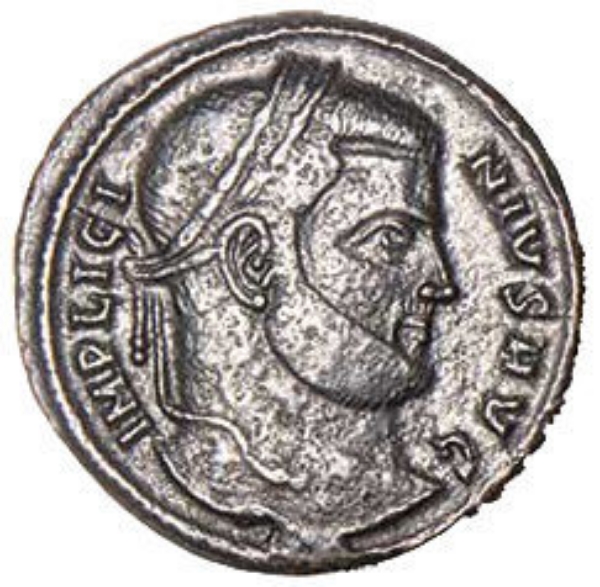
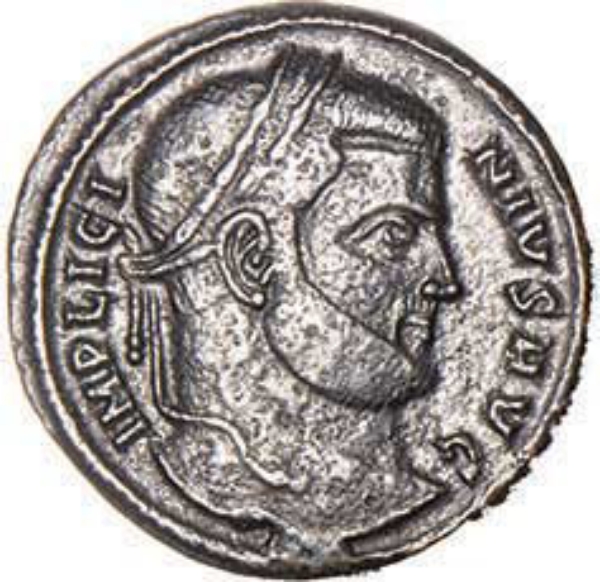
Picture Source of Valerius Licinianus Licinius (308-324 AD): Wikipedia
The Emperor History Almost Forgot
When we think about the Roman Empire in the early 4th century, one name usually dominates the conversation: Constantine the Great. But history is rarely a one-man show. Today, we're going to dive into the life of the man who shared the world stage with Constantine, co-authored one of history’s most famous religious decrees, and ultimately fought a bitter, winner-takes-all war for supreme power.
Meet Valerius Licinianus Licinius, a peasant-turned-soldier who clawed his way to the highest office in the world, reigning as Roman Emperor from 308 to 324 AD. His story is a classic tale of ambition, friendship, betrayal, and the brutal reality of ancient politics. Let’s explore how a farm boy from the Balkans became the master of the Roman East—and why he eventually lost it all.
Key Takeaways
Humble to High-Born: Licinius rose from a peasant farming background in the Balkans to become Roman Emperor, largely thanks to his military brilliance and a close friendship with Emperor Galerius.
Champion of Toleration: Alongside Constantine, Licinius co-authored the famous Edict of Milan in 313 AD, which officially granted religious tolerance to Christians across the Roman Empire.
Master of the East: After defeating his rival Maximinus Daza, Licinius successfully ruled the wealthy Eastern half of the Roman Empire for over a decade.
A Tragic Downfall: His alliance with Constantine ultimately devolved into a bitter civil war. Despite a valiant defense, Licinius was defeated in 324 AD and executed the following year.
From Peasant Fields to Purple Robes
To really understand Licinius, you have to look at where he started. Born around 265 AD in Moesia Superior (modern-day Serbia), Licinius didn't have a drop of royal or aristocratic blood in his veins. He was a Dacian peasant who did what many ambitious young men of his era did: he joined the Roman army.
In the military, Licinius proved himself to be tough, capable, and fiercely loyal. But his biggest career break was his friendship with a fellow soldier named Galerius. When Galerius eventually became the senior Emperor (Augustus) of the East, he didn't forget his old army buddy. Licinius became Galerius's trusted right-hand man, fighting alongside him in major campaigns against the Persians(1).
By 308 AD, the Roman Empire’s leadership structure—a power-sharing system known as the Tetrarchy—was falling apart in a messy series of civil wars. Galerius called a massive summit at Carnuntum to sort out the mess. It was here that Galerius made a stunning move: he bypassed several men who felt they were next in line and elevated his old friend Licinius directly to the rank of Augustus(2). Just like that, the peasant from Moesia was legally the co-ruler of the Roman world.
The Edict of Milan and Consolidating the East
Licinius’s early years as emperor were incredibly tense. He was officially the ruler of the West, but a rebel named Maxentius actually controlled Italy and Rome. Licinius wisely stayed out of that mess, biding his time in the Balkans.
The political chessboard completely changed in 311 AD when Galerius died. Two years later, Constantine defeated Maxentius at the famous Battle of the Milvian Bridge. Realizing they were stronger together, Licinius and Constantine struck a deal. In 313 AD, they met in the city of Milan. To seal their alliance, Licinius married Constantine’s half-sister, Constantia (3).
But the most famous outcome of this meeting was the Edict of Milan. While Constantine usually gets all the credit in popular history, this was very much a joint decree. The Edict officially decriminalized Christianity and returned confiscated property to Christians. It was a massive turning point in world history, and Licinius was a crucial architect of it.
However, the honeymoon period didn't last long. Licinius had to rush back to the East to face a massive invasion by a rival emperor, Maximinus Daza. Despite being heavily outnumbered, Licinius proved his military genius at the Battle of Tzirallum in 313 AD. He crushed Daza's forces, took control of the entire Eastern Roman Empire (including wealthy regions like Egypt and Syria), and emerged as a formidable, undisputed superpower (4).
The Inevitable Clash: Licinius vs. Constantine
For a few years, the Roman world enjoyed a fragile peace. Constantine ruled the West; Licinius ruled the East. But as we know from history, the Roman Empire was rarely big enough for two wildly ambitious men.
Friction began to build. Both emperors started placing their own loyalists in key positions and testing each other's boundaries. In 316 AD, the cold war turned hot. Constantine accused Licinius of harboring a traitor and marched his army into the Balkans. They clashed at the Battle of Cibalae. It was a brutal, grueling fight that lasted from dawn until dusk, but Constantine's battle-hardened veterans eventually broke Licinius's lines (5).
Licinius lost a significant chunk of his European territory but managed to negotiate a peace treaty. For the next seven years, they maintained a tense ceasefire. During this time, Licinius became increasingly paranoid about Constantine's influence in his realm. Believing that the Christians in the East were acting as spies for Constantine, Licinius began removing Christians from his administration and military, tarnishing his reputation as a champion of religious tolerance (2).
The Final Showdown and a Tragic End
The final explosion came in 324 AD. Constantine chased a band of raiding Goths across the border into Licinius’s territory—a blatant violation of their treaty. Licinius, furious, saw this as the ultimate provocation and declared war.
This was no minor border skirmish; it was a clash of titans. Licinius amassed a massive army and a terrifyingly large fleet. But Constantine was a tactical mastermind. In July 324 AD, Constantine defeated Licinius's army at the Battle of Adrianople. Shortly after, Constantine’s son, Crispus, destroyed Licinius's fleet in a brilliant naval battle at the Hellespont (1).
Licinius retreated to Asia Minor for one last stand at the Battle of Chrysopolis. It was a slaughter. Recognizing that all was lost, Licinius fled to the city of Nicomedia and prepared for a siege.
Here is where the story takes a deeply human turn. Licinius's wife, Constantia—who was also Constantine's sister—acted as a mediator. She begged her brother to spare her husband's life. Constantine agreed. Licinius surrendered, formally stripping off his purple imperial robes and bowing to Constantine. He was sent into comfortable exile in Thessalonica, seemingly allowed to live out his days in peace as a private citizen (3).
But ancient politics is a ruthless game. Barely a year later, in 325 AD, Constantine accused Licinius of plotting a rebellion with barbarian tribes. Whether the plot was real or just a convenient excuse, Constantine ordered his execution. Licinius was hanged, bringing a definitive and tragic end to the peasant who had conquered half the world (5).
History is written by the victors, which is why Constantine is remembered as "the Great" and Licinius is often treated as a footnote. But for a fleeting, glorious moment, Valerius Licinianus Licinius held the world in his hands.
Frequently Asked Questions (FAQs)
Did Emperor Licinius persecute Christians? Initially, no. He co-authored the Edict of Milan, which protected Christians. However, in his later years, during his cold war with Constantine, he became suspicious that Christians in his territory were secretly loyal to Constantine. He dismissed them from his court and military, and placed harsh restrictions on their gatherings, which early church historians labeled as a persecution.
What happened to Licinius’s son? Licinius had a young son, Licinius II, with Constantia. After Licinius's defeat in 324 AD, the young boy was stripped of his titles but initially spared due to his mother's influence. Tragically, in 326 AD, Constantine's paranoia got the better of him, and he had his young nephew executed to prevent him from ever claiming the throne.
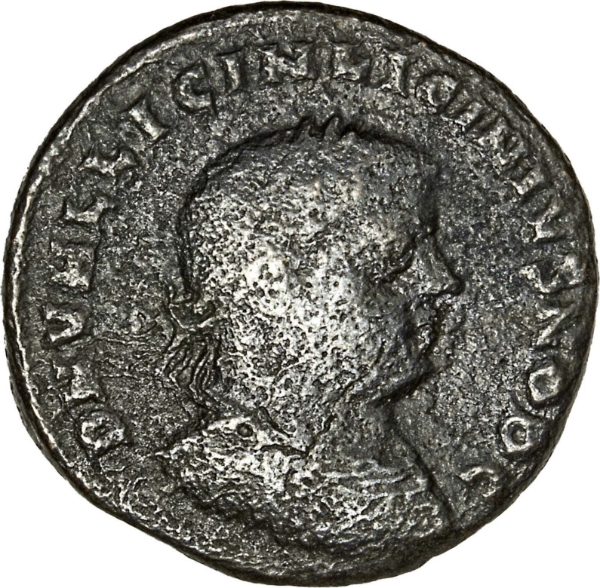
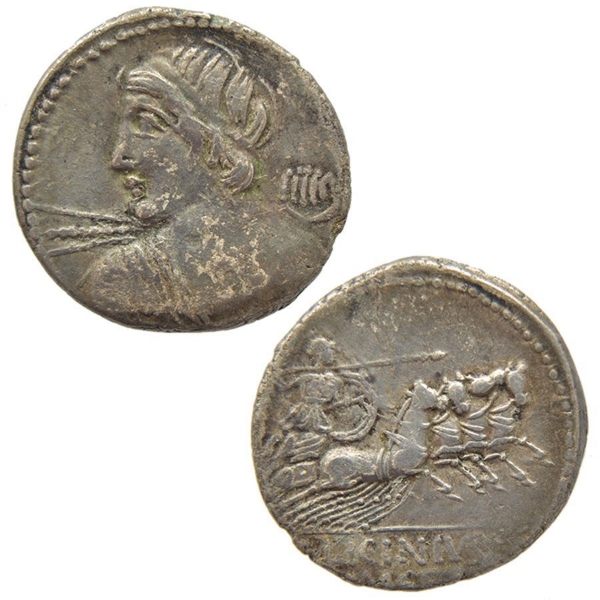
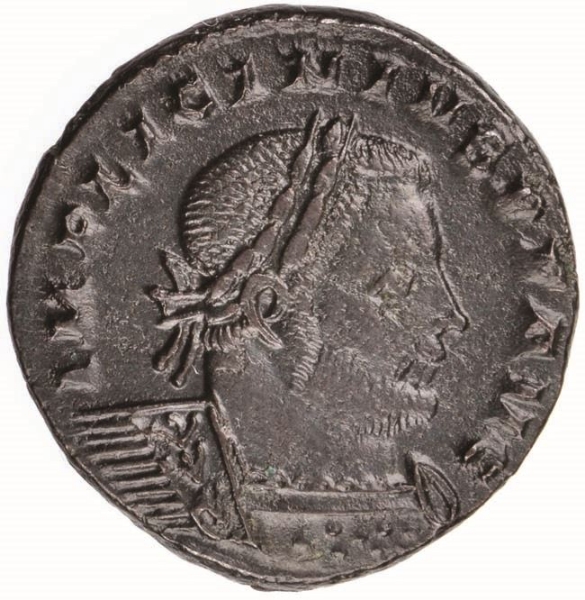
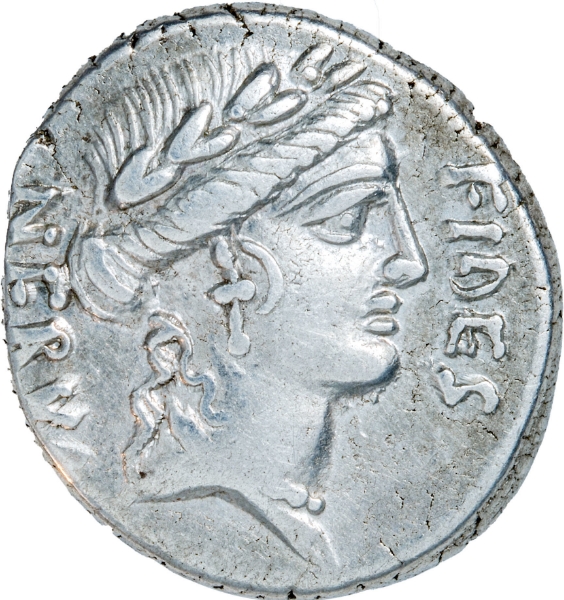
Why is Licinius important to coin collectors? For numismatists at Coincraft and beyond, Licinius’s coinage is a fascinating window into the propaganda of the era. While Constantine’s coins slowly began to reflect Christian or neutral monotheistic symbols, Licinius’s coins almost exclusively doubled down on traditional pagan imagery, frequently depicting Iovi Conservatori (Jupiter the Preserver) as his divine protector.
References
Leadbetter, W., 1997. Licinius (308-324 A.D.). De Imperatoribus Romanis. Available at: http://www.roman-emperors.org/licinius.htm
Grant, M., 1993. The Emperor Constantine. London: Weidenfeld & Nicolson.
Stephenson, P., 2009. Constantine: Unconquered Emperor, Christian Victor. London: Quercus.
Pohlsander, H. A., 1996. The Emperor Constantine. London: Routledge.
Odahl, C. M., 2004. Constantine and the Christian Empire. New York: Routledge.