 - ARC0097.jpg)
Picture Source of Constantius Gallus (326 – 354) - Gold Coin: Wikipedia
The Dramatic Tale Behind the Coins of Constantius Gallus (326–354 AD)
The study of fourth-century Roman numismatics offers profound insights into the turbulent political landscape of the Late Empire, particularly through the coinage of Flavius Claudius Constantius Gallus. Examining his brief but consequential tenure as Caesar provides a unique lens through which to analyze the intersection of dynastic instability, imperial propaganda, and military crisis during the Constantinian dynasty.
We’re going to peel back the layers of history to understand exactly who Constantius Gallus was, why his short-lived reign was so incredibly chaotic, and how you can spot his dramatic—and highly collectible—coinage. Grab your magnifying glass and a cozy cup of coffee, and let's bring some ancient history back to life!
Key Takeaways
The Ultimate Survivor: Gallus only survived a brutal royal family massacre in 337 AD because he was a severely sickly child, making him a perceived non-threat to his paranoid relatives.
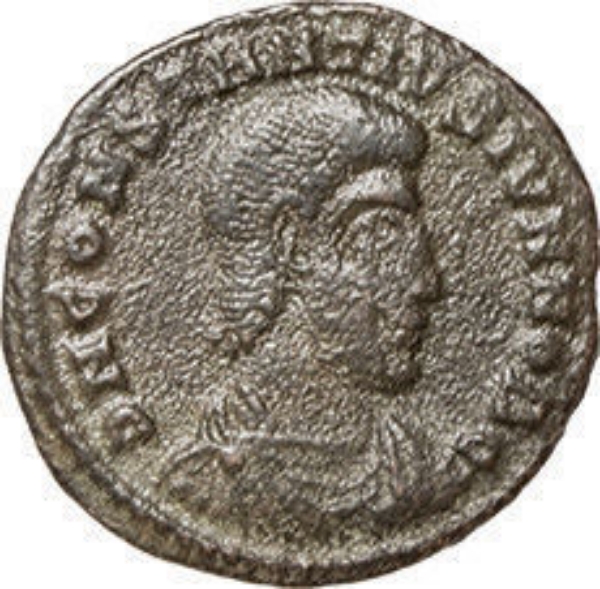
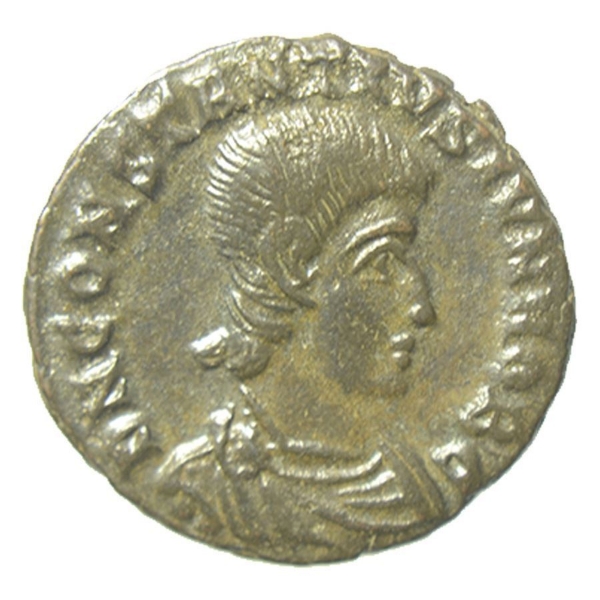
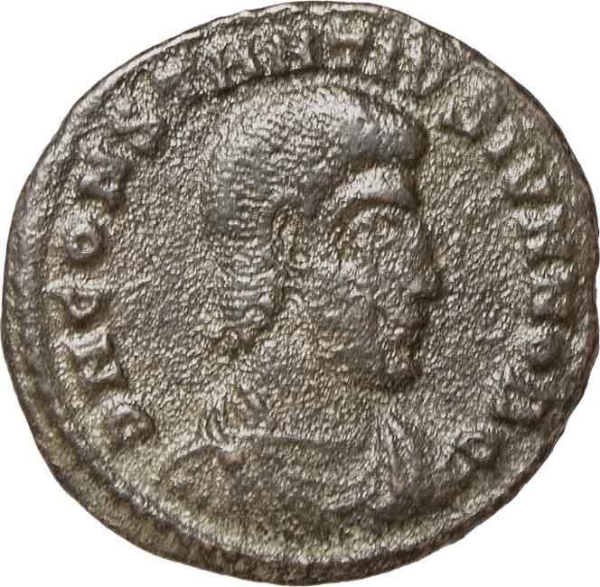
The Bare-Headed Caesar: On his coins, Gallus is famously depicted without the royal diadem (crown). Because he was only a "Caesar" (junior emperor) and not an "Augustus," his portrait is always bare-headed.
Action-Packed Imagery: His most famous coins feature the highly dramatic FEL TEMP REPARATIO reverse, which boldly depicts a Roman soldier spearing a fallen enemy horseman.
A Short, Tyrannical Run: He ruled the Eastern Roman provinces for just three years (351–354 AD) before his extreme cruelty led to his arrest and execution, making his coins a fascinating snapshot of a fleeting, turbulent era.
The Boy Who Lived (Roman Style)
To really appreciate the coins of Constantius Gallus, you first need to understand the absolute soap opera that was his life. Born around 326 AD in Etruria (modern-day Italy), Gallus was a grandson of Emperor Constantius Chlorus and a nephew of the legendary Constantine the Great(1).
When Constantine the Great died in 337 AD, a bloody purge swept through the imperial family as Constantine’s sons scrambled to secure their power. Almost all of Gallus’s male relatives were murdered. Why did Gallus survive? Historical accounts tell us that he was a very frail and sickly child. His cousin, Constantius II, who emerged as a dominant force, simply didn't view the ailing boy as a political threat. Gallus and his younger half-brother, Julian (who would later become famous as Julian the Apostate), were quietly tucked away and kept under strict observation(1).
Fast forward to 351 AD. Constantius II was facing a massive crisis. A usurper named Magnentius had seized control of the Western Empire, and Constantius II needed to march west to fight him. But he couldn't just leave the Eastern Empire undefended against the Persians. Out of sheer necessity, he pulled his 25-year-old cousin Gallus out of obscurity, elevated him to the rank of Caesar (a junior emperor or deputy), and married him off to his own sister, Constantina. Suddenly, the boy who lived in the shadows was the ruler of the Eastern Roman world, based in the magnificent city of Antioch.
Bare Heads and Bold Claims: Spotting a Gallus Coin
If you're sorting through a pile of Late Roman bronzes (often affectionately called LRBs by collectors), spotting a Constantius Gallus coin is a fun exercise in observation. Because both he and his boss shared the name "Constantius," identifying his coins can sometimes trip up new collectors!
Here is the secret: Look at the head and read the title. Constantius II was the Augustus (senior emperor), so his portraits always feature him wearing a pearl or rosette diadem. Gallus, on the other hand, was only a Caesar. According to the strict visual hierarchy of Roman coinage, junior emperors did not get to wear the crown. Therefore, Gallus is always depicted bare-headed(2).
You’ll also want to look closely at the inscription (the legend) around the edge of the obverse (the front of the coin). A typical legend for Gallus reads something like D N CONSTANTIVS IVN NOB C. Let's break that down without the jargon:
D N = Dominus Noster (Our Lord)
CONSTANTIVS = His name (he dropped "Gallus" on his official coinage)
IVN = Iunior (Junior)
NOB C = Nobilissimus Caesar (Most Noble Caesar)(2).
So, if you see a Constantius with a bare head and a "NOB C" title, you've got yourself a Gallus!
"Happy Days Are Here Again" – The FEL TEMP REPARATIO
Now let’s flip the coin over and look at the reverse, because this is where things get incredibly cinematic.
The vast majority of Gallus's coins belong to a massive coinage reform initiated in 348 AD. These coins share a common, highly optimistic slogan: FEL TEMP REPARATIO, which loosely translates to the "Restoration of Happy Times" or, as some numismatists like to joke, "Happy Days Are Here Again!"(3).
Despite the cheerful slogan, the imagery on Gallus’s most common coin is brutally violent. The reverse depicts a large, heavily armed Roman soldier lunging forward, thrusting his spear into a fallen barbarian horseman who is tumbling off his mount, reaching backward in a desperate plea for mercy(3).
Why the disconnect between the "Happy Days" text and the violent image? To the Roman mind, peace and prosperity didn't come from holding hands; they came from absolute military dominance. The "happy times" were returning because the Roman legions were actively crushing their enemies at the borders. Holding one of these "Falling Horseman" coins is like holding a piece of official Roman state propaganda right in the palm of your hand!
A Short Reign, A Lasting Legacy
So, how did Gallus fare as a ruler? To put it mildly: terribly.
Having grown up as a virtual prisoner, Gallus did not handle power well. When he arrived in Antioch, he quickly developed a reputation for extreme paranoia, cruelty, and tyranny. He relied heavily on a network of spies, instituted brutal treason trials, and casually executed local nobles and merchants. At one point, during a severe grain shortage, he simply handed the governor of Syria over to an angry mob to be murdered(4).
His behavior became such a massive liability that complaints began flooding back to Constantius II in the West. Fearing that Gallus was going to trigger a massive rebellion—or worse, attempt to usurp the throne entirely—Constantius II summoned his cousin back to Italy under the guise of a promotion.
Gallus, perhaps knowing his days were numbered, reluctantly made the journey. He was intercepted in Pola (modern-day Croatia), stripped of his imperial robes, tried for treason, and executed in 354 AD. He was only 28 years old(1).
Because his reign lasted a mere three years, Constantius Gallus remains one of the more elusive and fascinating figures of the Constantinian dynasty for coin collectors(4). His bronze coins are a physical testament to a young man who survived against all odds, only to be entirely corrupted by the power he was handed.
Next time you come across a bare-headed Constantius with a falling horseman on the back, take a moment to appreciate the wild, tragic, and utterly human story stamped into that ancient piece of bronze!
FAQs
Why is Constantius Gallus always bare-headed on his coins? In the Roman Empire, portraiture was highly regulated to show political rank. Constantius Gallus was a Caesar (a junior emperor or heir), not an Augustus (senior emperor). Only an Augustus was permitted to wear the imperial diadem (crown) on coinage, so Gallus is consistently depicted with a bare head.
What does FEL TEMP REPARATIO actually mean? It is a Latin abbreviation for Felicium Temporum Reparatio, which translates roughly to the "Restoration of Happy Times." It was a widespread propaganda slogan introduced in 348 AD to assure Roman citizens that the empire was returning to an era of peace, security, and prosperity (usually achieved by defeating barbarians!).
Are Constantius Gallus coins rare? While he only ruled for three years (making him rarer than long-ruling emperors like Constantine the Great), his coins were minted in relatively large quantities to pay soldiers in the East. Today, his common bronze types (like the Falling Horseman) are quite accessible and affordable for everyday collectors, though perfectly preserved specimens command a premium.
References
British Museum, n.d. Constantius Gallus. [online] British Museum Collection. Available at: https://www.britishmuseum.org/collection/term/BIOG140677 [Accessed 27 Mar. 2026].
Estiot, S. (Augustus Coins), n.d. Gallus. [online] Augustuscoins.com. Available at: http://augustuscoins.com/ed/Gallus/ [Accessed 27 Mar. 2026].
Smith, D., 1997. FEL TEMP REPARATIO. [online] FORVM Ancient Coins. Available at: https://www.forumancientcoins.com/dougsmith/ftr.html [Accessed 27 Mar. 2026].
Coincraft, n.d. Constantius Gallus Bronze Coin in Very Fine. [online] Coincraft.com. Available at: https://coincraft.com/constantius-gallus-bronze-coin-in-very-fine [Accessed 27 Mar. 2026].