 - AEL2030.jpg)
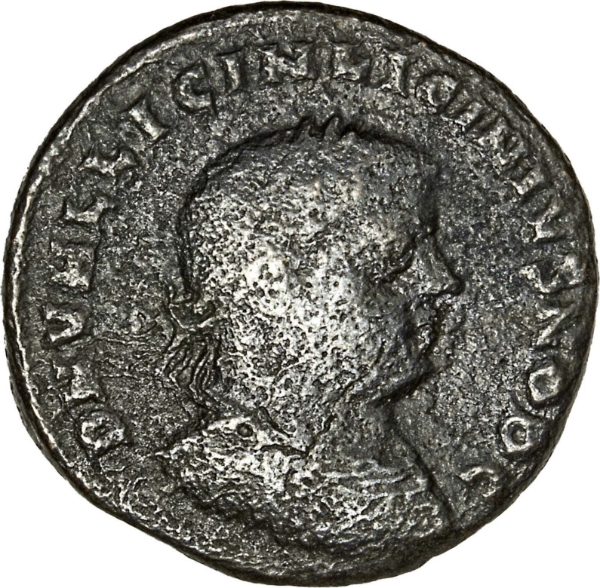
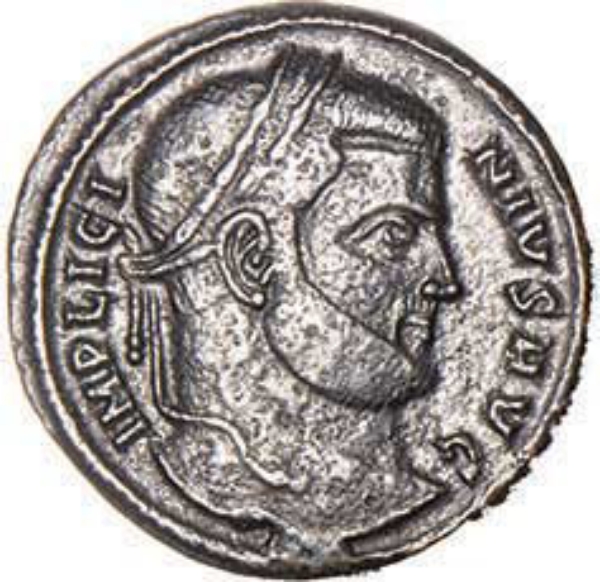
Picture Source of Licinius: Wikipedia
Introduction to Valerius Licinianus Licinius
Valerius Licinianus Licinius, a prominent figure of the ancient Roman Empire, remains a subject of intrigue for historians and enthusiasts alike. As a member of the Licinian family, his legacy is intertwined with the intricate tapestry of Roman political and military history. Exploring his life provides insights into the mechanisms that governed one of history's most formidable empires. His influence, though often overshadowed by other prominent figures, was nonetheless significant.
Born into a period of transformation and turmoil, Licinius navigated the complexities of Roman politics with a blend of strategic acumen and ambition. His rise to power was marked by alliances and rivalries that shaped the trajectory of the empire. While his name may not resonate as profoundly as some of his contemporaries, understanding his role sheds light on the broader narrative of Roman governance and society.
This exploration of Valerius Licinianus Licinius serves as a foundation for a comparative analysis with another distinguished Roman, Marcus Licinius Crassus. By examining their lives and legacies, one can appreciate the diverse paths to influence within the Roman state and the varied impacts they left on history.
Historical Context of Marcus Licinius Crassus
Marcus Licinius Crassus, a titan of Roman history, is often remembered for his immense wealth and his pivotal role in the First Triumvirate alongside Julius Caesar and Pompey the Great. His life provides a lens through which to examine the economic and political landscape of late Republican Rome. Crassus's ability to amass wealth and leverage it for political gain exemplifies the interplay between economic power and political influence in ancient Rome.
The period in which Crassus lived was characterised by significant social and political upheaval. The Roman Republic was transitioning, with traditional structures being challenged by ambitious leaders. Crassus, with his keen business acumen, capitalised on these changes, amassing one of the largest fortunes in Roman history. His wealth was not merely a personal asset but a tool he wielded in the pursuit of political power.
However, Crassus's ambitions reached beyond wealth accumulation. His military campaigns, particularly the ill-fated Parthian campaign, highlight a desire for martial glory that was never fully realised. Understanding Crassus's historical context helps in appreciating the nuanced dynamics that shaped his strategies and ultimately his legacy within the Roman polity.
Comparative Analysis: Valerius Licinianus Licinius and Marcus Licinius Crassus
The comparison between Valerius Licinianus Licinius and Marcus Licinius Crassus offers a fascinating glimpse into the varied approaches to power and legacy in ancient Rome. While both men operated within the same overarching system, their strategies and outcomes diverged significantly, reflecting their distinct personalities and ambitions.
Valerius Licinianus Licinius, with his strategic alliances and political manoeuvring, contrasted with Crassus's emphasis on wealth as a means to influence. Licinius's approach was more subtle, relying on the intricate web of political relationships to secure his standing. This method highlights the importance of diplomacy and negotiation in the Roman political arena, where power was often as much about perception as it was about tangible assets.
Conversely, Marcus Licinius Crassus epitomised a more direct application of wealth to secure political objectives. His financial resources allowed him to wield considerable influence, yet they also exposed him to risks, as seen in his military endeavours. The comparison underscores how different paths within the Roman system could lead to varying degrees of success and failure, shaping each figure's legacy.
Political Influence and Power Dynamics
In analysing the political influence and power dynamics of Valerius Licinianus Licinius and Marcus Licinius Crassus, one observes the diverse strategies employed by these prominent figures. Each utilised their unique strengths to navigate the intricate political landscape of Rome, reflecting the multifaceted nature of power in the ancient world.
Valerius Licinianus Licinius's political influence was largely rooted in his capacity to forge strategic alliances. By cultivating relationships with key political figures, he was able to manoeuvre effectively within the Roman political system. This approach emphasised consensus-building and coalition formation, which were crucial in an environment where overt displays of power could provoke opposition.
In contrast, Marcus Licinius Crassus employed his immense wealth as a means to exert political influence. His financial power enabled him to support political allies, fund public works, and sway public opinion. Crassus's approach illustrates the potential of economic resources to shape political trajectories, although it also underscores the vulnerabilities inherent in relying heavily on wealth as a primary source of power.
The power dynamics surrounding these two figures reveal much about the broader Roman political landscape. While both individuals were adept at navigating this world, their differing approaches underscore the complexity and diversity of political strategies available to Roman leaders.
Military Achievements and Strategies
The military achievements and strategies of Valerius Licinianus Licinius and Marcus Licinius Crassus provide further insight into their respective legacies. While each pursued military glory, their methods and outcomes illustrate the varied paths to martial success in ancient Rome.
Valerius Licinianus Licinius, though not as renowned for military exploits as Crassus, played a role in shaping military strategies through his political influence. His ability to support military campaigns indirectly, through alliances and strategic decision-making, contributed to his standing within the Roman hierarchy. This approach highlights the importance of political backing in achieving military objectives.
Marcus Licinius Crassus, on the other hand, is often remembered for his direct involvement in military campaigns, most notably his disastrous Parthian expedition. His strategies, which relied heavily on traditional Roman military tactics, were ultimately less successful than anticipated. Crassus's military endeavours underscore the risks associated with overreaching ambition and the potential consequences of underestimating one's adversaries.
The contrast in their military strategies and achievements provides a broader understanding of the complexities involved in Roman military leadership. While both sought to enhance their legacies through martial success, their differing approaches and outcomes reflect the challenges and uncertainties inherent in military pursuits.
Economic Contributions and Wealth Accumulation
Economic contributions and wealth accumulation were significant aspects of both Valerius Licinianus Licinius's and Marcus Licinius Crassus's legacies, reflecting the critical role of economic power in Roman society. Each figure's approach to wealth and its utilisation reveals much about their character and strategic priorities.
Valerius Licinianus Licinius, while not as wealthy as Crassus, understood the importance of economic resources in supporting political ambitions. His economic contributions, though less documented, were nonetheless pivotal in maintaining his influence. By aligning with economically powerful allies, Licinius ensured access to the resources necessary to sustain his political and military endeavours.
Marcus Licinius Crassus, in contrast, is famously associated with immense wealth. His economic activities, ranging from real estate investments to lending at interest, positioned him as one of the wealthiest men in Roman history. Crassus's accumulation of wealth was not merely for personal enrichment but was strategically utilised to build political capital and support his ambitions.
The economic strategies employed by both individuals underscore the importance of wealth as a tool for influence in ancient Rome. While their approaches differed, each recognised the power of economic resources in shaping political and military landscapes.
Public Perception and Legacy in Ancient Rome
Public perception and legacy are crucial elements in understanding the historical impact of Valerius Licinianus Licinius and Marcus Licinius Crassus. The way each figure was perceived by their contemporaries and later generations significantly influenced their enduring legacies.
Valerius Licinianus Licinius, with his emphasis on strategic alliances and political acumen, was perceived as a skilled negotiator and diplomat. His legacy, though not as celebrated as some of his peers, reflects the respect he commanded within political circles. Licinius's ability to influence without overt displays of power contributed to a reputation of wisdom and foresight.
Marcus Licinius Crassus, conversely, faced a more complex public perception. While his wealth and political influence garnered admiration, his military failures, particularly the Parthian campaign, left a more tarnished legacy. Crassus's ambition and the dramatic nature of his defeats contributed to a more controversial reputation, illustrating the volatile nature of public opinion in ancient Rome.
The legacies of both figures highlight the importance of public perception in shaping historical narratives. While their achievements and failures differed, the way each was remembered reflects broader societal attitudes towards power, ambition, and influence.
The Impact on Roman Society and Governance
The impact of Valerius Licinianus Licinius and Marcus Licinius Crassus on Roman society and governance underscores their significance in shaping the political and military fabric of their time. Their actions and decisions influenced the trajectory of Rome, leaving lasting implications for subsequent generations.
Valerius Licinianus Licinius's impact on Roman governance can be seen in his ability to navigate the political landscape through alliances and strategic decision-making. His influence, while subtle, contributed to the stability and continuity of Roman political structures. Licinius's legacy is a testament to the power of diplomacy and consensus-building in maintaining governance.
Marcus Licinius Crassus's impact, while more overt, was equally significant. His economic policies and political manoeuvring reshaped the financial landscape of Rome, illustrating the potential for individual wealth to influence broader economic systems. Crassus's role in the First Triumvirate also left an indelible mark on Roman politics, highlighting the potential for collaboration and rivalry among powerful leaders.
The influence of both figures on Roman society and governance reflects the complexities of leadership and the diverse paths to power in ancient Rome. Their legacies continue to inform contemporary understandings of political strategy and the interplay between wealth, influence, and governance.
The Lasting Influence of Licinius and Crassus
In conclusion, the lasting influence of Valerius Licinianus Licinius and Marcus Licinius Crassus on Roman history is a testament to the varied paths to power and legacy in the ancient world. Through their unique approaches to politics, military strategy, and economic influence, each left a distinct mark on the Roman Empire.
Valerius Licinianus Licinius's legacy is characterised by his diplomatic acumen and ability to forge alliances, demonstrating the power of subtlety and negotiation in achieving political objectives. His influence, while not as widely recognised, remains an important example of strategic leadership in ancient Rome.
Marcus Licinius Crassus, with his immense wealth and ambitious pursuits, exemplifies the potential and peril of leveraging economic power for political gain. His life serves as a cautionary tale of the risks associated with unchecked ambition and the complexities of military leadership.
Ultimately, the comparative analysis of these two figures provides valuable insights into the diverse strategies employed by Roman leaders and the enduring impact of their legacies. As we reflect on their contributions to history, we are reminded of the intricate interplay between power, ambition, and legacy in shaping the course of human events.