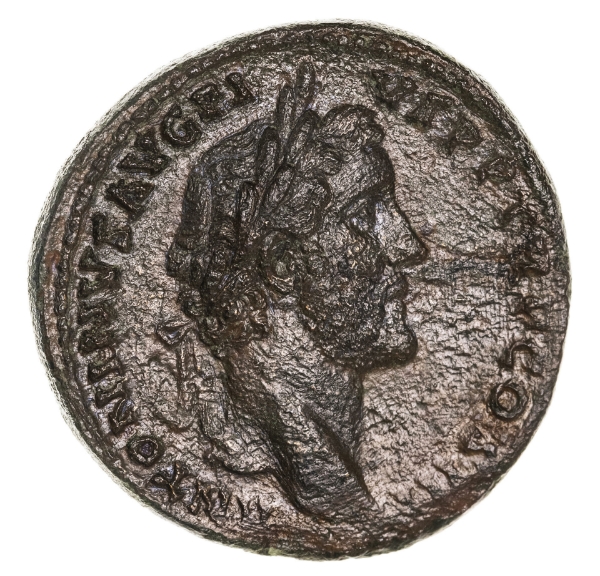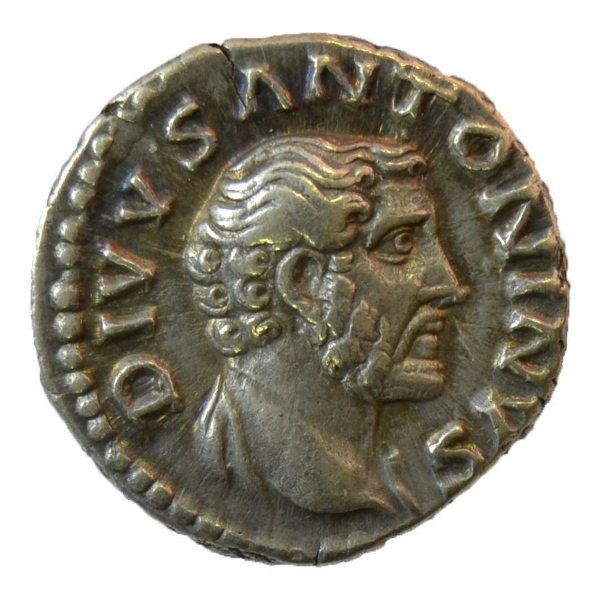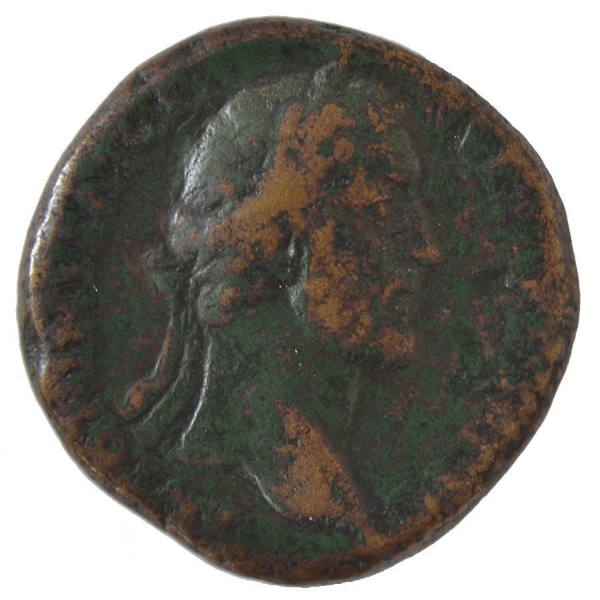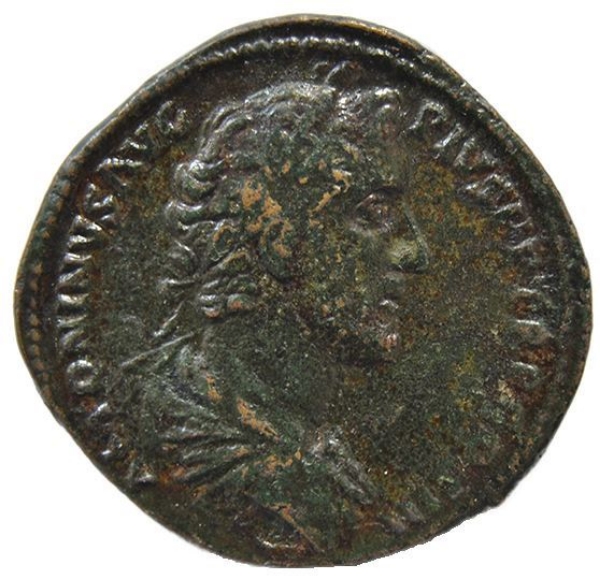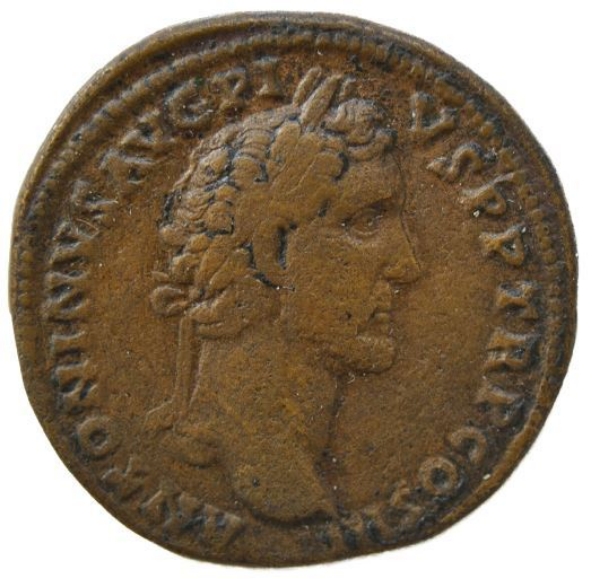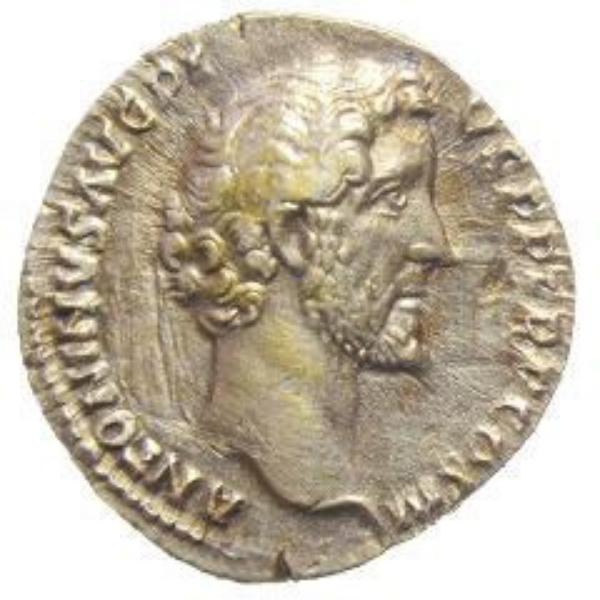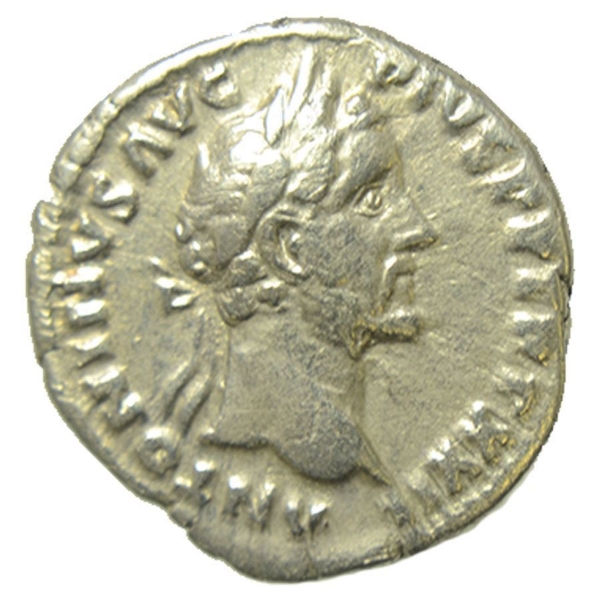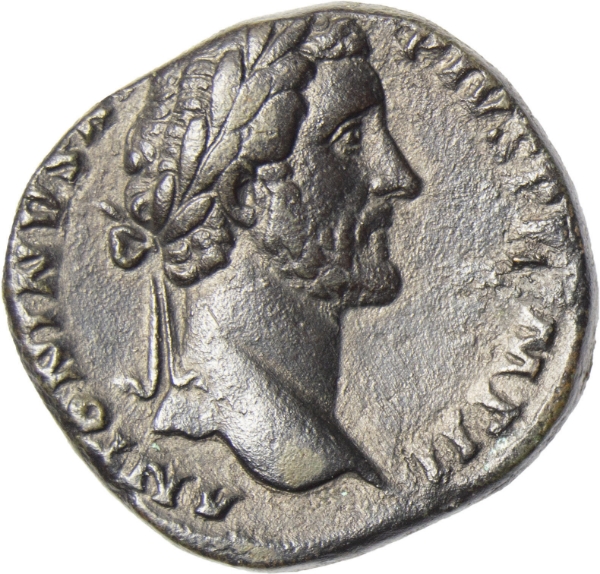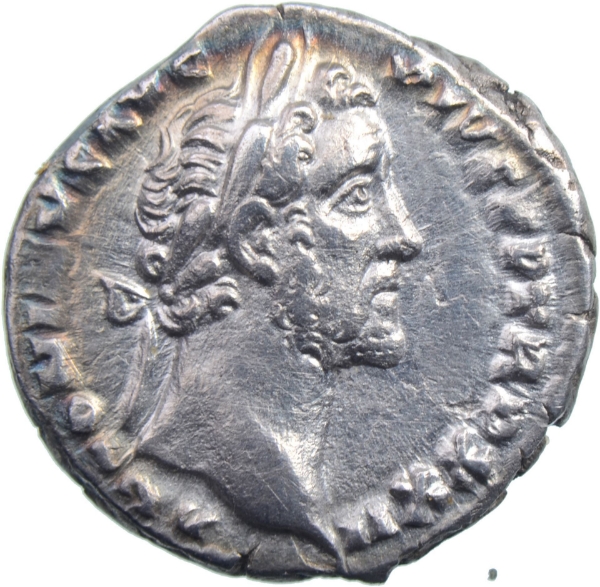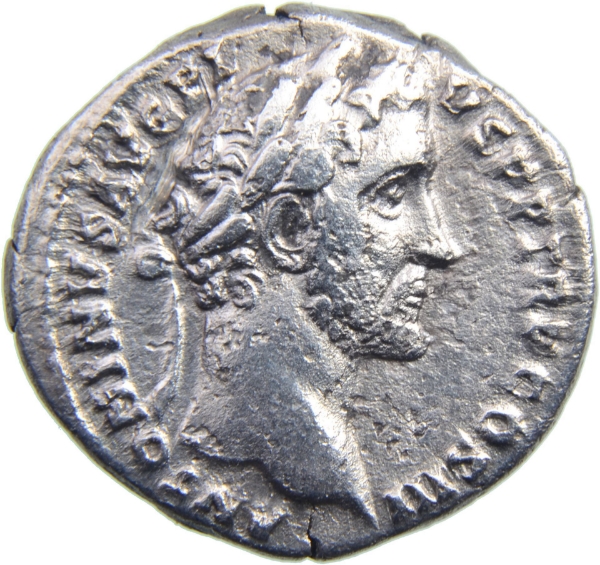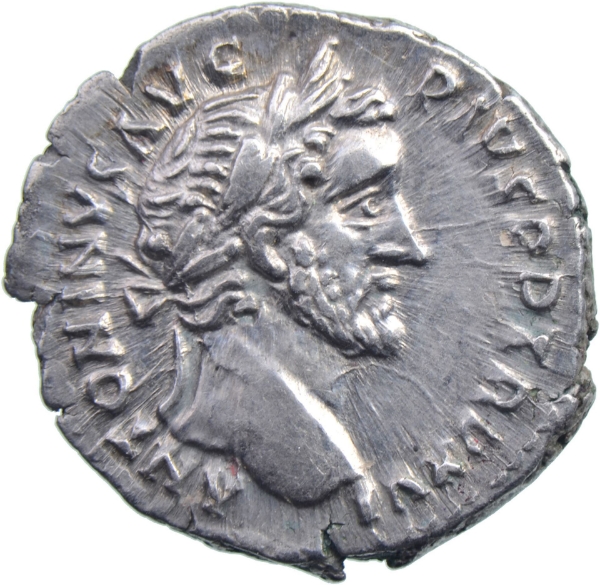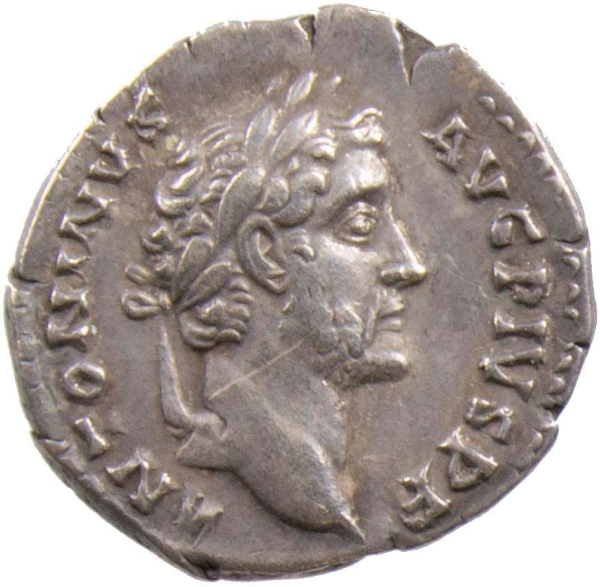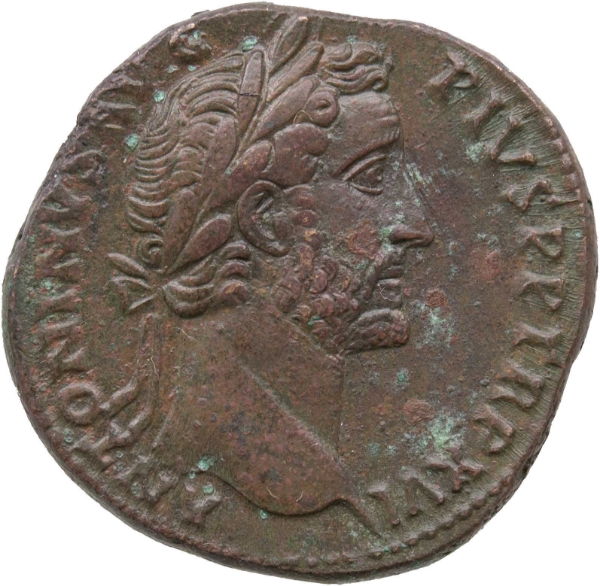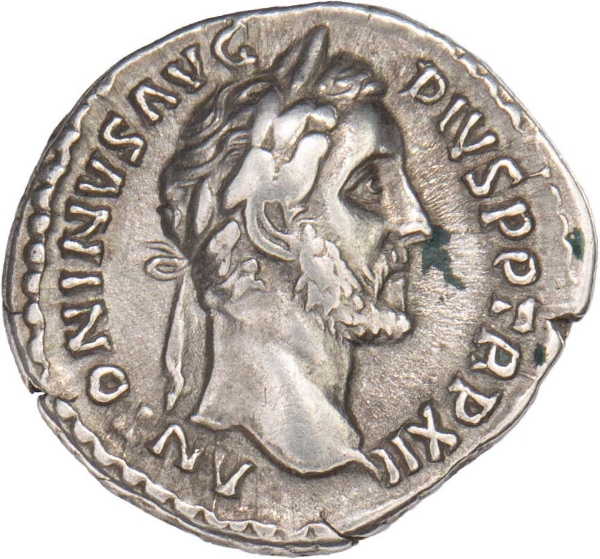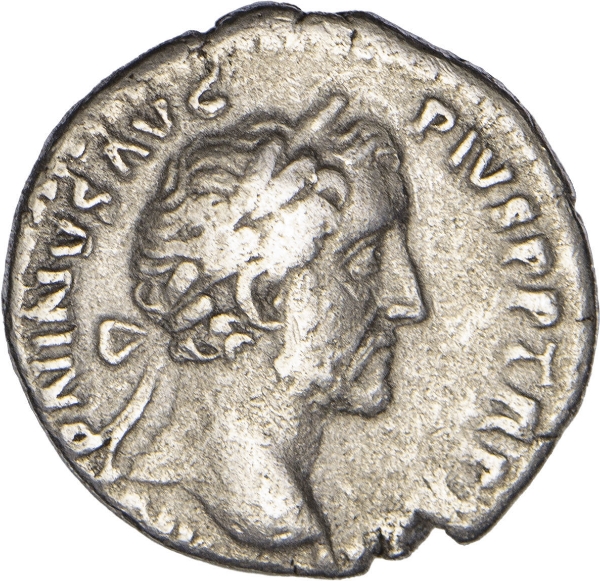
 - AC1099.jpg)
Picture Source of Antoninus Pius: Wikipedia
The Most Underrated Roman Emperor: Why Being "Boring" Was Antoninus Pius's Superpower
Let’s be honest: when we think of Roman Emperors, we usually think of the drama. We think of Nero fiddling while Rome burned, Caligula declaring war on the sea, or Caesar getting stabbed by his best friends. It’s like an ancient version of a reality TV show gone wrong.
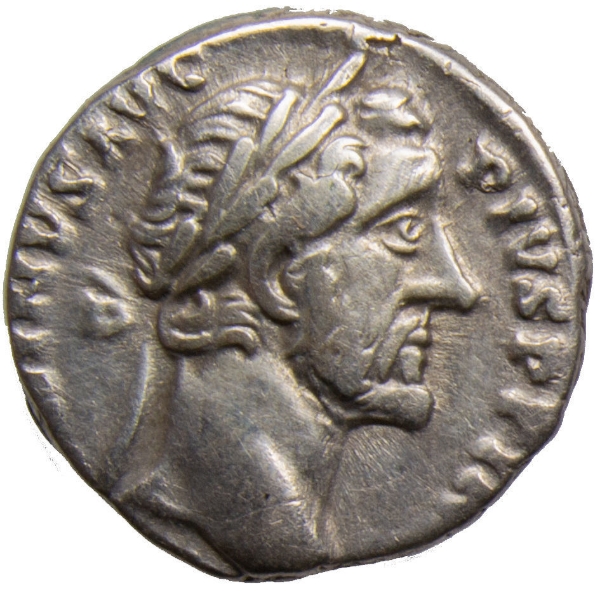
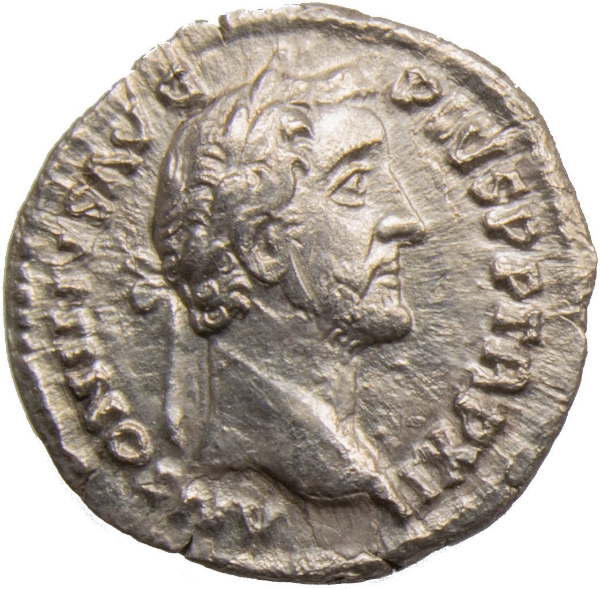
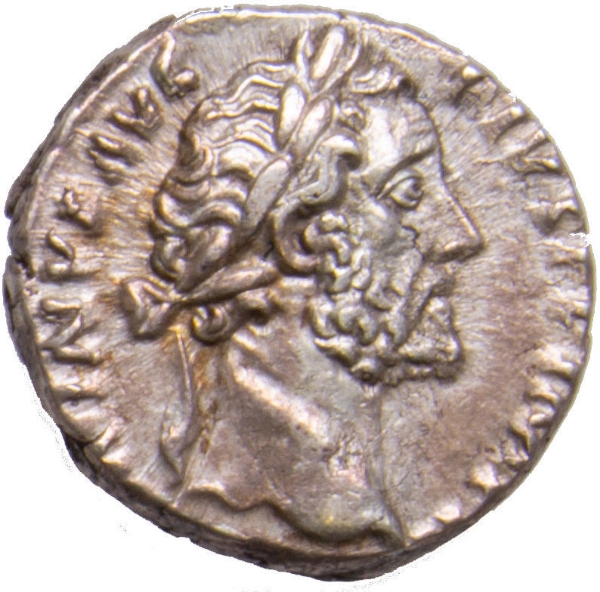
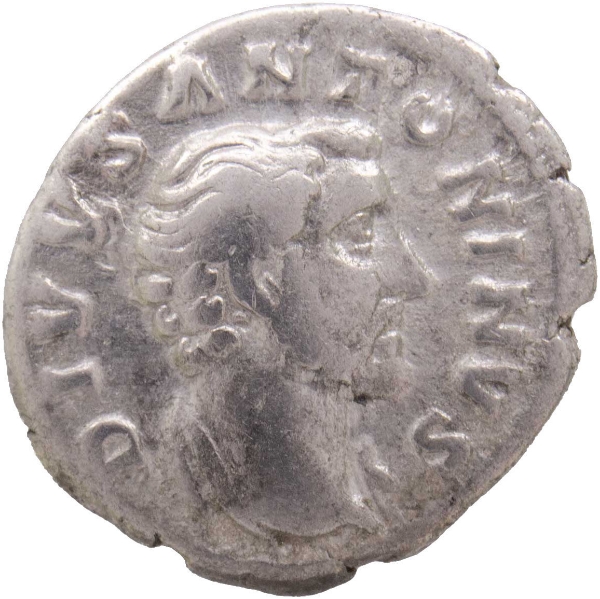
But nestled right in the middle of the 2nd century AD was a man who was the complete opposite of all that chaos. His name was Antoninus Pius, and he is arguably the best ruler Rome ever had precisely because his reign was so... well, uneventful. He didn't conquer new lands, he didn't murder his rivals, and he didn't build a golden palace for himself. Instead, he stayed home, balanced the budget, and treated people with respect.
In this post, we’re going to dive into the life of the man who proved that sometimes, the best leader is the one who simply does their job really, really well.
Key Takeaways
Peace Over War: Antoninus Pius is famous for maintaining peace throughout his 23-year reign, a period known as the height of the Pax Romana.
Human Rights Pioneer: He introduced radical legal reforms, including the concept that a person is "innocent until proven guilty."
Fiscal Responsibility: Unlike many predecessors, he left the Roman treasury with a massive surplus upon his death.
Devoted Husband: His love for his wife, Faustina, led to the creation of charities for improved welfare for orphaned girls.
The Accidental Emperor
Antoninus wasn't exactly gunning for the throne from birth. Born in 86 AD near Lanuvium (just south of Rome), he came from a wealthy, sensible family of politicians.¹ He lived a fairly standard upper-class life: he managed his estates, served as a consul, and generally kept his nose clean.
He likely would have retired happily to his country villa if not for the Emperor Hadrian. As Hadrian’s health was failing, he needed an heir. After his first choice died, Hadrian looked at the reliable, steady 51-year-old Antoninus and essentially said, "You'll do."
But there was a catch. Hadrian adopted Antoninus on the condition that Antoninus adopt two younger men as his sons: Marcus Aurelius (the future philosopher-king) and Lucius Verus.² It was a complex succession plan, but Antoninus accepted it with the dutiful nature that would later earn him the nickname Pius (dutiful).
![Image: A marble bust of Antoninus Pius, showing a bearded man with a calm, serious expression.]
The Art of Doing Nothing (Successfully)
When Antoninus took the throne in 138 AD, everyone probably expected him to march off to war to prove his strength. That’s just what Emperors did.
Instead, Antoninus did something radical: he stayed home.
He is unique among Roman Emperors because he never left Italy during his entire 23-year reign.³ He believed that if the Emperor was traveling with his massive entourage, it was too expensive for the provinces to host him. By staying in Rome (or his country estates), he saved the empire a fortune.
This doesn't mean he was lazy. He was a micromanager in the best sense. He corresponded constantly with governors, keeping a close eye on the empire's borders without needing to be there physically. While he did authorize the building of the Antonine Wall in Scotland (just north of Hadrian's Wall), his policy was almost entirely defensive.⁴ He preferred diplomacy over conquest, famously saying he would rather save one citizen than kill a thousand enemies.
The Law and The Lady
If his foreign policy was quiet, his domestic policy was revolutionary. Antoninus was a stickler for the law, but he tempered it with humanity.
He passed laws that we would recognize as modern human rights today. He protected slaves from being killed by their masters without cause and declared that if a slave sought sanctuary at a statue of the Emperor to escape abuse, their case had to be heard.⁵ Most importantly for us today, he is credited with establishing the legal principle that "accused persons should not be considered guilty before they are convicted"—the bedrock of innocent until proven guilty.³
But perhaps the most touching part of his story is his relationship with his wife, Faustina the Elder.
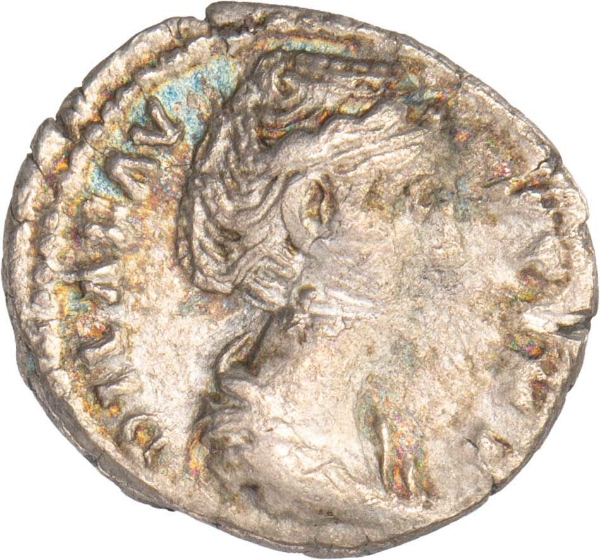
In a world where political marriages were cold and transactional, Antoninus genuinely loved Faustina. When she died just three years into his reign, he was devastated. He didn't just have her deified (made into a goddess); he started a charity in her name. The Puellae Faustinianae (Girls of Faustina) provided food and education for poor and orphaned girls in Rome.⁶ It was a sweet, practical legacy for the woman he loved.
![Image: A coin featuring the profile of Empress Faustina the Elder, with the inscription DIVA FAUSTINA.]
A "Cheesy" End to a Golden Era
After 23 years of peace and prosperity—the longest reign since Augustus—Antoninus Pius passed away in 161 AD at his estate in Lorium.
The story of his death is actually quite relatable. According to historical accounts, he essentially ate too much Alpine cheese at dinner, vomited during the night, and developed a fever that killed him a few days later.⁷
On his deathbed, when the guard asked him for the password of the day, he whispered, "Aequanimitas" (Equanimity or Calmness).⁸ It was the perfect final word for a man who had brought a sense of calm to a chaotic world. He handed the empire over to Marcus Aurelius, leaving behind a full treasury and a stable government—a gift that few Emperors ever gave their successors.
FAQs
1. Why is he called "Pius"? He earned the cognomen Pius (meaning dutiful or affectionate) shortly after becoming Emperor. The most popular theory is that he fought hard to have the Senate deify his adoptive father, Hadrian, despite the Senate hating Hadrian. It showed his loyalty and sense of duty.¹
2. Did Antoninus Pius fight any wars? There were no major wars during his reign, which is incredibly rare for Rome. There were minor skirmishes and the construction of the Antonine Wall in Britain, but he never commanded an army in person and preferred to settle disputes diplomatically.³
3. What is the Antonine Wall? It was a turf fortification built in Scotland, about 100 miles north of the famous Hadrian's Wall. It was intended to extend Rome's frontier, but it was abandoned shortly after Antoninus's death as the legions retreated back to the stronger Hadrian's Wall.⁴
References
Britannica, T. Editors of Encyclopaedia (2024) Antoninus Pius. Available at: https://www.britannica.com/biography/Antoninus-Pius [Accessed 8 Jan 2026].
Weigel, R. D. (1998) Antoninus Pius (A.D. 138-161). De Imperatoribus Romanis. Available at: https://www.google.com/search?q=http://www.roman-emperors.org/tonypis.htm [Accessed 8 Jan 2026].
Wasson, D. L. (2013) Antoninus Pius. World History Encyclopedia. Available at: https://www.worldhistory.org/Antoninus_Pius/ [Accessed 8 Jan 2026].
Historic Environment Scotland (n.d.) History of the Antonine Wall. Available at: https://www.antoninewall.org/ [Accessed 8 Jan 2026].
Abasciano, M. (2022) The Legal Reforms of Antoninus Pius. The Roman Law Journal. [Accessed 8 Jan 2026].
National Geographic Society (2019) The Roman emperor who died from eating too much cheese. Available at: https://www.nationalgeographic.com [Accessed 8 Jan 2026].
Historia Augusta (n.d.) Life of Antoninus Pius. Available at: https://penelope.uchicago.edu/Thayer/E/Roman/Texts/Historia_Augusta/Antoninus_Pius*.html [Accessed 8 Jan 2026].
Birley, A. R. (2000) Marcus Aurelius: A Biography. London: Routledge.