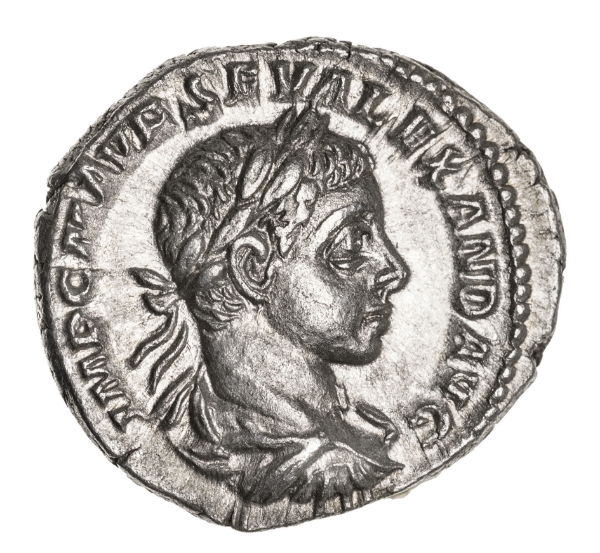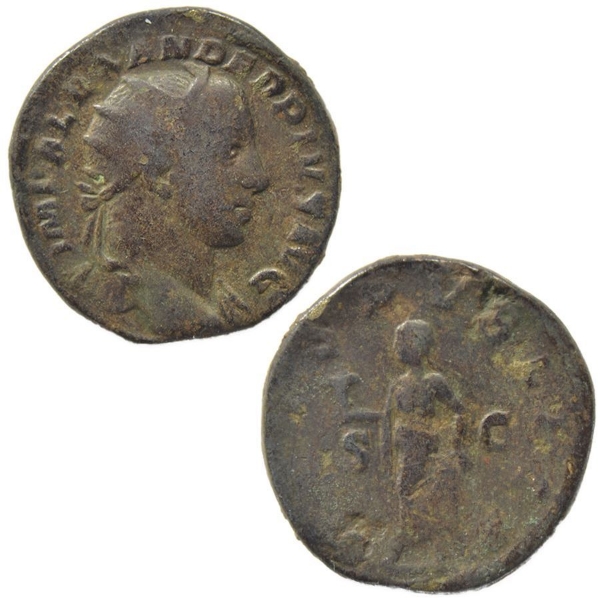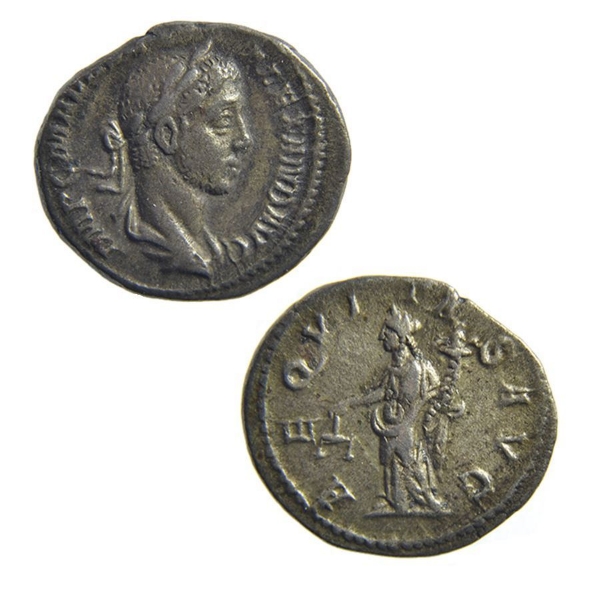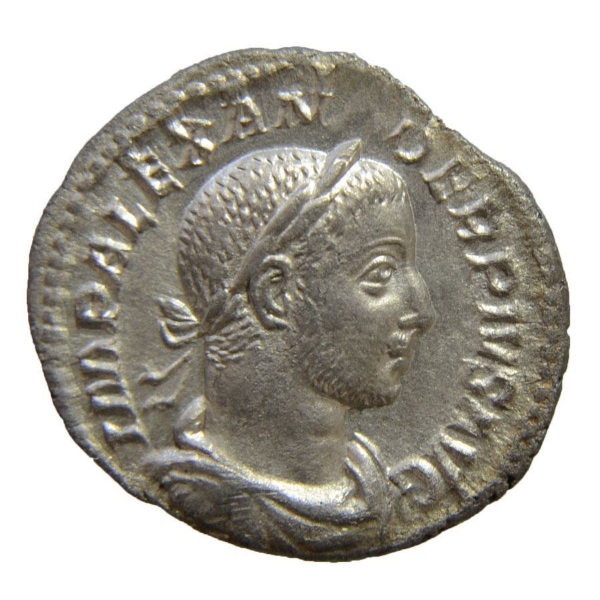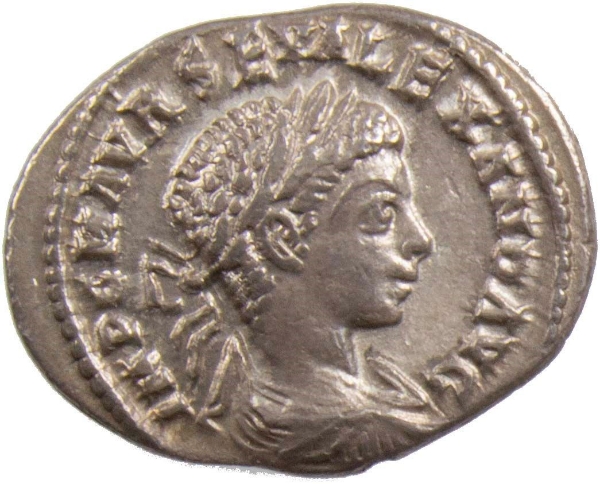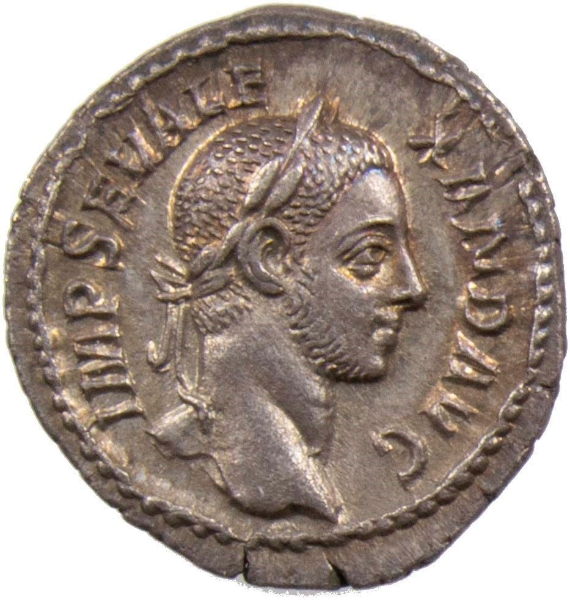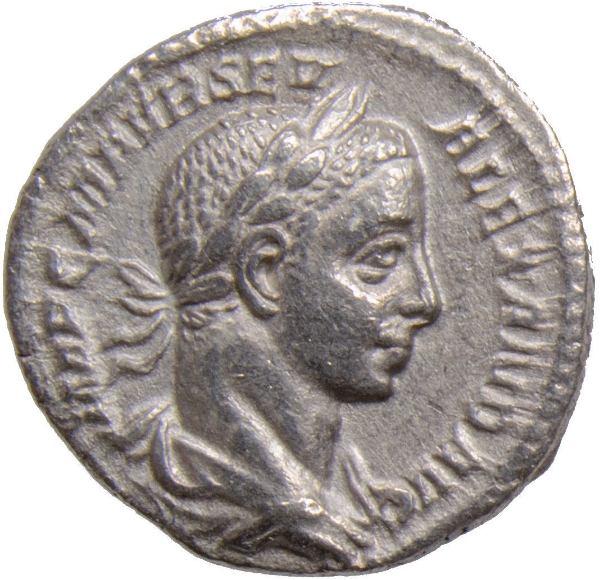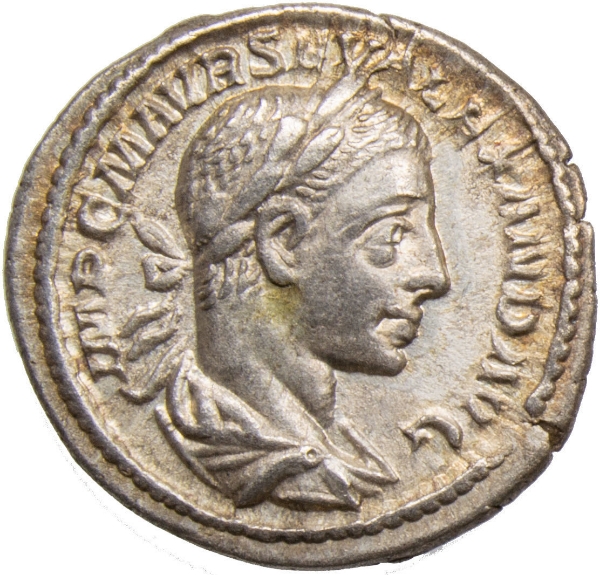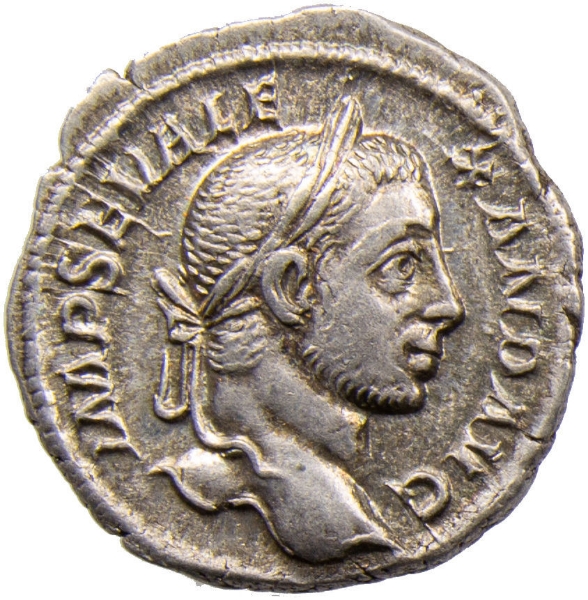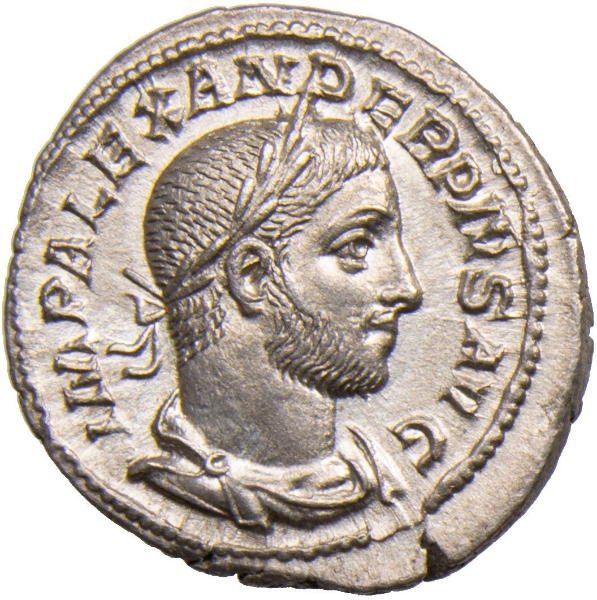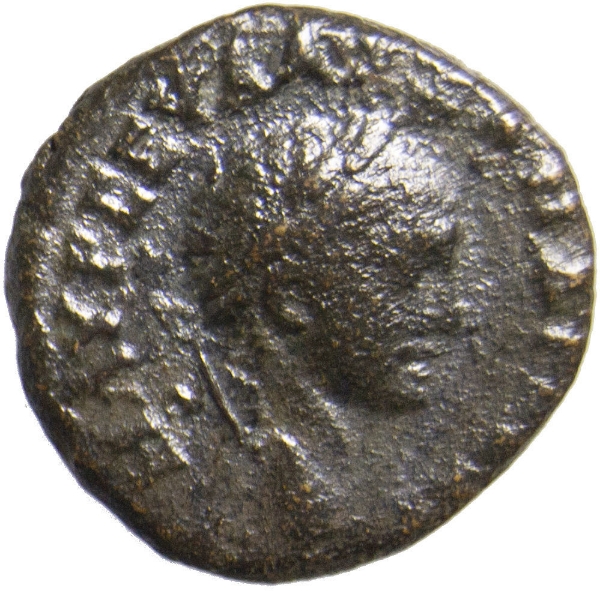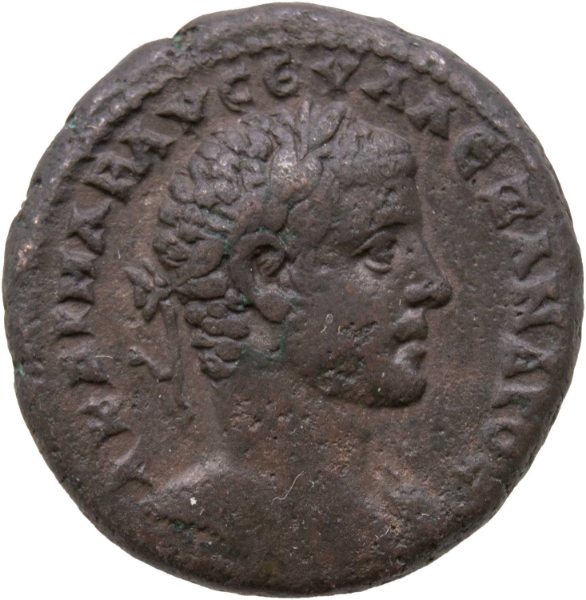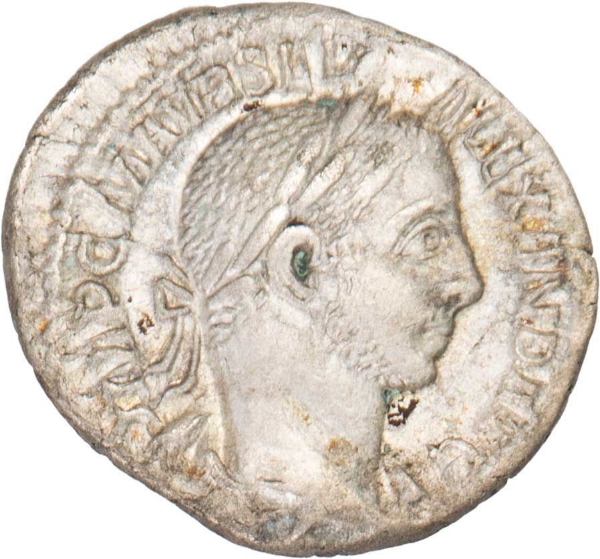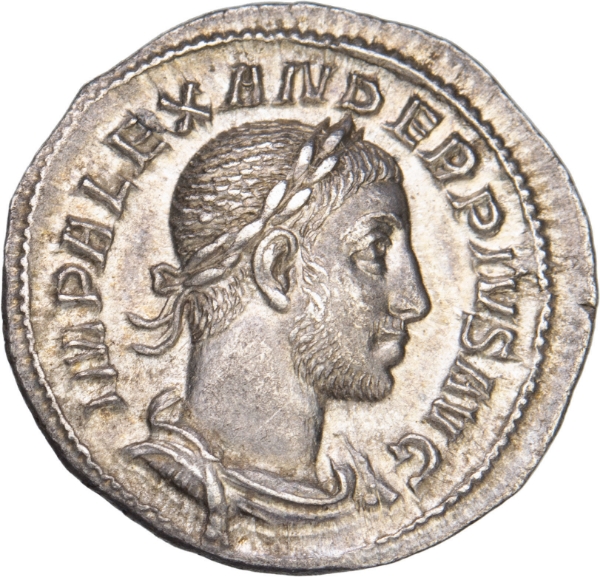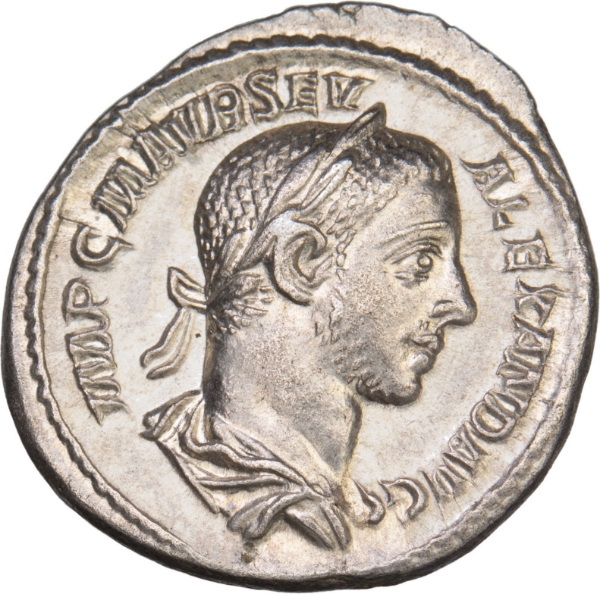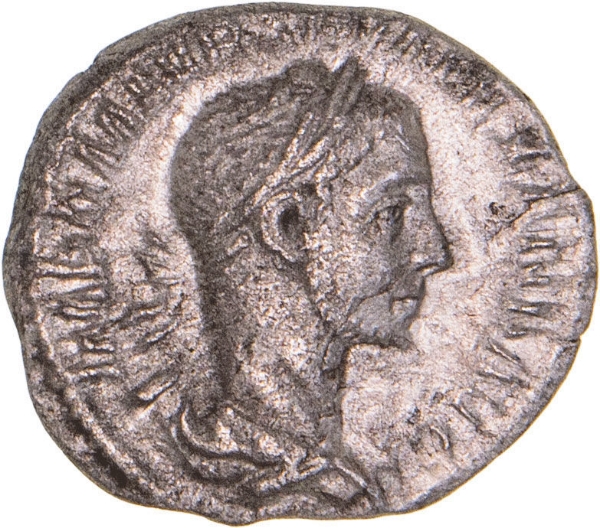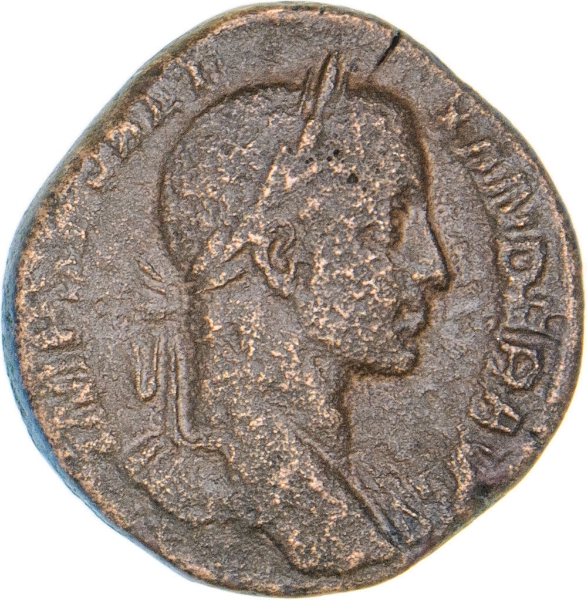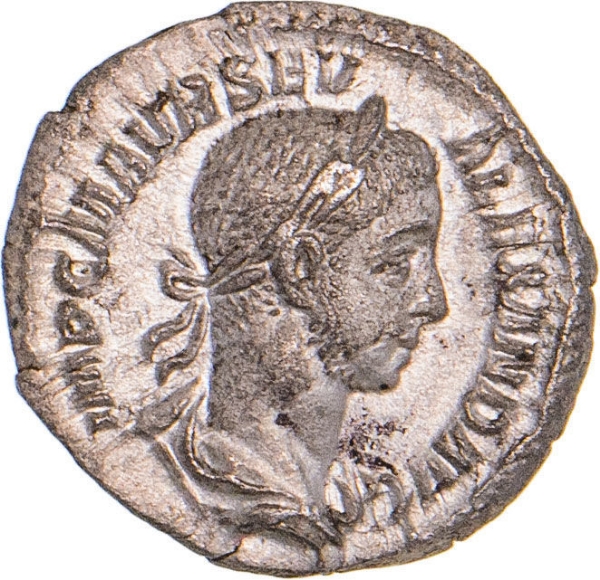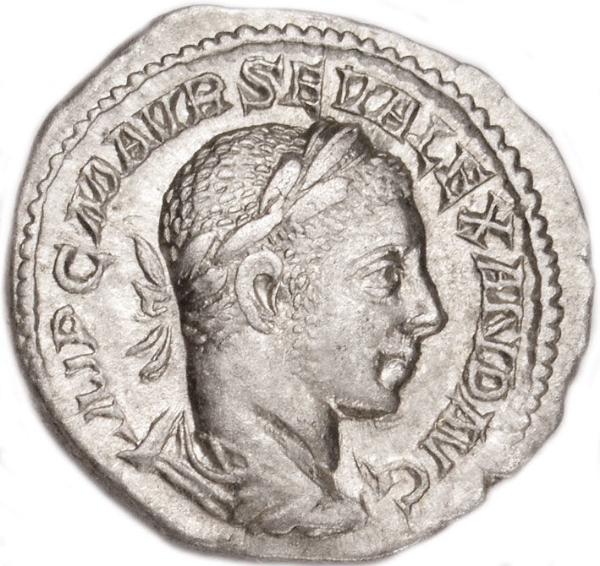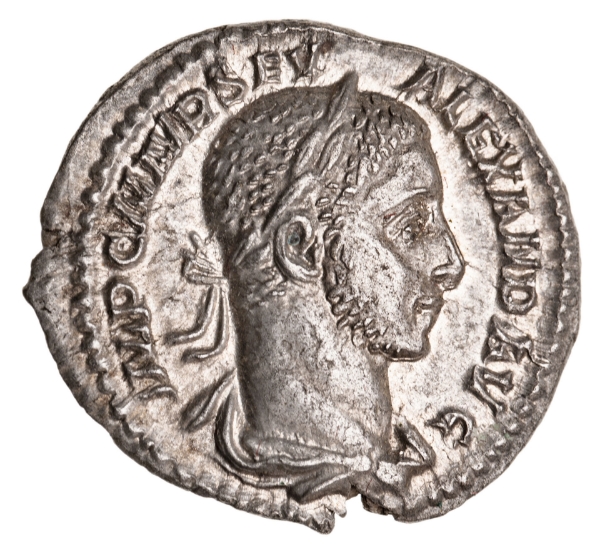
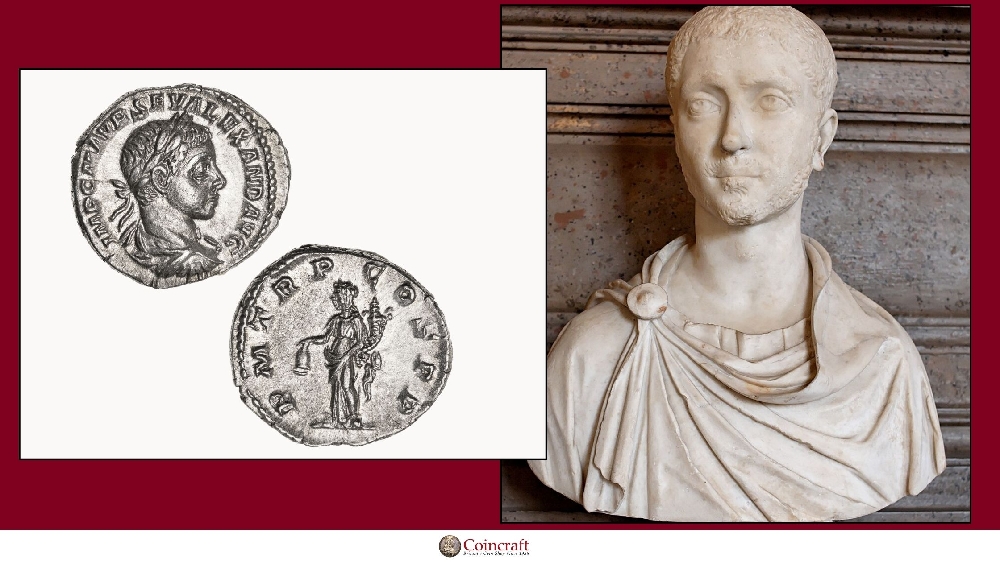
Picture Source of Severus Alexander: Wikipedia
The Tragic "Good Boy" of Rome: A Biography of Severus Alexander
Introduction: The Last of the Severans
Imagine being fourteen years old. You’re probably worrying about school, friends, or maybe learning to drive. Now, imagine being fourteen and being handed the keys to the entire Roman Empire. That was the reality for Severus Alexander, a boy who was thrust onto the throne in 222 AD with the weight of the known world on his shoulders.
Unlike his cousin Elagabalus—whose reign was a chaotic whirlwind of religious scandals and parties—Alexander was the "good kid." He was moderate, gentle, and open-minded. But as we often see in history, being a nice guy doesn't always make you a safe emperor. His story is one of tragic potential: a ruler who tried to bring peace and stability back to Rome but was ultimately undone by the very soldiers he was supposed to command. Let’s dive into the life of the last Severan emperor.
Key Takeaways
Youngest Sole Emperor (at the time): Alexander ascended the throne at just 14 years old, requiring a heavy reliance on his mother and grandmother for guidance.
The "Mama's Boy" Label: His reign was dominated by his mother, Julia Mamaea, a dynamic that stabilized the empire initially but eventually alienated the macho Roman military.
Religious Open-Mindedness: Unlike many predecessors, Alexander was known for his religious syncretism, reportedly keeping statues of Jesus, Abraham, and Orpheus in his private chapel.
A Shift in Power: His assassination in 235 AD didn't just end his life; it shattered the Severan dynasty and kicked off the chaotic "Crisis of the Third Century."
Civilian vs. Military: He was beloved by the Senate and the people for his legal reforms and mild rule, but despised by the army for his preference for diplomacy over war.
The "Good" Cousin: A Chaotic Inheritance
To understand Alexander, you first have to look at the mess he inherited. His cousin, the Emperor Elagabalus, was arguably one of the most controversial figures in Roman history, known for replacing Jupiter with a Syrian sun god and engaging in behavior that shocked conservative Roman sensibilities.
The true power behind the throne, however, was their grandmother, Julia Maesa. Realizing that Elagabalus was steering the dynasty off a cliff, she orchestrated a brilliant (and ruthless) political maneuver. She convinced Elagabalus to adopt his young cousin Alexianus (the future Severus Alexander) as his heir [1].
When the Praetorian Guard finally had enough of Elagabalus in 222 AD, they assassinated him and his mother. In stark contrast to the bloody end of his cousin, Alexander was hailed as emperor with hope and relief. He was young, malleable, and, most importantly, normal [2].
The Boy Emperor & The Mother Who Ruled
A rare gold Aureus depicting Severus Alexander. (Source: Wikimedia Commons)
Let's be honest: for most of his reign, Alexander wasn't the one calling the shots. That title belonged to his mother, Julia Mamaea. After his grandmother Maesa died, Mamaea became the de facto ruler of Rome. She was fiercely protective of her son, perhaps to a fault.
Under her guidance, Alexander’s reign was actually quite prosperous for the average citizen. He restored the authority of the Senate, curbed the excesses of the imperial court, and surrounded himself with top-tier legal minds like the famous jurist Ulpian [3].
He was also a man of simple habits. According to ancient sources, he was an early riser who would work on state business before dawn. He reportedly refused to be addressed as "Lord" (Dominus) and wore plain white robes without the heavy jewels his cousin had loved. He wanted to be seen as a servant of the state, not a god-king [4].
A Chapel for Everyone: The Religious Reformer
One of the most fascinating aspects of Severus Alexander was his spiritual life. In a world where emperors often enforced strict pagan worship, Alexander was remarkably eclectic.
Legend has it that he maintained a private chapel (lararium) where he worshipped not just the traditional Roman gods, but a "greatest hits" collection of moral figures. This collection supposedly included Orpheus, Abraham, and even Jesus Christ [5]. While historians debate the absolute accuracy of this claim, it paints a picture of a man who was searching for moral truth regardless of where it came from. He even allowed a synagogue to be built in Rome and respected the rights of Jews and Christians, a rare trait for a 3rd-century emperor.
Cracks in the Armor: The Military Failures
While Alexander was great at domestic policy, Rome was a military state, and soldiers didn't respect a "mama's boy" who preferred books to swords.
The trouble started in the East. The Sassanid Empire (Persia) was rising and attacking Roman territories. Alexander launched a massive campaign in 231 AD. While it wasn't a total disaster, it wasn't a crushing victory either. He returned to Rome claiming triumph, but the soldiers knew it was a stalemate [6].
Then came the Germans. In 234 AD, tribes along the Rhine border began to invade. Alexander marched north with his legions. But instead of fighting, he did what his mother advised: he tried to buy them off. He believed diplomacy and bribery were cheaper and safer than war.
To the battle-hardened Roman legions, this was the ultimate insult. They viewed his actions as cowardice. They wanted a warrior, not a negotiator [7].
The Tragic End in Mainz
The atmosphere in the camp at Moguntiacum (modern-day Mainz, Germany) turned toxic. In March 235 AD, the soldiers mutinied. They rallied behind a giant of a man named Maximinus Thrax, a Thracian peasant-turned-general who promised them victory and loot.
Alexander’s end was heartbreaking. Realizing the soldiers were coming for him, he reportedly retreated to his tent, crying and clinging to his mother, blaming her for his unpopularity. The soldiers stormed in and killed them both [8].
With his death, the Severan dynasty ended, and Rome plunged into the Crisis of the Third Century—a 50-year nightmare of civil war, plague, and economic collapse. Alexander was the last gasp of stability before the storm.
FAQs
1. Was Severus Alexander a Christian? Not exactly. While he was very open-minded and reportedly kept a statue of Jesus in his private chapel, he was a syncretist. He believed in honoring all great moral leaders and deities rather than devoting himself exclusively to Christianity.
2. Why was he called a "Mama's Boy"? History (and his own soldiers) gave him this label because his mother, Julia Mamaea, controlled almost every aspect of his administration. She even chose his wives and banished them if they became too influential. Her dominance was seen as unmanly by the Roman army.
3. What happened after he died? His assassination triggered the "Crisis of the Third Century." Over the next 50 years, Rome saw dozens of "Barracks Emperors"—generals who seized power by force, only to be murdered by their own troops shortly after.
References
Grant, M. (1996). The Severans: The Changed Roman Empire. London: Routledge.
Herodian. (c. 240). History of the Empire from the Death of Marcus, Book 5. [Online] Available at: https://www.google.com/search?q=https://www.livius.org/sources/content/herodian/ [Accessed 13 Jan. 2026].
Southern, P. (2001). The Roman Empire from Severus to Constantine. London: Routledge.
Historia Augusta. (c. 4th Century). 'Life of Severus Alexander'. [Online] Available at: https://penelope.uchicago.edu/Thayer/E/Roman/Texts/Historia_Augusta/Severus_Alexander/1*.html [Accessed 13 Jan. 2026].
Britannica, The Editors of Encyclopaedia. (2026). 'Severus Alexander'. Encyclopedia Britannica. [Online] Available at: https://www.britannica.com/biography/Severus-Alexander [Accessed 13 Jan. 2026].
Campbell, J.B. (2005). 'The Severan Dynasty', in The Cambridge Ancient History: Volume 12. Cambridge: Cambridge University Press.
Potter, D.S. (2004). The Roman Empire at Bay, AD 180–395. London: Routledge.
Meckler, M.L. (1997). 'Severus Alexander (222-235 A.D.)'. De Imperatoribus Romanis. [Online] Available at: https://www.google.com/search?q=http://www.roman-emperors.org/alexsev.htm [Accessed 13 Jan. 2026].