.jpg)
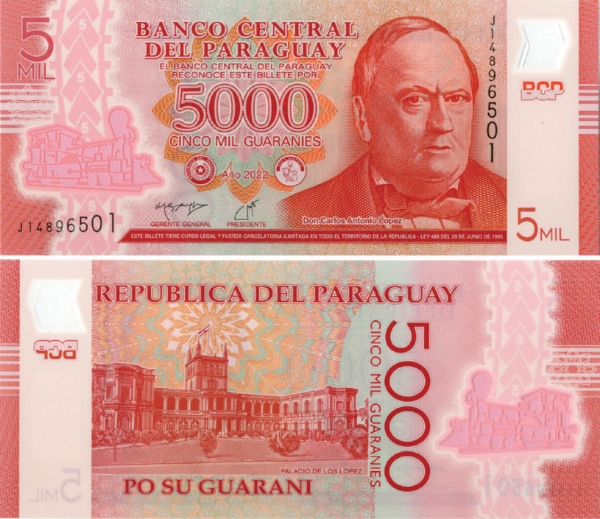
Picture Source of Don Carlos Antonio Lopez: Wikipedia
Early Life and Rise to Power
Carlos Antonio Lopez was born on November 4, 1790, in Asunción, Paraguay, to poor parents of Indian and Spanish descent. His journey from humble beginnings to becoming Paraguay’s influential leader is a testament to his political acumen and ambition.
Educated at the San Carlos Seminary, Lopez initially worked as a teacher before being exiled during the dictatorship of José Gaspar Rodríguez de Francia. After Francia’s death in 1840, Lopez strategically positioned himself in the country’s political landscape.
Political Career and Achievements
In 1841, Lopez became part of a joint consulate with Colonel Mariano Roque Alonso. By 1844, he was elected president, a position he would hold until 1862. Despite being described as an autocratic ruler, Lopez implemented significant reforms that modernized Paraguay:
Economic and Infrastructure Developments
Established diplomatic relations with European powers and the United States
Signed commercial treaties with Great Britain, France, and the United States in 1853
Inaugurated Paraguay’s first railroad in 1861
Developed a river navy and improved internal transportation
Expanded agricultural production and improved export quality of cotton and tobacco
Social Reforms
Abolished the African slave trade
Recognized Indigenous villagers as Paraguayan citizens
Expanded rural primary schools
Reopened the national seminary
Encouraged European immigration
Supported the publication of Paraguay’s first newspapers
Governance and Legacy
Lopez’s leadership style was complex. While he limited free expression and was known to be self-serving, he was less ruthless than his predecessor. He maintained a strong focus on developing Paraguay’s infrastructure, economy, and national identity.
Key Characteristics
Balanced the national budget
Strengthened the army
Contracted European and North American technicians to develop industries
Established a gun factory, iron foundry, and shipyard
Supported educational and artistic endeavors
Personal Life
Married to Juana Pabla Carillo, Lopez had five children. His eldest son, Francisco Solano Lopez, would succeed him and play a significant role in Paraguay’s subsequent history.
Historical Assessment
Historians view Lopez as a “benevolent despot” who modernized Paraguay and developed its commerce and foreign ties. When he died on September 10, 1862, he left behind a unified and relatively prosperous nation without foreign debt.
Summary
Don Carlos Antonio Lopez was a pivotal figure in Paraguay’s early national development. Through strategic reforms and a vision for modernization, he transformed the country from an isolated state to a more connected and developed nation.