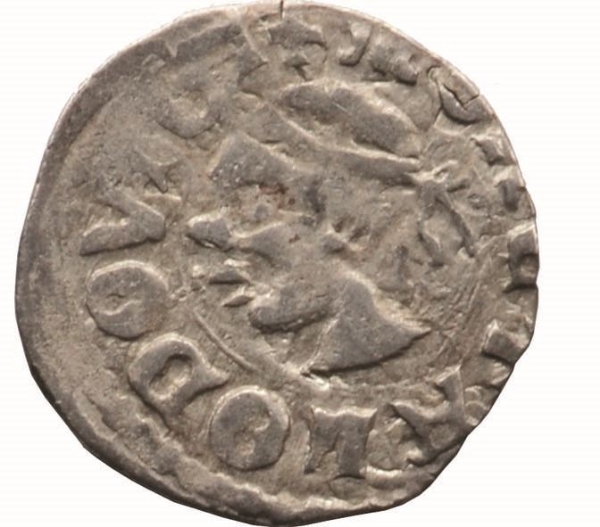
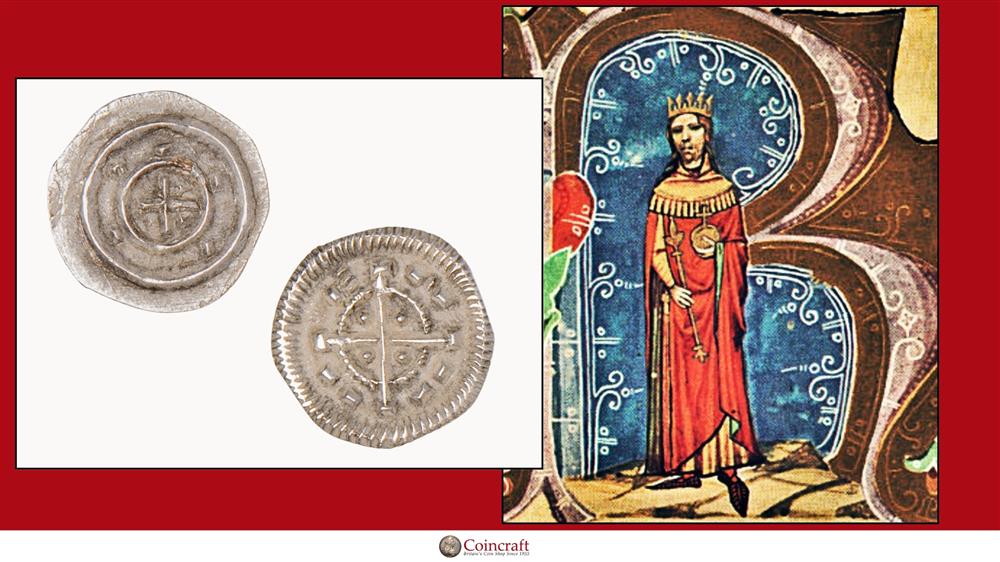
Picture Source of Louis I of Hungary: Wikipedia
Introduction to Louis I of Hungary
Louis I of Hungary, a formidable figure of the 14th century, reigned over Hungary and Poland, leaving a significant imprint on medieval European history. Known as Louis the Great, he was a monarch whose ruling period was marked by territorial expansion, political influence, and cultural development. His reign, spanning from 1342 to 1382, was characterised by remarkable achievements which set the foundation for future advancements in his kingdoms.
Born in 1326, Louis was the son of Charles I of Hungary and Elizabeth of Poland. His upbringing in a royal household prepared him for leadership, instilling in him the values and skills necessary for governance. As a ruler, Louis I was not only focused on military conquests but also on the administration of his domains, ensuring that his legacy would endure beyond his lifetime.
Louis I's ascension to the throne came at a time of great change and challenge in Europe. His leadership was instrumental in navigating these complexities, and his contributions to both Hungary and Poland were profound, shaping the historical trajectory of these nations.
Historical Context of Louis I's Reign
The 14th century was a period of transformation and upheaval in Europe. The continent was facing the aftermath of the Black Death, which had decimated populations and altered social structures. Amidst this backdrop, Louis I's reign provided stability and growth for his kingdoms. His leadership was crucial in maintaining order and fostering prosperity in a time of uncertainty.
Louis I's era was also marked by the Hundred Years' War between England and France, which influenced political dynamics throughout Europe. Although Hungary and Poland were not directly involved in this conflict, the shifting alliances and power struggles had indirect effects on their political landscape. Louis adeptly navigated these challenges, maintaining the sovereignty and influence of his kingdoms.
Moreover, Louis I's reign coincided with the Avignon Papacy, a period when the papal residence was in France, leading to tensions within the Catholic Church. As a devout Catholic monarch, Louis played a role in the religious diplomacy of the time, strengthening the ties between his realms and the church, further solidifying his position as a respected leader in Europe.
Key Contributions of Louis I of Hungary
Louis I's contributions to Hungary and Poland were numerous and varied, reflecting his ambitious vision for his kingdoms. One of his most notable achievements was the establishment of a legal framework that enhanced the governance of his realms. The codification of laws under his reign provided a foundation for justice and order, ensuring stability and continuity.
His efforts in expanding the territories under his control were significant. By successfully conducting military campaigns, Louis managed to extend his influence over parts of Dalmatia, Bosnia, and Serbia. This territorial expansion not only increased the wealth and power of Hungary but also elevated its status as a formidable European power.
In addition to his military and legal accomplishments, Louis I was a patron of the arts and education. He supported the development of universities and the flourishing of cultural activities, which contributed to the intellectual and artistic advancement of his era. His encouragement of learning and culture left a lasting impact, fostering an environment where knowledge and creativity could thrive.
Louis I's Role in the Expansion of the Kingdom
The expansion of Hungary's territories under Louis I's rule was a testament to his strategic acumen and military prowess. His campaigns were meticulously planned and executed, ensuring successful outcomes that bolstered the kingdom's influence in the region. Louis's ability to negotiate and form alliances further aided his expansionist ambitions.
His conquests in the Balkans were particularly notable, as they involved complex political manoeuvres and military engagements. By annexing regions like Dalmatia and parts of Serbia, Louis not only increased Hungary's territorial reach but also secured critical trade routes and resources. These acquisitions were vital in enhancing the economic power of his kingdom.
Louis I's expansion efforts were not solely focused on military conquests. He also sought to integrate the newly acquired territories through the promotion of local governance and economic development. By establishing a system of administration that respected local customs and laws, he ensured the stability and prosperity of these regions, solidifying his legacy as a visionary ruler.
The Impact of Louis I on Medieval European Politics
Louis I's influence extended beyond his own domains, affecting the broader political landscape of medieval Europe. His diplomatic skills and strategic alliances positioned Hungary and Poland as key players in the continent's power dynamics. Louis's ability to mediate conflicts and foster peaceful relations with neighbouring states further enhanced his reputation as a respected leader.
One of his notable diplomatic achievements was the alliance with the Kingdom of Naples, which strengthened Hungary's position in Italy and the Mediterranean. This alliance not only provided military support but also facilitated cultural and economic exchanges, enriching both kingdoms. Louis's diplomatic efforts were instrumental in maintaining the balance of power in a volatile European environment.
Furthermore, Louis I's role in the politics of the Holy Roman Empire was significant. As a ruler with familial ties to the Polish throne, he leveraged these connections to influence imperial elections and decisions. His involvement in the empire's affairs underscored his ambition to extend his influence across Europe, making him a central figure in the continent's political tapestry.
Cultural and Economic Developments Under Louis I
The reign of Louis I was marked by significant cultural and economic advancements, which contributed to the prosperity and vibrancy of his kingdoms. His support for the arts and education led to a renaissance of sorts in Hungary and Poland, where intellectual pursuits and artistic endeavours flourished under his patronage.
Louis's investment in education was evident in the establishment and support of universities, which became centres of learning and innovation. These institutions attracted scholars from across Europe, fostering an exchange of ideas that enriched the cultural landscape of his realms. The promotion of education also played a crucial role in the development of a skilled and knowledgeable populace, which was vital for the kingdom's economic growth.
Economically, Louis I implemented policies that stimulated trade and commerce, transforming Hungary into a thriving economic hub. The development of infrastructure, such as roads and trade routes, facilitated the movement of goods and people, enhancing economic activity. His efforts to standardise weights and measures further streamlined trade, promoting fairness and efficiency in commercial transactions.
Louis I's Relationships with Other Monarchs
Louis I of Hungary's relationships with other monarchs were characterised by a blend of diplomacy, alliances, and strategic marriages. These connections were pivotal in enhancing his influence and securing his kingdom's position in the complex web of medieval European politics.
One of his most significant alliances was with the Angevin rulers of Naples, which was solidified through marriage ties. This relationship not only bolstered Hungary's standing in Italy but also provided a strategic foothold in Mediterranean affairs. The alliance facilitated military cooperation and cultural exchanges, enriching both kingdoms and strengthening their positions in Europe.
Louis's ties with the Polish monarchy were also instrumental in his political strategy. His claim to the Polish crown through his mother, Elizabeth of Poland, allowed him to eventually rule both Hungary and Poland. This union of crowns expanded his influence, creating a powerful Central European bloc that played a crucial role in the continent's political dynamics.
The Legacy of Louis I of Hungary Today
The legacy of Louis I of Hungary endures in the modern era, as his contributions continue to influence the historical narrative of Central Europe. His reign is remembered for its achievements in governance, culture, and diplomacy, which set the stage for future developments in the region.
Louis I's legal reforms laid the groundwork for a more structured and fair legal system, elements of which persisted in subsequent centuries. His support for education and culture enriched the intellectual fabric of Hungary and Poland, fostering a tradition of learning and creativity that continues to this day.
Moreover, Louis I's diplomatic and military successes established Hungary as a formidable power in medieval Europe, a legacy that resonates in the national identity and historical consciousness of the Hungarian people. His ability to navigate the complexities of his time serves as a testament to his skill as a leader and his enduring impact on European history.
Reflecting on Louis I's Impact on History
Reflecting on the legacy of Louis I of Hungary, it is evident that his reign was a period of significant transformation and achievement. His contributions to governance, culture, and diplomacy left an indelible mark on Hungary and Poland, shaping their historical trajectories and enhancing their stature in medieval Europe.
Louis I's ability to balance military ambitions with diplomatic finesse, while fostering cultural and economic development, highlights his multifaceted approach to leadership. His reign serves as a reminder of the importance of visionary leadership in navigating the challenges of an ever-changing world.
In celebrating the legacy of Louis I, we are reminded of the enduring impact a single monarch can have on the course of history. His achievements continue to inspire and inform our understanding of medieval Europe, offering valuable lessons for contemporary leaders and historians alike.