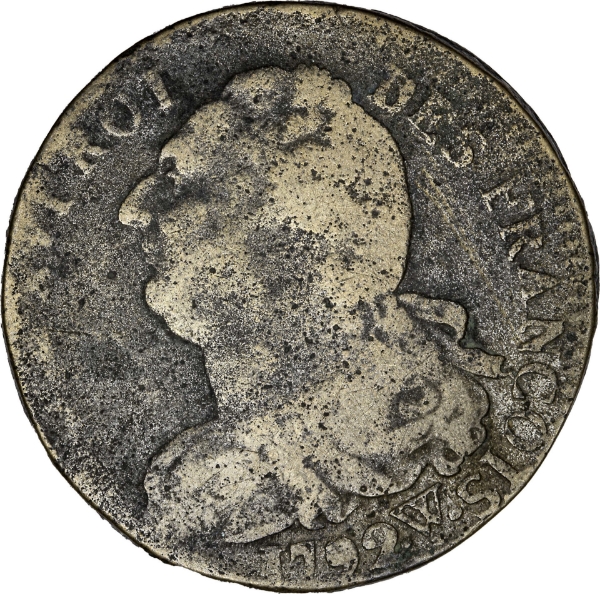
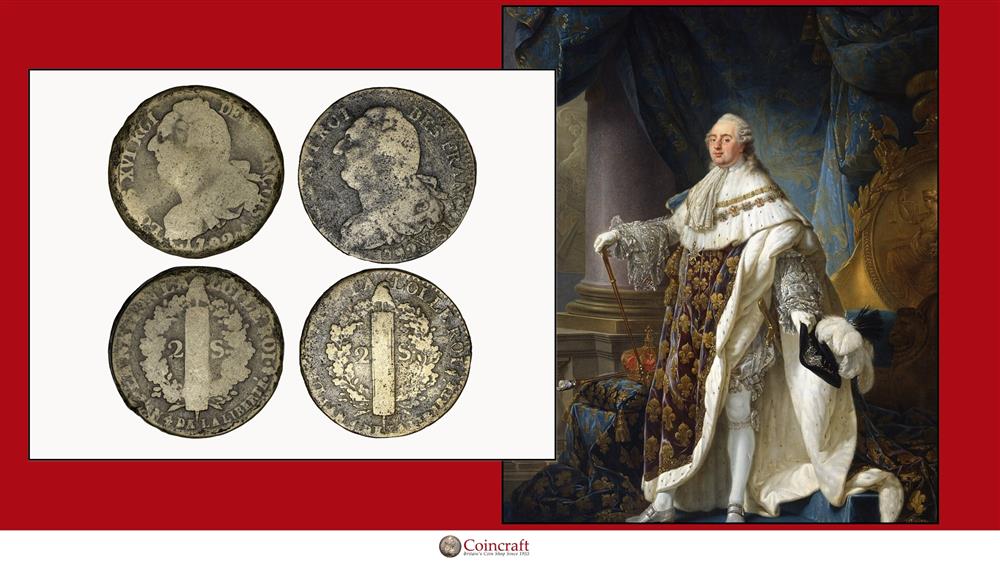
Picture Source of Louis XVI: Wikipedia
Introduction to Louis XVI and His Era
The reign of Louis XVI marks a pivotal chapter in French history, characterised by both grandeur and turmoil. Born in the heart of the Age of Enlightenment, Louis XVI ascended to the throne at a time when the monarchy was under significant scrutiny. His era witnessed the culmination of centuries-old social structures and the dawning of new political ideologies that would ultimately reshape France.
Louis XVI's reign was not merely defined by the splendour of Versailles or the opulence of royal ceremonies. It was also a period marked by economic distress, social unrest, and eventually, revolution. Understanding this context is crucial to comprehending the challenges he faced and the decisions he made, which would have far-reaching implications not just for France, but for the entire world.
The legacy of Louis XVI is a complex tapestry woven with threads of political intrigue, personal trials, and historical upheaval. This article explores the multifaceted life of this monarch, providing insights into his governance, personal relationships, and the turbulent times that led to the end of the French monarchy.
Early Life of Louis XVI: From Birth to Ascension
Louis XVI, originally named Louis-Auguste de France, was born on 23 August 1754 at the Palace of Versailles. As the third son of the Dauphin Louis and Maria Josepha of Saxony, Louis was not initially destined for the throne. However, the untimely deaths of his elder brothers placed him directly in line to become king, a role for which he would be thoroughly groomed from a young age.
His education was rigorous yet typical for a prince of his standing, encompassing languages, history, and statecraft. Despite his education, Louis exhibited a shy and reserved nature, which was often perceived as indecisiveness and lack of leadership—a stark contrast to the assertive rulers of his time. This disposition would later influence his reign, impacting his ability to assert control over the court and engage with political affairs effectively.
Upon the death of his grandfather, King Louis XV, in 1774, Louis XVI ascended to the French throne. At just 19 years old, he faced the daunting task of leading a nation that was on the cusp of monumental change. His early reign was marked by efforts to reform the deep-seated issues within the French economy and society, though these attempts were met with varied success.
The Reign of Louis XVI: Key Events and Policies
During the reign of Louis XVI, several key events and policies defined his tenure as king. His rule began with an earnest desire to reform and modernise France, particularly focusing on addressing the financial crisis that plagued the nation. To this end, he appointed several finance ministers, including the notable Jacques Necker, who attempted to implement reforms aimed at reducing the deficit.
One of the major challenges Louis XVI faced was the growing financial burden of supporting the American Revolution. France's involvement, while politically advantageous, severely strained the nation's finances. This decision, combined with existing fiscal mismanagement, led to increased taxation and widespread discontent among the populace, further exacerbating the economic crisis.
Despite his reformist intentions, Louis XVI's policies often met with resistance from the nobility and other vested interests. His attempt to impose a more equitable tax system was thwarted by the parlements, which saw such measures as an infringement on their privileges. This resistance would contribute to the growing divide between the monarchy and its subjects, setting the stage for revolutionary fervour.
The Role of Louis XVI in the French Revolution
Louis XVI played a complex and often misunderstood role during the French Revolution. Initially, he was seen by many as a potential ally for reform due to his early attempts at addressing France's financial woes. However, as revolutionary ideas gained momentum, the king's position became increasingly precarious.
His inability to effectively navigate the political landscape and his reluctance to fully embrace the reformist agenda led to a loss of support among both the nobility and the common people. The revolutionary movement, fuelled by calls for liberty, equality, and fraternity, increasingly viewed the monarchy as an anachronism and an obstacle to progress.
The critical turning point came with the storming of the Bastille on 14 July 1789, a symbolic event that marked the beginning of widespread revolutionary activity. Louis XVI's subsequent actions, including his attempted flight to Varennes in 1791, were perceived as acts of betrayal and further eroded his credibility. As the revolution progressed, the king found himself increasingly isolated, ultimately leading to his arrest and imprisonment.
Louis XVI’s Relationships: Family, Friends, and Advisors
Louis XVI's personal relationships played a significant role in shaping his reign and decisions. His marriage to Marie Antoinette, the Austrian archduchess, was initially a political alliance intended to strengthen ties between France and Austria. However, the queen's perceived extravagance and foreign origins made her a target for public criticism, which also reflected poorly on the king.
Despite the challenges, Louis XVI and Marie Antoinette shared a genuine affection and mutual support. Their partnership, though often strained by external pressures and political machinations, remained a cornerstone of his personal life. His relationship with his children was also characterised by warmth and dedication, providing a glimpse into his more private and human side.
Beyond his family, Louis XVI's reliance on advisors was crucial to his governance. Figures like Jacques Necker and Charles Alexandre de Calonne played pivotal roles in shaping his policies, though their influence was often countered by rival factions within the court. This tug-of-war between advisors and the king's own instincts contributed to the inconsistency that marked his reign.
The Fall of the Monarchy: Factors Leading to Louis XVI’s Downfall
Several factors contributed to the downfall of Louis XVI and the eventual fall of the French monarchy. Central to this was the mounting economic crisis, which was exacerbated by France's involvement in foreign wars and the lavish spending of the royal court. The inability to implement effective financial reforms only deepened the public's dissatisfaction.
Social inequality was another critical factor. The rigid class structure, with its clear demarcations between the privileged elites and the oppressed commoners, fostered resentment and a desire for change. The Enlightenment ideals, which emphasised reason, equality, and individual rights, further fuelled the revolutionary spirit, challenging the very foundation of monarchical rule.
The political missteps of Louis XVI, including his vacillation between reform and tradition, eroded his authority and credibility. His perceived inability to address the pressing issues of the time made him a figure of scorn rather than respect. These elements combined to create a perfect storm that ultimately led to the monarchy's collapse in 1792, signalling the end of an era.
The Trial and Execution of Louis XVI
The trial and execution of Louis XVI were pivotal events in the history of the French Revolution. Captured and imprisoned by revolutionary forces, Louis was charged with treason and conspiracy against the state. The trial, held by the National Convention, was a highly publicised affair that drew international attention.
Despite attempts by his legal defence to portray him as a constitutional monarch unjustly accused, the evidence presented painted a picture of a king out of touch with his people and their aspirations. The trial concluded with a narrow vote for execution, a decision that underscored the revolutionary zeal and the irreversibility of the monarchy's downfall.
On 21 January 1793, Louis XVI was executed by guillotine. His death marked the definitive end of the Ancien Régime and served as a powerful symbol of the revolutionary change sweeping across France. The execution was met with a mix of jubilation and sorrow, reflecting the deep divisions within French society at the time.
The Legacy of Louis XVI: Historical Perspectives
The legacy of Louis XVI remains a subject of considerable debate among historians. Some view him as a tragic figure, caught in the tide of history and unable to adapt to the demands of a changing world. Others critique his indecisiveness and failure to implement meaningful reforms as contributing factors to his downfall.
Despite these differing perspectives, Louis XVI's reign is undeniably significant for its role in precipitating the French Revolution. His attempts at reform, although largely unsuccessful, highlight the complexities of navigating a society on the brink of radical change, offering valuable lessons on governance and leadership.
Moreover, his personal life and relationships provide insight into the human aspects of monarchy, often overshadowed by political events. Louis XVI’s story is a poignant reminder of the delicate balance between power and vulnerability, and the enduring impact of historical figures on the present.
Cultural Impact: How Louis XVI is Remembered Today
Louis XVI's cultural impact extends beyond historical analysis, permeating art, literature, and popular culture. His life and reign have inspired countless works, from paintings and novels to films and theatrical productions, each interpreting his legacy through different lenses.
In literature, Louis XVI is often depicted as a complex character, embodying the tension between tradition and modernity. His story has become a symbol of the perils of leadership and the consequences of failing to heed the call for change. These narratives serve not only as entertainment but as reflections on historical events and their relevance to contemporary society.
In popular culture, Louis XVI is frequently portrayed as a figure emblematic of the excesses of monarchy, often juxtaposed with the revolutionary fervour that led to his demise. His life continues to fascinate audiences worldwide, offering insights into the human condition and the timeless themes of power, justice, and transformation.
Reflecting on the Life of Louis XVI
Reflecting on the life of Louis XVI reveals a journey fraught with challenges and contradictions. From his early ascension to his tragic end, Louis XVI's story is one of a monarch struggling to navigate an era marked by unprecedented change and upheaval. His attempts to bridge the gap between the old world and the new remain a testament to the complexities of leadership.
As we consider his legacy, it is essential to recognise the broader historical currents that shaped his reign and the lessons they offer for today's leaders. Louis XVI's story is not merely a cautionary tale but a reminder of the enduring impact of history on our present and future.
For those intrigued by the dynamics of power and change, exploring the legacy of Louis XVI offers valuable insights. Whether you are a history enthusiast or a curious reader, delving into his life can provide a deeper understanding of the forces that shape our world.