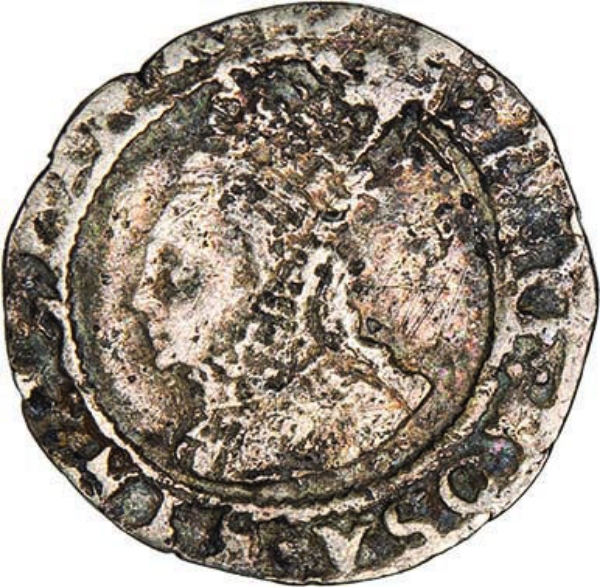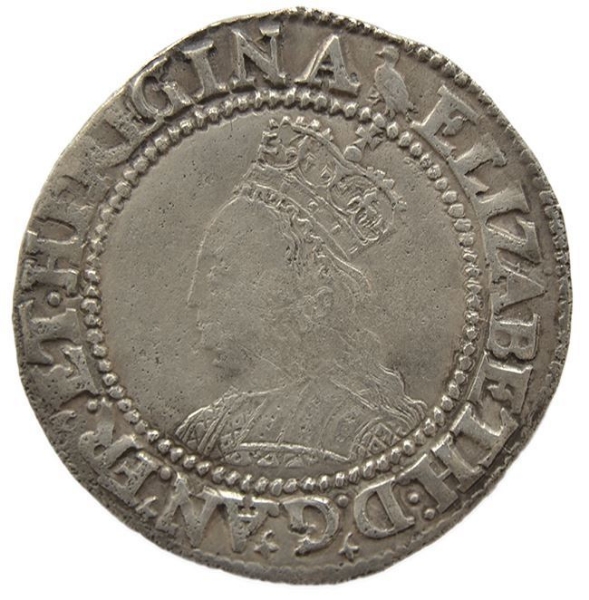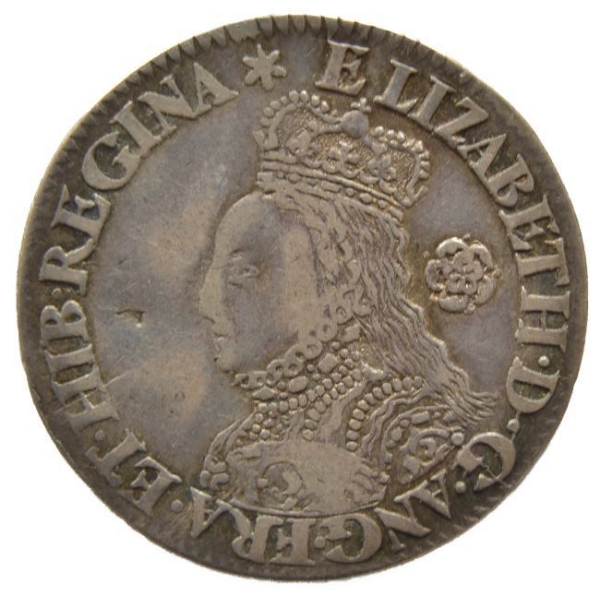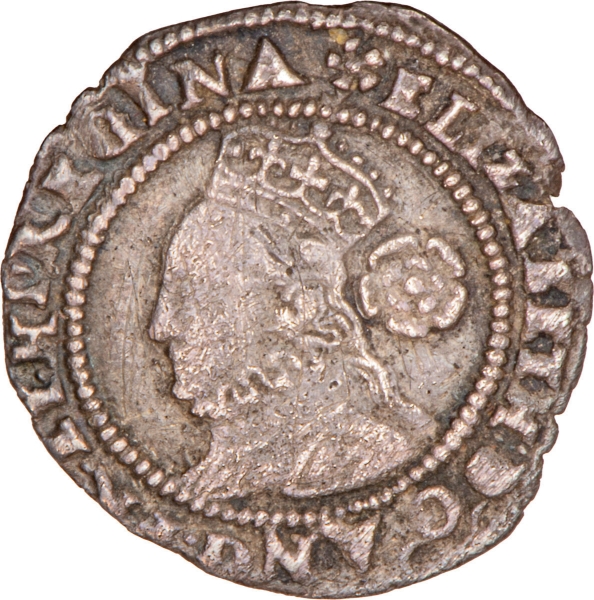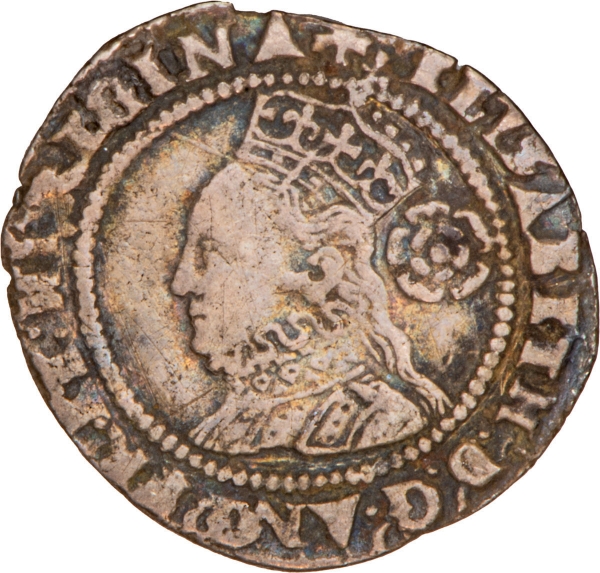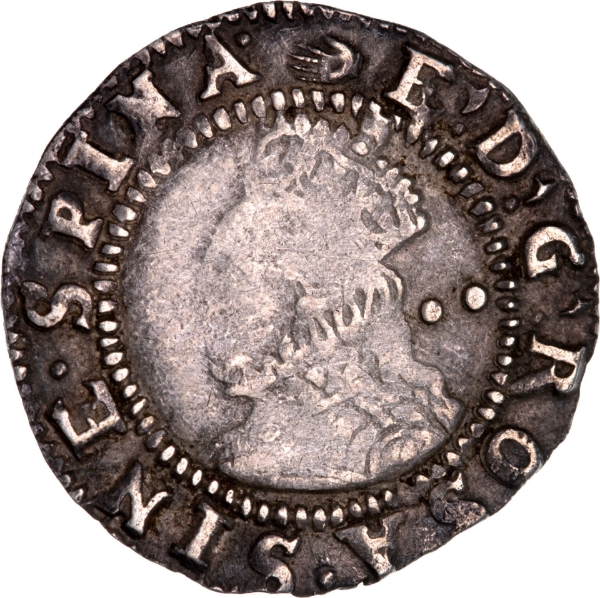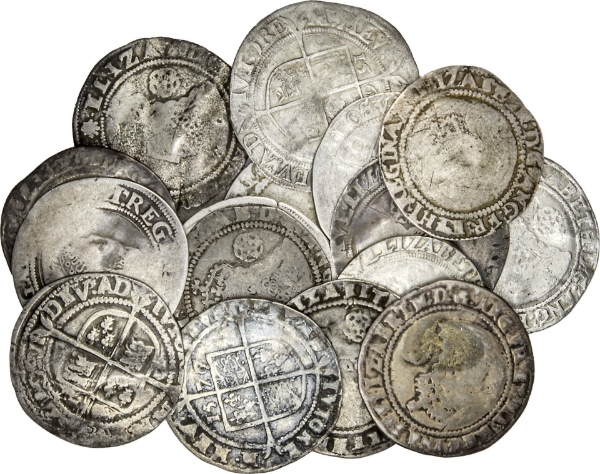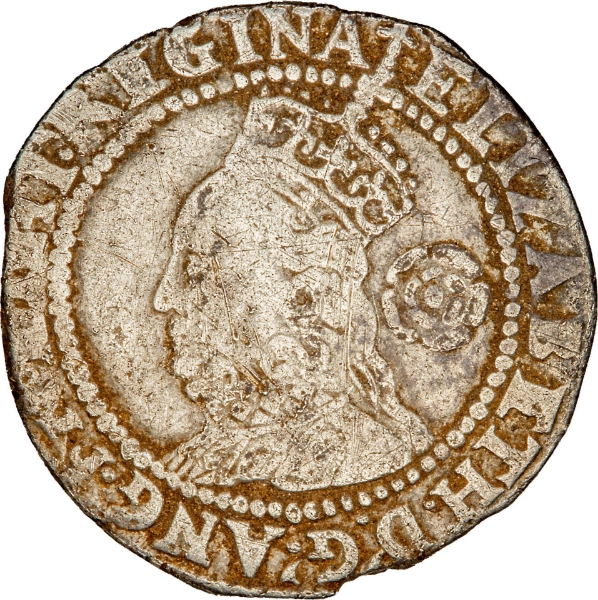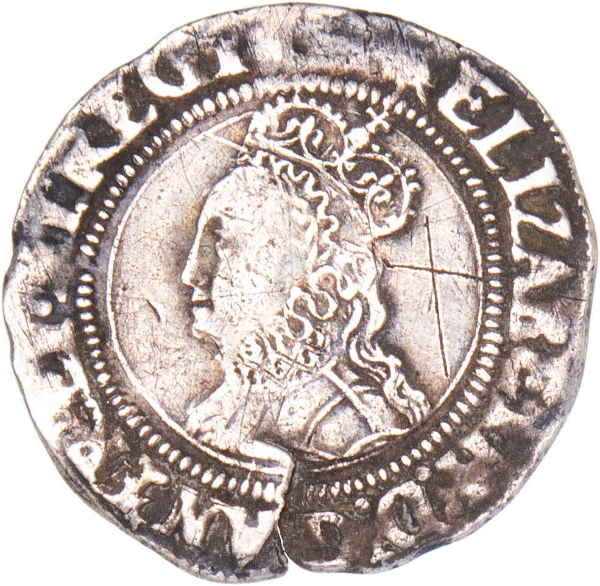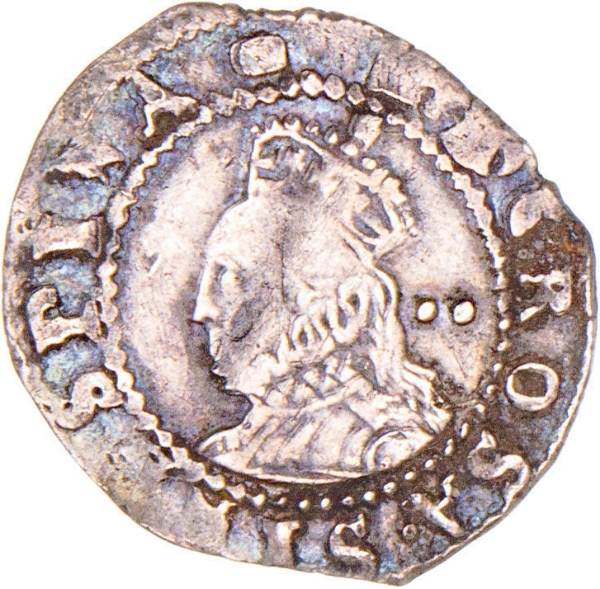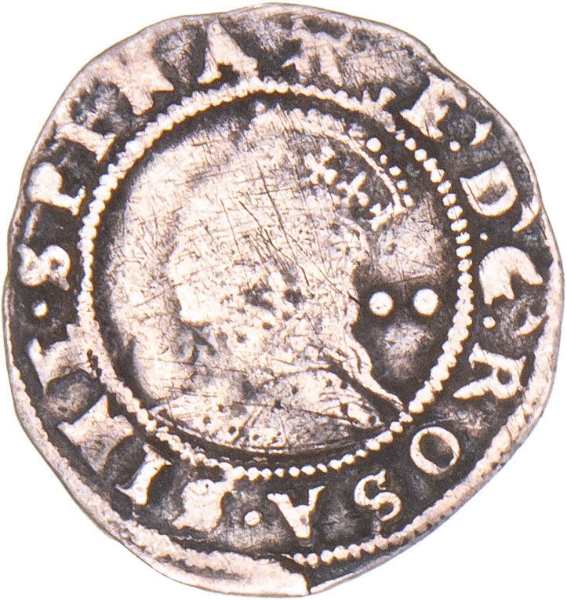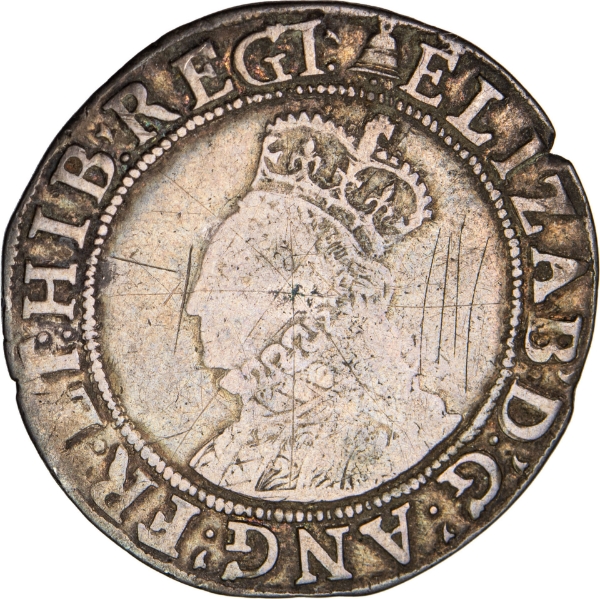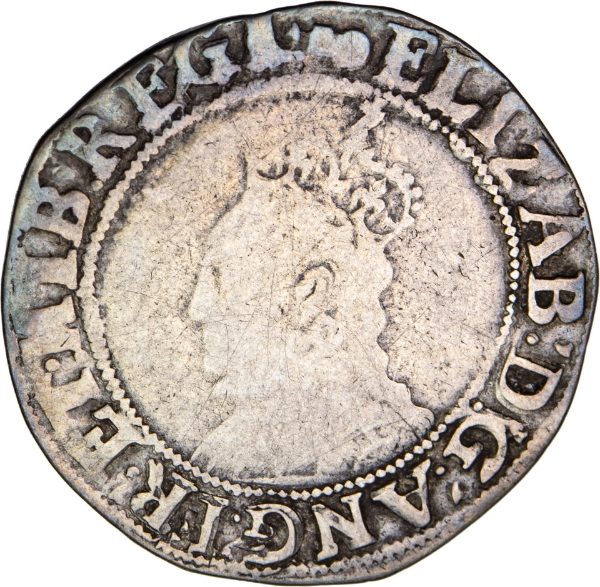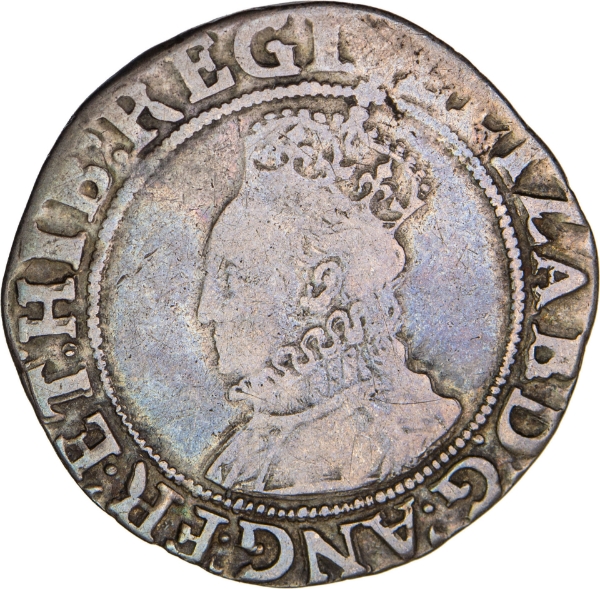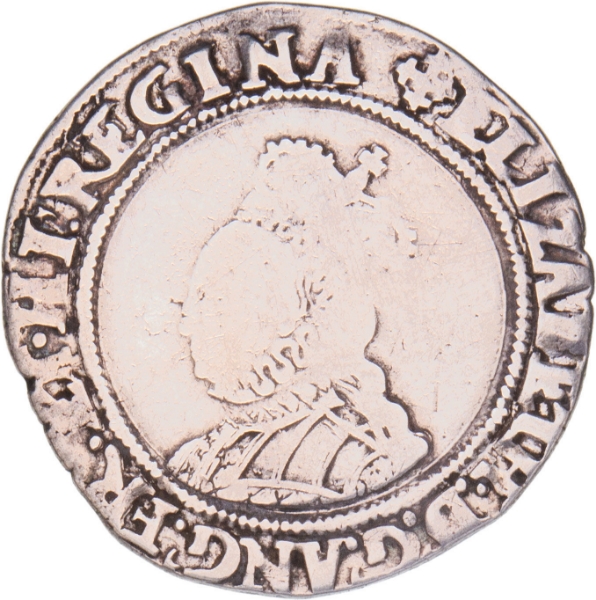
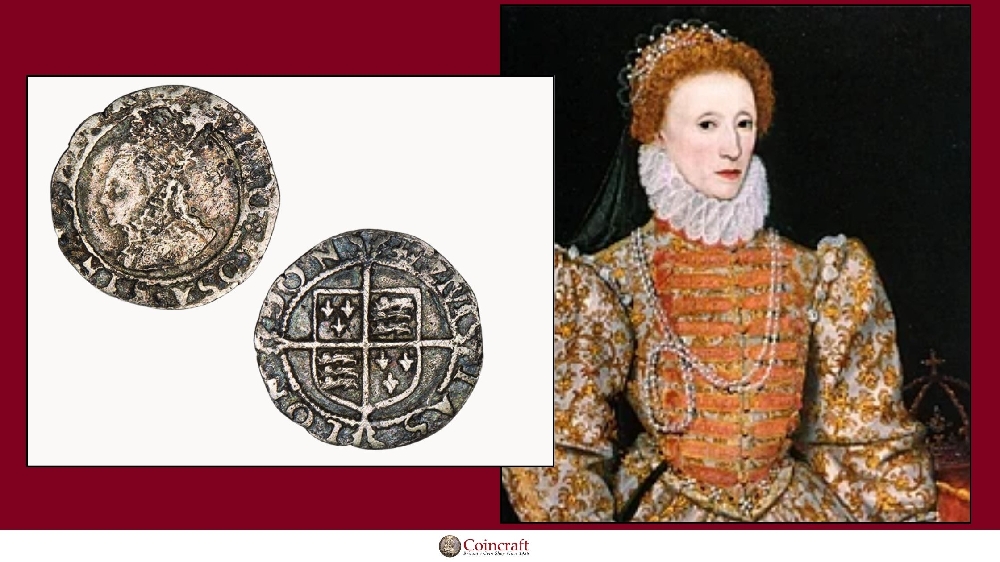
Picture Source of Queen Elizabeth I of England: Wikipedia
Introduction to Queen Elizabeth I
Queen Elizabeth I, often referred to as the Virgin Queen, stands as one of the most iconic figures in British history. Her reign, lasting from 1558 to 1603, marked a significant period known as the Elizabethan Era, characterised by flourishing arts, exploration, and a strengthened national identity. As the daughter of King Henry VIII and Anne Boleyn, Elizabeth's ascent to the throne was fraught with challenges and political intrigue. Yet, her leadership skills and determination allowed her to navigate these obstacles and leave an indelible mark on the course of history.
Elizabeth's reign is noted for the relative stability and prosperity it brought to England following the tumultuous years of religious and political upheaval. Her ability to maintain control and foster a sense of unity among her subjects was a testament to her diplomatic prowess and charismatic leadership. The Queen's reign is often celebrated for its cultural achievements, particularly in the realms of literature, theatre, and exploration.
The legacy of Queen Elizabeth I extends beyond her lifetime, influencing the political and cultural landscape of England and the wider world. Her reign set a precedent for future female leaders and inspired countless works of art, literature, and scholarship. This article explores the life and legacy of this remarkable monarch, delving into her early years, her reign, and the enduring impact she left on history.
Early Life and Ascension to the Throne
Elizabeth was born on 7 September 1533 at Greenwich Palace. Her early life was overshadowed by the political and religious turmoil that characterised her father's reign. Despite being declared illegitimate following her mother's execution, Elizabeth received an impressive education, becoming fluent in multiple languages and well-versed in a broad array of subjects. Her intellectual prowess and keen understanding of politics would later serve her well as a ruler.
The path to the throne was anything but straightforward for Elizabeth. Her half-siblings, Edward VI and Mary I, preceded her in ruling England. Edward's reign was short-lived, and Mary's tenure as queen was marked by an attempt to restore Catholicism, earning her the moniker "Bloody Mary" due to her persecution of Protestants. Elizabeth's Protestant faith and political acumen, however, positioned her as the preferred successor upon Mary's death in 1558.
Elizabeth's ascension to the throne was met with widespread approval, yet she faced considerable challenges in consolidating her power. She inherited a nation deeply divided along religious lines, and her legitimacy was questioned by many who viewed her as a usurper. Despite these obstacles, Elizabeth's diplomatic skills and strategic alliances allowed her to establish herself as a formidable monarch, ensuring the stability and prosperity of England during her reign.
The Elizabethan Era: A Time of Change
The Elizabethan Era is often characterised as a golden age in English history, marked by significant cultural, economic, and political developments. Under Elizabeth's rule, England experienced a period of relative peace and stability, allowing for advancements in various fields. The Queen's policies fostered a spirit of innovation and exploration, leading to the growth of trade and the expansion of England's influence on the global stage.
One of the hallmarks of the Elizabethan Era was the flourishing of the arts. This period saw the rise of renowned playwrights such as William Shakespeare and Christopher Marlowe, whose works continue to captivate audiences to this day. The cultural renaissance that took place during Elizabeth's reign was not limited to literature; it also encompassed music, visual arts, and architecture, reflecting a renewed interest in humanism and the classical traditions of the past.
Economic prosperity was another defining feature of the Elizabethan Era. Elizabeth's policies aimed to strengthen England's economy by promoting trade and industry. The establishment of the East India Company in 1600 marked a significant step in England's expansion into global trade, laying the foundation for the future British Empire. The economic growth experienced during Elizabeth's reign contributed to the overall sense of optimism and national pride that characterised this period in history.
Key Achievements of Queen Elizabeth I
Queen Elizabeth I's reign is marked by numerous achievements that have had a lasting impact on England and the world. Among her most notable accomplishments was the establishment of a Protestant Church of England, which balanced the religious tensions that had plagued the nation for decades. The Elizabethan Religious Settlement of 1559 sought to create a middle ground between Catholicism and Protestantism, ensuring religious harmony and stability.
Another significant achievement was Elizabeth's role in fostering the Age of Exploration. Her support for explorers such as Sir Francis Drake and Sir Walter Raleigh led to the expansion of England's maritime power and the establishment of colonies in the New World. These ventures not only increased England's wealth and influence but also laid the groundwork for future imperial endeavours, shaping the course of world history.
Elizabeth's adept handling of foreign relations and conflicts also stands out as a key achievement. Her reign saw the defeat of the Spanish Armada in 1588, a pivotal moment that secured England's naval supremacy and bolstered national pride. Elizabeth's ability to navigate the complex web of European politics, forming strategic alliances and avoiding unnecessary wars, contributed to the overall stability and prosperity of her reign.
The Role of Women in Elizabethan Society
The reign of Queen Elizabeth I had a profound impact on the role of women in Elizabethan society. As a female monarch in a male-dominated world, Elizabeth's rule challenged traditional gender norms and provided a powerful example of female leadership. Her ability to govern effectively and maintain authority inspired women of her time and paved the way for future generations to challenge societal expectations.
Despite Elizabeth's powerful position, the status of women in Elizabethan society was largely determined by their social class and marital status. While noblewomen enjoyed certain privileges, such as education and social influence, the majority of women had limited rights and opportunities. Marriage was often viewed as a means of securing financial and social stability, with women expected to fulfil domestic roles.
Education for women was not prioritised, and opportunities for intellectual pursuits were limited. However, Elizabeth's own education and accomplishments served as an inspiration for women seeking to break free from traditional constraints. The Queen's patronage of the arts and her visible presence in the public sphere helped to elevate the status of women, encouraging them to explore new roles and possibilities within society.
The Religious Landscape During Her Reign
Religion played a central role in Elizabethan England, and Queen Elizabeth I's reign was marked by efforts to navigate the complex religious landscape. The Elizabethan Religious Settlement of 1559 aimed to establish a compromise between conflicting religious factions, creating a unified Church of England that incorporated elements of both Catholicism and Protestantism. This settlement sought to appease both Catholic and Protestant subjects, promoting religious tolerance and reducing sectarian tensions.
The religious landscape during Elizabeth's reign was characterised by ongoing tensions between Catholics and Protestants. While Elizabeth's policies promoted religious tolerance, her government took measures to suppress Catholic plots and conspiracies that threatened her rule. The execution of Mary, Queen of Scots, in 1587 was a result of such tensions, as Mary was seen as a Catholic figurehead and a potential threat to Elizabeth's authority.
The Queen's religious policies were instrumental in shaping the future of England's religious identity. By establishing a Protestant Church that maintained certain traditional elements, Elizabeth laid the foundation for the Anglican Church and ensured the continuation of Protestantism as the dominant faith in England. Her reign marked a turning point in the religious history of the nation, influencing the course of religious developments in the centuries to follow.
Queen Elizabeth I and the Arts
The Elizabethan Era is renowned for its cultural achievements, particularly in the realm of the arts. Queen Elizabeth I's patronage played a crucial role in fostering the creative environment that characterised this period. Her support for artists, playwrights, and musicians contributed to a cultural renaissance that produced some of the most enduring works of literature and theatre in English history.
One of the most significant contributions of Elizabeth's reign was the flourishing of English drama. Playwrights such as William Shakespeare, Christopher Marlowe, and Ben Jonson emerged during this time, creating works that continue to be celebrated for their artistic brilliance and exploration of the human condition. The establishment of public theatres, such as the Globe Theatre, provided a platform for these playwrights to showcase their talents and reach a wide audience.
In addition to theatre, the Elizabethan Era saw developments in other art forms, including music and visual arts. Composers such as Thomas Tallis and William Byrd produced remarkable choral and instrumental works, while painters like Nicholas Hilliard captured the elegance and grandeur of the period. The cultural vibrancy of Elizabeth's reign left a lasting impression on the artistic landscape, influencing future generations of artists and creators.
Foreign Relations and Conflicts
Queen Elizabeth I's reign was marked by a complex web of foreign relations and conflicts that required careful navigation. Her diplomatic skills and strategic decision-making played a crucial role in maintaining England's position on the European stage. Elizabeth's foreign policy aimed to protect England's interests while avoiding unnecessary wars and conflicts, a delicate balance that defined her approach to international relations.
One of the most significant conflicts of Elizabeth's reign was the war with Spain, culminating in the defeat of the Spanish Armada in 1588. This victory was a turning point in English history, securing England's naval supremacy and boosting national morale. Elizabeth's ability to rally her forces and inspire confidence in her leadership was instrumental in achieving this triumph, which had far-reaching implications for England's future as a global power.
Elizabeth's reign also saw the establishment of important alliances and diplomatic ties with other nations. Her marriage negotiations, though ultimately unsuccessful, served as a strategic tool to strengthen England's position and deter potential adversaries. Elizabeth's foreign policy was characterised by pragmatism and adaptability, allowing her to navigate the shifting dynamics of European politics and safeguard England's interests.
Legacy of Queen Elizabeth I
The legacy of Queen Elizabeth I extends far beyond her reign, leaving an enduring impact on the course of history. Her leadership and vision helped to shape the identity of England, fostering a sense of national pride and unity that persisted long after her death. Elizabeth's reign set the stage for the future growth of the British Empire, laying the groundwork for England's emergence as a global power.
Elizabeth's influence on the arts and culture is perhaps one of her most lasting legacies. The Elizabethan Era is celebrated as a period of cultural renaissance, with the works of playwrights, poets, and artists continuing to captivate audiences to this day. Elizabeth's patronage and support for the arts contributed to a rich cultural heritage that remains an integral part of England's identity.
The Queen's impact on the role of women in society is also significant. As a female ruler in a patriarchal world, Elizabeth challenged traditional gender norms and demonstrated that women could wield power and authority. Her reign inspired future generations of women to pursue leadership roles and advocate for greater equality, leaving an indelible mark on the history of women's rights.
Key Takeaways:
- Queen Elizabeth I ruled England from 1558 to 1603, ushering in the Elizabethan Era known for cultural growth, exploration, and stability.
- She overcame challenges related to her legitimacy and religious divisions, establishing a Protestant Church and balancing religious tensions.
- Her reign saw the defeat of the Spanish Armada, expansion of trade and exploration, and a flourishing of arts including Shakespeare’s works.
- Elizabeth challenged gender norms, inspiring future female leaders despite societal limits on women.
- Her legacy shaped England’s national identity, culture, and the role of women in society.
FAQs:
Who was Queen Elizabeth I?
The daughter of Henry VIII, she ruled England from 1558 to 1603 during a period of cultural and political growth.What was the Elizabethan Era?
A golden age of peace, prosperity, arts, and exploration under Elizabeth’s reign.How did she handle religious conflicts?
By creating a Protestant Church that balanced Catholic and Protestant interests.What were her major achievements?
Defeating the Spanish Armada, fostering exploration, establishing the Church of England, and supporting the arts.How did she influence women’s roles?
By demonstrating female leadership and inspiring future generations despite societal constraints.Why was the defeat of the Spanish Armada important?
It secured England’s naval power and boosted national pride.What cultural contributions came from her reign?
The rise of Shakespeare and other playwrights, music, and visual arts flourished.