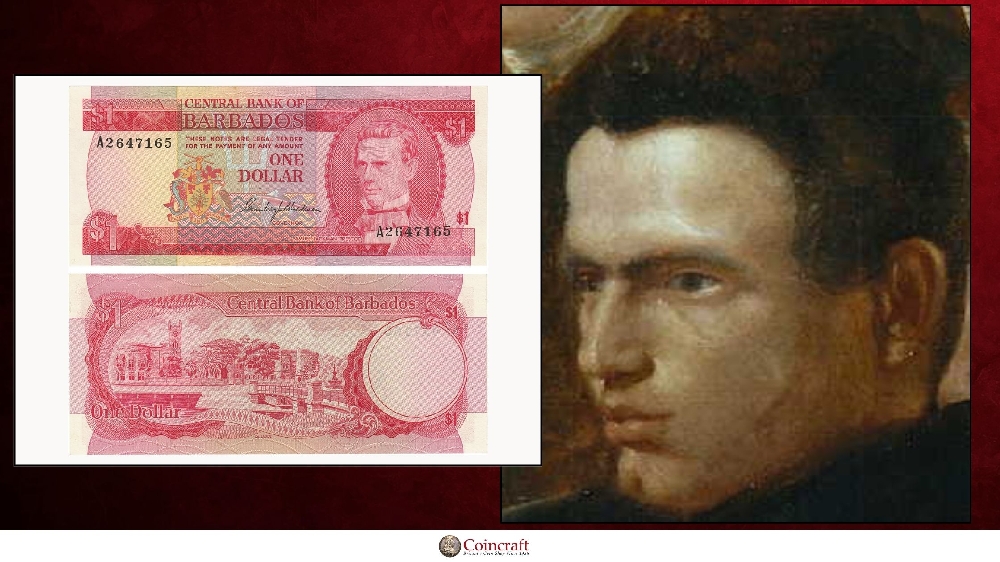
Picture Source of Samuel Jackman Prescod: Wikipedia
Samuel Jackman Prescod: The Champion of Barbadian Civil Rights
The history of the Caribbean is punctuated by the extraordinary lives of individuals who fought against the oppressive structures of colonialism and slavery. Among these towering figures is The Right Excellent Samuel Jackman Prescod, a Barbadian journalist, politician, and tireless advocate for human rights. Recognized as one of the ten National Heroes of Barbados, Prescod was instrumental in dismantling the racially discriminatory laws of the 19th century and paving the way for a more equitable society.
As the first person of African descent to be elected to the Parliament of Barbados, Prescod's life serves as a masterclass in using education, the press, and the political system to enact profound social change. This article explores his early life, his pioneering career in journalism, his historic political victories, and the enduring legacy he left behind.
Key Takeaways
Media as a Catalyst for Change: Prescod's life demonstrates the immense power of journalism. By using The Liberal, he was able to educate a disenfranchised population, expose systemic abuses, and build a unified movement for civil rights.
Resilience in the Face of Discrimination: Denied entry into his chosen profession due to his race, Prescod did not retreat. Instead, he pivoted, finding new avenues (journalism and politics) to achieve his goals and dismantle the very systems that rejected him.
The Importance of Political Representation: Prescod understood that true freedom required a voice in the halls of power. His historic election in 1843 broke a centuries-old racial barrier and proved that equitable laws require diverse lawmakers.
Incremental but Relentless Progress: Prescod’s fight was not won overnight. From securing the franchise in 1831 to achieving full emancipation in 1838, and finally entering Parliament in 1843, his career shows the value of sustained, strategic pressure over decades.
Key Facts
Full Name: Samuel Jackman Prescod
Born: 1806 in Barbados
Died: September 26, 1871 (aged 65)
Occupation: Journalist, Politician, Judge
Major Achievement: The first person of African descent to be elected to the Barbados House of Assembly (1843).
Key Publications: Editor of The New Awakener and The Liberal.
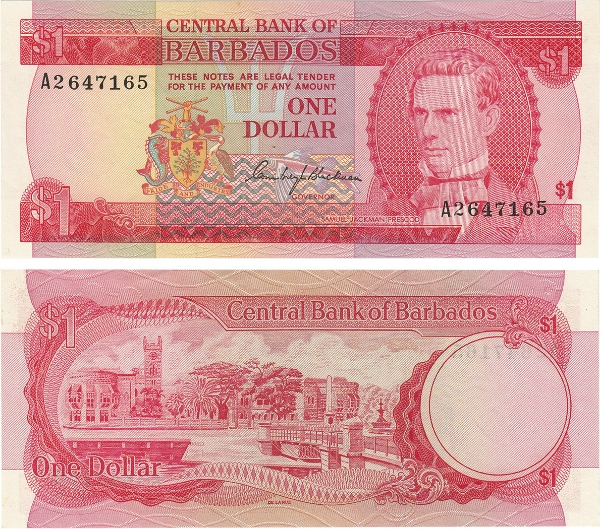
Honors: Conferred with the title "The Right Excellent" as a National Hero of Barbados in 1998; featured on the Barbadian $20 banknote; namesake of the Samuel Jackman Prescod Institute of Technology.
Early Life and the Color Line in Barbados
Samuel Jackman Prescod was born in 1806, a time when Barbados was deeply entrenched in the system of chattel slavery and dominated by a wealthy white plantocracy. He was born into a complex social hierarchy as a "free person of color." His mother, Lidia Smith, was a free woman of mixed African and European descent, and his father, William Prescod, was a wealthy white planter.
Despite his father’s wealth, Prescod's life was heavily restricted by the racial laws of the era. The society was strictly divided into three tiers: white elites (planters and merchants) who held all political and economic power, free people of color who had limited rights and no political franchise, and enslaved Africans who had no rights at all.
Prescod received a sound education, a privilege not afforded to most people of African descent at the time. However, when he attempted to enter the legal profession, he was abruptly denied based entirely on his race. This blatant discrimination profoundly impacted young Prescod. Rather than breaking his spirit, this rejection ignited a lifelong commitment to fighting systemic injustice. He realized early on that the legal and political frameworks of Barbados needed a radical overhaul if people of color were ever to be treated as equal citizens.
The Power of the Pen: Journalism as a Weapon
Denied a voice in the courtroom, Prescod found his voice in the printing press. He recognized that information was power, and that to challenge the plantocracy, he needed to educate and mobilize the disenfranchised masses.
He began his foray into journalism by writing for, and later editing, The New Awakener. However, his most significant journalistic contribution came when he took the helm of The Liberal newspaper. Under his editorship, The Liberal transformed into a powerful mouthpiece for the free colored population and the working classes.
Prescod used his editorials to fiercely critique the oppressive policies of the white ruling class. He advocated for the expansion of voting rights, the abolition of slavery, and the establishment of educational opportunities for all Barbadians. His writing was sharp, articulate, and deeply persuasive. The Liberal became a rallying point for those seeking reform, providing a platform for debate and political education that had never before existed for the non-white population of Barbados. He effectively created a public forum where the injustices of the colonial system were laid bare for all to see.
Political Ascendancy and the Fight for the Franchise
Prescod understood that while journalism could change minds, only legislation could change laws. He directed his immense energy toward achieving political rights for free people of color.
In 1831, largely due to the relentless pressure applied by Prescod and his allies through petitions and public campaigns, the British Parliament passed the Free Coloreds (Franchise) Act. This landmark legislation granted free people of color in Barbados the right to vote and the right to be elected to the House of Assembly, provided they met specific property qualifications.
While a massive victory, Prescod’s fight was far from over. In 1834, the Slavery Abolition Act technically ended slavery in the British Empire, but it was replaced by a highly exploitative "apprenticeship" system that bound formerly enslaved people to their former masters for several years. Prescod used The Liberal to expose the abuses of the apprenticeship system, arguing fiercely that it was merely slavery under a different name. His continued agitation contributed to the premature end of the apprenticeship system in Barbados, culminating in full emancipation on August 1, 1838.
The First Black Parliamentarian
Prescod’s crowning political achievement occurred in 1843. Armed with the voting rights he had fought so hard to secure, he ran for a seat in the Barbados House of Assembly to represent the City of Bridgetown. He won the election, making history as the very first person of African descent to sit in the Barbadian Parliament.
In the House of Assembly, Prescod was a formidable force. He formed a coalition of like-minded reformers that became known as the "Liberal Party." Though not a formal political party in the modern sense, this bloc worked tirelessly to advocate for the rights of the newly emancipated black population, small landholders, and the working poor.
Prescod fought for equitable taxation, judicial reform, and universal education. He constantly battled against the entrenched interests of the plantocracy, who still dominated the legislature and sought to maintain their economic and social control over the island. For over a decade and a half, he was the primary voice of opposition in a hostile environment, proving his resilience and unyielding commitment to his people.
Later Years and Enduring Legacy
After a grueling but highly effective political career, Prescod retired from the House of Assembly in 1860. In recognition of his sharp legal mind and his unimpeachable character, he was appointed as a judge of the Assistant Court of Appeal. This was a poetic turning of the tables; the man who had been denied entry into the legal profession as a youth now sat as a judge, dispensing justice in his homeland.
Samuel Jackman Prescod passed away on September 26, 1871. His death was mourned across the island by the thousands of people whose lives he had fought to improve.
His legacy is woven into the very fabric of modern Barbados. In 1998, the Barbadian government officially recognized his monumental contributions by naming him one of the ten National Heroes of Barbados, granting him the posthumous title of "The Right Excellent." Today, his portrait graces the Barbadian $20 bill, and the Samuel Jackman Prescod Institute of Technology stands as a testament to his belief in the empowering force of education.
Frequently Asked Questions (FAQs)
Q: Why is Samuel Jackman Prescod considered a National Hero of Barbados? A: He is considered a National Hero because he dedicated his life to fighting for the civil and political rights of the non-white population in Barbados. He was instrumental in securing voting rights for free people of color, advocating for the end of the oppressive apprenticeship system, and breaking the racial barrier in the Barbadian Parliament.
Q: Was Samuel Jackman Prescod ever enslaved? A: No, he was never enslaved. He was born as a "free person of color," as his mother was a free woman of color and his father was a white planter. However, being free did not mean he had equal rights, which is what he spent his life fighting for.
Q: What newspaper did he edit? A: His most famous and impactful editorial role was at the helm of The Liberal newspaper, which he used as a primary vehicle to advocate for civil rights and critique the wealthy white plantocracy.
Q: What is the significance of the year 1843 in Prescod's life? A: In 1843, Samuel Jackman Prescod was elected to the Barbados House of Assembly, representing the City of Bridgetown. This was highly significant because he became the first person of African descent to be elected to the Barbadian Parliament.
Q: Where can I see Samuel Jackman Prescod's image today? A: The Right Excellent Samuel Jackman Prescod's portrait is featured prominently on the front of the $20 Barbadian banknote.
References and Further Reading
Barbados Government Information Service (BGIS): Official profiles on the National Heroes of Barbados.
Beckles, Hilary McD. A History of Barbados: From Amerindian Settlement to Caribbean Single Market. Cambridge University Press. (Provides excellent historical context of the plantocracy and emancipation in Barbados).
Hamilton, Jill. Samuel Jackman Prescod: The Uncompromising Advocate. (A detailed biographical look at his political strategies and journalistic endeavors).
Hoyos, F. A. Builders of Barbados. Macmillan Caribbean. (Contains biographical chapters on key figures in Barbadian history, including Prescod).
The Central Bank of Barbados: Official literature regarding the design and historical figures featured on the national currency.