.jpg)
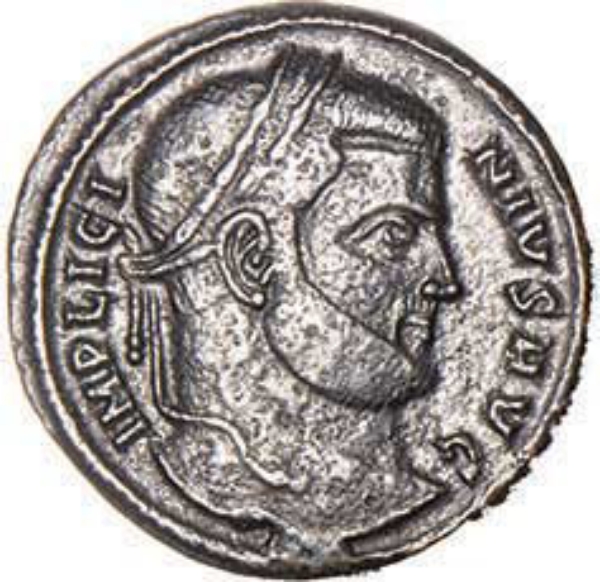
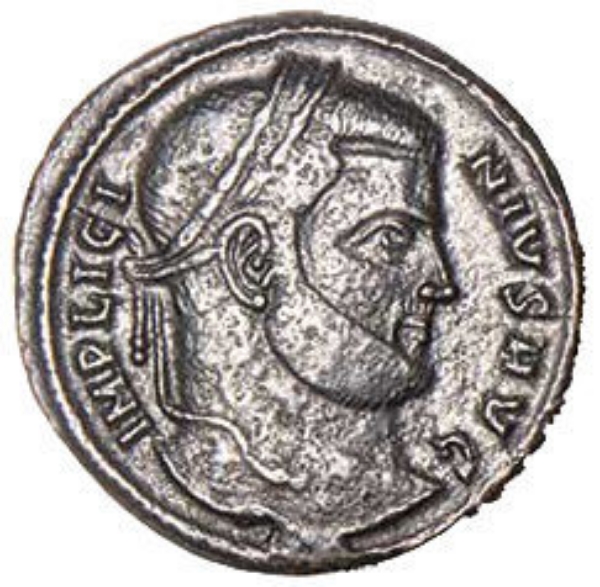
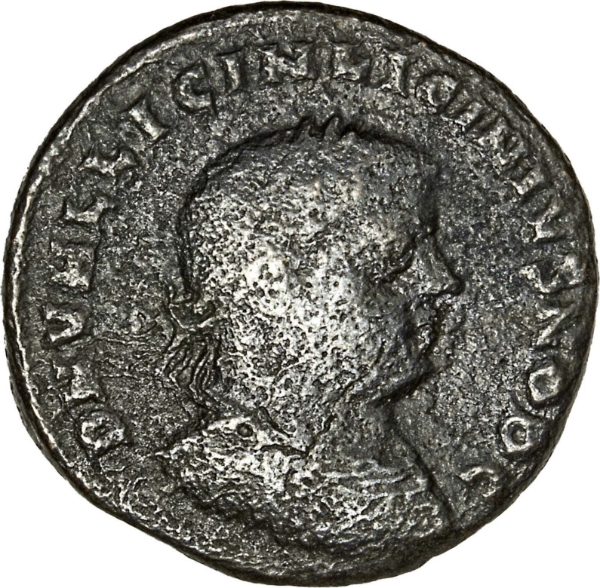
Picture Source of Licinius: Wikipedia
Introduction to Licinius and His Historical Context
Licinius, a prominent figure in Roman history, is often overshadowed by his more famous contemporaries, yet his influence on the Roman Empire was substantial. Born in a time of significant transition, Licinius emerged during the late Tetrarchy period, which was characterised by complex political dynamics and frequent power struggles. Understanding the historical context of Licinius's life is crucial to comprehending his impact on the Roman world.
The Roman Empire, during Licinius's era, was marked by internal divisions and external threats. The implementation of the Tetrarchy by Emperor Diocletian aimed to stabilise the empire by sharing power among four rulers. However, this system eventually led to increased rivalry and conflict. Licinius's rise to power occurred amidst these tensions, setting the stage for his significant role in shaping the empire's future.
Licinius's contributions to Roman history are often examined in relation to his contemporaries, such as Constantine the Great. While Licinius's legacy is frequently debated among historians, it is clear that his actions and policies had lasting effects on the empire, influencing both political and religious landscapes.
Early Life and Rise to Power
Licinius was born in Moesia, a region located in the Balkans, around 263 AD. His early life remains somewhat obscure, but it is known that he came from a humble background. Despite his origins, Licinius demonstrated exceptional military acumen, which caught the attention of the ruling emperors. His friendship with Galerius, one of the senior emperors of the Tetrarchy, was pivotal in his ascent to power.
Licinius's rise to prominence began with his appointment as Augustus in the West in 308 AD. His military prowess and strategic mind were instrumental in securing victories against various threats to the empire. His ability to navigate the complex political landscape of the time enabled him to consolidate his power and position himself as a formidable ruler.
Despite his achievements, Licinius's rise was not without challenges. The constant power struggles and shifting alliances among the Tetrarchs created a volatile environment. Licinius had to carefully manoeuvre through these dynamics to maintain his authority and expand his influence across the Roman territories.
Licinius as Co-Emperor: A New Era in the Roman Empire
Licinius's tenure as co-emperor marked a new era for the Roman Empire. In 313 AD, he was appointed as Augustus in the East, sharing power with Constantine the Great in the West. This arrangement was intended to bring stability to the empire, but it also set the stage for future conflicts between the two rulers.
As co-emperor, Licinius focused on consolidating his control over the Eastern provinces. He implemented strategic military campaigns to secure the empire's borders and maintain peace within his territories. His leadership during this period was characterised by a careful balance of diplomacy and military strength, aimed at preserving the unity of the empire.
The partnership between Licinius and Constantine was fraught with tension, as both rulers sought to assert their dominance. Despite their initial cooperation, the underlying rivalry between them eventually led to open conflict. Nevertheless, Licinius's role as co-emperor was a significant chapter in the history of the Roman Empire, reflecting the complexities and challenges of shared rule.
Key Policies and Reforms Implemented by Licinius
Licinius's reign as co-emperor was marked by several key policies and reforms that had a lasting impact on the Roman Empire. One of his primary focuses was on administrative efficiency and economic stability. To achieve this, he implemented measures to streamline the bureaucracy and improve revenue collection, which were crucial for sustaining the empire's vast territories.
In addition to administrative reforms, Licinius took steps to strengthen the military. Recognising the importance of a robust defence system, he invested in fortifying the empire's borders and enhancing the capabilities of the Roman legions. These efforts were vital in safeguarding the empire against external threats and ensuring the security of its citizens.
Licinius also played a role in promoting religious tolerance within the empire. Although his policies in this regard were complex and sometimes contradictory, his actions contributed to the evolving landscape of religious freedom in the Roman world. These reforms, along with his military and administrative initiatives, underscored Licinius's commitment to ensuring the stability and prosperity of the empire.
The Conflict with Constantine: Causes and Consequences
The conflict between Licinius and Constantine was a defining moment in Roman history, with significant implications for the empire's future. The causes of their rivalry were rooted in both personal ambition and political differences. As co-emperors, both Licinius and Constantine sought to expand their influence and assert their supremacy, leading to an inevitable clash.
One of the key factors contributing to their conflict was the issue of religious policy. While Constantine was a proponent of Christianity, Licinius favoured traditional Roman paganism. This ideological divide exacerbated tensions between the two rulers, as each sought to promote their respective religious beliefs within the empire.
The culmination of their rivalry occurred in a series of battles, most notably the Battle of Chrysopolis in 324 AD. Constantine's victory in this decisive encounter led to Licinius's defeat and eventual execution. The conflict between these two powerful figures not only reshaped the political landscape of the Roman Empire but also marked a turning point in the history of Christianity, as Constantine emerged as the sole ruler and champion of the Christian faith.
The Edict of Milan and Its Impact on Religious Tolerance
The Edict of Milan, issued in 313 AD, was a landmark proclamation that granted religious freedom to Christians and other religious groups within the Roman Empire. While Constantine is often credited with the edict's implementation, Licinius played a significant role in its development and enforcement, highlighting his complex relationship with religious policy.
The edict marked a shift in the empire's approach to religious tolerance, allowing Christians to practice their faith openly without fear of persecution. This change was instrumental in the spread of Christianity throughout the Roman world and laid the foundation for its eventual dominance as the empire's official religion.
Licinius's involvement in the Edict of Milan reflects his pragmatic approach to governance. By supporting religious tolerance, he aimed to maintain peace and stability within his territories, recognising the growing influence of Christianity. The edict's impact on religious freedom was profound, shaping the cultural and spiritual landscape of the Roman Empire for generations to come.
The Downfall of Licinius: Factors Leading to His Defeat
Licinius's downfall was the result of a combination of factors, including military defeat, political miscalculations, and shifting alliances. Despite his earlier successes as a military strategist and ruler, Licinius's inability to effectively counter Constantine's growing power ultimately led to his demise.
One of the critical factors in Licinius's defeat was his failure to secure strong alliances. As Constantine's influence expanded, Licinius found himself increasingly isolated, with fewer allies to support his cause. This lack of support was evident during the decisive battles against Constantine, where Licinius's forces were outnumbered and overpowered.
Additionally, Licinius's reliance on traditional Roman paganism created further divisions within the empire. As Constantine championed Christianity, Licinius's adherence to the old religious order alienated potential supporters and weakened his position. These factors, combined with Constantine's military prowess, culminated in Licinius's eventual capture and execution, marking the end of his reign and influence.
Legacy of Licinius in Roman History and Beyond
The legacy of Licinius in Roman history is a subject of considerable debate among scholars. While his reign was marked by significant achievements and reforms, his legacy is often overshadowed by his conflict with Constantine and subsequent defeat. Nevertheless, Licinius's contributions to the Roman Empire cannot be overlooked.
Licinius's policies on religious tolerance, as exemplified by his role in the Edict of Milan, had a profound impact on the Roman world. His pragmatic approach to governance, focusing on stability and security, reflected a deep understanding of the empire's needs. These aspects of his legacy continue to be recognised and studied by historians.
Beyond his contributions to the Roman Empire, Licinius's story serves as a reminder of the complexities and challenges of leadership. His rise and fall illustrate the delicate balance of power and the influence of personal ambition in shaping historical events. As such, Licinius remains a key figure in Roman history, whose legacy continues to be explored and re-evaluated by modern scholars.
Historical Interpretations and Modern Perspectives on Licinius
Historical interpretations of Licinius have evolved over time, with scholars offering diverse perspectives on his reign and legacy. Early historians often portrayed Licinius as a tyrant and a foil to Constantine, highlighting his eventual defeat and execution. However, modern scholarship has sought to provide a more nuanced view of his contributions and challenges.
Recent studies have emphasised Licinius's role in promoting religious tolerance and administrative efficiency. By examining his policies and reforms, historians have gained a deeper understanding of his impact on the Roman Empire. This reassessment of Licinius's legacy reflects a broader trend in historical scholarship, which seeks to recognise the complexity of historical figures and events.
Contemporary perspectives on Licinius also consider the broader context of his time, acknowledging the challenges he faced as a ruler in a divided empire. By situating Licinius within the historical and political landscape of the late Roman Empire, modern scholars have developed a more comprehensive view of his reign and its significance.
The Enduring Significance of Licinius
The enduring significance of Licinius in Roman history lies in his complex legacy as a ruler, reformer, and military strategist. Despite his eventual defeat by Constantine, Licinius's contributions to the Roman Empire were substantial, particularly in the areas of religious tolerance and administrative reform.
Licinius's story serves as a testament to the challenges of leadership and the intricate dynamics of power in the Roman world. His pragmatic approach to governance and commitment to stability reflect a deep understanding of the empire's needs, making him a key figure in its history.
In exploring the legacy of Licinius, one gains a deeper appreciation for the complexities of Roman history and the individuals who shaped its course. His life and reign offer valuable insights into the challenges and opportunities faced by rulers in a rapidly changing world. As such, Licinius's legacy continues to be a subject of fascination and study for historians and enthusiasts alike.