What to Do if You Inherit a Coin Collection: A Beginner's Guide
Inheriting a coin collection can be both deeply emotional and incredibly overwhelming. For many, a collection represents a loved one's lifetime of passion, meticulous gathering, and financial investment. Yet, when those heavy boxes, dusty albums, or locked safes are handed down, heirs are often left with a wave of questions: What is all of this? Is it actually valuable? How should I handle it? And most importantly, how do I avoid making a costly mistake before I even understand what I have?
If you have recently inherited a coin collection, the most important thing you can do is take a deep breath and slow down. You do not need to make any immediate decisions. This step-by-step beginner's guide is designed to serve as your practical roadmap, taking you from initial panic to a clear, organised, and stress-free evaluation of your family legacy.
Key Facts
Category | Practical Details & Industry Standards |
|---|---|
The Golden Rule | Never clean, polish, wipe, or wash any coin. Doing so instantly destroys its value. |
Proper Handling | Hold coins only by their outer edges (rims). Wear clean cotton or nitrile gloves if possible. |
Key Categories | Bullion (valued by precious metal weight) vs. Numismatics (valued by rarity and condition). |
Top Grading Services | Professional Coin Grading Service (PCGS) and Numismatic Guaranty Company (NGC). |
Appraiser Credentials | Look for dealers affiliated with the British Numismatic Trade Association (BNTA). |
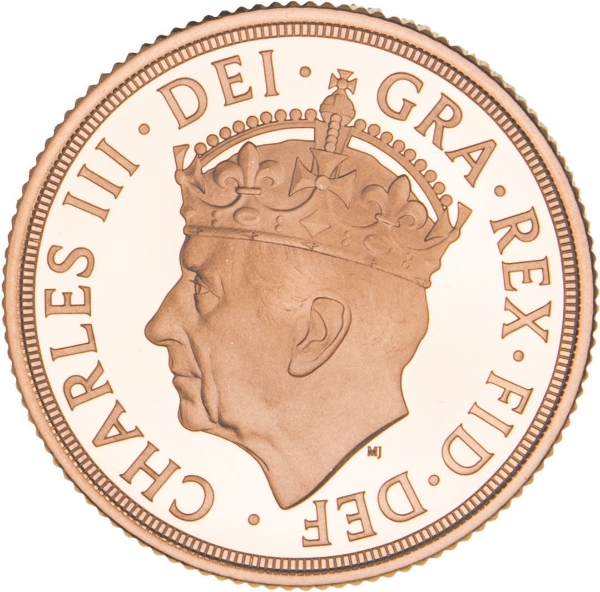
Tax Standard (UK) | Inherited collections are assessed for Inheritance Tax (IHT) at probate, but UK legal tender coins (like Sovereigns and Britannias) are legally exempt from Capital Gains Tax (CGT) when sold. |
Optimal Climate | Keep stored coins at 18 to 21 degrees Celsius with 35% to 45% relative humidity in PVC-free holders. |
Key Takeaways
Avoid the Cleaning Trap: A darkened, tarnished coin with its original patina is infinitely more valuable to collectors than a coin that has been scrubbed clean. Polishing leaves microscopic scratches that destroy numismatic value by up to 90%.
Do Not Break Sets or Slabs: Keep coins in their existing packaging. If a coin is sealed in a hard plastic "slab" from a grading company (like PCGS or NGC), or is part of a proof/mint set in original Royal Mint packaging, leave it exactly as it is.
Catalogues Before Appraisals: Create a simple spreadsheet listing dates, mint marks (if applicable), denominations, and packaging types. Taking well-lit photos of both sides of your coins protects your inventory and makes preliminary valuation much easier.
Know the Difference Between Metal and Rarity: Bullion coins (like Gold Sovereigns or Silver Britannias) are worth a percentage of the live spot price of gold or silver. Numismatic coins are collector items whose value depends heavily on rarity, year, and visual grade.
Understand the CGT Exemption: Because British gold Sovereigns and silver/gold Britannias are technically legal tender in the UK, they are completely exempt from Capital Gains Tax. This is a massive tax benefit if you decide to sell them later on.
The Crucial "Do No Harm" Phase
Before you sit down at a table to look through your new inheritance, you must adopt the philosophy of museum curators: preserve and protect.
1. The Ultimate Cardinal Sin: Never Clean Your Coins
It is human nature to want to make old things look shiny, clean, and new. However, in the world of coin collecting, cleaning a coin is a catastrophic error. Over decades, silver, copper, and gold naturally react with the air, developing a unique discolouration known as "toning" or "patina."
To a professional coin dealer or collector, this toning is beautiful because it proves the coin's authenticity and original condition. If you chemically dip a coin or rub it with a cloth, you will strip away this natural layer and leave microscopic scratches on the metal. Appraisers use high-powered loupes (magnifying glasses) and microscopes to spot cleaned coins instantly. A cleaned rare coin can lose 50% to 90% of its market value in seconds. Leave the dirt, leave the dust, and leave the tarnish exactly where they are.
2. Handle with Care
Your fingers carry natural oils, sweat, and acids that can permanently etch fingerprints into sensitive coin metals.
Touch Only the Edges: When picking up an unsealed coin, hold it firmly by its outer rim between your thumb and forefinger. Never touch the face (obverse or reverse) of the coin.
Work Over a Soft Surface: Lay a clean, soft velvet cloth or a thick, lint-free cotton towel on your workspace. If a coin slips out of your hand, dropping it onto a hard wooden or glass table can cause permanent dings and scratches.
Wear Gloves: If the collection contains loose, high-value raw coins, wear clean, unpowdered cotton or nitrile gloves.
Step 1: Sort and Organise the Collection
You do not need to become a world-class coin expert overnight. To make the collection manageable, perform a basic sort to divide the items into logical categories.
Category A: Certified "Slabbed" Coins
These are coins that have already been evaluated, graded, and sealed in hard, rectangular plastic cases by professional third-party grading services like PCGS, NGC, ANACS, or ICG. These are the easiest to handle because the coin's exact type, year, grade (on a scale of 1 to 70), and unique serial number are printed right on the label. Keep these completely intact; never attempt to crack open these plastic holders.
Category B: Modern Precious Metal Bullion
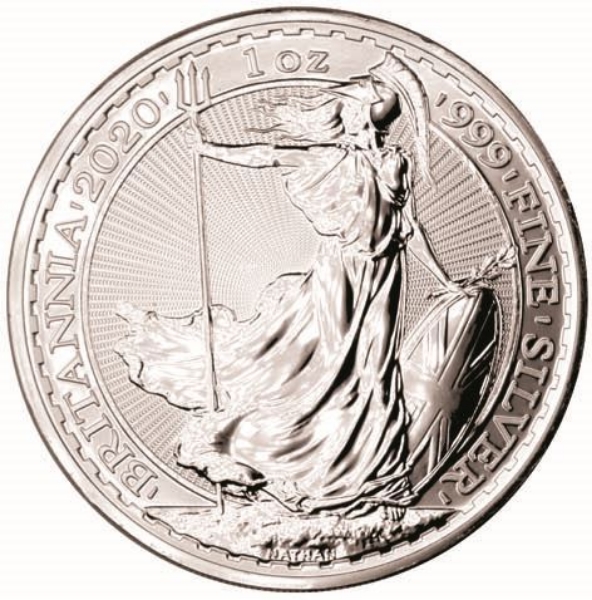
These are coins, rounds, or bars minted primarily for their raw metal content rather than their historical collectibility. They are usually stamped with their weight and purity (for example, "1 oz Fine Silver" or "999.9 Fine Gold"). Common bullion items in the UK include:
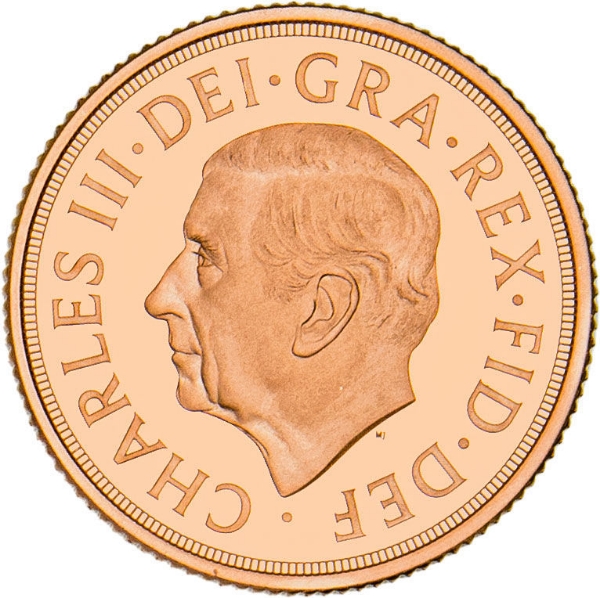
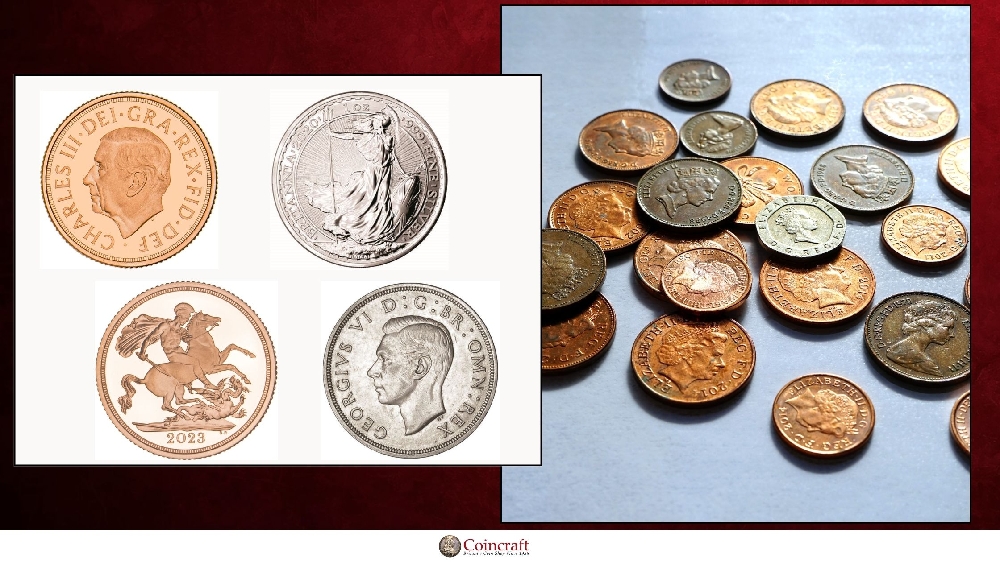
Royal Mint Gold and Silver Sovereigns
Royal Mint Gold and Silver Britannias
Canadian Gold Maple Leafs
South African Gold Krugerrands
Raw silver or gold bars
The value of these items fluctuates daily based on the global commodities market spot prices for gold, silver, and platinum.
Category C: Vintage and Circulated Coins
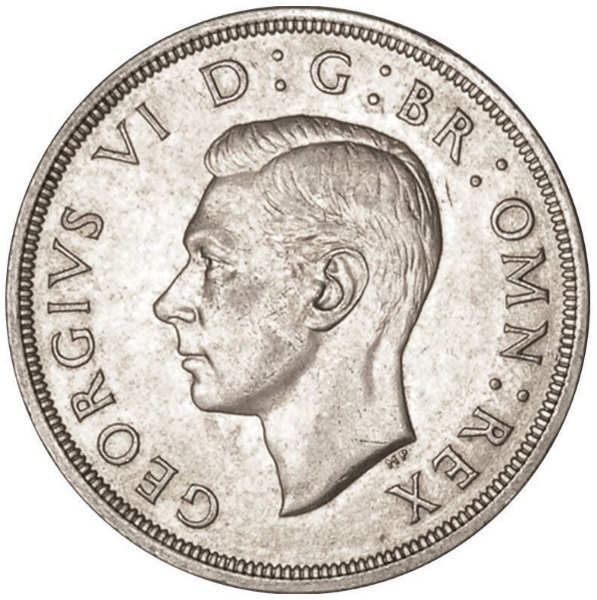
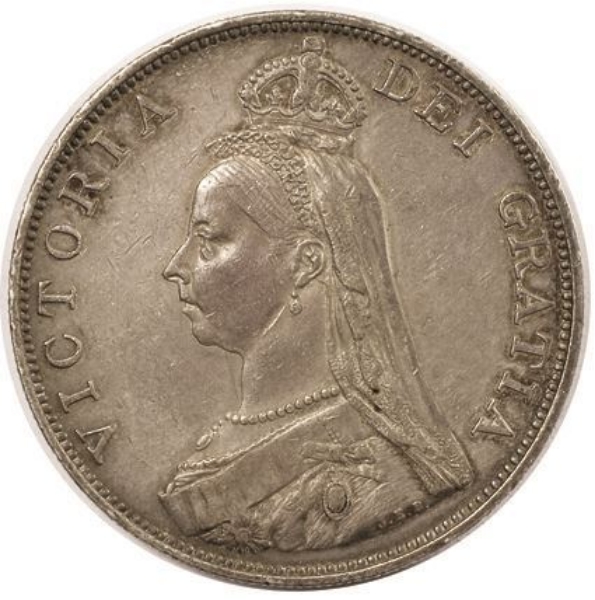
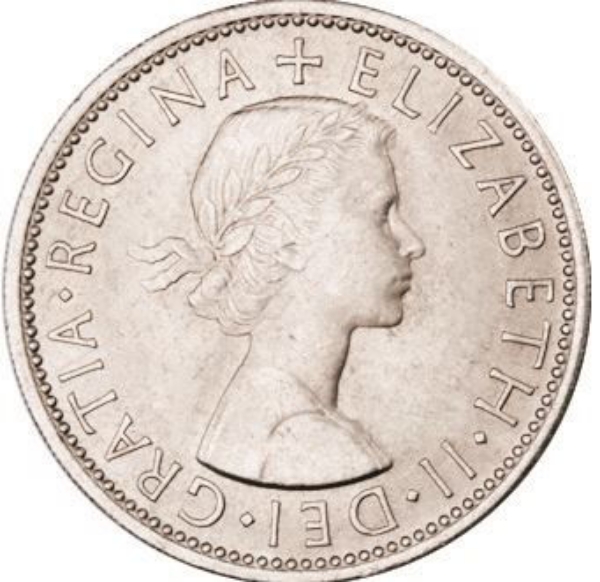
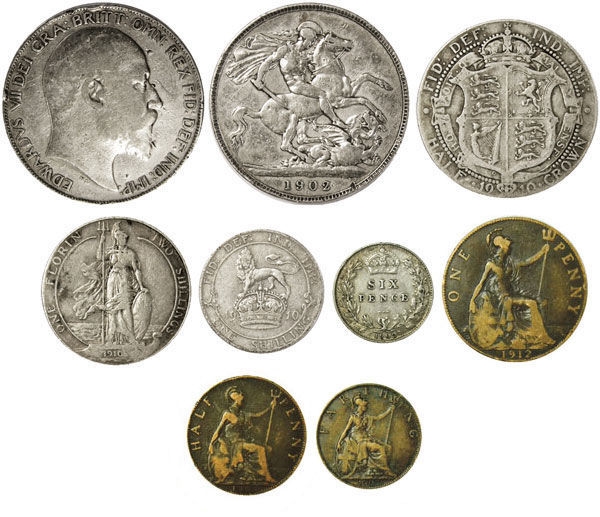
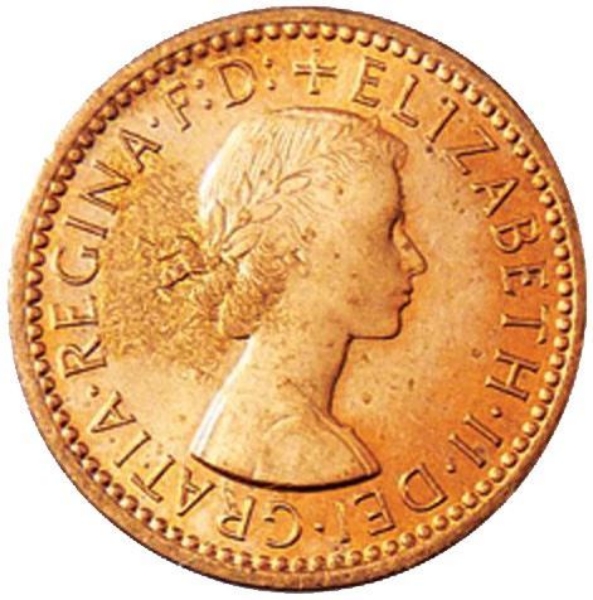
These are older coins that were once used as active currency. In the United Kingdom, this includes pre-decimal coins like silver crowns, half-crowns, florins, shillings, sixpences, threepences, pennies, and halfpennies. These should be sorted by denomination and then chronologically by year.
Note for UK silver: British silver coins minted before 1920 are made of sterling silver (92.5% purity). Coins minted between 1920 and 1946 contain 50% silver. Coins dated 1947 or later are made of cupronickel and contain no silver at all.
Category D: Mint and Proof Sets
Many collectors purchase annual mint sets (uncirculated coins packaged together by the Royal Mint) or proof sets (specially struck, mirror-like coins made specifically for collectors). Keep these in their original cardboard envelopes, presentation boxes, or plastic display cases. Breaking them apart to spend the coins at face value is a common beginner mistake that destroys their packaging premium.
Step 2: Documenting and Cataloguing Your Inventory
Once you have your categories separated, it is time to build a digital inventory. Having an organised record is invaluable for insurance, legal estate distribution, probate valuation, and professional valuations.
Open a simple spreadsheet program (like Microsoft Excel or Google Sheets) and create the following columns:
Country of Origin: (e.g., UK, Australia, Canada, South Africa)
Year of Mintage: (e.g., 1887)
Denomination: (e.g., One Sovereign, Half Crown)
Mint Mark: A tiny letter indicating where the coin was made. For example, some British Sovereigns have mint marks like "S" (Sydney), "M" (Melbourne), or "SA" (Pretoria). The absence of a mint mark usually means it was struck in London.
Format / Holder: (e.g., PCGS Slab, Plastic capsule, Cardboard 2x2 envelope, Loose, Royal Mint Box)
Estimated Grade/Notes: Write down if the coin looks heavily worn, extremely shiny, or if there is writing on the existing packaging.
While cataloguing, use your smartphone to take clear, well-lit photos of both the front and back of any stand-out items. Good lighting is essential—natural window light or a desk lamp positioned at an angle will capture details without creating harsh glares.
Step 3: Getting a Professional Valuation
Many beginners try to value their inherited collection by searching eBay or buying a printed price guide like "Spackman" or "Coin Yearbook." While this is a fun way to start, it can also lead to massive disappointment or confusion.
Coin valuation is incredibly subtle. Two silver crowns from 1887 might look identical to an untrained eye, but a tiny variation in the design or a microscopic difference in wear can mean one coin is worth £30 while the other is worth £3,000. Additionally, printed books list retail values (what a dealer sells a coin for), not wholesale values (what a dealer will actually pay you).
When to Seek a Professional Valuation
You should strongly consider getting a professional numismatic valuation if:
The collection contains physical gold or platinum coins (such as Sovereigns).
You find coins dated before 1800.
There are multiple certified "slabbed" coins from PCGS or NGC.
You estimate the total metal value of the collection exceeds £1,000 to £3,000.
You need an official document for Probate (Inheritance Tax calculation), estate division, or insurance coverage.
How to Find a Reputable Valuer
Avoid taking your coins to local pawnshops, transient "we buy gold" hotel events, or general antique shops. These businesses rarely have specialised numismatic training and are highly likely to offer you a fraction of the collection's true market value.
Instead, look for dealers and valuation specialists who are active members of:
The British Numismatic Trade Association (BNTA): The leading governing body for reputable coin dealers in the UK. Members must adhere to a strict code of ethics and guarantee the authenticity of the items they sell.
Step 4: Understanding the UK Tax Implications
Inheriting a financial asset comes with legal and tax responsibilities. Fortunately, the UK tax rules surrounding inherited tangible personal property like coin collections can be highly favourable if managed correctly.
1. Inheritance Tax (IHT) and Probate Valuation
When someone passes away, their entire estate (including property, cash, and personal effects like coin collections) is valued for Probate.
If the total value of the estate exceeds the Inheritance Tax threshold (the nil-rate band, which is typically £325,000), the estate may owe a 40% tax on the excess value.
It is critical to secure an accurate "probate valuation" (usually representing the realistic wholesale market value, or "open market value") of the coin collection rather than a retail replacement value. This ensures the estate does not overpay on Inheritance Tax.
2. The Capital Gains Tax (CGT) Exemption Loophole
If you inherit a coin collection and decide to sell it later, you may be subject to Capital Gains Tax (CGT) on any profit (gain) you make above the value of the coins at the time of the benefactor's death.
However, British numismatics features a massive tax advantage:
UK Legal Tender Status: Because British gold Sovereigns and silver/gold Britannias are legally recognised as official sterling currency, they are completely exempt from Capital Gains Tax under UK tax law.
No matter how much the price of gold rises, and no matter how much profit you make when you sell your inherited Sovereigns or Britannias, you will owe zero CGT on the proceeds.
Non-legal tender coins (such as Krugerrands or pre-decimal collector coins) are subject to CGT, but only if your total annual capital gains exceed the annual UK personal CGT allowance, or if individual sales fall under the "chattels exemption" (which protects personal belongings sold for £6,000 or less).
To protect yourself, keep a copy of the formal probate valuation, as this establishes your acquisition cost basis.
Frequently Asked Questions (FAQs)
Can I clean an inherited coin if it is extremely dirty or covered in black tarnish?
No. You must never clean a coin under any circumstances. Even mild soapy water, baking soda, pencil erasers, or silver polish will leave micro-abrasions on the delicate metal surfaces. To a collector, natural tarnish and black silver sulphide (patina) prove the coin's historical age. Cleaning it will strip away its original surfaces and instantly destroy its market value.
What is the difference between "raw" coins and "slabbed" coins?
A "raw" coin is loose, uncertified, and may be stored in a paper envelope, a cardboard folder, or a plastic sleeve. A "slabbed" coin has been sent to an independent third-party grading service (such as PCGS or NGC), where experts authenticate it, assign it a formal grade from 1 to 70, and hermetically seal it in a tamper-evident, hard plastic protective holder. Slabbed coins are much easier to sell because their authenticity and condition are globally guaranteed.
Should I take my inherited coin collection to a high street pawnbroker?
No, this is highly discouraged. Pawnbrokers are generalist businesses that deal in modern jewellery, electronics, and tools. They lack the highly specialised knowledge required to identify rare dates, die varieties, and mint errors. To cover their overhead and minimise risk, they typically offer low-ball payouts based purely on raw scrap metal weight. Always consult a dedicated coin dealer who is a member of the BNTA.
Is an old coin always valuable?
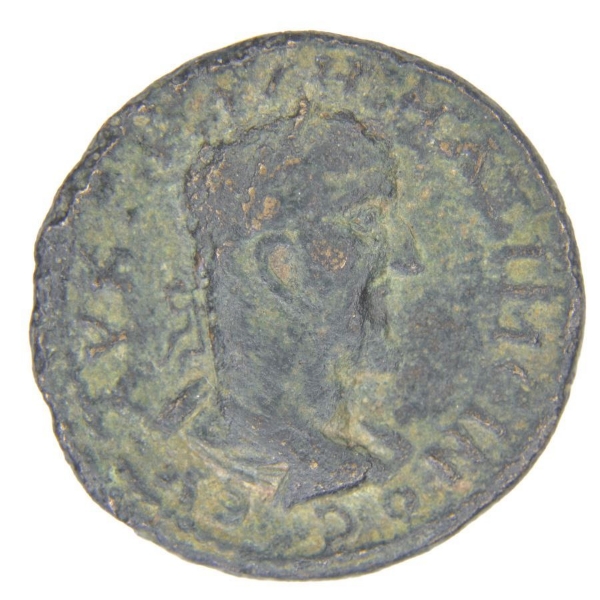
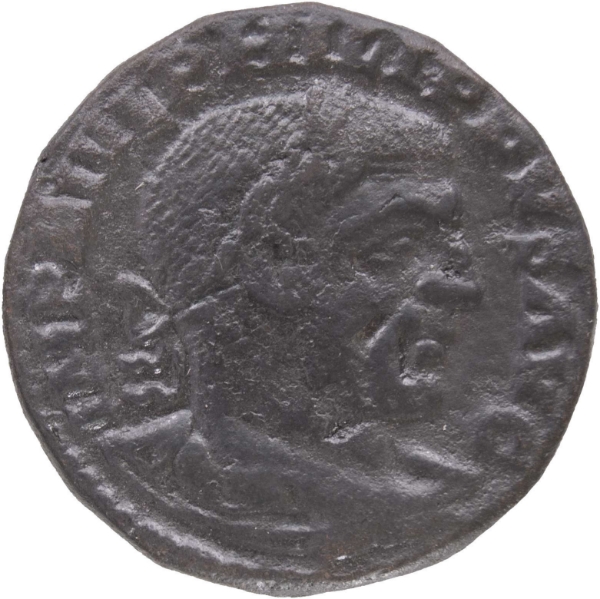
Not necessarily. In coin collecting, age does not automatically equal value. A Roman bronze coin from 300 AD might only be worth £10 because millions of them survived, whereas a British copper penny from 1933 is incredibly famous and worth tens of thousands of pounds because only a tiny handful were ever minted. Value is driven by three main factors: rarity (how many exist), condition (how well it has been preserved), and collector demand.
How should I store my inherited collection to keep it safe?
Store your coins in a cool, dry place away from direct sunlight, extreme temperature changes, and moisture. Avoid storing them in damp basements or hot lofts. Keep them in PVC-free plastic holders, paper envelopes made specifically for archival coin storage, or airtight tubes. If you are keeping high-value items at home, invest in a heavy, fireproof, and bolted-down safe, or rent a safe deposit box at your local bank.
Bibliography & References
British Numismatic Trade Association (BNTA) (2026). Code of Conduct and Finding a Reputable UK Coin Dealer. BNTA Member Directory
Chards Numismatic Guides (2025). Inheriting a Coin Collection in the UK: Steps, Taxes, and Best Practices. Chards UK Guide
HM Revenue & Customs (HMRC) (2026). Capital Gains Tax on Coins and Chattels. Gov.uk Tax Portal
Numismatic Guaranty Company (NGC) (2026). The Basics of Grading and Preserving Rare Coins. NGC Coin Guide Portal
Professional Coin Grading Service (PCGS) (2026). PCGS Grading Standards and Protection. PCGS Reference Database