.jpg)
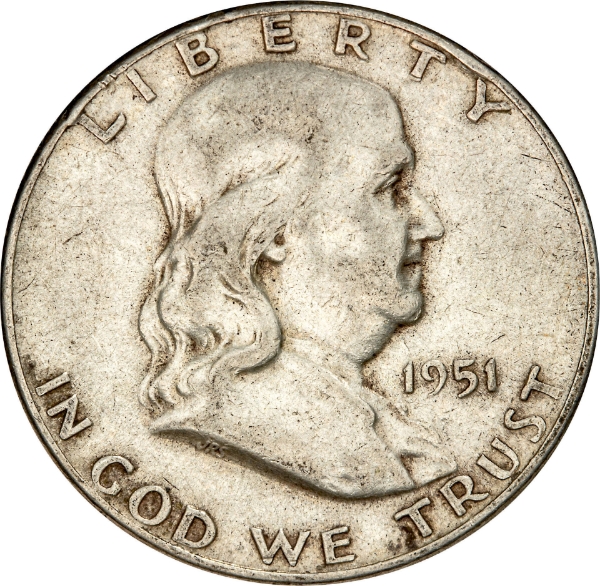
Picture Source of Benjamin Franklin: Wikipedia
Introduction to Benjamin Franklin
Benjamin Franklin remains one of the most revered figures in American history. Known for his multifaceted contributions, Franklin's legacy extends far beyond his role as a Founding Father. His life story is a testament to the power of perseverance, intellect, and civic duty. This article aims to delve into the life and achievements of Franklin, exploring the various roles he played in shaping the early United States.
Franklin's life was marked by a relentless pursuit of knowledge and improvement. Born in Boston in 1706, he rose from modest beginnings to become a leading figure in multiple fields including science, politics, and philosophy. His curiosity and innovative spirit led to numerous breakthroughs, many of which continue to influence contemporary society. Franklin's story is not just about personal success; it is about a man who dedicated his life to the service of others.
Understanding the breadth of Franklin's contributions requires looking at the diverse roles he played. From scientist to diplomat, inventor to philosopher, Franklin's legacy is a rich tapestry that touches upon various aspects of human endeavour. This exploration begins with his early life and education, setting the stage for his later achievements.
Early Life and Education
Benjamin Franklin was born the tenth son of Josiah Franklin, a soap and candle maker, and Abiah Folger. The family’s financial situation meant that Franklin's formal education was limited. Despite this, his passion for reading and learning was evident from a young age. By the age of 12, he was apprenticed to his brother James, a printer, where he honed his writing and publishing skills.
Franklin's early exposure to the printing world ignited his interest in literature and communication. He educated himself by reading voraciously, consuming works that spanned various genres and disciplines. By the age of 15, Franklin was contributing to his brother’s newspaper under the pseudonym Silence Dogood, where he addressed social and political issues with wit and insight. This early experience laid the groundwork for his future as a writer and thinker.
His thirst for knowledge eventually led Franklin to travel to Philadelphia at the age of 17. There, he continued his work in the printing business but soon expanded his horizons. Philadelphia, with its vibrant intellectual and cultural life, provided Franklin with opportunities to engage with leading figures of the time, further shaping his ideas and ambitions. These formative years were critical in developing the skills and perspectives that would define his remarkable career.
Franklin's Contributions to Science and Invention
Benjamin Franklin is perhaps best known for his scientific achievements and inventive mind. Among his most notable contributions is the invention of the lightning rod, which emerged from his famous kite experiment in 1752. By proving that lightning is a form of electricity, Franklin not only advanced the scientific understanding of the time but also provided a practical solution to protect buildings and ships from lightning strikes.
Franklin's interest in electricity extended to numerous experiments and concepts. He introduced terms such as "battery," "conductor," and "electrician," which remain in use today. His pioneering work in electricity earned him recognition as one of the leading scientists of his era, both in America and Europe. His scientific inquiries were not limited to electricity; he also made advancements in understanding ocean currents, meteorology, and population studies.
In addition to his scientific explorations, Franklin was a prolific inventor. His creations include the Franklin stove, bifocal glasses, and the odometer. Each invention was aimed at improving everyday life, reflecting Franklin's practical approach to problem-solving. His commitment to sharing his findings and inventions without seeking patents demonstrates his dedication to the public good, ensuring that his innovations could benefit society at large.
Franklin as a Diplomat and Statesman
Benjamin Franklin's diplomatic skills were instrumental during the formative years of the United States. His ability to navigate complex political landscapes was evident during his time as the American envoy to France from 1776 to 1785. Franklin's charm, wit, and intellect endeared him to the French court, and he played a crucial role in securing French support during the American Revolution, a decisive factor in the eventual American victory.
His diplomatic efforts were not confined to France. Franklin was involved in negotiating the Treaty of Paris in 1783, which formally ended the Revolutionary War. His diplomacy was marked by pragmatism and a keen understanding of international relations. Franklin's ability to balance American interests with those of European powers was essential in securing favourable terms for the fledgling nation, establishing a foundation for future diplomatic endeavours.
In addition to his international achievements, Franklin's statesmanship was evident within the United States. He was a delegate to the Constitutional Convention in 1787, where his experience and wisdom contributed significantly to the debates. Franklin's advocacy for compromise and unity was pivotal in shaping the final document, reflecting his commitment to creating a balanced and functional government. His statesmanship continues to be studied as an example of effective leadership and diplomacy.
The Role of Franklin in the American Revolution
Benjamin Franklin was a key figure in the American Revolution, contributing both intellectually and practically to the cause of independence. As tensions with Britain escalated, Franklin used his influence and connections to rally support for the colonies. His writings provided a compelling argument for independence, articulating the injustices faced by the colonists and the necessity of self-governance.
Franklin's role extended beyond rhetoric. He was a member of the Second Continental Congress and part of the committee tasked with drafting the Declaration of Independence. His insights and revisions helped shape the document that would become a cornerstone of American identity. Franklin's vision for a new nation was rooted in principles of liberty, equality, and democracy, ideals that continue to resonate today.
During the war, Franklin's diplomatic efforts were crucial in securing alliances and resources. His ability to negotiate with France resulted in vital military and financial support, turning the tide in favour of the American forces. Franklin's contributions to the Revolution were not just strategic but also symbolic, representing the Enlightenment ideals that underpinned the quest for independence. His legacy in the Revolution is a testament to his leadership and commitment to the cause of freedom.
Franklin's Influence on American Philosophy and Thought
Benjamin Franklin's impact on American philosophy and thought is profound and enduring. His writings, ranging from essays and letters to his famous autobiography, reflect a philosophy grounded in practicality, self-improvement, and civic responsibility. Franklin's ideas were influenced by Enlightenment thinkers, yet he adapted these concepts to the American context, advocating for education, hard work, and community involvement.
One of Franklin's most significant contributions to American thought was his emphasis on education and intellectual curiosity. He believed in the power of knowledge to transform individuals and societies. Franklin founded the American Philosophical Society and the University of Pennsylvania, institutions that continue to promote learning and innovation. His legacy in education is a reflection of his belief in the limitless potential of the human mind.
Franklin's philosophy also encompassed a deep sense of civic duty and public service. He was a strong advocate for social reforms, including the abolition of slavery and the promotion of equal rights. His writings often addressed social and moral issues, encouraging individuals to contribute positively to their communities. Franklin's influence on American philosophy lies in his ability to blend intellectual pursuits with practical action, inspiring generations to strive for personal and societal betterment.
The Legacy of Benjamin Franklin: Lessons for Today
The legacy of Benjamin Franklin offers timeless lessons that remain relevant in today's world. His life exemplifies the importance of curiosity, adaptability, and perseverance. Franklin's relentless pursuit of knowledge and willingness to embrace new ideas serve as a reminder of the value of lifelong learning and the need to remain open to change in an ever-evolving world.
Franklin's commitment to public service and community involvement is another key aspect of his legacy. He believed that individuals have a responsibility to contribute to the common good, a principle that is increasingly important in modern society. His initiatives, such as the establishment of libraries, fire departments, and educational institutions, demonstrate the impact that individual action can have on community development and improvement.
Finally, Franklin's diplomatic and leadership skills provide valuable insights into effective governance and negotiation. His ability to balance diverse interests and foster collaboration offers lessons for contemporary leaders navigating complex political landscapes. Franklin's legacy is not just a historical account but a guide for building a more informed, equitable, and engaged society.