To Clean or Not to Clean? The Golden Rule of Coin Preservation
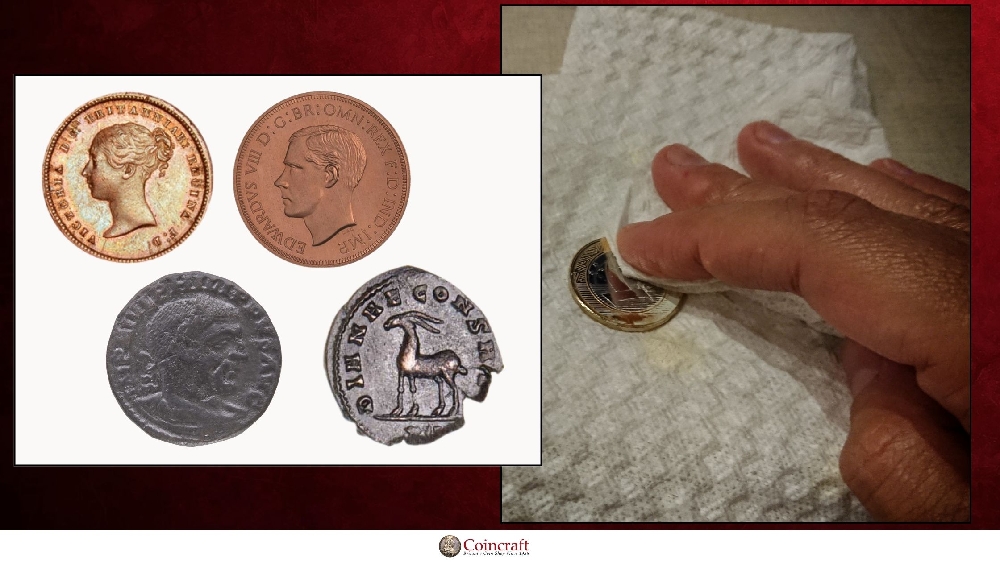
It is human nature to be drawn to shiny objects. When someone unearths a century-old silver dollar or inherits a box of darkened, crusty pennies from a grandparent, the immediate psychological impulse is usually to "restore" them to their former glory. Out come the toothbrushes, the baking soda, the jewelry dip, and the polishing cloths.
However, in the world of numismatics (the study and collection of coins), this well-intentioned impulse is the quickest way to destroy a piece of history. If you only ever learn one concept about coin collecting, let it be the Golden Rule of Coin Preservation: Never, under any circumstances, clean your coins.
Doing so permanently alters the coin's original surface, strips away its historical integrity, and can obliterate its financial value by 30% to 70%—or even up to 90% in severe cases (Bowers, 2006).
The Value of Originality: Patina and Mint Luster
To understand why cleaning is universally condemned by professionals, one must understand what collectors actually value. Numismatists do not pay premiums for shiny coins; they pay premiums for original coins.
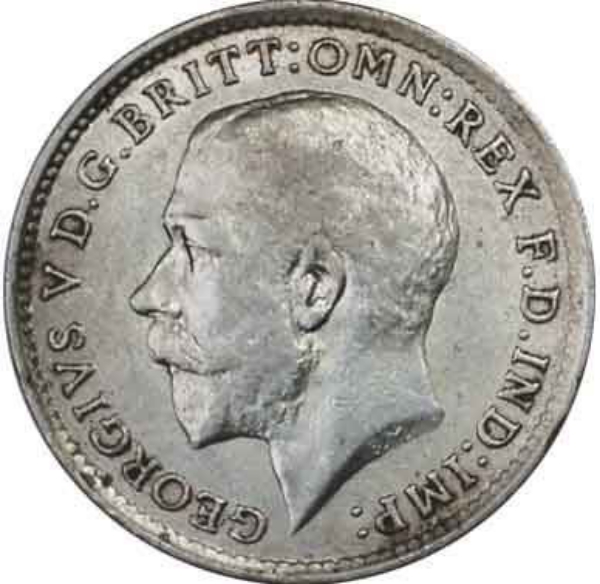
When a coin is struck at the mint, the massive pressure of the dies against the metal blank creates microscopic, radial "flow lines." When light hits these microscopic ridges, it reflects in a spinning, windmill-like pattern known as "mint luster" or the "cartwheel effect."
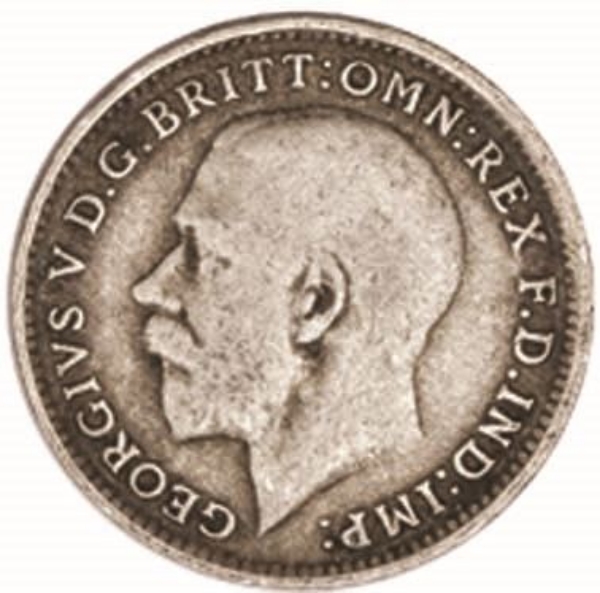
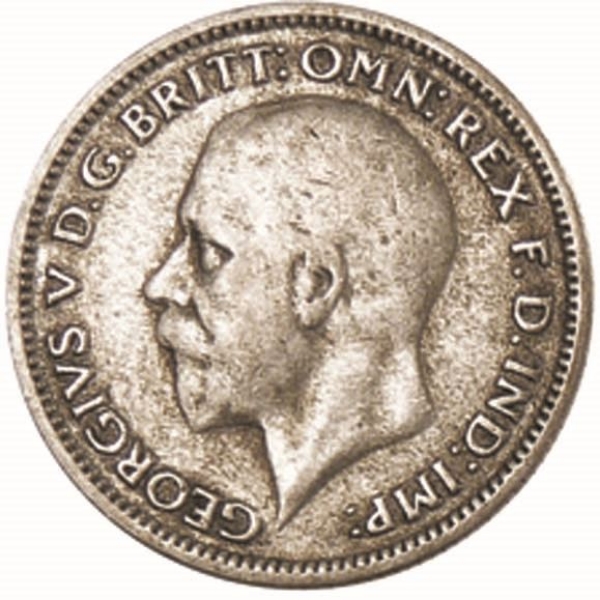
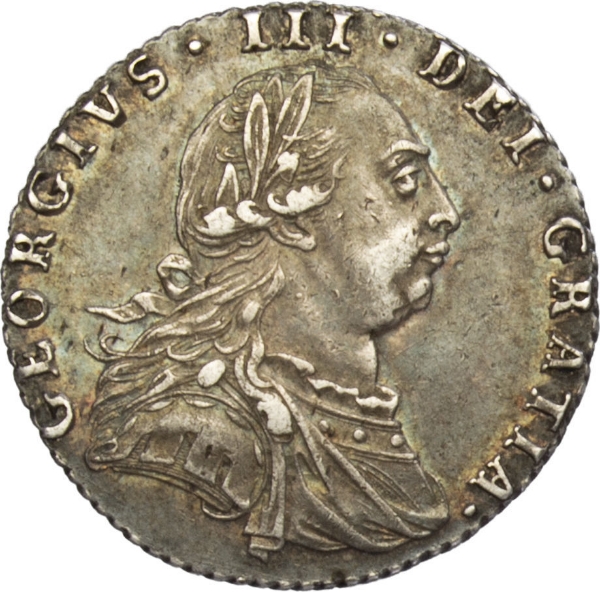
As a coin ages, it interacts with the environment. Silver reacts with trace amounts of sulfur in the air, copper reacts with oxygen, and these processes create a thin, natural layer of oxidation known as patina (or "toning"). Collectors highly prize original patina because it serves as undeniable proof of the coin’s authenticity and history. A Victorian copper penny with a rich, smooth, chocolate-brown patina is vastly more desirable than one that has been artificially stripped to a bright, unnatural orange (Travers, 2008).
The Anatomy of Damage: Mechanical and Chemical Destruction
When you clean a coin, you are invariably inflicting one of two types of irreversible damage: mechanical or chemical.
Mechanical Damage (Abrasions)
Using a toothbrush, steel wool, baking soda, or even a soft microfiber cloth to wipe away grime involves friction. Because dirt contains microscopic silica and quartz particles, rubbing a coin effectively grinds these hard minerals directly into the relatively soft gold, silver, or copper surface.
This friction flattens the delicate mint flow lines and leaves behind parallel micro-scratches known in the trade as "hairlines." Once hairlines are introduced, the coin's natural luster is permanently destroyed. The coin may look shiny, but under a 5x to 10x magnification loupe, the surface will look like a freshly plowed field.
Chemical Damage (Stripping)
Many people resort to household acids like vinegar (acetic acid), lemon juice (citric acid), or commercial jewelry dips.
Consider the chemistry of a tarnished silver coin. The dark layer is silver sulfide (Ag2S), formed by the reaction of silver with atmospheric hydrogen sulfide (H2S):
2Ag + H2S -> Ag2S + H2
Chemical "dips" are designed to dissolve this silver sulfide layer. However, because the sulfur bonded with the coin's original silver atoms, dissolving the Ag2S effectively strips away a microscopic layer of the coin's actual metal. Stripping a coin with harsh chemicals leaves the surface looking dead, dull, and unnaturally "washed out."
The Financial Devastation: The "Details" Grade
The rare coin market is governed by strict, standardized grading from third-party experts like the Professional Coin Grading Service (PCGS) and the Numismatic Guaranty Company (NGC). When you submit a coin for authentication and grading, their experts examine the piece under incandescent single-point lighting at 10x magnification.
If a coin has been cleaned, it will be immediately flagged. Instead of receiving a standard numeric grade (e.g., Extremely Fine 40, or Mint State 65), the coin will receive a "Details" grade—such as "AU Details - Improperly Cleaned" (PCGS, 2026).
In the numismatic market, a Details grade is a scarlet letter. It labels the piece as a "problem coin." Buyers heavily discount these coins, typically paying only 20% to 50% of what a problem-free, original coin in the exact same condition would fetch (Travers, 2008). You cannot un-clean a coin; once the surface is altered, the value is gone forever.
The Only Exception: Professional Conservation
There is a massive distinction between cleaning and conservation. Cleaning is a destructive, amateur process aimed at making a coin look shiny. Conservation is a non-invasive, scientific process aimed at stabilizing a coin and preventing further deterioration.
Professional conservation is warranted in very specific scenarios, most notably:
PVC Damage: Storing coins in cheap, soft plastic "flips" containing polyvinyl chloride (PVC) is dangerous. Over time, PVC degrades and releases hydrogen chloride gas (HCl), which reacts with moisture to form hydrochloric acid. This creates a sticky, destructive green slime on the coin.
Active Corrosion: Issues like "bronze disease" where active chemical reactions are actively eating the coin.
In these cases, coins should be sent to professional services like Numismatic Conservation Services (NCS), an affiliate of NGC. These experts use proprietary, non-abrasive chemical solvents that remove surface contaminants without altering the coin's original metal or patina (NGC, 2026).
Key Facts
Value Destruction: Improperly cleaning a rare coin can instantly diminish its financial value by 30% to 70%, and up to 90% if polished with rotary tools (whizzing).
Irreversible Damage: Metal removed or scratched during the cleaning process can never be replaced. "Hairlines" (microscopic scratches) are a permanent death sentence for a coin's grade.
Patina is Protective: Natural toning and oxidation act as a barrier that actually protects the underlying metal from further environmental degradation.
The Market Standard: Major grading agencies (PCGS, NGC) flatly refuse to assign "straight" numerical grades to cleaned coins, instantly marking them as "Details" or "Genuine-Cleaned" problem coins.
Key Takeaways
Leave the Dirt Alone: If you find or inherit an old coin, leave it exactly as it is. Do not rub it, wash it, or polish it.
Handle by the Edges: When picking up a coin, only touch the outer rim. The oils and acids in human skin can etch fingerprints permanently into the metal over time.
Use Proper Storage: Store coins in PVC-free, archival-quality holders (like Mylar 2x2 flips, hard plastic capsules, or acid-free paper envelopes).
Consult a Professional: If you believe a coin requires stabilization due to green PVC residue or heavy encrustation, consult a reputable dealer and utilize a professional conservation service like NCS or PCGS Restoration.
Frequently Asked Questions (FAQs)
Q: Can I just use mild soap, tap water, and pat it dry with a towel? A: No. Tap water contains minerals and chlorine that can react with the metal or leave hard water spots. Furthermore, the act of patting a coin dry with a towel—even a soft microfiber one—can press microscopic abrasive dust particles into the metal, causing hairlines.
Q: I just inherited my grandfather’s coin collection. Should I polish them up before taking them to a dealer for appraisal? A: Absolutely not. This is one of the most common and tragic mistakes heirs make. A reputable dealer or auction house wants to see the coins in their original, untouched state. Attempting to "beautify" an estate collection before an appraisal is a guaranteed way to wipe out thousands of dollars of generational wealth.
Q: If a coin is completely black and unreadable, is it okay to clean it then? A: If a coin is so severely encrusted that it cannot be identified, it may require intervention, but you still shouldn't do it yourself. Valuable ancient or shipwreck coins are sometimes heavily encrusted, but they are treated by museum conservators using controlled, slow methods (like prolonged distilled water soaks or specialized electrolysis). If it is a modern, common-date coin with no value beyond its metal content, the risk is lower—but it is always safer to ask an expert first.
Q: How do professionals know a coin has been cleaned? A: Expert graders look for several telltale signs. A cleaned coin often has an unnatural, glassy, or "washed-out" shine rather than the cartwheel luster of an original coin. Under magnification, parallel hairline scratches become obvious. Additionally, amateur cleaners often fail to remove dirt from the tight crevices (like inside the letters or around the edges of a portrait), resulting in a coin with brilliant, shiny flat fields but dark, dirty recesses—a highly unnatural look.
Conclusion
Whether you are a seasoned numismatist, a metal detectorist, or someone who just inherited an old jar of silver dollars, you are a temporary custodian of history. A coin's surface carries the exact molecular story of where it has been over the last hundred years. By resisting the urge to polish and scrub, you preserve not only the monetary value of the asset but the literal fabric of history for the generations that follow. Keep them safe, keep them stored properly, but above all else: leave them as they are.
Bibliography
Bowers, Q. D. (2006). The Expert's Guide to Collecting & Investing in Rare Coins. Whitman Publishing.
NGC (Numismatic Guaranty Company). (2026). NCS Conservation. Retrieved from NGC website.
PCGS (Professional Coin Grading Service). (2026). PCGS Grading Standards. Retrieved from PCGS website.
Travers, S. A. (2008). The Coin Collector's Survival Manual (6th ed.). House of Collectibles.