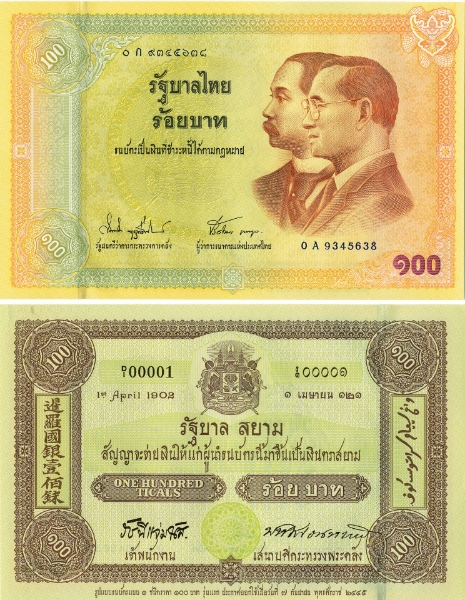
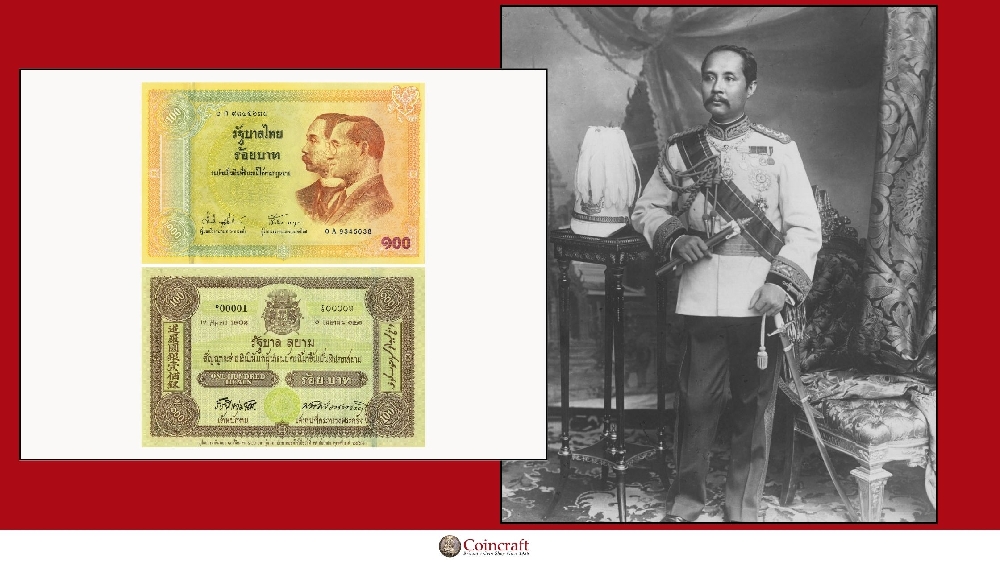
Picture Source of King Rama V: Wikipedia
Introduction to King Rama V
King Chulalongkorn, known as King Rama V, is revered as one of Thailand's most influential monarchs. Ascending to the throne in 1868, he reigned until 1910, a period marked by significant transformation and modernisation. His leadership not only moulded the future of Thailand but also left a legacy that resonates to this day. As a visionary leader, King Rama V is credited with steering the country through a time of immense change, balancing tradition with modernity.
Born on 20th September 1853, Chulalongkorn was the son of King Mongkut (Rama IV) and Queen Debsirindra. He was well-prepared for kingship, having been educated in both traditional Thai and Western disciplines. This dual education played a pivotal role in his later reforms, as it allowed him to understand and integrate Western innovations while preserving the cultural heritage of Thailand. His ascension to the throne at the young age of 15 placed him in a position where he could enact long-lasting change.
King Rama V's reign coincided with the height of European colonialism in Southeast Asia. Unlike many neighbouring countries, Thailand managed to maintain its sovereignty, largely due to King Rama V's diplomatic acumen and strategic reforms. His vision for Thailand was one of progress and development, and he worked tirelessly to bring about these changes while maintaining the country's independence.
Historical Context of King Rama V's Reign
The late 19th and early 20th centuries were a time of great upheaval and transformation across the globe. The era was characterised by the rapid expansion of Western colonial powers throughout Asia. Nations like Burma, Laos, and Vietnam fell under European control, and the threat of colonisation loomed heavily over Thailand. In this context, King Rama V's leadership played a crucial role in safeguarding Thailand's sovereignty.
King Rama V's reign began amidst a backdrop of political and social challenges. Internally, Thailand was a feudal society with a rigid class system and an agrarian economy. Externally, the country faced the threat of imperialism from both Britain and France. The need for reform was urgent, and King Rama V rose to the occasion by implementing a series of changes that would transform Thailand into a modern state.
These reforms were not without opposition. Some members of the aristocracy and conservative factions resisted King Rama V's modernisation efforts, fearing the loss of traditional power structures. However, his determination and strategic vision enabled him to navigate these challenges, earning him the respect and admiration of his people. By the time of his death in 1910, King Rama V had cemented his legacy as a forward-thinking and benevolent ruler.
Key Reforms and Modernisations Introduced by King Rama V
King Rama V's reign is best remembered for the sweeping reforms he introduced across various sectors. These reforms laid the foundation for modern Thailand, touching on aspects ranging from governance to infrastructure. A significant aspect of his reforms was the restructuring of the administrative system, which modernised the Thai government and made it more efficient and effective.
One of the first major changes was the abolition of the corvée labour system, which required peasants to work on public projects without pay. In its place, King Rama V introduced a system of salaries, thereby promoting a more equitable society. This was accompanied by the introduction of a modern bureaucracy, which streamlined governance and improved public administration.
In addition to political and social reforms, King Rama V made significant strides in infrastructure development. He initiated the construction of the country's first railway lines, improving transportation and connectivity. The establishment of telegraph services and the introduction of electricity further propelled Thailand into the modern age, enhancing both communication and quality of life for its citizens.
King Rama V's Contributions to Education in Thailand
Education was a cornerstone of King Rama V's vision for a modern Thailand. Recognising the importance of an educated populace, he implemented reforms that transformed the Thai education system. These changes aimed to provide access to education for all, regardless of social status, and to equip future generations with the skills needed for a modern world.
King Rama V established the first public school system in Thailand, which was a significant departure from the traditional temple-based education. This system included primary, secondary, and vocational schools, making education more structured and accessible. The introduction of Western-style education curricula provided students with a more comprehensive understanding of various subjects, preparing them for diverse careers.
In addition to expanding access to education, King Rama V also focused on higher learning. He established Chulalongkorn University, the first university in Thailand, named in his honour. This institution became a beacon of higher education and research, fostering intellectual growth and innovation. Through these educational reforms, King Rama V ensured that Thailand's future generations would be well-prepared to meet the challenges of a rapidly changing world.
The Role of King Rama V in Thai Diplomacy
King Rama V was not only a domestic reformer but also a skilled diplomat who adeptly navigated the complex geopolitics of his time. His diplomatic efforts were instrumental in maintaining Thailand's sovereignty during an era when many neighbouring countries succumbed to colonial rule. His strategy involved balancing relationships with the European powers while asserting Thailand's independence.
One of King Rama V's significant diplomatic achievements was the negotiation of treaties with Western countries. These treaties, while often unequal, were carefully crafted to preserve Thailand's autonomy. Through astute negotiation and compromise, King Rama V managed to avoid the fate of colonisation that befell many of Thailand's neighbours.
Furthermore, King Rama V embarked on several diplomatic missions to Europe, becoming the first Thai monarch to travel abroad. These trips were not only symbolic but also strategic, as they helped establish personal relationships with European leaders. By presenting Thailand as a modern and civilised nation, he fostered respect and understanding, which contributed to maintaining the country's independence.
Cultural Impact of King Rama V's Reign
Beyond his political and economic reforms, King Rama V left an indelible mark on Thai culture. His reign witnessed a cultural renaissance, where traditional Thai arts and culture were revitalised and celebrated alongside Western influences. This cultural synthesis enriched the Thai identity, blending the old with the new in a harmonious manner.
King Rama V was a patron of the arts, and his support led to a flourishing of literature, music, and visual arts. Traditional Thai theatre, such as Khon and Likay, saw a revival during his reign, while Western classical music was introduced, creating a vibrant cultural landscape. This period also saw the establishment of institutions such as the Fine Arts Department, which played a crucial role in preserving and promoting Thai culture.
In addition to the arts, King Rama V's reign influenced social customs and traditions. The monarch encouraged the adoption of Western etiquette and fashion, which modernised Thai society. However, he was careful to ensure that these changes did not erode the country's cultural heritage. This delicate balance between tradition and modernity is a hallmark of King Rama V's cultural legacy.
King Rama V's Legacy in Modern Thailand
The legacy of King Rama V is deeply ingrained in modern Thailand, influencing various aspects of contemporary life. His vision for a progressive and independent nation continues to inspire Thai leaders and citizens alike. The reforms he implemented laid the groundwork for the country's development, and his spirit of innovation and diplomacy remains a guiding principle.
In today's Thailand, the impacts of King Rama V's reign are evident in the nation's infrastructure, education system, and governance. The modern bureaucracy he established has evolved but still retains the efficiency and effectiveness he envisioned. Moreover, the emphasis on education and public welfare initiated during his reign continues to drive national policy and development.
King Rama V is also remembered as a symbol of unity and progress. His ability to adapt and incorporate beneficial foreign influences while preserving Thai identity is a model for contemporary Thailand as it navigates the challenges of globalisation. His legacy is celebrated through public holidays and commemorations, reflecting the enduring respect and admiration he commands.
Commemorations and Memorials of King Rama V
King Rama V's contributions to Thailand are commemorated through various memorials and public observances. His legacy is celebrated annually on 23rd October, known as Chulalongkorn Day, which marks the anniversary of his passing. This public holiday is a time for reflection and appreciation of his enduring impact on the nation.
Numerous statues and monuments across Thailand honour King Rama V, serving as reminders of his influential reign. The most iconic of these is the equestrian statue in Bangkok's Royal Plaza, unveiled in 1908. This statue not only memorialises the king but also symbolises the progress and modernisation he championed during his reign.
Educational institutions such as Chulalongkorn University, named in his honour, stand as living memorials to King Rama V's commitment to education and intellectual advancement. These institutions continue to produce leaders and innovators, perpetuating his vision for a knowledgeable and progressive society. Through these commemorations and memorials, King Rama V's legacy remains alive and influential.
Lessons from King Rama V's Leadership
King Rama V's leadership offers valuable lessons that remain relevant today. His reign exemplifies the importance of vision, adaptability, and diplomacy in governance. By balancing tradition with modernity, he demonstrated how nations can navigate change without losing their cultural identity.
One key lesson from King Rama V's reign is the significance of education in nation-building. His commitment to establishing a comprehensive education system underscores the role of knowledge and learning in fostering development and progress. This emphasis on education continues to resonate in modern Thailand, where it is seen as a cornerstone of societal advancement.
Another important lesson is the value of diplomacy in maintaining national sovereignty. King Rama V's adept handling of international relations highlights the power of negotiation and compromise in safeguarding a nation's interests. His legacy teaches the importance of maintaining independence through strategic alliances and mutual respect, a principle that remains crucial in today's interconnected world.
The Enduring Influence of King Rama V
King Rama V's influence on Thailand is profound and lasting. His visionary leadership transformed the country from a feudal society into a modern nation, laying the foundation for future development. Through his reforms and diplomatic efforts, he ensured Thailand's sovereignty and set the stage for its emergence as a respected member of the international community.
As Thailand continues to evolve, the legacy of King Rama V serves as a guiding light. His ability to embrace change while preserving tradition is a testament to his foresight and wisdom. King Rama V's reign not only shaped the course of Thai history but also left an enduring impact that continues to inspire and guide the nation.
To truly appreciate the depth of King Rama V's contributions, it is essential to explore and engage with the rich history and culture he helped cultivate. Whether through visiting historical sites, participating in cultural events, or supporting educational initiatives, there are countless ways to honour and perpetuate his remarkable legacy.
As we reflect on the enduring influence of King Rama V, let us draw inspiration from his leadership and commitment to progress, ensuring that his vision for a thriving and independent Thailand lives on.