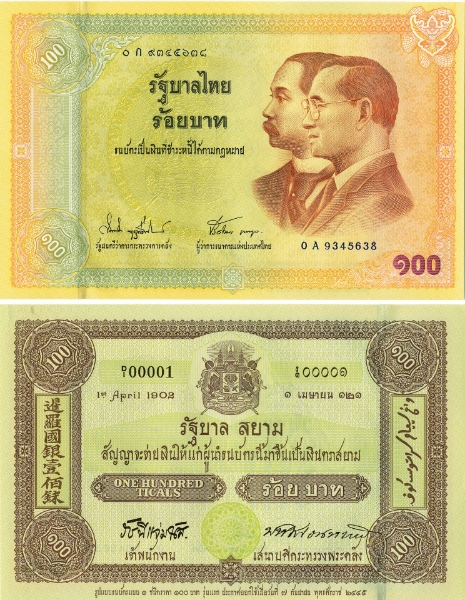
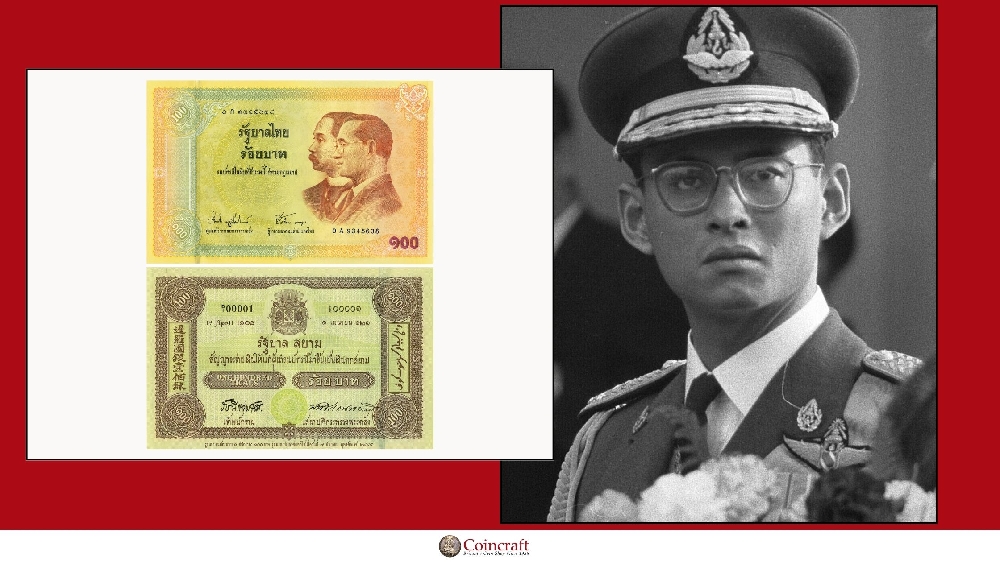
Picture Source of King Rama IX: Wikipedia
Introduction to King Rama IX
King Bhumibol Adulyadej, known as King Rama IX, was more than just a monarch to the people of Thailand. He reigned for an impressive 70 years, making him not only the longest-reigning monarch in Thai history but also one of the most influential figures in the nation's modern era. His enduring legacy and profound impact on the country are celebrated and remembered by millions.
Throughout his reign, King Rama IX was a symbol of unity and stability in Thailand. His presence provided a steadying influence during times of political upheaval and social change. His commitment to improving the lives of his people, coupled with his dedication to national development, solidified his position as a beloved and respected leader.
The legacy of King Rama IX is evident in every aspect of Thai society. From his environmental initiatives to his educational reforms, his influence continues to be felt long after his passing. This article explores the life and contributions of King Rama IX, delving into the various ways he shaped and transformed Thailand.
Early Life and Ascension to the Throne
Born on 5 December 1927 in Cambridge, Massachusetts, King Bhumibol Adulyadej was the youngest son of Prince Mahidol Adulyadej and Princess Srinagarindra. His early life was marked by a blend of Western and traditional Thai influences, which played a significant role in shaping his worldview. Educated in Switzerland, he developed a passion for music, photography, and science, interests that he would carry into his reign.
King Rama IX ascended to the throne unexpectedly following the untimely death of his older brother, King Ananda Mahidol, in 1946. At just 18 years old, he assumed the mantle of leadership, a responsibility that he embraced with determination and humility. Despite his youth, he quickly demonstrated a dedication to his people and a commitment to the betterment of his nation.
His early years as king were spent observing and understanding the needs of his people. This period of learning was crucial in developing his vision for Thailand, which would guide his actions and policies throughout his reign. His empathy and willingness to listen endeared him to his subjects, establishing a strong foundation for his future endeavours.
King Rama IX's Vision for Thailand
King Rama IX's vision for Thailand was rooted in the principles of sufficiency economy and sustainable development. He believed in the importance of self-reliance and the need for balance in development, advocating for economic practices that were both environmentally and socially sustainable. His philosophy was not just theoretical; it was practical and adaptable to the needs of his people.
He emphasised the importance of education, innovation, and social welfare in achieving national progress. By promoting these values, King Rama IX aimed to build a resilient society capable of withstanding global economic fluctuations and environmental challenges. His vision was not only progressive but also deeply aligned with traditional Thai values, creating a unique blend that resonated with the populace.
The impact of his vision is evident in the numerous projects and initiatives he spearheaded. From agricultural reforms to technological advancements, King Rama IX's forward-thinking approach laid the groundwork for significant national development. His legacy is a testament to his foresight and unwavering commitment to the prosperity and well-being of Thailand.
Major Contributions and Achievements
King Rama IX's contributions to Thailand are vast and varied, reflecting his multifaceted approach to leadership. Among his many achievements, his dedication to rural development stands out as a cornerstone of his legacy. Recognising the importance of agriculture to the Thai economy, he initiated numerous projects aimed at improving agricultural productivity and farmers' livelihoods.
He was deeply involved in water management projects, understanding the critical role of water in agriculture and daily life. His initiatives, such as the Royal Rainmaking Project and numerous dam constructions, have been instrumental in alleviating droughts and ensuring water security across the country. These projects not only enhanced food security but also improved the quality of life for countless Thai citizens.
In addition to his focus on agriculture, King Rama IX was a staunch advocate for public health and education. He supported the establishment of numerous hospitals and medical facilities, particularly in rural areas, to ensure that all Thais had access to essential healthcare services. His emphasis on education led to improved literacy rates and the expansion of educational opportunities, empowering future generations to contribute meaningfully to society.
The Role of King Rama IX in Thai Culture and Society
King Rama IX was more than a political leader; he was a cultural icon who played a pivotal role in shaping Thai identity. His deep appreciation for Thai traditions and customs was evident in his efforts to preserve and promote cultural heritage. He actively supported the arts, music, and traditional crafts, recognising their importance in maintaining a strong national identity.
His passion for music, particularly jazz, endeared him to many, showcasing his ability to blend traditional Thai culture with modern influences. Through his compositions and performances, King Rama IX demonstrated the unifying power of music, bringing people together across cultural and social divides. His influence extended to the promotion of cultural festivals and events, which continue to celebrate Thailand's rich and diverse heritage.
In society, King Rama IX was a symbol of compassion and humility. His regular visits to rural areas and personal interactions with citizens highlighted his genuine concern for the well-being of all Thais. His approachable nature and willingness to engage with his subjects fostered a sense of trust and loyalty, reinforcing the bond between the monarchy and the people.
Economic Reforms and Agricultural Development
One of King Rama IX's significant achievements was his commitment to economic reform and agricultural development. Recognising the vital role of agriculture in Thailand's economy, he implemented policies aimed at boosting productivity and sustainability. His initiatives focused on modernising farming techniques, improving irrigation systems, and promoting crop diversification to increase resilience against market fluctuations.
A key element of his agricultural strategy was the development of the sufficiency economy philosophy. This approach encouraged farmers to achieve self-sufficiency by cultivating a variety of crops, reducing dependency on single cash crops. By promoting sustainable practices and resource management, King Rama IX helped farmers improve their livelihoods and ensure food security.
His economic reforms extended beyond agriculture, encompassing a broader vision for national development. He advocated for balanced growth across various sectors, ensuring that economic progress did not come at the expense of social or environmental well-being. Through his leadership, Thailand achieved significant economic milestones, becoming a model for sustainable development in the region.
Environmental Initiatives and Sustainable Development
King Rama IX was a pioneer in environmental conservation and sustainable development, long before these issues gained global prominence. He recognised the interconnectedness of human well-being and environmental health, advocating for the responsible use of natural resources. His environmental initiatives aimed at preserving biodiversity, combating deforestation, and promoting renewable energy sources.
His Royal Projects, which focused on reforestation and watershed management, have had a lasting impact on Thailand's environment. These projects not only restored degraded lands but also provided livelihoods for local communities, demonstrating the potential for harmony between human activity and nature. His work in this area earned him international recognition and respect.
King Rama IX's commitment to sustainable development extended to urban planning and infrastructure. He supported the construction of eco-friendly buildings and the implementation of green technologies, setting a precedent for future development projects. His vision for a sustainable Thailand continues to inspire environmental efforts, both domestically and internationally.
King Rama IX's Influence on Thai Education
Education was a cornerstone of King Rama IX's vision for a prosperous and equitable Thailand. He believed that education was the key to unlocking human potential and driving national progress. Under his reign, significant strides were made in expanding access to education and improving the quality of educational institutions across the country.
He championed initiatives aimed at reducing educational disparities, particularly in rural and underserved areas. By supporting the establishment of schools and vocational training centres, King Rama IX ensured that all Thais had the opportunity to acquire the skills and knowledge necessary for success. His efforts contributed to a dramatic increase in literacy rates and educational attainment.
In addition to formal education, King Rama IX emphasised the importance of lifelong learning and cultural education. He encouraged the study of traditional Thai arts, crafts, and history, fostering a sense of pride and identity among his people. His influence on education has left a lasting legacy, empowering generations of Thais to contribute to their nation's growth and development.
The Monarchy's Role in Modern Thailand
In modern Thailand, the monarchy continues to play a crucial role in the nation's cultural and political landscape. King Rama IX's reign set a precedent for a monarchy that is deeply intertwined with the lives of its citizens, acting as a stabilising force and a symbol of national unity. His leadership style and vision have shaped the monarchy's role in contemporary Thai society.
The monarchy's influence extends beyond ceremonial duties, encompassing social, economic, and environmental initiatives. King Rama IX's commitment to public welfare and development projects has been carried forward by his successors, ensuring the continuity of his legacy. The royal family's involvement in charitable and humanitarian efforts continues to garner respect and admiration both within Thailand and abroad.
As Thailand navigates the complexities of the 21st century, the monarchy remains a source of continuity and tradition. King Rama IX's contributions have reinforced the monarchy's place in modern Thai society, fostering a sense of stability and continuity amidst change. His legacy serves as a guiding light for future generations, ensuring that the monarchy remains a cherished institution.
Legacy and Commemoration of King Rama IX
The legacy of King Rama IX is celebrated and honoured in numerous ways across Thailand. His contributions to the nation are commemorated through public monuments, museums, and annual events that highlight his enduring impact. These commemorations serve as a reminder of his dedication to the prosperity and well-being of his people.
In addition to physical tributes, King Rama IX's philosophy and vision continue to influence national policies and development strategies. His principles of sufficiency economy and sustainable development are integrated into government initiatives, reflecting his ongoing relevance in shaping Thailand's future. His legacy is a testament to the power of compassionate and visionary leadership.
The memory of King Rama IX is also kept alive through the stories and experiences of those who were touched by his kindness and wisdom. As Thailand moves forward, King Rama IX's influence remains a source of inspiration and guidance, reminding the nation of the values and ideals that he championed throughout his reign.
Remembering King Rama IX
King Rama IX's reign was marked by unparalleled dedication to his people and his nation. His vision for a balanced and sustainable Thailand has left an indelible mark on the country's development trajectory. As Thailand continues to evolve, his legacy serves as a beacon of hope and a reminder of the power of leadership grounded in empathy and foresight.
The impact of King Rama IX's contributions is felt across all facets of Thai society, from economic and educational reforms to environmental conservation and cultural preservation. His life and work continue to inspire individuals and leaders worldwide, exemplifying the profound difference that committed and compassionate leadership can make.
In honouring King Rama IX, we are reminded of the enduring power of his vision and the lasting influence of his legacy. As we reflect on his remarkable life, we are called to uphold the values he cherished and to strive towards a future that embodies the ideals he championed. Let us continue to celebrate and remember King Rama IX by working towards a prosperous, sustainable, and united Thailand.