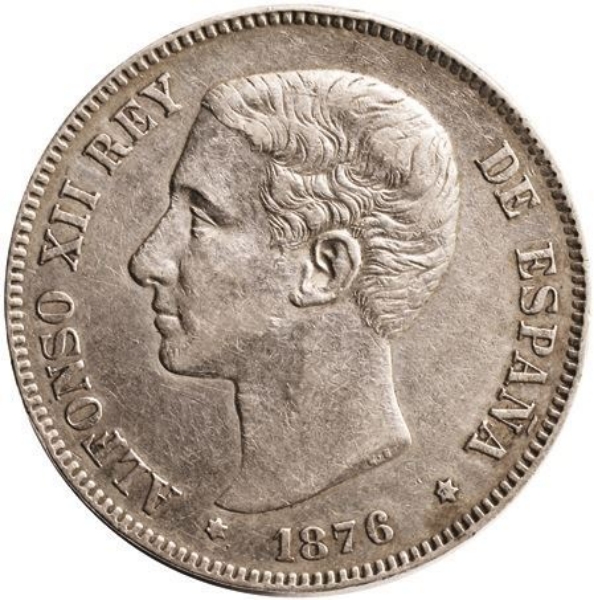
 - FSP9921, FSP9925.jpg)
Picture Source of Alfonso XII: Wikipedia
Introduction to Alfonso XII: The Forgotten Monarch
Alfonso XII, often overshadowed by more flamboyant rulers, played a pivotal role in shaping modern Spain. His reign, although brief, was marked by significant political and social transformations that have had enduring effects. Despite being dubbed the "Forgotten Monarch," Alfonso XII's contributions to Spain's development deserve recognition and appreciation.
Born in a tumultuous era, Alfonso XII ascended to the throne at a young age, following a period of political instability and the abdication of his mother, Queen Isabella II. His return to power marked the beginning of the Bourbon Restoration in Spain, a period aimed at stabilising the nation after years of upheaval. This restoration was not just a return to monarchical governance but a strategic move to unify a divided country.
Under Alfonso XII's leadership, Spain experienced a renaissance of sorts, with economic growth and social reforms becoming focal points of his reign. His efforts to modernise the nation laid the groundwork for future advancements, making him an instrumental figure in Spain's history. His legacy, though often understated, provides valuable insights into the evolution of the Spanish monarchy and its lasting impact on contemporary society.
Early Life and Ascension to the Throne
Alfonso XII was born in Madrid on 28 November 1857, into a royal family beset by political turmoil. The son of Queen Isabella II and King Consort Francis, Alfonso's childhood was marked by instability, as Spain grappled with internal conflicts and external pressures. His mother's controversial reign and eventual exile in 1868 cast a long shadow over his formative years, shaping his perspective on governance and leadership.
Educated in exile, Alfonso XII was groomed for leadership at the Theresianum in Vienna and later at the Royal Military Academy Sandhurst in the United Kingdom. These experiences exposed him to diverse political ideologies and governance models, which would later influence his approach to ruling Spain. He returned to Spain in 1874, following a successful coup led by General Arsenio Martínez Campos, which reinstated the Bourbon monarchy.
Alfonso XII's ascension to the throne marked a turning point in Spanish history. At just 17, he faced the daunting task of rebuilding a nation plagued by division and unrest. His early years as king were characterised by efforts to consolidate power, foster national unity, and implement reforms aimed at stabilising the economy and modernising the military. These initiatives set the stage for a period of relative peace and prosperity, which would define his reign.
The Political Landscape During Alfonso XII's Reign
The political landscape during Alfonso XII's reign was complex and multifaceted, shaped by a delicate balance between traditional monarchical rule and emerging democratic ideals. The Bourbon Restoration, initiated by his return to power, sought to stabilise Spain by restoring the constitutional monarchy and addressing the deep-seated divisions that had plagued the country.
One of Alfonso XII's primary challenges was navigating the intricate dynamics between various political factions. The reign saw the emergence of a two-party system, with the Conservative Party, led by Antonio Cánovas del Castillo, and the Liberal Party, led by Práxedes Mateo Sagasta, alternating in power. This system, known as the "turno pacífico," was designed to prevent conflict and ensure a peaceful transition of power, although it often led to political stagnation and corruption.
Alfonso XII's reign also witnessed significant regional tensions, particularly in Catalonia and the Basque Country, where calls for greater autonomy and cultural recognition were growing. His ability to manage these tensions, while maintaining national unity, was a testament to his diplomatic skills and political acumen. By prioritising dialogue and compromise, Alfonso XII laid the foundation for a more inclusive and representative political system, which would influence future governance in Spain.
Key Achievements of Alfonso XII
Alfonso XII's reign, though brief, was marked by several key achievements that left a lasting impact on Spain. One of his most notable accomplishments was the modernisation of Spain's infrastructure, which played a crucial role in the country's economic development. Under his leadership, significant investments were made in railways, ports, and communication networks, facilitating trade and commerce and fostering industrial growth.
In addition to infrastructure improvements, Alfonso XII was instrumental in implementing social reforms aimed at improving the welfare of Spain's citizens. His efforts to promote education, healthcare, and workers' rights were groundbreaking at the time and laid the groundwork for future advancements. By prioritising social welfare, Alfonso XII demonstrated a commitment to improving the quality of life for all Spaniards, regardless of their social standing.
Another significant achievement of Alfonso XII's reign was his commitment to military reform. Recognising the importance of a strong and modern military, he initiated a series of reforms aimed at professionalising the armed forces and enhancing their capabilities. These reforms not only strengthened Spain's defence but also contributed to its stature as a regional power, reinforcing the country's position on the international stage.
Social and Cultural Impact of Alfonso XII’s Rule
Alfonso XII's rule had a profound impact on the social and cultural fabric of Spain, fostering an environment of progress and innovation. His reign coincided with the expansion of cultural institutions and the flourishing of the arts, which played a crucial role in shaping Spain's national identity. Notable developments included the establishment of new museums, theatres, and cultural societies, which promoted artistic expression and intellectual discourse.
Education was another area where Alfonso XII's influence was keenly felt. Recognising the importance of education in driving social progress, he championed initiatives to increase access to schooling and improve the quality of education. His support for educational reforms contributed to a more literate and informed populace, paving the way for greater civic engagement and participation in the democratic process.
The reign of Alfonso XII also witnessed significant changes in social norms and values, as Spain began to embrace modernity and liberal ideals. This period saw the rise of a burgeoning middle class, which played a pivotal role in shaping the country's social and economic landscape. By fostering an environment that encouraged innovation and progress, Alfonso XII laid the groundwork for the cultural renaissance that would define Spain in the decades to come.
The Restoration Period: A Shift in Spanish Politics
The Restoration Period, initiated by Alfonso XII's ascension to the throne, marked a significant shift in Spanish politics. This era was characterised by efforts to stabilise the nation and restore the constitutional monarchy, which had been disrupted by years of political turmoil and social unrest. The Restoration aimed to create a more balanced and representative political system, one that could accommodate diverse interests and prevent further conflict.
Central to this endeavour was the establishment of the "turno pacífico" system, which facilitated the peaceful transition of power between the Conservative and Liberal parties. While this system was designed to promote stability, it also led to political stagnation, as both parties often prioritised maintaining power over enacting meaningful reforms. Despite these challenges, the Restoration Period laid the foundation for a more inclusive and democratic political landscape in Spain.
The Restoration also witnessed the rise of regionalism and calls for greater autonomy in areas such as Catalonia and the Basque Country. Alfonso XII's ability to navigate these complex dynamics demonstrated his diplomatic skills and commitment to national unity. By fostering dialogue and compromise, he helped to address regional grievances and promote a sense of shared identity among Spain's diverse population.
Legacy of Alfonso XII: Influences on Modern Spain
The legacy of Alfonso XII is evident in many aspects of modern Spain, from its political institutions to its cultural identity. His reign laid the groundwork for the constitutional monarchy that continues to shape Spanish governance today, providing a framework for political stability and democratic participation. The principles of compromise and dialogue that he championed remain central to Spain's political culture, influencing how contemporary leaders navigate complex challenges.
Alfonso XII's commitment to modernisation and reform also left a lasting impact on Spain's economic and social development. His efforts to improve infrastructure, promote education, and enhance social welfare set the stage for future advancements, contributing to the country's growth and prosperity. These achievements underscore the importance of visionary leadership in driving progress and innovation.
Culturally, Alfonso XII's influence can be seen in the flourishing of the arts and the expansion of cultural institutions during his reign. His support for artistic expression and intellectual discourse helped to shape Spain's national identity, fostering a sense of pride and belonging among its citizens. This cultural renaissance continues to resonate in Spain today, reflecting the enduring impact of Alfonso XII's legacy on the nation's social and cultural fabric.
Commemorations and Remembrance of Alfonso XII
Despite being a "Forgotten Monarch," Alfonso XII is commemorated and remembered in various ways throughout Spain. Numerous monuments, streets, and public spaces bear his name, serving as a testament to his enduring legacy and contributions to the nation's development. These commemorations highlight the significance of his reign and the role he played in shaping modern Spain.
In addition to physical monuments, Alfonso XII's legacy is celebrated through cultural events and academic discourse. Historians and scholars continue to explore his impact on Spanish history, shedding light on the complexities of his reign and the challenges he faced. These efforts contribute to a deeper understanding of his contributions and ensure that his achievements are not overlooked.
Public interest in Alfonso XII's reign has also been rekindled through exhibitions, documentaries, and publications that explore his life and legacy. These initiatives provide valuable insights into the political and social dynamics of his time, offering a glimpse into the challenges and triumphs that defined his reign. By honouring his memory, Spain acknowledges the pivotal role Alfonso XII played in shaping the nation's past and future.
Reflecting on the Legacy of Alfonso XII
Reflecting on the legacy of Alfonso XII reveals a monarch whose influence extends far beyond his years on the throne. His commitment to modernisation, reform, and national unity laid the foundation for the Spain we know today, shaping its political institutions, cultural identity, and social landscape. Though often overshadowed by more flamboyant rulers, Alfonso XII's contributions to Spain's development are undeniable and deserving of recognition.
As Spain continues to navigate the complexities of the modern world, the lessons of Alfonso XII's reign remain relevant. His emphasis on dialogue, compromise, and inclusivity serves as a guiding principle for contemporary leaders, highlighting the importance of visionary leadership in addressing the challenges of the future. By honouring his legacy, Spain pays tribute to a monarch whose impact continues to resonate across generations.
For those interested in exploring the rich history of Spain and the lasting contributions of its rulers, delving into the life and legacy of Alfonso XII offers valuable insights and inspiration. His story serves as a reminder of the power of leadership and the enduring impact of visionary governance, encouraging us to reflect on the lessons of the past as we shape the future.