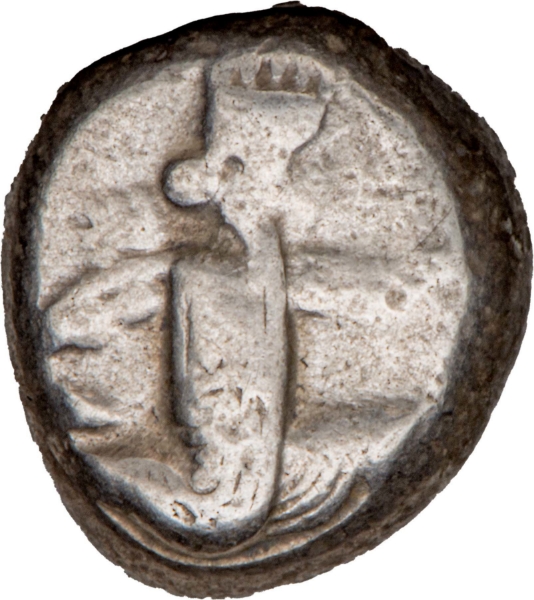
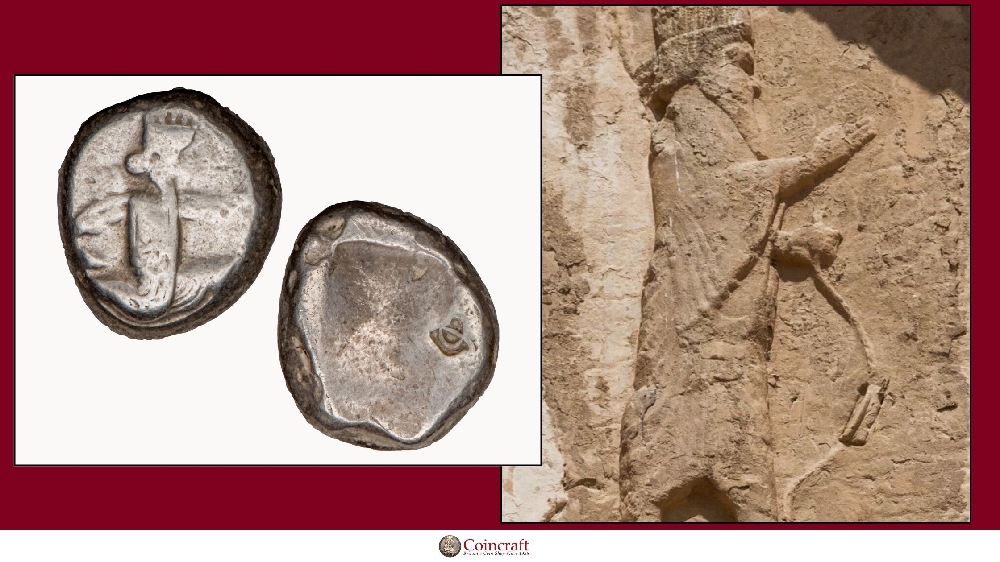
Picture Source of Artaxerxes I (465–424 BC): Wikipedia
The King with the Gentle Hand: The Story of Artaxerxes I
When we think of the great Persian kings, names like Cyrus or Darius usually steal the spotlight. But there’s a fascinating figure who stepped into the shoes of the legendary Xerxes I during a time of absolute chaos. His name was Artaxerxes I, and while he didn't have the "world-conquering" reputation of his grandfathers, his reign was a masterclass in diplomacy, patience, and surprisingly, tolerance.
He was known to the Greeks as Macrocheir (or Longimanus in Latin), which literally translates to "Long-Handed." Legend has it his right hand was significantly longer than his left, but in reality, his reach extended much further through his clever political maneuvers than any physical attribute ever could[1].
Key Takeaways
The Survivor: He took the throne after his father Xerxes I was assassinated, navigating a bloody succession crisis that nearly cost him his life.
A Diplomatic Genius: He pioneered "stealth diplomacy" by funding Greek civil wars (Athens vs. Sparta) to keep Persia's rivals busy fighting each other.
Biblical Benefactor: He is highly regarded in the Bible for allowing Ezra and Nehemiah to return to Jerusalem and rebuild its walls and temple.
The Peacekeeper: His reign saw the possible signing of the Peace of Callias, which brought a formal end to decades of war between Persia and the Greek city-states.
A Bloody Beginning
Imagine waking up to find your father, the King of Kings, has been murdered in his bed. That was the reality for Artaxerxes in 465 BC. The palace was a nest of vipers; the commander of the royal guard, Artabanus, had killed Xerxes and quickly blamed Artaxerxes’ older brother, Darius. Believing the lie, Artaxerxes actually killed his own brother to "avenge" his father. It was only when Artabanus tried to kill Artaxerxes himself that the young prince realized he’d been played. He managed to strike down the traitor in a hand-to-hand fight and finally secured the throne[2].
Challenges on Every Border
Artaxerxes didn’t get much of a honeymoon period. Almost immediately, Egypt sensed weakness and revolted. Led by a Libyan prince named Inaros II and backed by 200 Athenian ships, the rebellion was a massive threat. It took nearly six years of brutal fighting and the leadership of the brilliant general Megabyzus to bring Egypt back into the Persian fold in 454 BC[3].
Instead of seeking revenge through more bloody wars with Greece, Artaxerxes tried something new: he used his checkbook. He realized that if he gave enough gold to the Spartans, they would start fighting the Athenians. This strategy of "divide and conquer" worked beautifully, keeping the Greeks occupied for years while Persia enjoyed a period of relative stability[4].
The King and the Jewish People
One of the most enduring legacies of Artaxerxes I comes from the Bible. Unlike many rulers of the time who demanded total religious conformity, Artaxerxes was remarkably tolerant. In the seventh year of his reign, he gave the priest Ezra the authority to lead a group of Jews back to Jerusalem. Later, in his twentieth year, his own cup-bearer, Nehemiah, was visibly sad because Jerusalem’s walls were still in ruins. Instead of punishing him for being "downcast" in the royal presence, Artaxerxes gave Nehemiah safe passage and materials to rebuild the city[5].
A Peaceful Sunset
By the time Artaxerxes I passed away in 424 BC, he had ruled for over forty years. He wasn't a "conqueror" in the traditional sense—he didn't add massive new territories to the map—but he did something arguably harder: he held together an empire that was fraying at the edges. He finished the grand building projects his father started at Persepolis, including the magnificent Hall of a Hundred Columns, and left behind a legacy of being a "kindly and magnanimous" ruler[6].
FAQs
Why was he called "Longimanus"? While ancient sources like Plutarch claim his right hand was physically longer than his left, most modern historians believe the name was a metaphor for his "long reach" and extensive power across his vast empire.
Is Artaxerxes I the same king from the Book of Esther? There is a lot of debate here! While some ancient traditions and scholars identify him as the "King Ahasuerus" of the Book of Esther, most historians believe Ahasuerus was actually his father, Xerxes I.
How did he die? Artaxerxes I died of natural causes in 424 BC. His death was followed by another brief and chaotic succession crisis involving his sons, Xerxes II and Sogdianus, before Darius II eventually took the throne.
References
Wikipedia, Artaxerxes I, https://en.wikipedia.org/wiki/Artaxerxes_I.
Britannica, Artaxerxes I: Persian Empire, Achaemenid Dynasty, Reformer, https://www.britannica.com/biography/Artaxerxes-I.
World History Encyclopedia, Artaxerxes I, https://www.worldhistory.org/Artaxerxes_I/.
Iran Chamber Society, Artaxerxes (Artâkhshatra) Ardashir-e Derâz-Dast, https://www.iranchamber.com/history/artaxerxes/artaxerxes.php.
Bible Archaeology Report, Artaxerxes I: An Archaeological Biography, https://biblearchaeologyreport.com/2024/10/24/artaxerxes-i-an-archaeological-biography/.
Jewish Encyclopedia, Artaxerxes I (surnamed Longimanus—"Long-Hand"), https://www.jewishencyclopedia.com/articles/1827-artaxerxes-i.