 - WSA5083 (1).jpg)
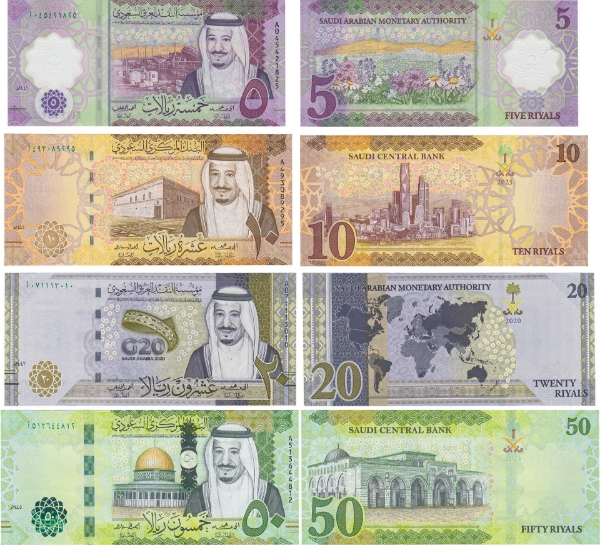
Picture Source of King Salman bin Abdulaziz: Wikipedia
Introduction to King Salman bin Abdulaziz
King Salman bin Abdulaziz, the revered monarch of Saudi Arabia, has been a formidable force in the transformation of the nation. As the seventh King of Saudi Arabia, he ascended to the throne in January 2015, bringing with him a wealth of experience and a forward-thinking mindset. His leadership has been marked by significant reforms aimed at modernising the kingdom and positioning it as a key player on the global stage.
Under his rule, Saudi Arabia has embarked on an ambitious journey towards economic diversification and social transformation. King Salman’s vision encompasses a broad spectrum of initiatives, including enhancing the role of women in society, promoting cultural activities, and investing in non-oil sectors. His reign represents a pivotal chapter in the kingdom’s history, as it navigates the challenges of the 21st century.
King Salman's leadership style is characterised by pragmatism and a commitment to ensuring Saudi Arabia’s future prosperity. He has been instrumental in steering the country through a period of rapid change, ensuring stability while fostering innovation and growth.
Early Life and Career of King Salman
Born on 31 December 1935, King Salman bin Abdulaziz is the 25th son of the founding King Abdulaziz. He was raised in the Murabba Palace in Riyadh, where he received his early education. King Salman’s upbringing was deeply rooted in the values of leadership, diplomacy, and service to his country, which would later define his public service career.
King Salman started his political career in 1954 when he was appointed as the Deputy Governor of Riyadh Province. His dedication and leadership skills soon earned him the position of Governor in 1963, a role he held for nearly five decades. During his tenure, he spearheaded numerous development projects that transformed Riyadh into a thriving metropolis, laying the groundwork for his future national leadership.
Throughout his career, King Salman has been a pivotal figure in Saudi politics, holding several significant positions. His roles have included serving as the Minister of Defence and the Crown Prince, further cementing his influence and preparing him to lead the nation.
King Salman's Vision for Saudi Arabia
King Salman envisions a modern Saudi Arabia that is economically diverse and culturally vibrant. His transformative vision is encapsulated in the ambitious Vision 2030 plan, which aims to reduce the kingdom’s reliance on oil and develop other sectors such as tourism, entertainment, and technology. This strategic blueprint is a testament to his commitment to sustainable growth and development.
A key aspect of King Salman's vision is empowering the youth and ensuring their active participation in the nation’s future. By investing in education and fostering innovation, he aims to equip the younger generation with the skills necessary to thrive in a rapidly changing world. This focus on human capital development is crucial for achieving the kingdom’s long-term goals.
King Salman’s vision also includes fostering a society that is open and inclusive. By promoting cultural initiatives and encouraging dialogue, he seeks to create a more progressive society that respects traditions while embracing modernity.
Major Reforms Under King Salman's Leadership
King Salman’s leadership has been marked by a series of major reforms that have reshaped the Saudi landscape. One of the most notable changes has been the empowerment of women, with significant strides made in education, employment, and societal participation. Women are now able to drive, participate in elections, and hold positions of leadership, reflecting a more inclusive society.
Economically, King Salman has implemented policies to attract foreign investment and support the growth of small and medium-sized enterprises (SMEs). These measures are designed to stimulate economic activity and create job opportunities, thereby reducing unemployment and enhancing the nation’s economic resilience.
Additionally, King Salman has focused on improving the quality of life for all citizens. Initiatives in healthcare, housing, and infrastructure development have been prioritised, ensuring that the benefits of progress are widely shared across the kingdom.
King Salman and Economic Diversification
Economic diversification is a cornerstone of King Salman’s strategy for Saudi Arabia’s future. Recognising the vulnerabilities associated with oil dependency, he has championed efforts to develop alternative sources of revenue. This includes significant investments in sectors such as renewable energy, mining, and tourism.
Under King Salman’s leadership, the kingdom has embarked on ambitious projects like the Red Sea Project and NEOM, a futuristic megacity that aims to attract global talent and innovation. These initiatives are expected to generate economic growth, create jobs, and position Saudi Arabia as a hub for technology and innovation.
King Salman's economic policies are designed to foster a competitive business environment, encouraging both local and foreign investors. By creating opportunities for entrepreneurship and reducing bureaucratic barriers, he aims to transform Saudi Arabia into a thriving, diversified economy.
The Role of King Salman in Regional Politics
King Salman has played a pivotal role in shaping the political landscape of the Middle East. His diplomatic efforts have been instrumental in maintaining regional stability and fostering alliances with neighbouring countries. Through strategic partnerships and dialogue, he has sought to address regional conflicts and promote peace.
Under King Salman's leadership, Saudi Arabia has strengthened its ties with key international allies, enhancing its influence on the global stage. His foreign policy is characterised by a balanced approach, combining diplomacy with decisive action to protect national interests and ensure regional security.
King Salman’s role in regional politics extends to his efforts in combating extremism and promoting moderate Islam. By advocating for tolerance and understanding, he aims to counteract radical ideologies and foster a more peaceful and secure Middle East.
Social Changes and Cultural Transformation in Saudi Arabia
Social change has been a defining feature of King Salman’s reign. His commitment to cultural transformation is evident in the numerous initiatives aimed at promoting arts, culture, and entertainment. By supporting events such as concerts, film festivals, and exhibitions, he has opened up new avenues for cultural expression and creativity.
A significant aspect of this cultural shift has been the easing of restrictions and the promotion of a more open society. This has encouraged a vibrant cultural scene, attracting international artists and performers, and positioning Saudi Arabia as a destination for global cultural engagements.
King Salman's social reforms have also focused on enhancing the quality of life for citizens. By investing in education, healthcare, and public services, he aims to create a society that is not only economically prosperous but also culturally rich and socially inclusive.
King Salman's Impact on Saudi Arabia’s Global Relations
King Salman's leadership has significantly impacted Saudi Arabia’s global relations. His diplomatic efforts have strengthened the kingdom's position as a key player in international affairs, fostering partnerships and alliances that enhance Saudi Arabia's influence worldwide.
Under his guidance, Saudi Arabia has taken a proactive role in addressing global challenges such as climate change and energy security. By participating in international forums and initiatives, King Salman has ensured that Saudi Arabia contributes to and shapes global discussions on critical issues.
The kingdom’s engagement in humanitarian efforts and support for international development projects under King Salman’s reign has further enhanced its global standing. By promoting peace, stability, and prosperity, he has reinforced Saudi Arabia's commitment to being a responsible member of the international community.
Challenges Faced by King Salman’s Administration
Despite significant achievements, King Salman’s administration has faced numerous challenges. The fluctuating global oil prices have posed economic difficulties, necessitating careful financial management and strategic planning to ensure stability.
Social reforms have also encountered resistance from conservative factions within the kingdom. Balancing tradition with modernisation has required delicate negotiation and leadership to ensure that reforms are implemented smoothly and effectively.
Moreover, regional geopolitical tensions have posed security challenges. King Salman’s administration has had to navigate complex regional dynamics, working to maintain stability while addressing threats and fostering alliances.
The Legacy of King Salman bin Abdulaziz
King Salman bin Abdulaziz’s legacy is one of transformation and progress. His visionary leadership has set the foundation for a modern, diversified, and culturally vibrant Saudi Arabia. Through his reforms and initiatives, he has reshaped the kingdom, preparing it for a future of prosperity and global prominence.
The impact of King Salman’s leadership will be felt for generations to come. His commitment to economic diversification, social change, and regional stability ensures that Saudi Arabia is well-positioned to face future challenges and seize new opportunities.
As Saudi Arabia continues to evolve under King Salman's guidance, there is a call for citizens and global partners to engage with the kingdom’s vision and contribute to its ongoing journey of transformation. By embracing change and fostering collaboration, the future holds boundless possibilities for Saudi Arabia and its people.