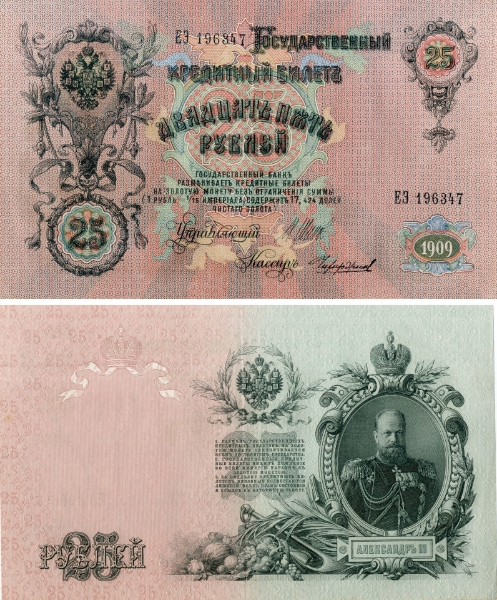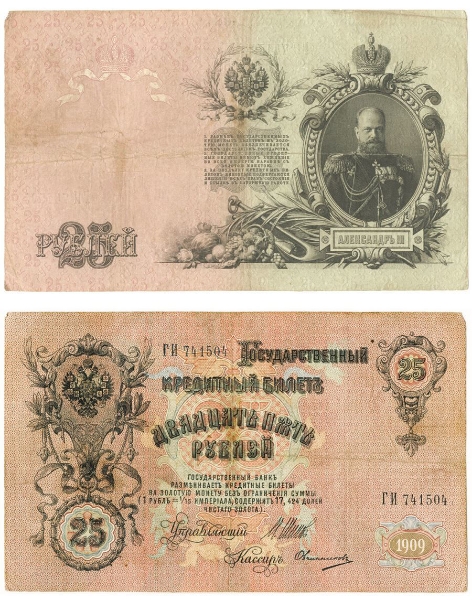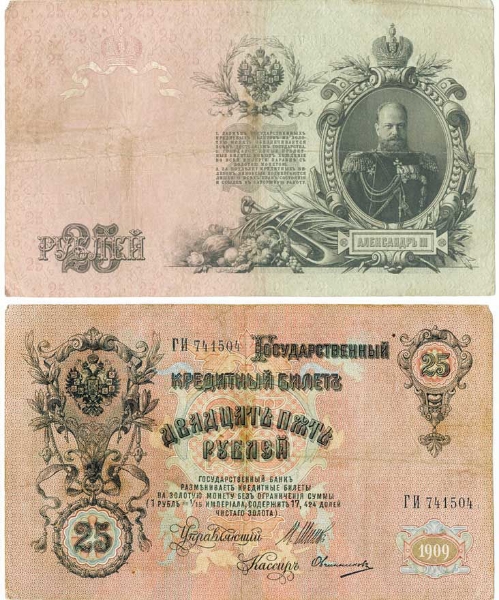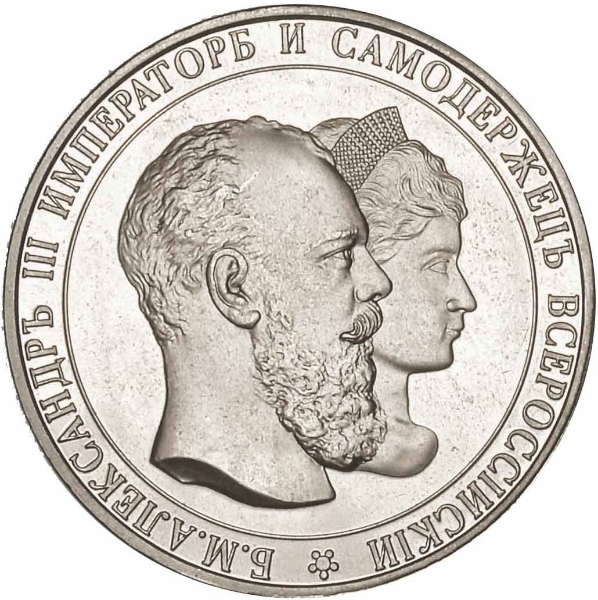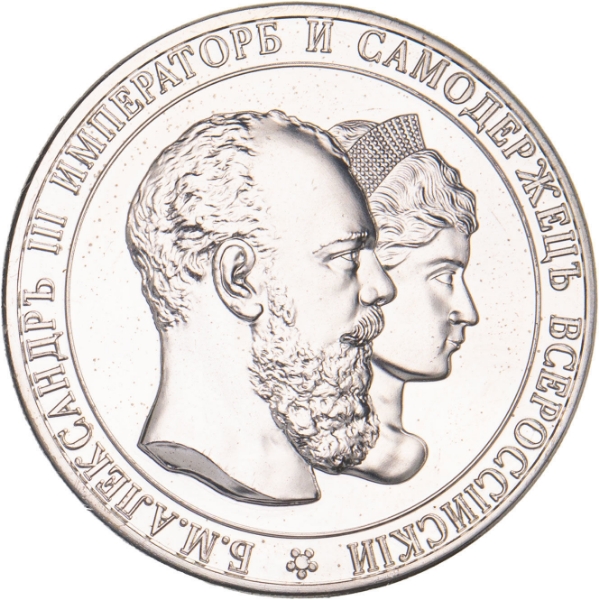
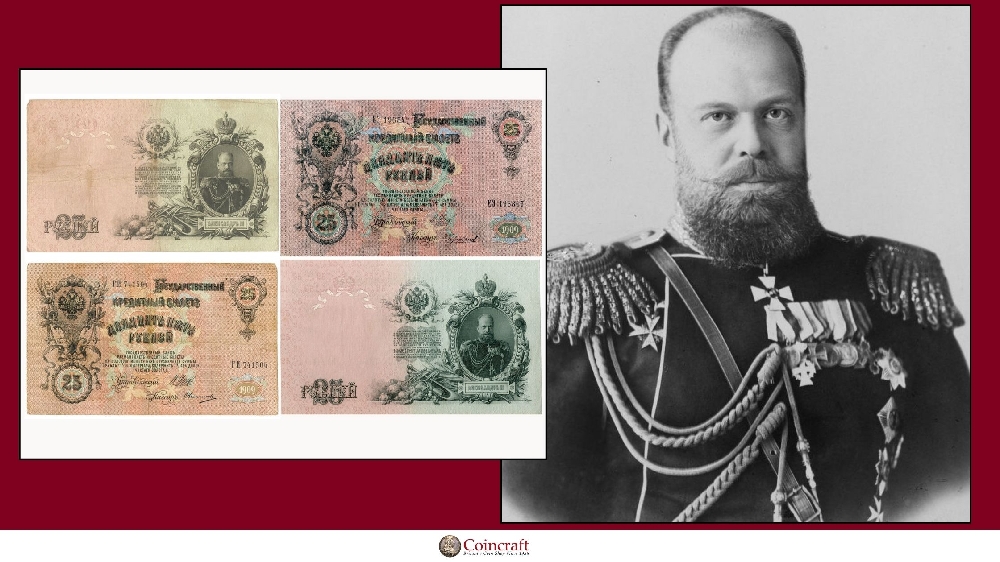
Picture Source of Alexander III Former Tsar of Russia: Wikipedia
The Iron Tsar: The Bear Who Froze Russia in Time
When you think of a Russian Tsar, who comes to mind? Maybe the towering Peter the Great, or the tragic Nicholas II? But standing solidly between them is a man who was literally and figuratively a giant: Alexander III.
Imagine a man who could bend silver forks into knots with his bare hands and crush a silver ruble coin between his fingers. That was Alexander III. He was a bearded colossus who looked more like a mythical folk hero than a refined European monarch. He didn't want to be a diplomat; he wanted to be the anchor that stopped Russia from drifting into chaos.
In this post, we’re going to dive into the life of the "Peasant Tsar"—a ruler who hated war, loved his family, and ruled Russia with an iron fist that would ultimately set the stage for the end of the Romanov dynasty.
Key Takeaways
The "Accidental" Heir: Alexander was the second son and was never meant to be Tsar. He only became heir after his older brother Nicholas died tragically.
The Peacemaker: Despite his intimidating appearance and massive military, Alexander III fought no major wars during his reign, earning him the title "The Peacemaker."
The Iron Fist: Reacting to his father's assassination, he crushed liberal reforms, enforced strict censorship, and launched brutal campaigns of "Russification."
The Human Fork-Twister: He was famously strong. Legend has it he once held up the collapsed roof of a dining car on a derailed train to save his family.
Industrial Beginnings: Under his rule, Russia began its massive industrialization, including the construction of the famous Trans-Siberian Railway.
The Spare Who Became the Bear
Born in 1845, Alexander (or "Sasha" to his family) was the second son of Tsar Alexander II. In royal families, the eldest son is the "heir," and the second is the "spare." Sasha was the spare. He wasn't educated to rule; he was trained to be a soldier. He was rough, blunt, and reportedly not very "book smart," preferring the simplicity of military life to court politics¹³.
But fate has a funny way of changing plans. In 1865, his older brother Nicholas—the golden boy prepared for the throne—died of meningitis. In a twist that sounds like a movie script, Nicholas, on his deathbed, reportedly asked Alexander to marry his fiancée, Princess Dagmar of Denmark (who became Empress Maria Feodorovna). Alexander agreed, and the "spare" suddenly found himself next in line to the throne.
The Day the World Changed
On March 13, 1881, Alexander's life—and Russia's history—shattered. His father, Alexander II (known as the "Tsar Liberator" for freeing the serfs), was assassinated by a bomb thrown by revolutionaries in St. Petersburg.
Alexander III watched his father die in agony. At that moment, any hope for democracy in Russia died too. Alexander believed his father’s liberal reforms had led directly to his death. He decided that Russia didn't need freedom; it needed order. His first major move? He tore up a plan for a constitution his father had signed on the very day he died¹².
The Iron Fist: Domestic Policy
Alexander III’s reign (1881–1894) is often called "The Reaction." If his father was the accelerator, Alexander III was the brake.
Russification and Orthodoxy
He believed in three pillars: Autocracy, Orthodoxy, and Nationality. He wanted one Russia, with one language and one religion.
Russification: He forced non-Russian subjects (like Poles, Finns, and Germans) to speak Russian and adopt Russian culture.
Anti-Semitism: This was a dark chapter. Alexander was openly anti-Semitic. His government enacted the "May Laws" of 1882, which severely restricted where Jewish people could live (the Pale of Settlement) and what jobs they could hold. This era saw terrible pogroms (violent riots against Jews), causing massive emigration of Jewish people to the West, including the United States²³.
The Police State
He created the Okhrana, the secret police, to hunt down revolutionaries. Thousands were exiled to Siberia. Among those executed for plotting against the Tsar was a young man named Aleksandr Ulyanov. His execution would radicalize his younger brother, Vladimir—who the world would later know as Lenin⁷.
The Peacemaker: Foreign Policy
Ironically, this scary autocrat hated war. He had seen combat in the Russo-Turkish War and found it "heartbreaking." As Tsar, he famously said, "I am glad to have been in war and seen all its horrors... so that I will not be a cause of war."
He broke Russia's traditional alliance with Germany and forged a surprising new friendship with France. It was an odd couple—republican France and autocratic Russia—but it shifted the balance of power in Europe. Because he avoided major conflicts, history remembers him as **"The Peacemaker"**⁴.
The Bear at Home: Anecdotes & Personality
Here is where Alexander becomes a fascinating character. He hated the pomp of the court. He preferred wearing simple military clothes until they were threadbare and eating simple Russian food like cabbage soup.
The Fork Incident: During a tense dinner with the Austrian ambassador, the ambassador hinted that Austria might mobilize its army against Russia. Alexander quietly picked up a heavy silver fork, twisted it into a knot with one hand, and tossed it onto the ambassador's plate. "That," he reportedly said, *"is what I will do to your army corps."*²
The Borki Train Disaster: In 1888, the Imperial train derailed near Borki while the family was in the dining car. The roof collapsed, threatening to crush everyone. According to accounts, Alexander used his immense "herculean" strength to hold up the collapsed roof on his shoulders long enough for his wife and children to crawl to safety. He saved them, but many believe the strain damaged his kidneys, leading to his early death⁵.
Economic Awakening
While he froze politics, he heated up the economy. His finance ministers (including the brilliant Sergei Witte) put Russia on the path to industrialization.
They placed high tariffs on foreign goods to protect Russian factories.
Construction began on the Trans-Siberian Railway, the longest railway in the world, connecting Moscow to the Pacific Ocean⁶.
However, this rapid growth came at a cost. To pay for it, the government exported huge amounts of grain, even when harvests were bad. This contributed to the horrific Famine of 1891-92, where hundreds of thousands of peasants died.
Death and Legacy
The "Iron Tsar" proved to be mortal. The kidney damage from the train crash (diagnosed as nephritis) slowly killed him. He died in 1894 at the Livadia Palace in Crimea, aged only 49.
His biggest failure was perhaps his own son. Alexander was so dominant that he never really trained his heir, Nicholas. He thought he had decades left to rule. When he died, Nicholas II—a gentle man wholly unsuited for autocracy—took the throne, reportedly weeping, "I am not ready to be Tsar. I know nothing of the business of ruling."
Alexander III preserved the autocracy for a few more decades, but by refusing to bend, he ensured that under his son, the whole system would break.
FAQs
1. Why was Alexander III called "The Peacemaker"? Despite his aggressive domestic policies and imposing military presence, Alexander III famously avoided entering any major wars during his 13-year reign. He believed peace allowed Russia to strengthen itself internally.
2. Was Alexander III really that strong? By all accounts, yes! At 6'3" (1.9m) with a massive frame, he was incredibly powerful. Aside from the famous "fork twisting" story, he reportedly could tear a deck of cards in half with his bare hands and crush metal coins.
3. Did Alexander III hate his father? He didn't hate his father, but he hated his father's policies. He loved his father personally but believed that Alexander II's liberal reforms (like freeing the serfs and relaxing censorship) showed weakness that encouraged the revolutionaries who eventually killed him.
References
Britannica, The Editors of Encyclopaedia (2024). Alexander III. [online] Encyclopedia Britannica. Available at: https://www.britannica.com/biography/Alexander-III-emperor-of-Russia [Accessed 19 Feb. 2026].
Study.com. (n.d.). Alexander III of Russia: Biography, Policies & Significance. [online] Available at: https://study.com/academy/lesson/the-rule-of-alexander-iii-of-russia.html [Accessed 19 Feb. 2026].
Heritage History. (n.d.). Story of Russia by R. Van Bergen - Alexander III. [online] Available at: https://www.heritage-history.com/index.php?c=read&author=bergen&book=russia&story=alexander3 [Accessed 19 Feb. 2026].
Wikipedia. (2024). Alexander III of Russia. [online] Available at: https://en.wikipedia.org/wiki/Alexander_III_of_Russia [Accessed 19 Feb. 2026].
CoinsWeekly. (2023). The Borki Train Disaster. [online] Available at: https://new.coinsweekly.com/coins-medals-more/the-borki-train-disaster/ [Accessed 19 Feb. 2026].
History Groby. (n.d.). Significance of Alexander III. [online] Available at: http://history-groby.weebly.com/uploads/2/9/5/6/29562653/significance_of_alexander_iii.pdf [Accessed 19 Feb. 2026].
StudySmarter. (n.d.). Alexander III of Russia: Reforms, Reign & Death. [online] Available at: https://www.studysmarter.co.uk/explanations/history/tsarist-and-communist-russia/alexander-iii/ [Accessed 19 Feb. 2026].