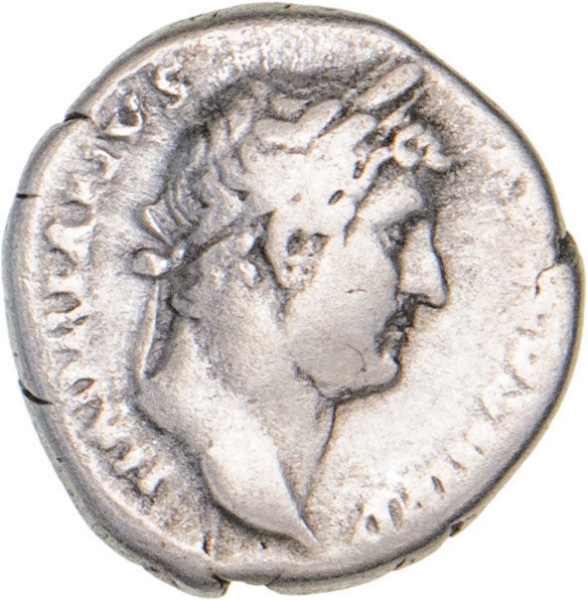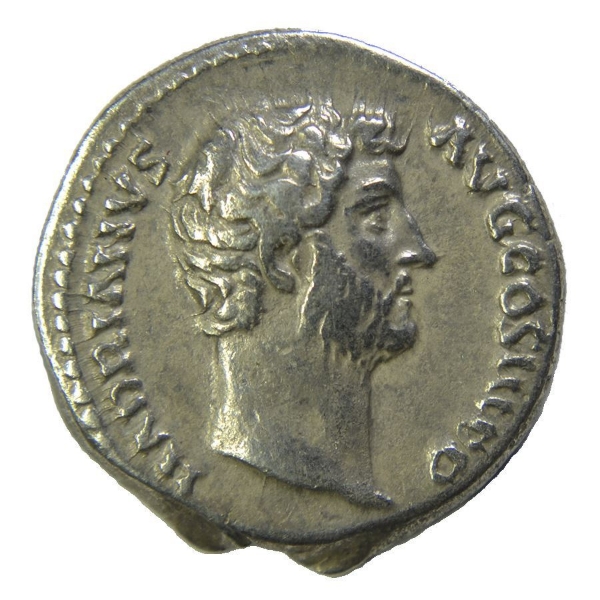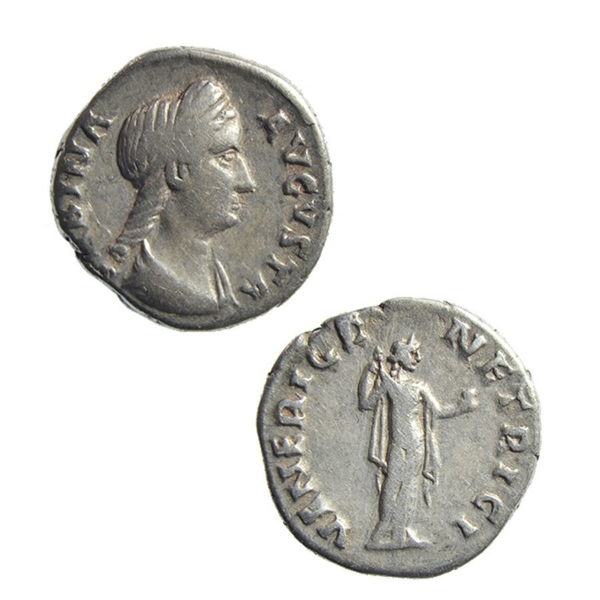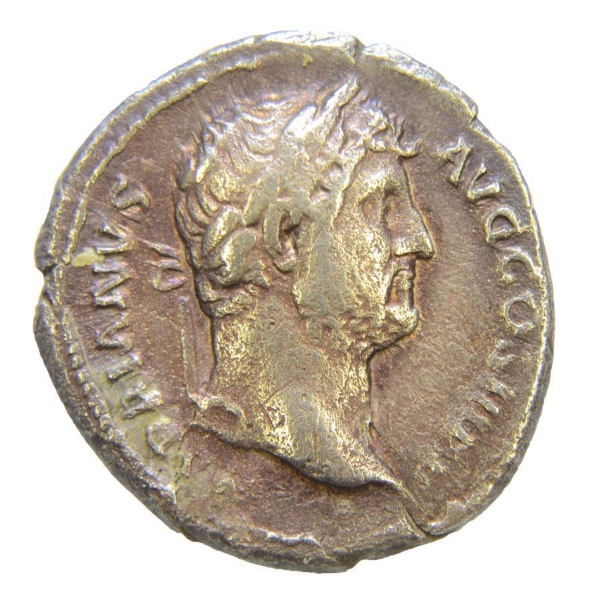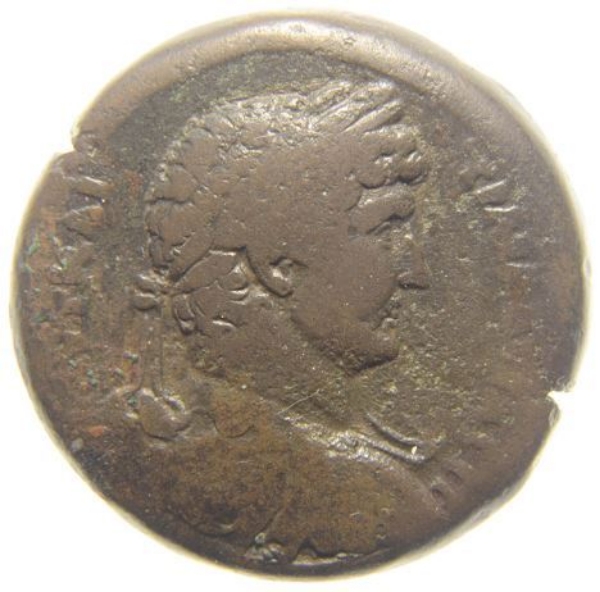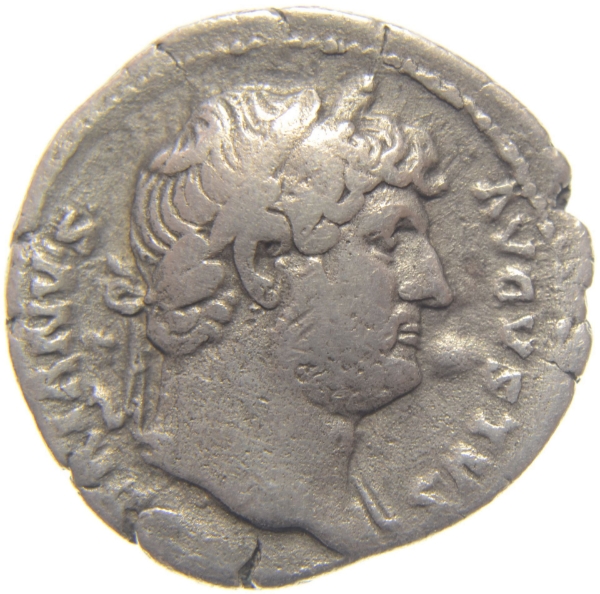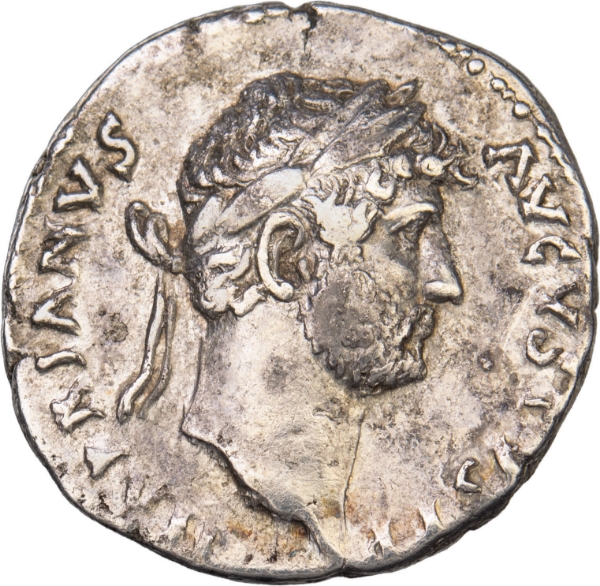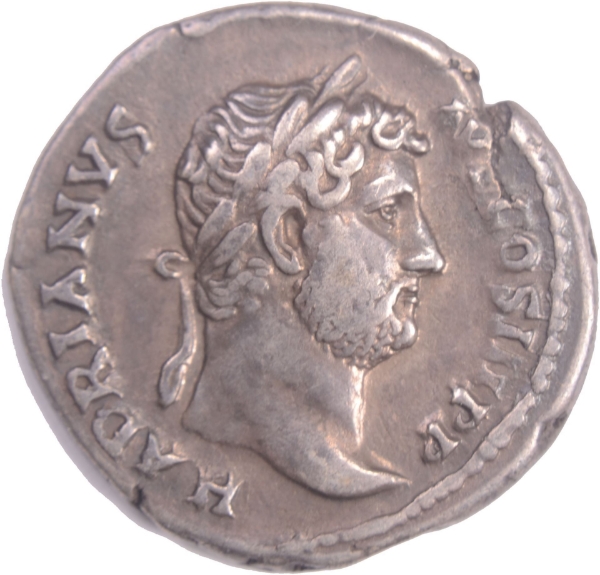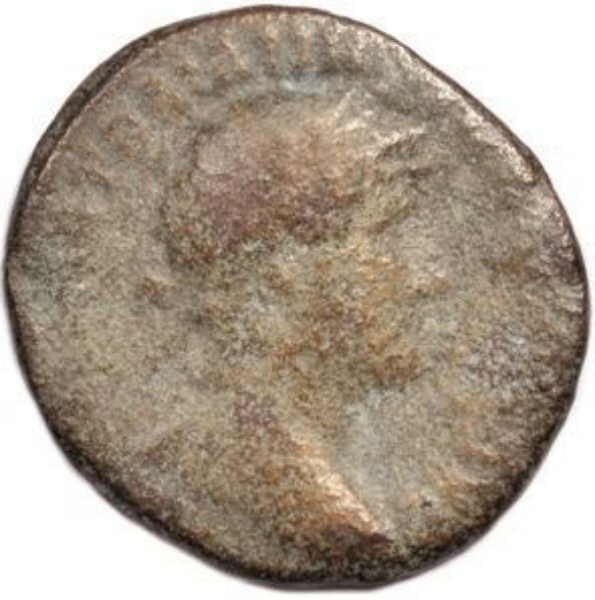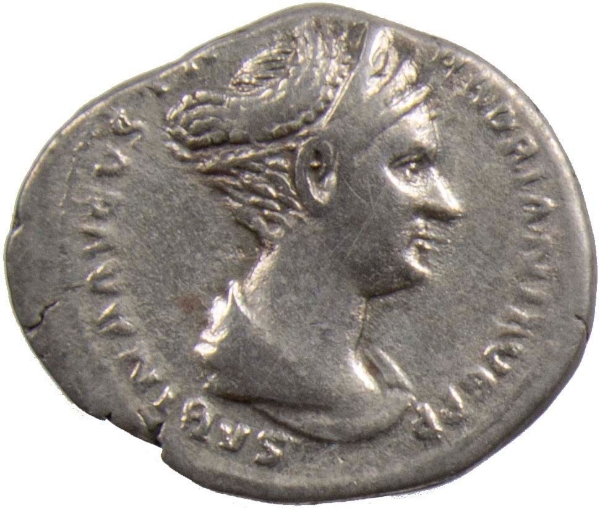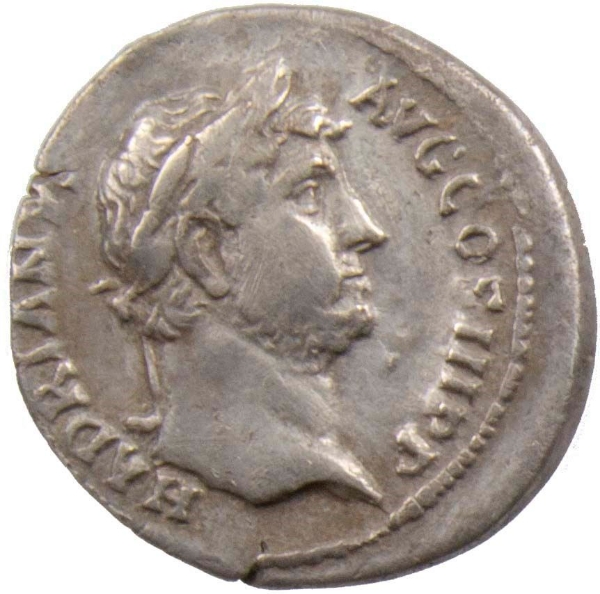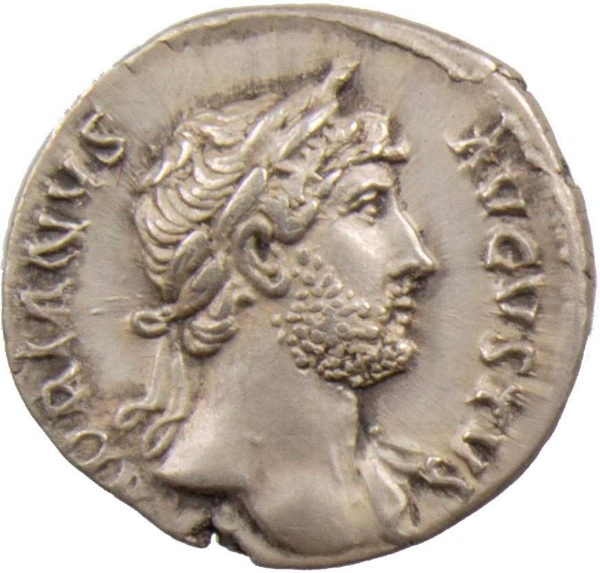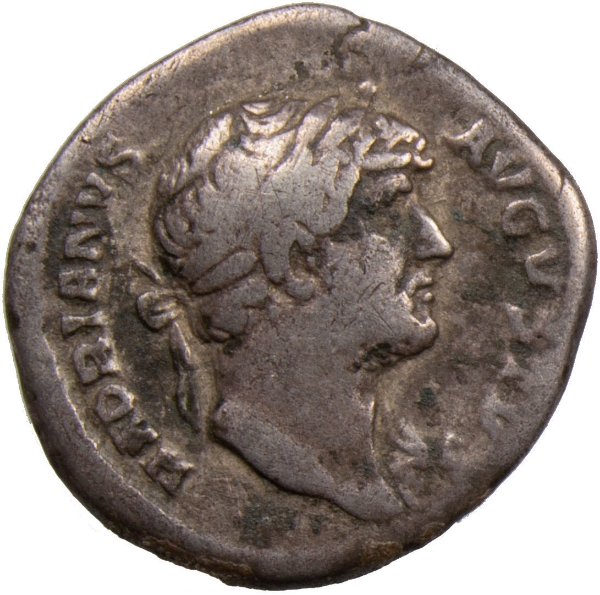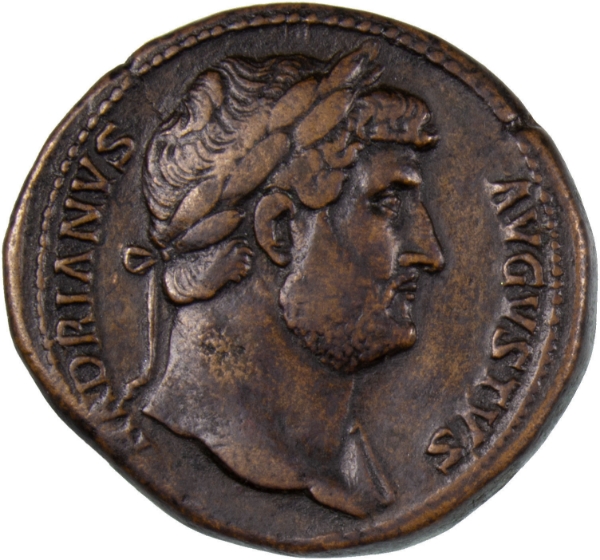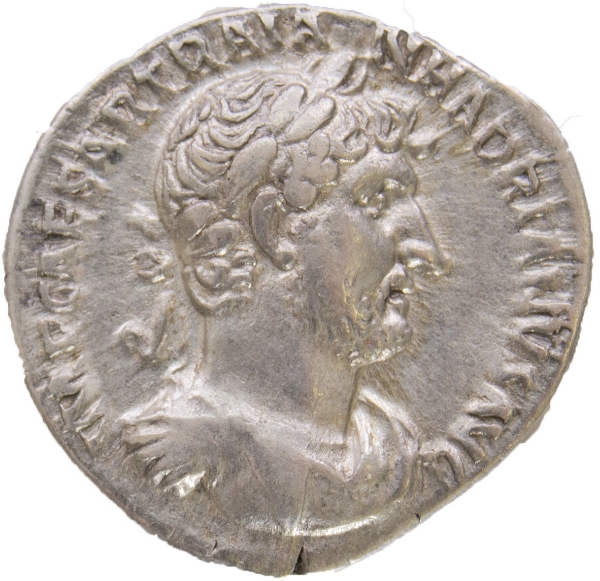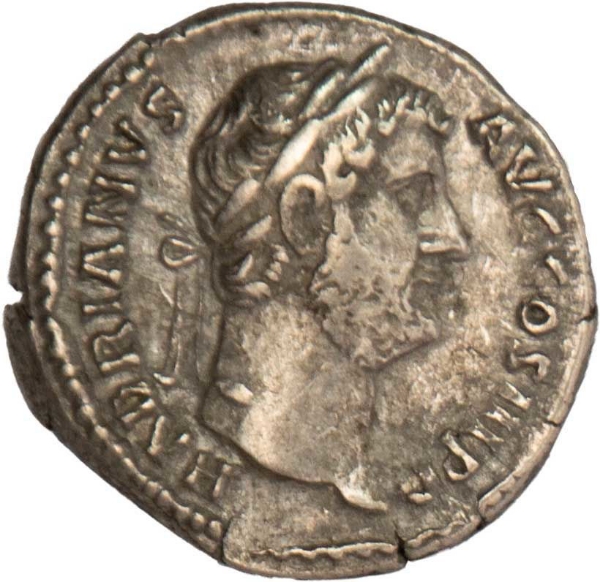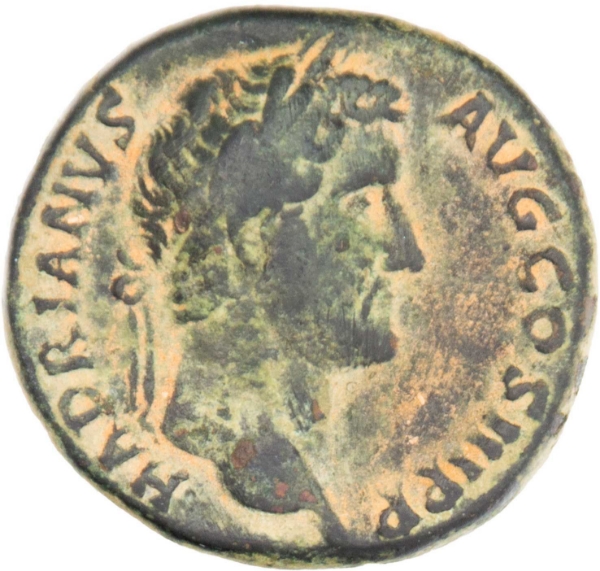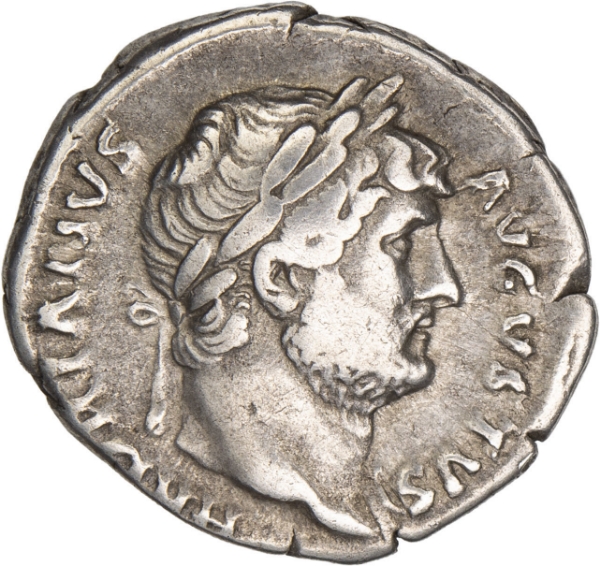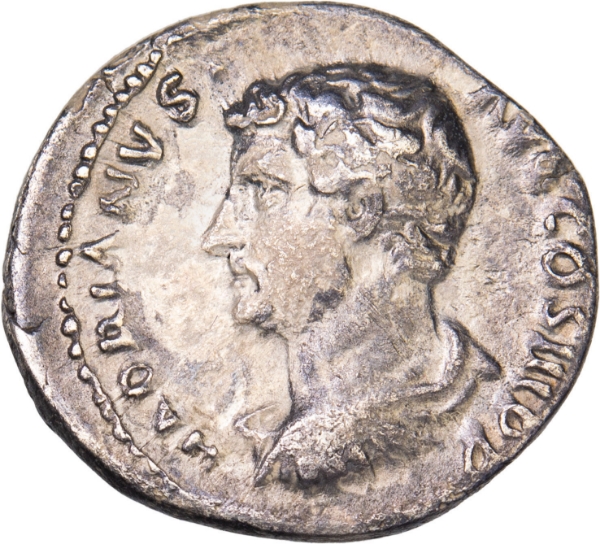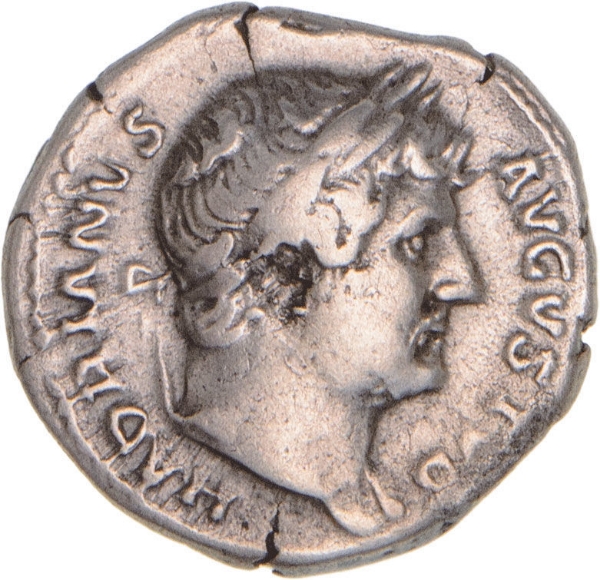
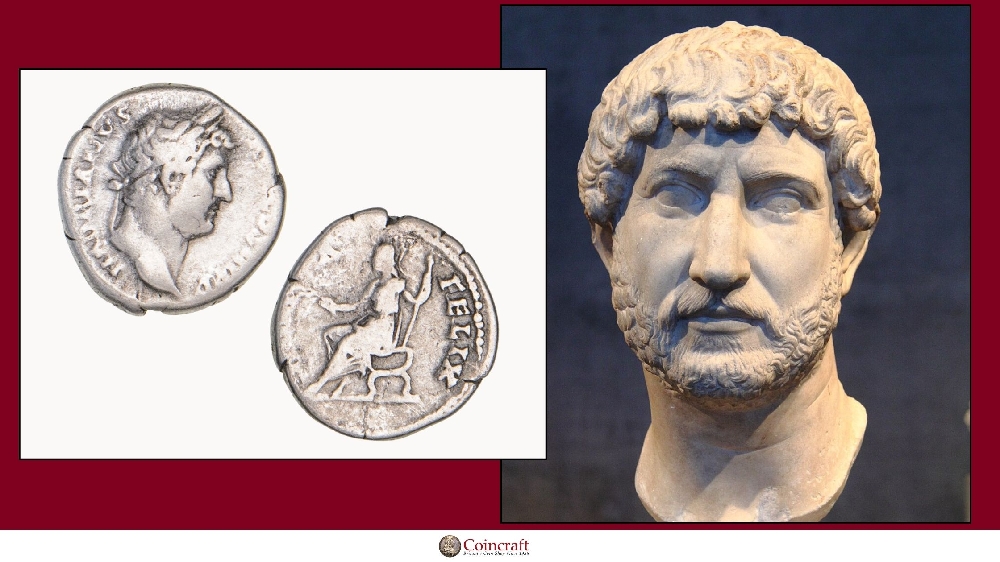
Picture Source of Hadrian: Wikipedia
Hadrian: The Restless Emperor Who Built the World We Know
Have you ever looked at a map of ancient Rome and wondered why it stopped where it did? Or maybe you've stood in awe of the Pantheon's massive dome in the heart of Rome? If so, you’ve already met Hadrian.
Unlike the conquerors who came before him, Hadrian wasn't interested in just taking over more land. He was a poet, an architect, a traveler, and a man who was deeply in love with Greek culture. Often called one of the "Five Good Emperors," Hadrian spent more than half of his reign outside of Rome, visiting almost every province in the empire to see how his people actually lived. He was a complex, brilliant, and sometimes contradictory figure—a man of peace who was also a seasoned soldier.
Key Takeaways
Shift to Defense: Hadrian famously abandoned the aggressive expansion policies of his predecessor, Trajan, focusing instead on fortifying and stabilizing the existing Roman borders.
The Traveling Emperor: He spent the majority of his reign traveling through the provinces, personally inspecting the army and overseeing massive infrastructure projects.
Architectural Legacy: He is responsible for some of history's most iconic structures, including Hadrian’s Wall in Britain and the rebuilt Pantheon in Rome.
Philhellenism: Hadrian’s deep love for Greek culture (earning him the nickname "Greekling") profoundly influenced Roman art, architecture, and even grooming habits—popularizing the beard for emperors.
Complex Legacy: While he was a patron of the arts and a reformer, his reign also saw the brutal suppression of the Bar Kokhba revolt in Judea.
The Making of a "Greekling"
Born Publius Aelius Hadrianus in 76 AD, Hadrian wasn't actually born in Rome, but in Italica (modern-day Spain).1 His family were wealthy settlers, but young Hadrian lost his father at age ten. He was then placed under the guardianship of his cousin—the future Emperor Trajan.2
Growing up, Hadrian was obsessed with Greek literature and culture. He was so devoted to it that his peers jokingly called him Graeculus or "Greekling."3 This wasn't just a childhood phase; it became the defining characteristic of his life. He wanted Rome to be as refined and intellectually curious as the Athens of old.
A New Vision for the Empire
When Trajan died in 117 AD, Hadrian took the throne under somewhat mysterious circumstances. While some whispered about a staged adoption on Trajan’s deathbed, Hadrian quickly consolidated power.4
Most emperors wanted to be seen as "conquerors." Not Hadrian. He looked at the vast, overextended borders Trajan had left behind and made a radical decision: he gave some of it back. He withdrew troops from Mesopotamia and Armenia, arguing that the empire was more secure if it was manageable.5
This "defense-first" strategy led to his most famous project: Hadrian’s Wall. Spanning 73 miles across Northern Britain, it wasn't just a fence; it was a sophisticated military zone that marked the northernmost limit of the Roman world.6
The Architect and the Traveler
If you were a Roman citizen in the 120s AD, you had a better chance of seeing the Emperor in your local marketplace than in the Senate. Hadrian was a restless traveler. He marched with his soldiers, ate their simple rations, and personally supervised the building of bridges, theaters, and aqueducts across the empire.7
His most enduring gift to Rome, however, was the Pantheon. While the original building was started by Agrippa, Hadrian completely redesigned it. The massive concrete dome, with its central opening to the sky (the oculus), remains the largest unreinforced concrete dome in the world today.8 It was a testament to his belief that Roman engineering could touch the heavens.
Personal Life and Antinous
Hadrian's personal life was as dramatic as his public one. His marriage to Vibia Sabina was notoriously unhappy and childless.9 The true "love of his life" was a young Greek man named Antinous.
When Antinous tragically drowned in the Nile in 130 AD, Hadrian’s grief was so profound that it shocked the Roman world. He deified the young man, founded a city in his honor (Antinoöpolis), and commissioned thousands of statues of him—many of which still survive in museums today.10
The Final Years and Transition
The end of Hadrian’s life was marred by illness and a darkening mood. The Bar Kokhba revolt in Judea (132–136 AD) was a bloody affair, and Hadrian's response was exceptionally harsh, leading to the mass displacement of the Jewish people.11
As his health failed, he spent his days at his sprawling villa in Tivoli—a sort of "theme park" of his travels, filled with replicas of the famous buildings he had seen in Greece and Egypt.12 Before he died in 138 AD, he ensured a peaceful transition by adopting Antoninus Pius, on the condition that Antoninus also adopt the young Marcus Aurelius. This move secured nearly a century of stable rule for Rome.
FAQs
Why did Hadrian build a wall in Britain? Hadrian’s Wall was built to "separate the Romans from the barbarians." It served as a military defense, a customs post to control trade/taxes, and a powerful symbol of Roman authority at the edge of the known world.
Why is Hadrian's beard significant? Before Hadrian, Roman emperors were almost always clean-shaven (following the style of Augustus). Hadrian grew a beard to show his devotion to Greek philosophy, where beards were a symbol of wisdom. His look set the trend for nearly every emperor for the next 150 years.
What happened to Hadrian's Villa? Hadrian's Villa at Tivoli is now a UNESCO World Heritage site. Though in ruins, you can still see the remains of his private "Maritime Theater," grand dining halls, and the Canopus, a pool modeled after a branch of the Nile.
References
Birley, A. R. (1997). Hadrian: The Restless Emperor. Routledge.
Boatwright, M. T. (2000). Hadrian and the Cities of the Roman Empire. Princeton University Press.
Everitt, A. (2009). Hadrian and the Triumph of Rome. Random House.
Speller, E. (2003). Following Hadrian: A Second-Century Journey through the Roman Empire. Oxford University Press.
Lambert, R. (1984). Beloved and God: The Story of Hadrian and Antinous. Viking.