 - RBB344.jpg)
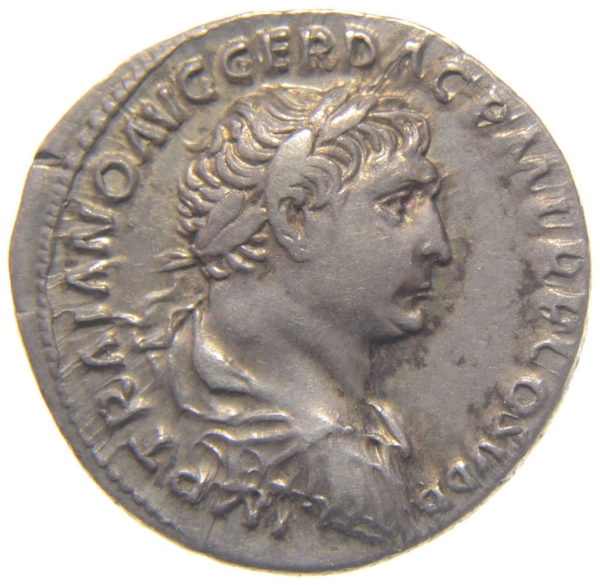
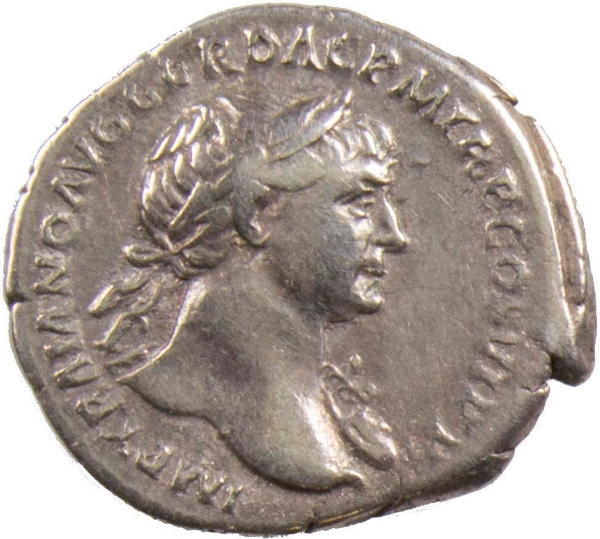
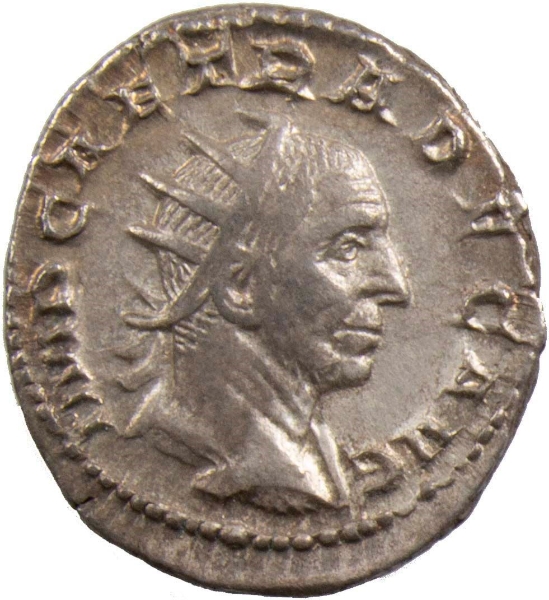
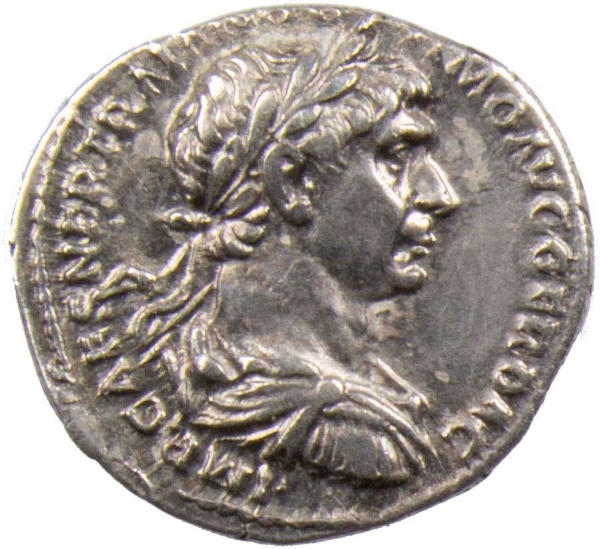
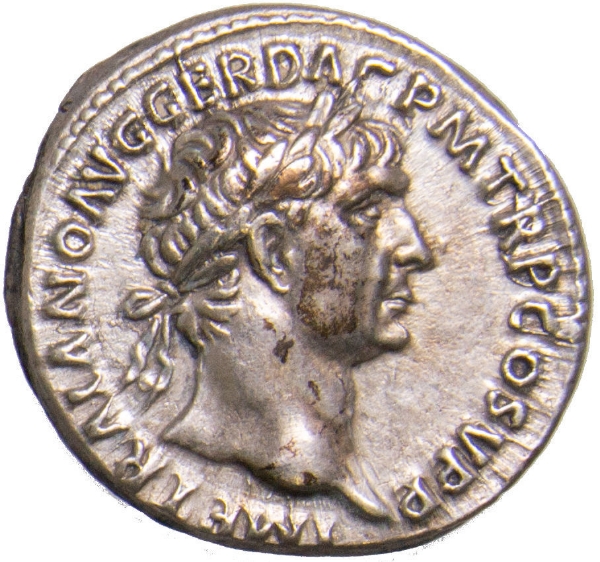
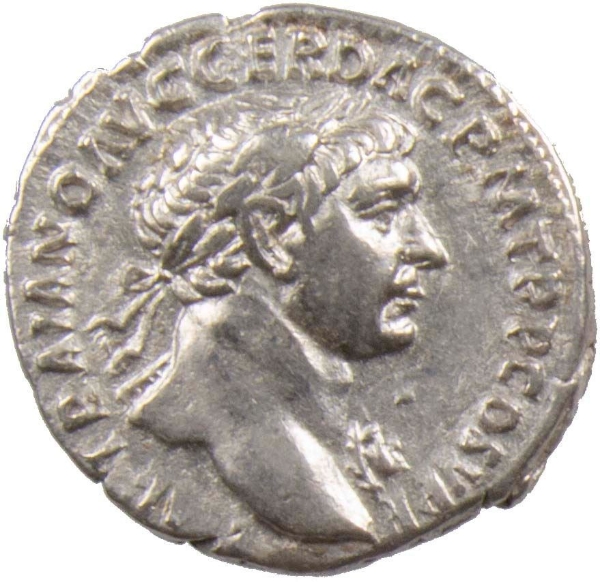
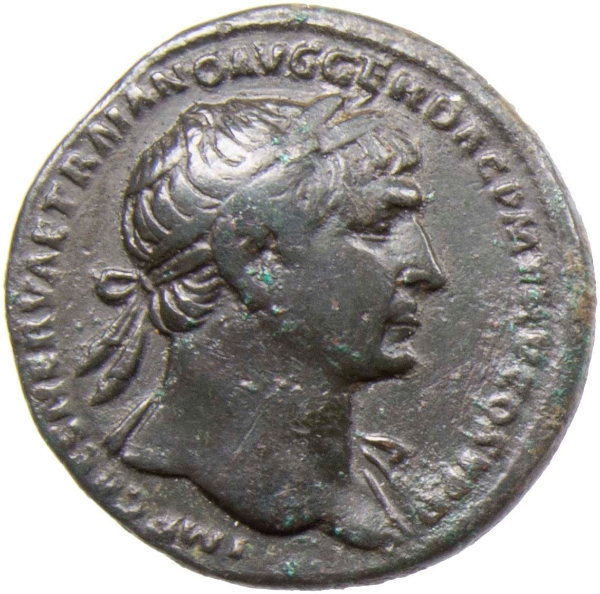
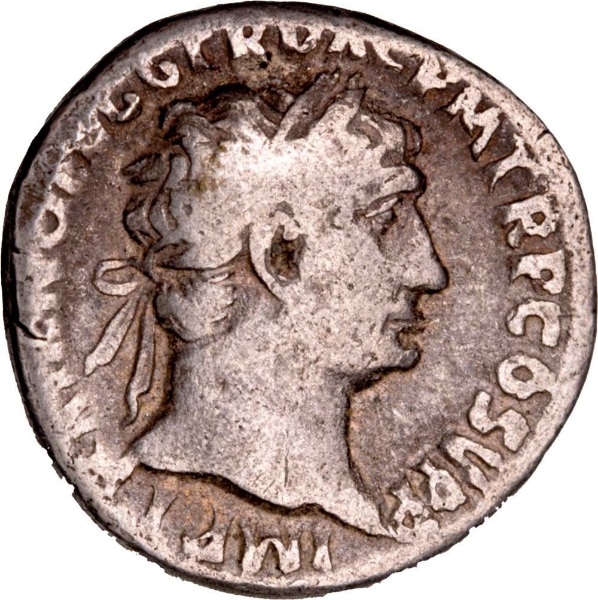
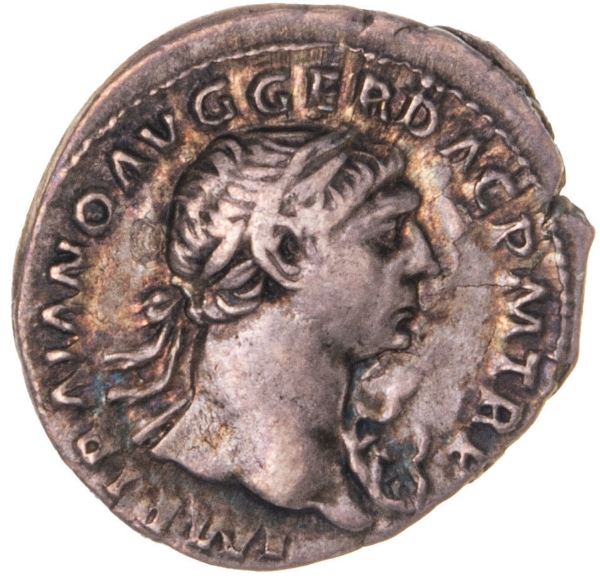
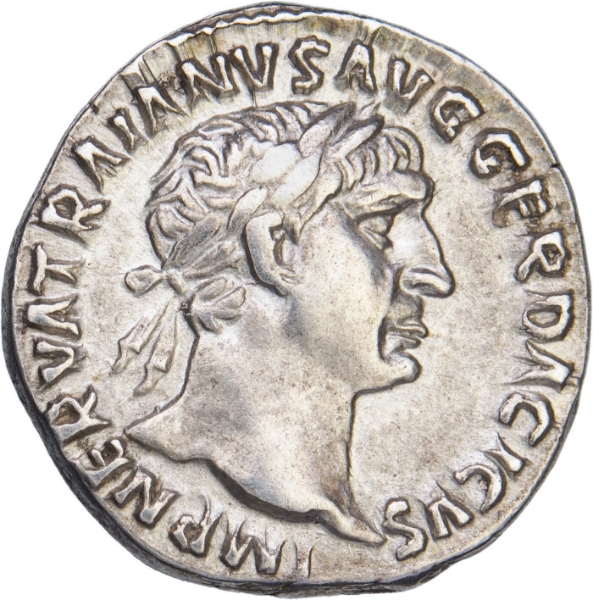
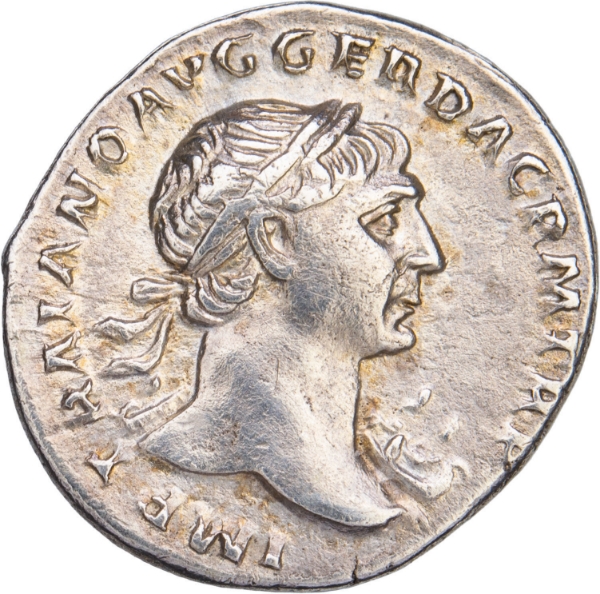
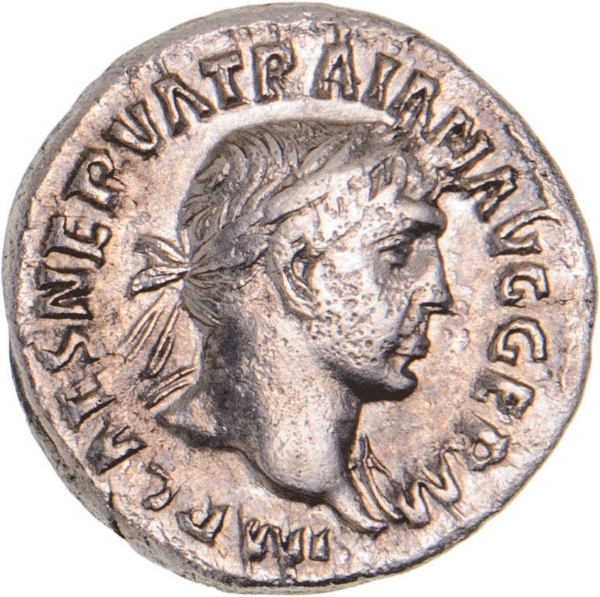
Picture Source Trajan (98–117 AD): Wikipedia
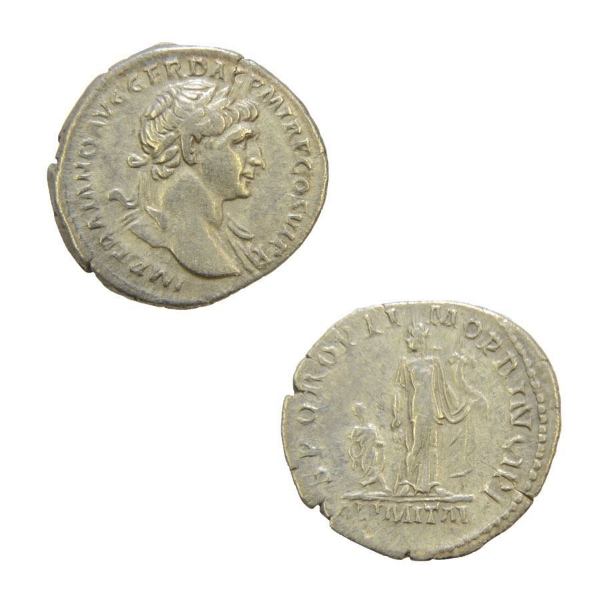
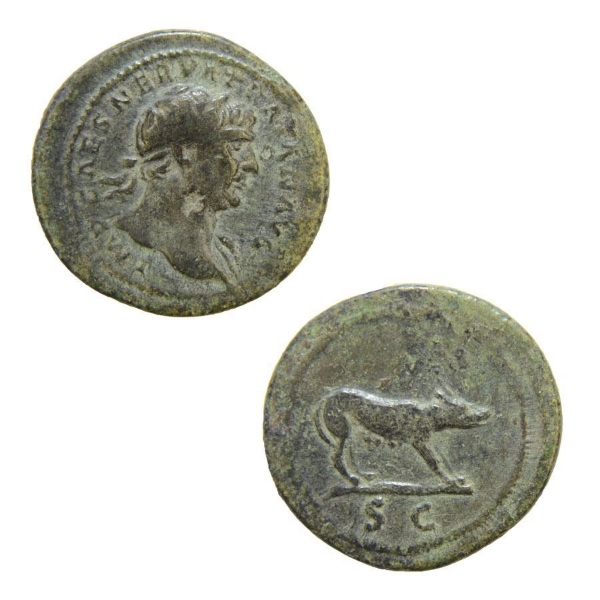
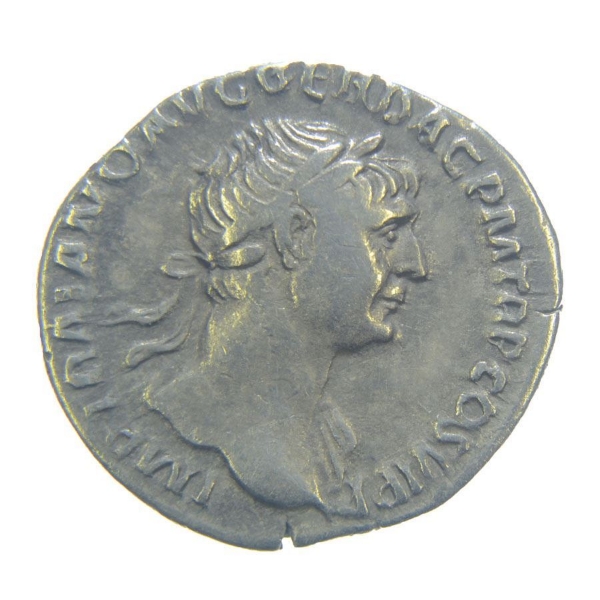
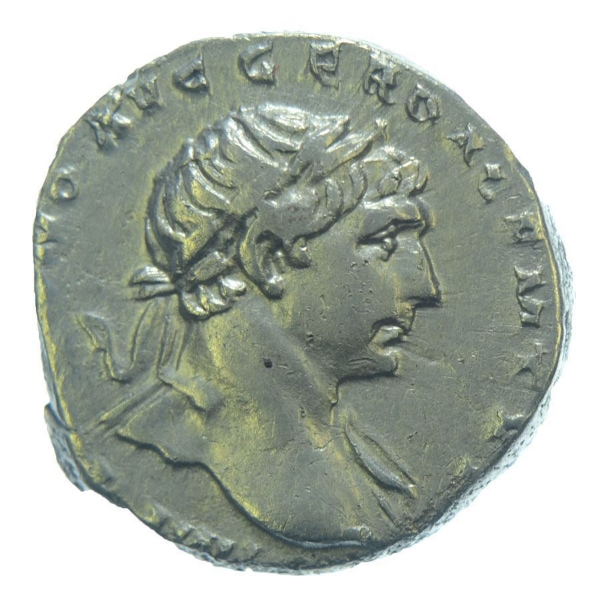
The Empire at its Zenith: The Life and Legacy of Emperor Trajan
Introduction: Meet Rome's "Best Ruler"
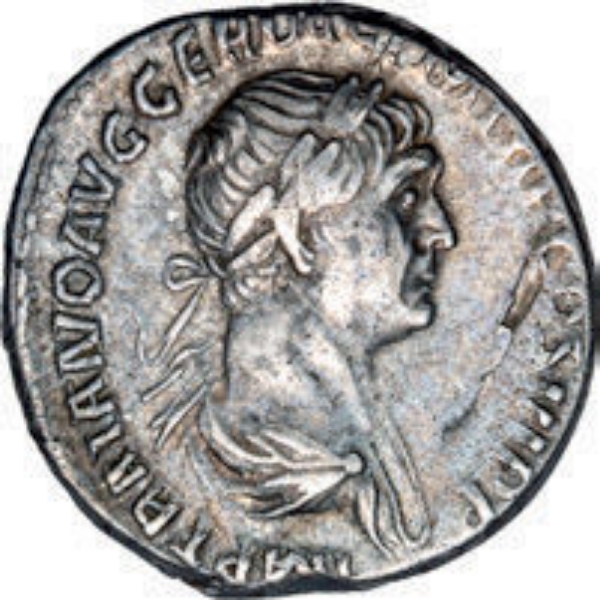
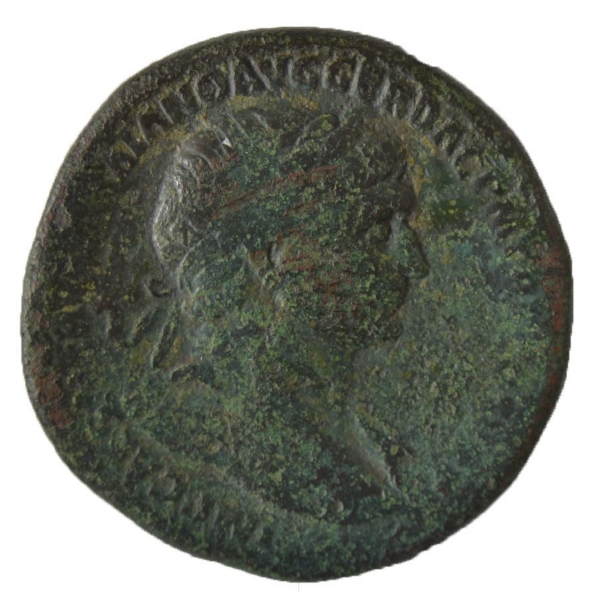
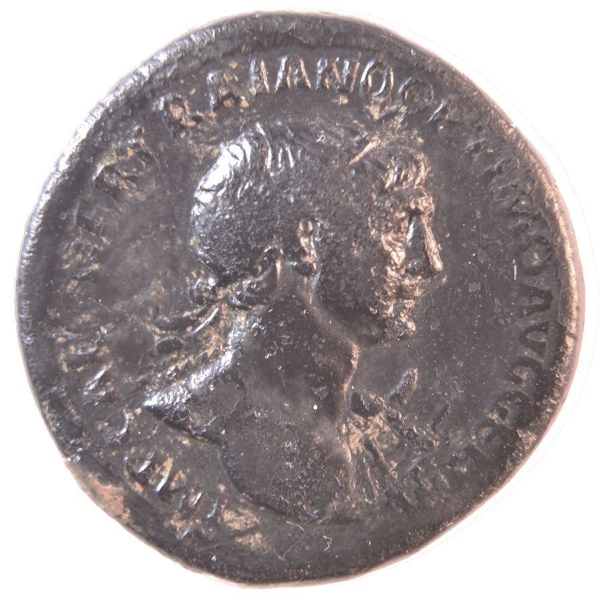
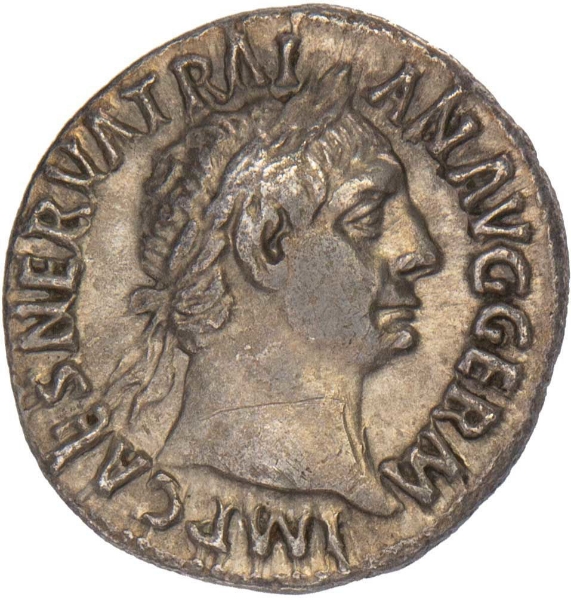
When envisioning the Roman Empire at its apex, we often picture a colossal hegemon dominating everything from the mist-shrouded shores of Britannia to the sun-scorched sands of the Parthian frontier. Yet, Rome did not achieve these monumental proportions by mere chance. It required a unique martial visionary to push the empire's borders to their absolute zenith, and that sovereign was Marcus Ulpius Traianus—immortalized in history as Emperor Trajan.
Ruling from 98 to 117 AD, Trajan is famously remembered as the second of the "Five Good Emperors." The Roman Senate was so enamored with him that they officially granted him the title Optimus Princeps, meaning "the best ruler." For centuries after his death, new emperors were blessed with the phrase felicior Augusto, melior Traiano ("may he be luckier than Augustus and better than Trajan"). Let's dive into the fascinating, action-packed life of the man who literally put the Roman Empire on the map.
Key Takeaways
A Provincial Pioneer: Trajan was the first Roman emperor born outside of Italy, hailing from the province of Hispania Baetica (modern-day Spain).
Maximum Expansion: Under his military leadership, the Roman Empire reached its greatest territorial extent in history, incorporating Dacia, Arabia Petraea, and Mesopotamia.
The Master Builder: He transformed the Roman skyline with monumental public works, most notably Trajan's Forum, Trajan's Market, and the iconic Trajan's Column.
Social Reformer: He expanded the Alimenta, a groundbreaking state-funded welfare program designed to support orphans and impoverished children throughout Italy.
The Provincial Boy Who Would Be King
To understand Trajan, we have to look at where he came from. Born on September 18, 53 AD, in the city of Italica (near modern-day Seville, Spain), Trajan represented a massive shift in Roman politics. Before him, every emperor had been a product of the Italian peninsula. Trajan's family, the Ulpii, were Roman colonists who had settled in Spain generations earlier(1).
Trajan didn't just inherit power; he spent decades in the trenches. He served as a military tribune in Syria, commanded a legion in Spain, and fought along the dangerous Rhine frontier. He was a soldier's soldier, known for marching on foot alongside his men and sharing in their hardships. This down-to-earth military pedigree made him incredibly popular with the legions.
When the elderly and childless Emperor Nerva found himself facing a potential military mutiny in 97 AD, he needed a successor who commanded the absolute respect of the army. He looked north to the Rhine and adopted Trajan. Nerva passed away shortly after in 98 AD, and Trajan ascended to the throne without a drop of bloodshed—a refreshing change of pace for Rome(2).
Optimus Princeps: Governing the Empire
While Trajan was a brilliant general, he wasn't just a warmonger. Once he arrived in Rome, he worked incredibly hard to cultivate a positive relationship with the Senate. Unlike some of his paranoid predecessors (looking at you, Domitian), Trajan treated the senators as equals, swore an oath never to execute a senator without a trial, and operated with remarkable transparency(3).
But where Trajan truly shined domestically was in his public works and social policies. He was deeply concerned with the declining population of freeborn Italians. To combat this, he significantly expanded the Alimenta. This was essentially a state-run welfare program where the imperial treasury provided loans to landowners; the interest paid on those loans was then pooled to provide food and subsidized education for poor children and orphans across Italy(4).
He also partnered with his chief architect, Apollodorus of Damascus, to completely revamp Rome's infrastructure. They built a massive new harbor at Ostia, erected grand bathhouses, and constructed Trajan's Forum—a sprawling, magnificent public square flanked by libraries and the multi-story commercial hub known as Trajan's Market.
Conquering Dacia: Gold, Glory, and a Very Big Column
You can't talk about Trajan without talking about Dacia (roughly modern-day Romania). The Dacians, led by their fiercely intelligent King Decebalus, had been a thorn in Rome's side for decades, occasionally crossing the Danube River to raid Roman territory.
Trajan decided it was time to end the threat once and for all. He launched two massive military campaigns against Dacia (101–102 AD and 105–106 AD). These wars were brutal and highly engineered—Trajan's forces even built a massive, permanent bridge across the mighty Danube just to march their troops across. Ultimately, Decebalus was defeated, and Dacia was annexed as a Roman province(5).
The spoils of the Dacian Wars were staggering. Rome seized an estimated 165 tons of gold and 330 tons of silver from the Dacian capital. This massive influx of wealth funded Trajan's massive building projects back home. To commemorate the victory, he commissioned Trajan's Column in 113 AD. Standing 30 meters tall, it features a continuous, spiraling frieze that reads like a stone comic book, detailing the entire military campaign. Amazingly, it still stands in Rome today!
Pushing the Boundaries: The Parthian War
Never one to rest on his laurels, an aging Trajan looked east in 114 AD. The Parthian Empire (centered in modern-day Iran) had long been Rome's great rival. When a dispute arose over the buffer kingdom of Armenia, Trajan marched out to war one last time.
The campaign was initially a massive success. Trajan annexed Armenia, marched his legions down the Tigris and Euphrates rivers, and captured the Parthian capital of Ctesiphon. He even reached the shores of the Persian Gulf, reportedly weeping because he was too old to follow in the footsteps of Alexander the Great and march all the way to India(6).
By 116 AD, the Roman Empire was larger than it had ever been, or ever would be again.
The Final Years and Legacy
However, holding onto this massive territory proved impossible. Rebellions sparked across the newly conquered eastern provinces, and a major Jewish revolt erupted in the Mediterranean. As Trajan tried to manage the chaos, his health began to fail rapidly. Suffering from edema (dropsy), he decided to return to Rome.
He never made it. Trajan died on August 8, 117 AD, in the coastal city of Selinus in Cilicia (modern-day Turkey). On his deathbed, he formally adopted his first cousin once removed, Hadrian, ensuring a smooth transition of power.
Trajan's legacy is undeniable. He left Rome wealthier, larger, and more heavily fortified than he found it. His blend of military genius, civic responsibility, and political charm made him the gold standard for leadership in the ancient world. While his successor, Hadrian, would ultimately surrender some of Trajan's eastern conquests in the name of border security, the era of the Optimus Princeps is forever cemented as the absolute zenith of Roman imperial glory.
FAQs
Why was Trajan called Optimus Princeps? The Roman Senate officially granted Trajan the title Optimus Princeps (the best ruler) because of his respectful treatment of the Senate, his commitment to the law, his massive public building projects, and his highly successful military campaigns that brought immense wealth to Rome.
What is Trajan's Column? Trajan's Column is a Roman triumphal column located in Rome, Italy. Completed in 113 AD, it commemorates Trajan's victory in the Dacian Wars. It is famous for its spiraling bas-relief frieze, which winds around the shaft and depicts epic scenes from the military campaigns.
Who succeeded Trajan? Trajan was succeeded by his cousin once removed, Hadrian. Trajan officially adopted Hadrian on his deathbed in 117 AD, ensuring a peaceful transition of power. Hadrian would go on to be another of the "Five Good Emperors."
References
Bennett, J., 1997. Trajan: Optimus Princeps: A Life and Times. 1st ed. London: Routledge.
Cassius Dio, 1925. Roman History, Volume VIII: Books 61-70. Translated by E. Cary. Loeb Classical Library 176. Cambridge, MA: Harvard University Press.
Pliny the Younger, 1969. Letters and Panegyricus, Volume II: Books 8-10. Panegyricus. Translated by B. Radice. Loeb Classical Library 59. Cambridge, MA: Harvard University Press.
Boatwright, M.T., Gargola, D.J. and Talbert, R.J.A., 2004. The Romans: From Village to Empire. New York: Oxford University Press.
Goldsworthy, A., 2016. Pax Romana: War, Peace and Conquest in the Roman World. New Haven: Yale University Press.
Lepper, F.A., 1948. Trajan's Parthian War. London: Oxford University Press.