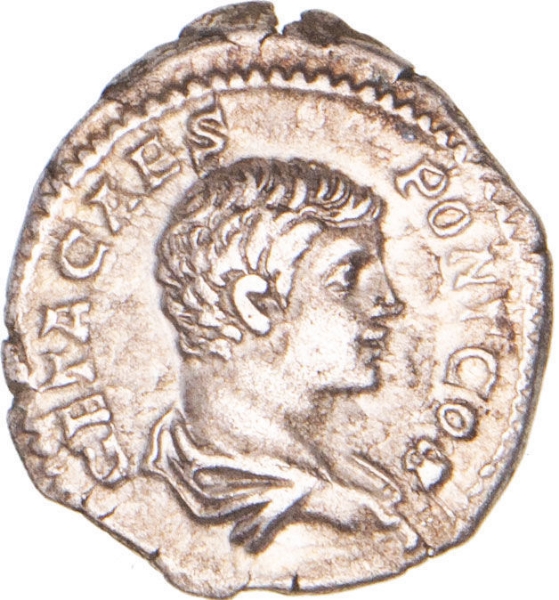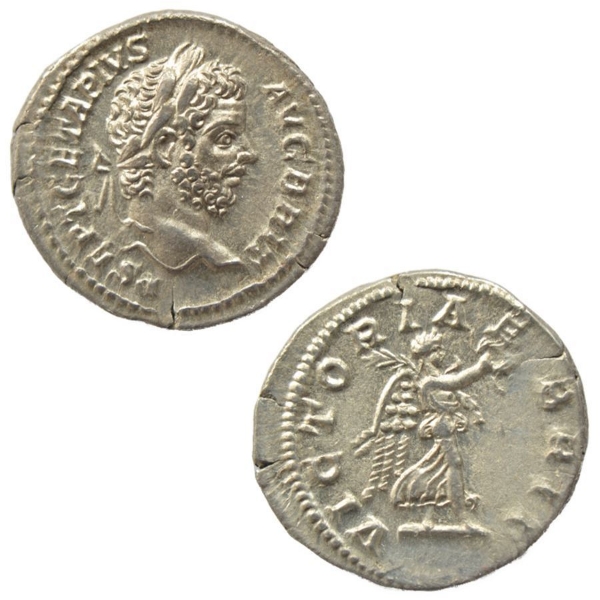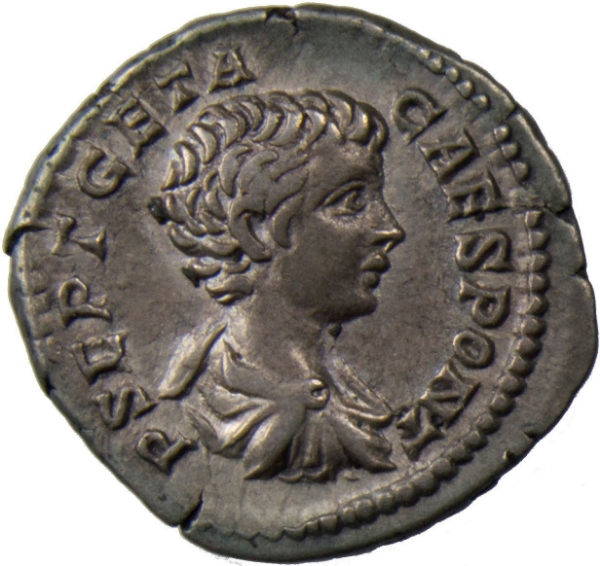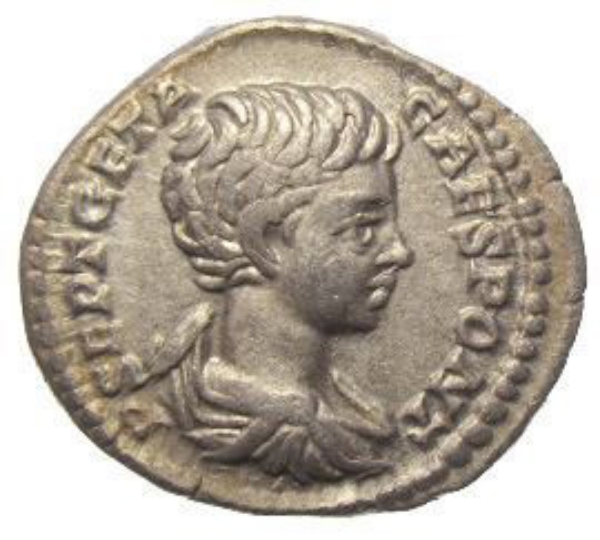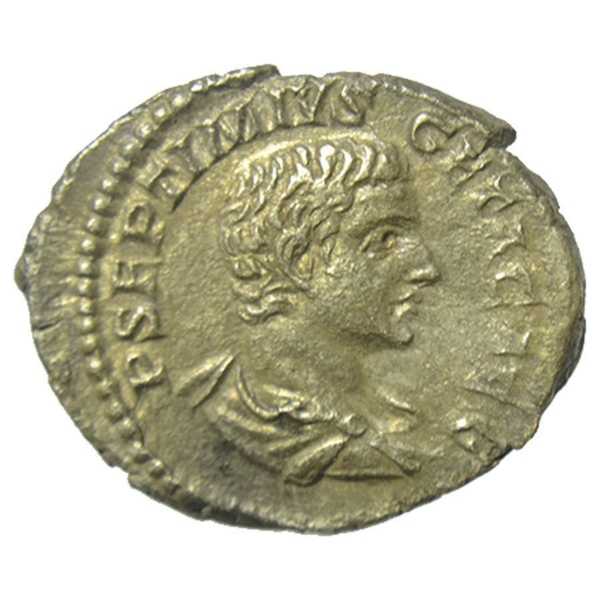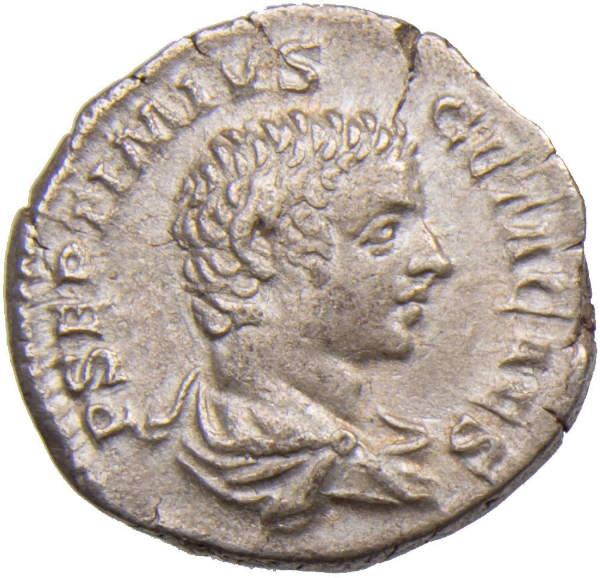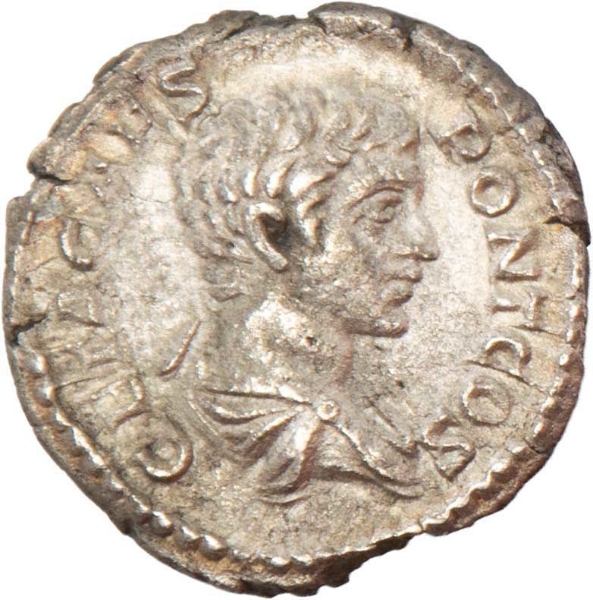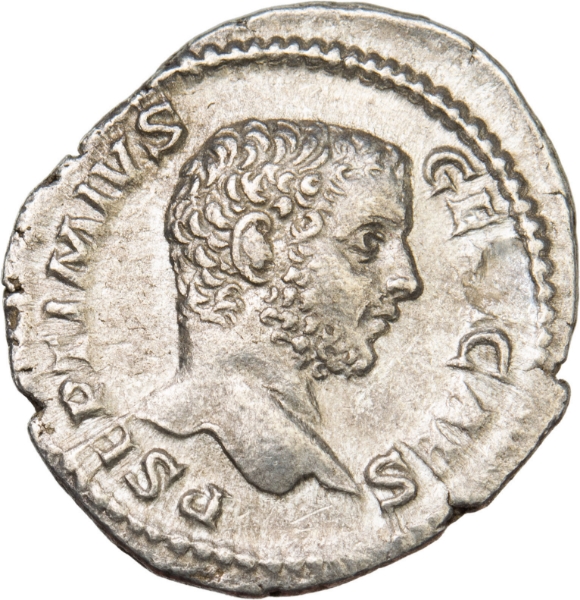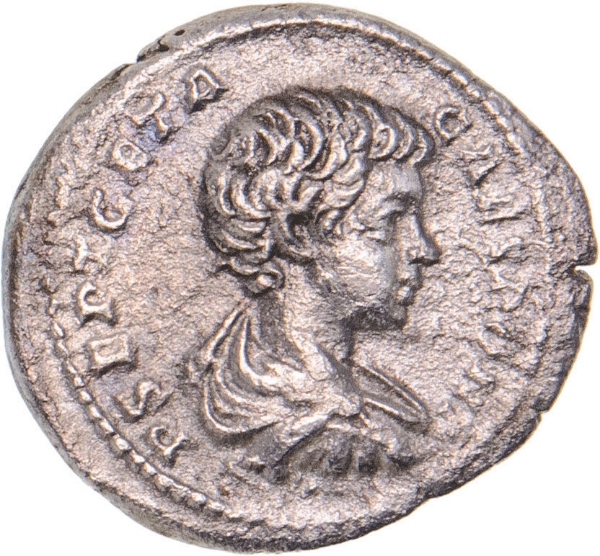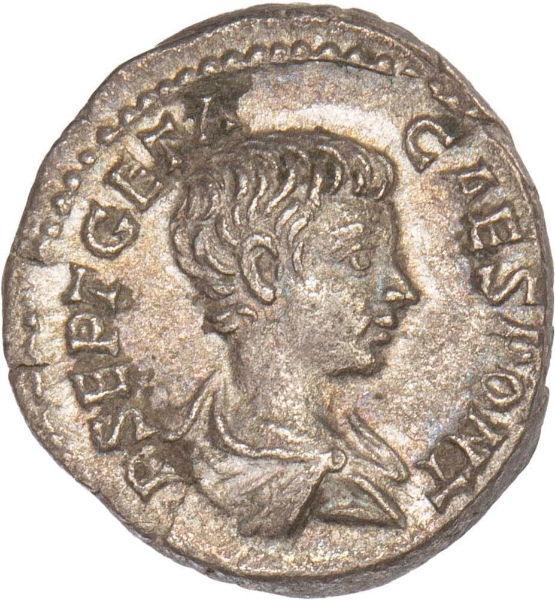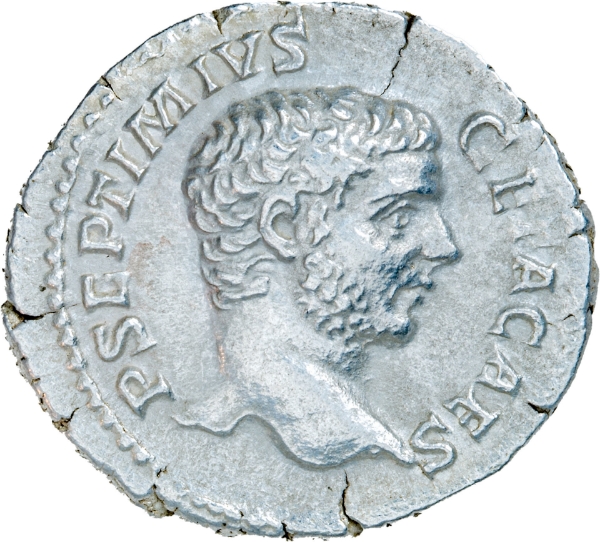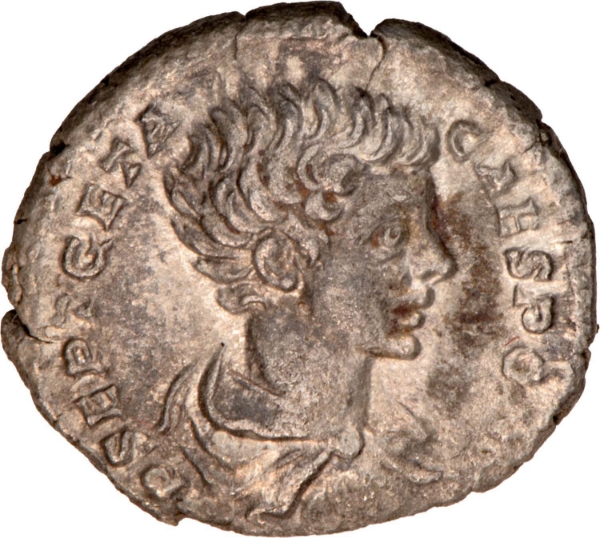
Picture Source of Geta: Wikipedia
The Emperor Who Was Erased: The Tragic Life of Geta
Let’s be honest: sibling rivalry is something most of us can relate to. Maybe you fought over the front seat of the car, or perhaps you argued over who got the bigger slice of pizza. But in Ancient Rome, sibling rivalry wasn’t just about petty arguments—it was a bloodsport.
Enter Publius Septimius Geta, a young man who had everything: wealth, power, and the title of Emperor of Rome. The only problem? He had to share it all with his older brother, Caracalla. And Caracalla didn't like to share.
Today, we’re diving into the short, tragic life of Geta—the "spare" heir who ruled for less than a year before being murdered in one of the most dramatic scenes in Roman history.
Key Takeaways
A Family Divided: Geta ruled jointly with his father, Septimius Severus, and his brother, Caracalla, but the brothers despised each other from childhood.
The Nightmare Year: After their father’s death in 211 AD, the brothers’ co-rule lasted only ten months, characterized by paranoia, divided palaces, and poisoned food.
A Tragic End: Geta was assassinated at age 22, dying in his mother’s arms during a "reconciliation" meeting orchestrated by his brother.
Damnatio Memoriae: Following the murder, Caracalla ordered Geta's name and image to be erased from history, including melting coins and chiseling his face off statues.
Growing Up as "The Other One"
Born in 189 AD, Geta was the younger son of the formidable Emperor Septimius Severus and the brilliant Empress Julia Domna. From the very beginning, the cards were stacked against him. While his older brother Caracalla was being groomed for power, Geta was the backup plan.¹
By all accounts, the two brothers simply hated each other. It wasn’t just a personality clash; it was a visceral loathing. Ancient historians tell us they would argue over everything, from cockfights to chariot races. Their father, arguably one of Rome's toughest emperors, tried everything to force them to get along. He even took them on a military campaign to Britain, hoping that fighting Scots would distract them from fighting each other.²
Spoiler alert: It didn't work.
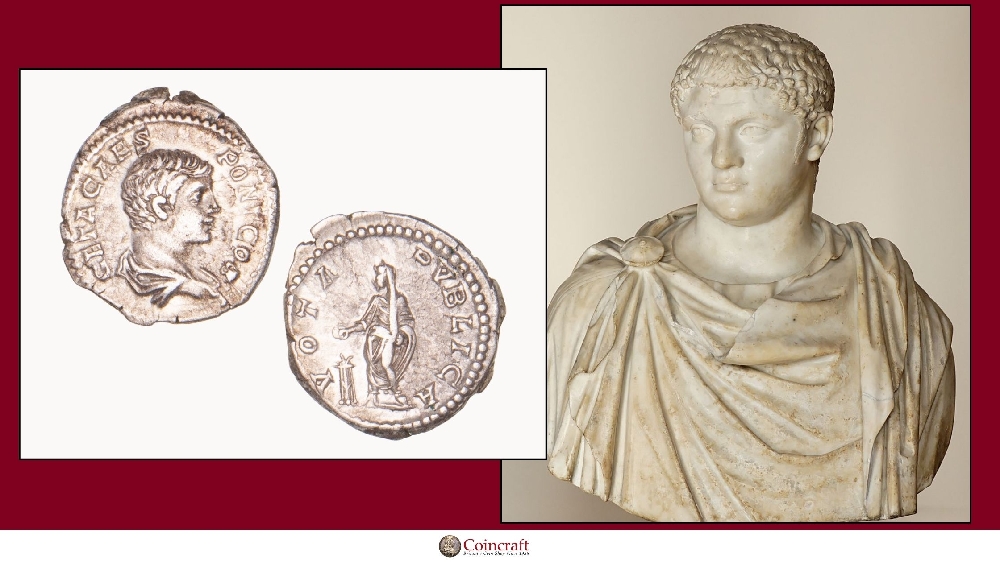
A marble bust of Geta. Notice the beard—he grew it to look more like his father, perhaps in a bid for legitimacy.
The Year of Living Dangerously (211 AD)
When their father died in York (Eboracum) in February 211 AD, he left the empire to both of them. His dying words were reportedly, "Be harmonious, enrich the soldiers, and scorn all other men." They managed the last two parts just fine, but the "harmonious" part? Not so much.³
The year 211 AD was essentially a cold war inside the Imperial Palace. When they returned to Rome, they divided the vast palace in half. They walled up communicating doors and posted heavy guards. They never ate together for fear of poison. The tension was so thick you could cut it with a gladius.
At one point, the situation was so bad that they actually sat down with their mother and proposed splitting the Roman Empire down the middle—Caracalla would take the West (Europe) and Geta would take the East (Asia). Julia Domna, heartbroken, reportedly cried out, "You may divide the empire, but how can you divide your mother?"⁴ The plan was scrapped, but the clock was ticking.
The Red Wedding (Roman Edition)
Caracalla decided he was done waiting. He tried to kill Geta during the festival of Saturnalia (think ancient Christmas), but the security was too tight. So, he came up with a more devious plan.
On December 26, 211 AD, Caracalla proposed a peace meeting. He suggested they meet in their mother’s private apartments to reconcile—alone, with no guards. Geta, perhaps hoping for peace or trusting his mother's presence, agreed.
It was a trap.
As soon as Geta entered the room, Caracalla's centurions burst in with drawn swords. In a scene that is truly heart-wrenching, Geta ran to his mother, clinging to her and crying, "Mother that didst bear me, help! I am being murdered!"⁵ He was stabbed to death right there in her arms, leaving Julia Domna covered in the blood of her youngest son. Caracalla, meanwhile, reportedly forbade his mother from even crying, threatening her life if she mourned him.
A dramatic 18th-century depiction of the murder by Jacques Pajou.
Erasing a Ghost: Damnatio Memoriae
Caracalla didn't just want Geta dead; he wanted him forgotten. He declared a damnatio memoriae—a condemnation of memory. This was a state-sanctioned attempt to scrub Geta from history entirely.
His name was chiseled off every inscription and monument in Rome.
His face was smashed on statues.
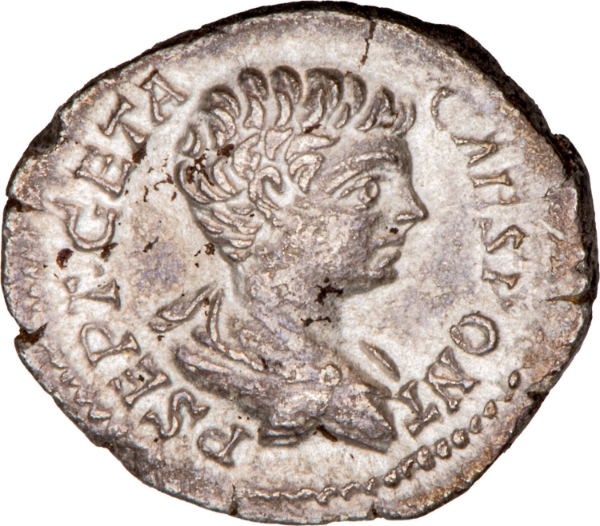
Coins bearing his image were melted down (which is why Geta coins are rare collectors' items today).
Anyone who spoke his name could be executed.
Caracalla then went on a rampage, killing an estimated 20,000 of Geta’s friends, soldiers, and supporters.⁶
The most haunting piece of evidence we have today is the Severan Tondo, a painted wooden panel of the imperial family. If you look at it, you see Septimius Severus, Julia Domna, and Caracalla. But where Geta should be, there is just a smeared, brown void. Caracalla literally rubbed his brother's face out of the family portrait.
The Severan Tondo. Note the face on the bottom left has been completely erased.
Final Thoughts
Geta is one of history's great "What Ifs." Was he the gentle, intellectual brother, as some later historians claimed? Or was he just as cruel as Caracalla, but simply lost the race to strike first? We may never know for sure because the man who wrote the history books—Caracalla—made sure the pages were blank.
But despite Caracalla’s best efforts, Geta wasn't forgotten. The chipped inscriptions and the erased paintings only make his absence more conspicuous, a permanent scar on the history of the Severan dynasty.
FAQs
Why did Caracalla kill Geta? It ultimately came down to absolute power and paranoia. Roman succession was messy, and having two emperors was a recipe for civil war. Caracalla, being the older brother, felt the throne was his birthright and viewed Geta as a threat to his safety and authority.
How long was Geta actually Emperor? Geta held the title of Augustus (Emperor) jointly with his father and brother from 209 AD. However, his actual independent co-rule with Caracalla lasted less than a year, from February 211 AD until his death in December 211 AD.¹
What does "Damnatio Memoriae" mean? It is a Latin phrase meaning "condemnation of memory." It was a dishonor given by the Roman Senate (usually under pressure) to those who brought discredit to the Roman State. It involved erasing the person from historical records, monuments, and public memory.⁴
References
British Museum (n.d.) Geta. [Online]. Available at: https://www.britishmuseum.org/collection/term/BIOG140679
Classical Association in Northern Ireland (2025) City of No Brotherly Love – The Murder of Geta. [Online]. Available at: https://classicalassociationni.wordpress.com/2025/04/06/city-of-no-brotherly-love-the-murder-of-geta/
Oxford Classical Dictionary (2024) Septimius Geta (2), Publius. [Online]. Available at: https://oxfordre.com/classics
Kershaw, D. (2025) Geta: The Short Reign and (Tragic) Death of a Roman Emperor. TheCollector. [Online]. Available at: https://www.thecollector.com/geta-roman-emperor-reign-death/
Britannica, The Editors of Encyclopaedia (2025) Publius Septimius Geta. Encyclopedia Britannica. [Online]. Available at: https://www.britannica.com/biography/Publius-Septimius-Geta
Wikipedia (2025) Geta (Emperor). [Online]. Available at: https://en.wikipedia.org/wiki/Geta_(emperor)