 - SGM237-7861 & AEG0020.png)
Picture Source of Gallienus: Wikipedia
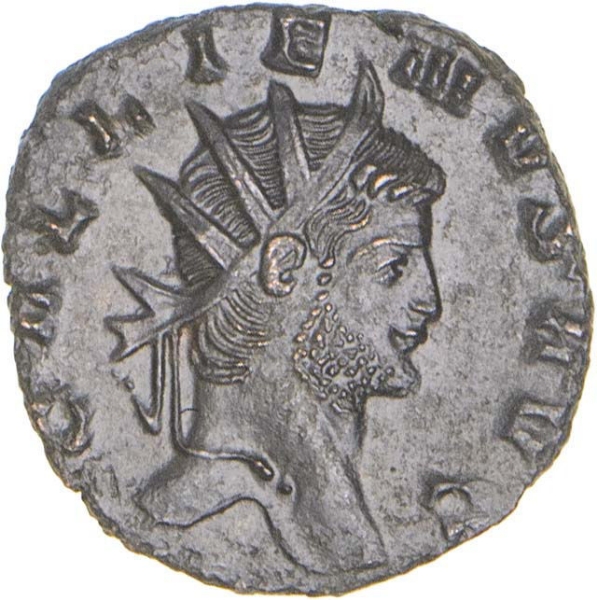
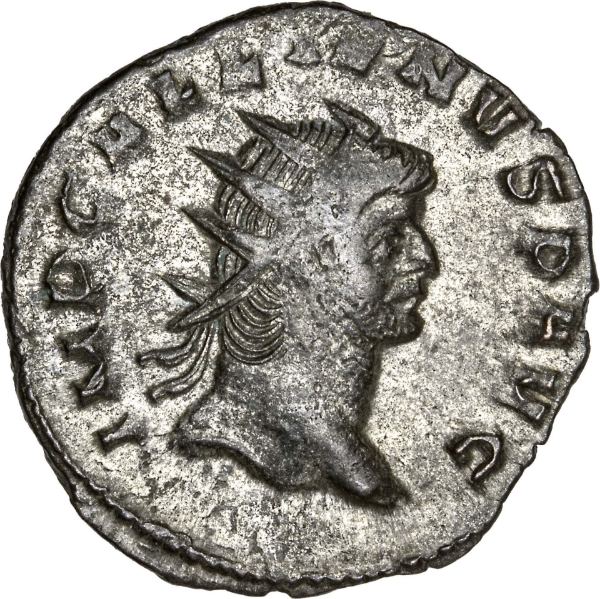
Introduction to Gallienus
Gallienus, a name often overshadowed by more celebrated Roman emperors, remains a figure of significant intrigue in the annals of Roman history. His reign, spanning from AD 253 to AD 268, occurred during a tumultuous period marked by external invasions and internal strife. As the Roman Empire teetered on the brink of collapse, Gallienus' leadership was both criticised and praised for its attempts to stabilise the empire.
Born Publius Licinius Egnatius Gallienus, he was the son of Emperor Valerian. Gallienus co-ruled with his father before becoming the sole emperor. His reign is characterised by bold military reforms, religious tolerance, and cultural patronage, though his efforts were often marred by political conspiracies and military defeats. Despite these challenges, he managed to maintain a semblance of control over the fracturing empire.
Gallienus' legacy is contentious. Historians have debated whether his actions were those of a visionary leader ahead of his time or an ineffective ruler overwhelmed by the empire's monumental challenges. This article delves into the complexity of Gallienus' reign, exploring the historical context, significant events, and the lasting impact of this controversial emperor.
Historical Context: The Roman Empire during Gallienus' Reign
The Roman Empire during Gallienus' reign was a landscape of chaos and transformation. Known as the Crisis of the Third Century, this period was marked by economic instability, military defeats, and rampant political upheaval. The empire was besieged by external pressures from Germanic tribes, the Sassanid Empire, and internal revolts, leading to a fragmented state.
Economically, the third century was a period of decline. The empire faced severe inflation, a devalued currency, and disrupted trade routes. These economic woes were compounded by a series of plagues that decimated the population, further straining the empire's resources and manpower. The stability of the empire was under constant threat, demanding strong leadership and innovative solutions.
The political landscape was equally turbulent. The frequent change of emperors, often through violent means, highlighted the instability at the empire's core. The Senate, once a powerful institution, saw its influence wane as military leaders gained prominence. This environment set the stage for Gallienus' ascension to power, where he would face the daunting task of holding the empire together amidst relentless challenges.
The Rise to Power: Gallienus' Ascension as Emperor
Gallienus' rise to power began with his appointment as co-emperor with his father, Valerian, in AD 253. This dual rule was intended to strengthen the empire's control by dividing responsibilities; Valerian managed the eastern provinces, while Gallienus focused on the west. This strategy aimed to address the multifaceted threats facing the empire more effectively.
The relationship between Gallienus and Valerian was one of mutual respect and cooperation. This partnership enabled them to implement policies addressing the immediate threats to the empire. However, their reign was abruptly altered when Valerian was captured by the Persian King Shapur I in AD 260, leaving Gallienus as the sole ruler. This event significantly impacted Gallienus, both personally and politically, as he was thrust into a position of solitary power.
As the sole emperor, Gallienus faced immense pressure to stabilise the empire. His leadership style, characterised by its pragmatism and adaptability, became evident as he sought to reform military strategies and manage political factions. Gallienus' ability to navigate this transition from co-ruler to sole emperor reflected his resilience and determination to maintain the empire's integrity amidst mounting adversities.
Key Events During Gallienus' Reign
Gallienus' reign was punctuated by several key events that shaped the trajectory of his leadership and the Roman Empire. One of the most notable was the capture of his father, Valerian, by the Persians. This incident not only left Gallienus as the sole ruler but also served as a stark reminder of the empire's vulnerabilities to external threats.
In response to the internal and external challenges, Gallienus embarked on a series of military campaigns. He was instrumental in defending the empire against Germanic invasions, particularly the Alamanni and the Goths. His victories in these battles, although temporary, demonstrated his strategic acumen and commitment to protecting the empire's borders.
However, his reign was also marked by significant internal strife. The empire experienced numerous usurpations by rival claimants, most notably the revolt of Postumus, who established the Gallic Empire in the western provinces. Gallienus' inability to suppress these internal revolts highlighted the limitations of his power and the pervasive instability within the empire.
Military Challenges: Dealing with External Threats
The military challenges during Gallienus' reign were formidable and multifaceted. The Roman Empire was surrounded by hostile forces, with the Germanic tribes posing a persistent threat along the northern frontiers. Gallienus' military reforms were critical in addressing these challenges, as he sought to reorganise the army's structure and improve its mobility.
One of Gallienus' significant military reforms was the establishment of a mobile field army, known as the comitatenses. This reform aimed to create a more flexible and responsive military force capable of rapid deployment to counter external threats. By prioritising cavalry units, Gallienus enhanced the army's ability to confront and repel invasions efficiently.
Despite these efforts, Gallienus faced numerous setbacks. The persistent pressure from the Goths, Franks, and other tribes strained the empire's resources. Gallienus' military campaigns, although occasionally successful, were often hampered by the lack of unity within the empire and the constant threat of internal revolts. These challenges underscored the precarious nature of his reign and the limitations of his military strategies.
Political Intrigues: Navigating the Senate and Power Struggles
Navigating the complex political landscape of the Roman Empire was a constant challenge for Gallienus. The Senate, once a formidable political institution, had seen its power diminish, yet it remained an influential body that Gallienus needed to appease and manage. His relationship with the Senate was characterised by tension and mutual suspicion.
Gallienus' attempts to centralise power led to friction with the Senate, as he sought to diminish their influence in favour of military leaders. This shift in power dynamics was a strategic move to strengthen his control over the empire, but it alienated many senatorial elites. The Senate's discontent was exacerbated by Gallienus' appointment of equites (knights) to key positions, which further eroded their authority.
The political intrigues during Gallienus' reign were not confined to the Senate. He faced numerous conspiracies and plots, both from within his ranks and external rivals. These power struggles were a testament to the volatile nature of Roman politics and the constant threat of usurpation that Gallienus had to navigate. His ability to survive these political machinations, albeit temporarily, showcased his astuteness and resilience as a leader.
Gallienus' Reforms and Policies
Gallienus' reign was marked by a series of reforms and policies aimed at addressing the empire's pressing challenges. His military reforms, particularly the creation of the comitatenses, were instrumental in enhancing the army's effectiveness. By prioritising mobility and flexibility, Gallienus sought to create a more dynamic military force capable of responding swiftly to external threats.
In addition to military reforms, Gallienus implemented policies to stabilise the empire's economy. These included efforts to curb inflation and improve the fiscal administration. Although these measures had limited success due to the entrenched economic issues, they reflected Gallienus' proactive approach to governance and his willingness to experiment with innovative solutions.
Gallienus also promoted religious tolerance, a policy that set him apart from many of his predecessors. He reversed previous persecutions of Christians, allowing them to practice their faith openly. This move, while controversial, demonstrated his pragmatic approach to governance and his understanding of the need for inclusivity in a diverse empire. These reforms and policies, although not always successful, highlighted Gallienus' efforts to adapt to the empire's evolving challenges.
Cultural Contributions and Patronage
Beyond his military and political endeavours, Gallienus was also notable for his cultural contributions and patronage. He supported the arts and philosophy, fostering an environment where culture could flourish despite the empire's turmoil. His reign saw a revival of interest in classical learning and artistic expression, contributing to the rich tapestry of Roman cultural heritage.
Gallienus' patronage extended to prominent philosophers and intellectuals of the time. He surrounded himself with scholars, poets, and artists, encouraging a renaissance of intellectual pursuits. This cultural revival was not only a testament to his appreciation of the arts but also a strategic move to reinforce the empire's cultural identity amidst the chaos of war and political instability.
The architectural achievements during Gallienus' reign further exemplify his commitment to cultural development. He invested in the construction and restoration of monuments and public buildings, leaving a lasting architectural legacy. These contributions underscored his belief in the power of culture as a unifying force, capable of inspiring loyalty and pride among the empire's diverse populace.
The Downfall of Gallienus: Causes and Consequences
The downfall of Gallienus was precipitated by a confluence of factors, both internal and external, that overwhelmed his ability to maintain power. The persistent military threats from external enemies, coupled with the internal revolts, significantly weakened his position as emperor. Despite his efforts to reform and stabilise the empire, the relentless pressure proved insurmountable.
One of the critical factors leading to Gallienus' downfall was the growing discontent among the military. His reforms, although innovative, alienated certain factions within the army. The appointment of equites to key military positions created resentment among traditional military elites, contributing to the erosion of his support base.
The culmination of these pressures was Gallienus' assassination in AD 268, orchestrated by a conspiracy within his ranks. This event marked the end of his reign and the beginning of a new chapter in Roman history. The consequences of his assassination were profound, as it paved the way for a series of short-lived emperors, further exacerbating the instability of the empire.
Legacy of Gallienus: Historical Perspectives and Interpretations
Gallienus' legacy is a subject of considerable debate among historians and scholars. Some view him as a visionary leader who implemented necessary reforms and embraced cultural diversity, while others criticise him for his inability to effectively manage the empire's myriad challenges. This duality in interpretations reflects the complexity of his reign and the broader context of the Roman Empire's crisis.
Historians who view Gallienus favourably highlight his military innovations and cultural contributions as evidence of his forward-thinking approach. They argue that his policies laid the groundwork for future reforms that would eventually strengthen the empire. His emphasis on religious tolerance and cultural patronage is seen as a testament to his progressive leadership.
Conversely, critics of Gallienus point to his failures in suppressing internal revolts and maintaining political stability as evidence of his ineffectiveness. They argue that his inability to prevent the fragmentation of the empire and his reliance on unpopular military reforms contributed to his downfall. This dichotomy in historical perspectives underscores the enduring intrigue surrounding Gallienus and his impact on Roman history.
Reassessing Gallienus' Impact on Roman History
In reassessing Gallienus' impact on Roman history, it is essential to consider the broader context of his reign. His leadership occurred during one of the most challenging periods in the empire's history, marked by external invasions, economic decline, and political instability. Despite these overwhelming challenges, Gallienus demonstrated resilience and adaptability in his attempts to stabilise the empire.
While his reign was fraught with difficulties, Gallienus' contributions to military reform, cultural patronage, and religious tolerance left a lasting imprint on the empire. His efforts to navigate the complex political landscape and implement innovative policies reflect his commitment to preserving the Roman Empire's integrity. Gallienus' legacy, though controversial, serves as a reminder of the complexities and nuances of leadership during times of crisis.
For those interested in exploring the intricacies of Roman history further, Gallienus' reign offers a fascinating study of leadership, resilience, and the enduring challenges of empire-building. As we continue to unravel the complexities of this intriguing figure, Gallienus remains a compelling subject for historical inquiry and reflection.