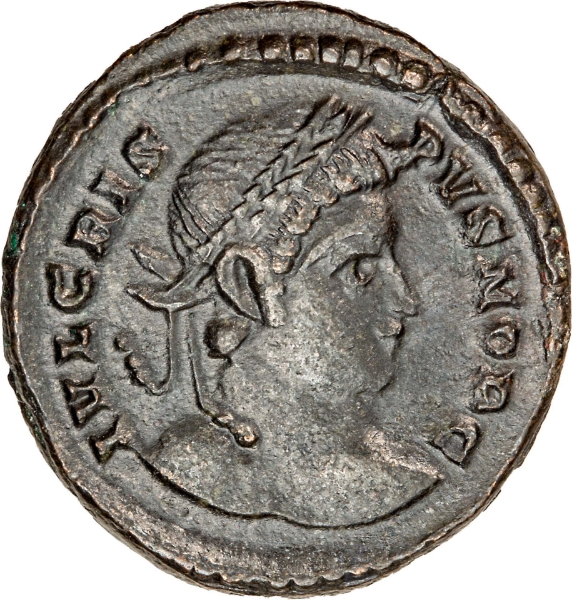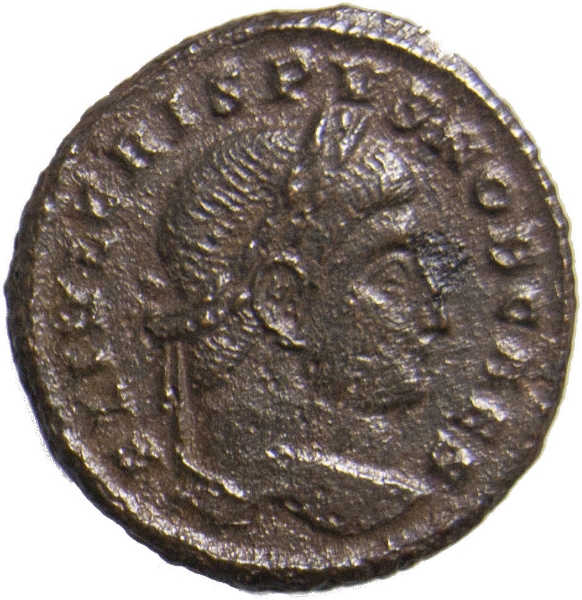
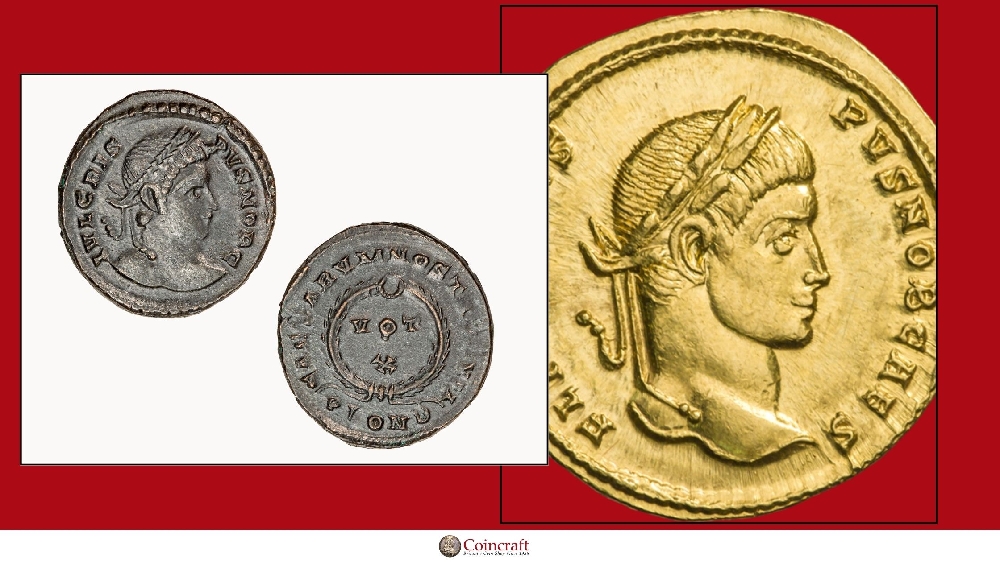
Picture Source of Emperor Crispus: Wikipedia
Introduction to Emperor Crispus
Flavius Julius Crispus, known simply as Crispus, was a significant yet often overlooked figure in Roman history. As the eldest son of Constantine the Great, his life and legacy have intrigued historians for centuries. While not as widely recognised as his father, Crispus played a crucial role during the pivotal years of the Roman Empire's transformation. This article aims to shed light on his life, achievements, and the enduring impact he left behind.
Crispus was born around AD 305 to Constantine and his first wife, Minervina. His upbringing was shaped by the turbulent political climate of the Roman Empire, where power struggles and shifting alliances were commonplace. Despite these challenges, Crispus emerged as a prominent figure, thanks in part to his father's influence and his own capabilities. His early years set the stage for a life marked by both triumph and tragedy.
Understanding Crispus's story requires delving into the broader context of his time. The early 4th century was a period of significant change for the Roman Empire, with Christianity gaining prominence and the political landscape evolving rapidly. Crispus's life encapsulates these transformations, offering insights into the complexities of imperial politics and the personal dynamics within Constantine’s family.
Early Life and Background
Crispus's early life was characterised by privilege and potential challenges. As the son of the emperor, he had access to education and resources that were beyond the reach of most. His education likely included instruction in military strategy, governance, and rhetoric, preparing him for a future role in the empire's leadership. His upbringing was a blend of imperial privilege and the looming expectations that came with being Constantine's heir.
The maternal influence of Minervina, although less documented, played a crucial role in Crispus's formative years. As the first wife of Constantine, Minervina's relationship with her son was integral to his development. Her presence, though overshadowed by later events, provided stability and guidance during Crispus's childhood. The lessons learnt during these years would later reflect in his leadership style and decisions.
Crispus's early experiences were not solely defined by familial ties. The broader political environment of the Roman Empire also shaped his worldview. He witnessed firsthand the complexities of governance, the challenges of managing a vast empire, and the intricate dance of political allegiances. These experiences laid the groundwork for his future roles and the accomplishments that would define his career.
Rise to Power: Crispus in the Court of Constantine
Crispus's rise to power was both swift and strategic. As he matured, his father, Constantine, recognised his potential and began to involve him in the affairs of the state. By the time Crispus reached his late teens, he had already assumed significant responsibilities, a testament to his capabilities and his father's trust in him. His ascent was marked by a series of appointments that underscored his importance within the imperial family.
One of Crispus's early triumphs was his appointment as Caesar in AD 317, a title that signified his position as a junior co-emperor. This role not only elevated his status but also entrusted him with significant military and administrative duties. As Caesar, Crispus was tasked with maintaining peace and stability in the western provinces, a responsibility he executed with notable success.
Crispus's presence in the court of Constantine was not merely ceremonial. He played an active role in the empire's governance, participating in key deliberations and decision-making processes. His contributions were particularly evident in military campaigns, where his strategic acumen and leadership skills earned him respect and recognition. His tenure as Caesar was marked by a blend of diplomatic finesse and military prowess, setting the stage for his future endeavours.
Military Achievements and Campaigns
Crispus's military achievements were a cornerstone of his legacy. As a commander, he demonstrated tactical brilliance and decisiveness, qualities that earned him a formidable reputation. His campaigns were instrumental in consolidating the empire's territories and securing its borders, affirming his status as a key military leader of his time.
One of Crispus's most notable military accomplishments was his role in the Battle of Cibalae in AD 314. This confrontation against Licinius, another contender for imperial power, was a turning point in the struggle for dominance. Crispus's leadership was crucial to the victory, which bolstered his standing in the empire and reinforced his father's position as a preeminent ruler.
In addition to his battlefield successes, Crispus was also involved in several naval operations. His command of the Roman fleet was particularly evident during the naval battles against Licinius. These victories not only ensured the empire's control over the strategically vital waterways but also demonstrated Crispus's versatility as a military leader. His ability to adapt and innovate in diverse combat scenarios was a testament to his strategic insight and leadership.
The Relationship Between Crispus and Constantine
The relationship between Crispus and his father, Constantine, was complex and multifaceted. On one hand, there was a deep bond of mutual respect and affection. Constantine's trust in Crispus was evident in the significant responsibilities he entrusted to him. Crispus, in turn, admired his father and was dedicated to supporting and furthering his imperial vision.
However, their relationship was not devoid of tension. The pressures of imperial politics and the constant threat of internal and external challenges created an environment of suspicion and rivalry. This was compounded by the presence of Fausta, Constantine's second wife, whose influence over the emperor grew over time. The dynamics within the imperial family were further complicated by Fausta’s ambitions for her own sons.
The relationship between Crispus and Constantine ultimately took a tragic turn. Historical accounts suggest that a combination of political intrigue and personal enmity led to Crispus's downfall. The precise circumstances remain shrouded in mystery, but the impact on their relationship was profound. Constantine's decision to execute his son marked a dramatic and sorrowful chapter in their intertwined histories, leaving a legacy of unanswered questions and enduring speculation.
The Controversy Surrounding Crispus's Downfall
Crispus's downfall is one of the most controversial episodes of his life. In AD 326, he was arrested and executed under circumstances that remain unclear. The reasons behind this dramatic turn of events have been the subject of much debate among historians, with various theories proposed to explain the motivations and machinations involved.
One prevalent theory is that Crispus was a victim of political intrigue orchestrated by Fausta. As Constantine's second wife, Fausta had her own ambitions and was keen to secure the future of her own children. Crispus, as the eldest son and a potential rival, posed a threat to her plans. It is suggested that Fausta's machinations, possibly involving accusations of treason or other crimes, played a significant role in Crispus's demise.
Another theory centres on the possibility of a personal conflict between Crispus and Constantine. The exact nature of this conflict is uncertain, but some accounts suggest it may have involved allegations of impropriety or betrayal. Regardless of the specifics, the outcome was the same: Crispus's execution marked a tragic end to a promising career and left an indelible stain on the legacy of Constantine's reign.
Historical Interpretations of Crispus's Legacy
The legacy of Crispus has been the subject of varied historical interpretations. Some historians view him as a talented and capable leader whose life was cut short by political intrigue and personal vendettas. His military achievements and contributions to the empire's stability are often highlighted as evidence of his potential to become a great ruler in his own right.
Others, however, take a more critical perspective, suggesting that Crispus's downfall was the result of his own actions and decisions. They argue that his ambition and perhaps a lack of political acumen led to his undoing. This view posits that Crispus's execution was a necessary, albeit harsh, response to a legitimate threat to Constantine's authority.
Despite these differing interpretations, Crispus's legacy remains an important chapter in the history of the Roman Empire. His life and the circumstances of his downfall offer valuable insights into the complexities of imperial politics and the personal dynamics within Constantine's family. Crispus's story is a reminder of the fragile nature of power and the enduring impact of historical narratives.
Crispus in Modern Culture: Representation and Legacy
In modern culture, Crispus's story continues to captivate audiences, inspiring various representations in literature, art, and media. His life, marked by both triumph and tragedy, offers a rich tapestry for exploration and reinterpretation. As a figure caught between familial loyalty and political ambition, Crispus's narrative resonates with contemporary themes of power, betrayal, and legacy.
Literature has often portrayed Crispus as a tragic hero, a figure whose potential was thwarted by circumstances beyond his control. Novels and plays have depicted his life as a cautionary tale, exploring the themes of ambition and the consequences of political intrigue. These works contribute to the enduring fascination with Crispus, providing new perspectives on his life and legacy.
In the realm of visual arts, Crispus has been depicted in various ways, from classical paintings to modern interpretations. Artists have explored his story through different lenses, highlighting the dramatic and emotional aspects of his life. These representations serve as a testament to Crispus's enduring influence and the ongoing interest in his story.
Reflecting on Crispus's Impact on History
Reflecting on the life and legacy of Crispus offers valuable lessons about the nature of power, the complexities of leadership, and the personal dynamics within imperial families. His story is a reminder of the precariousness of political fortunes and the intricate interplay of personal relationships and public responsibilities.
Crispus's achievements, particularly in the military sphere, underscore his capabilities as a leader. Despite the tragic end to his life, his contributions to the Roman Empire's stability and security remain significant. His story serves as a window into a transformative period in history, providing insights into the challenges and opportunities of leadership during times of change.
In sum, the legacy of Emperor Crispus is a complex tapestry of triumphs and tragedies, ambition and betrayal. His life continues to inspire and intrigue, offering valuable perspectives on the human aspects of history. As we reflect on his impact, we are reminded of the enduring relevance of his story and the lessons it holds for future generations.