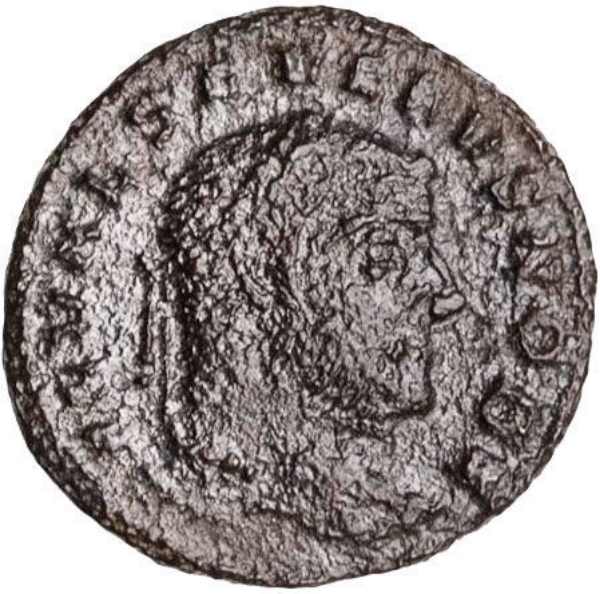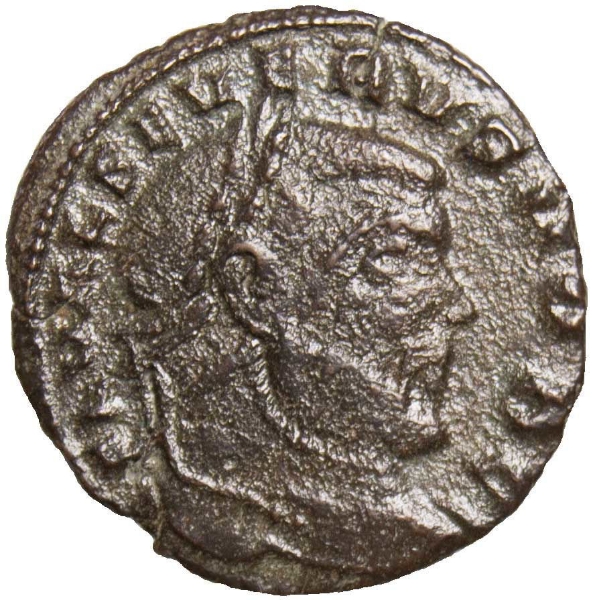
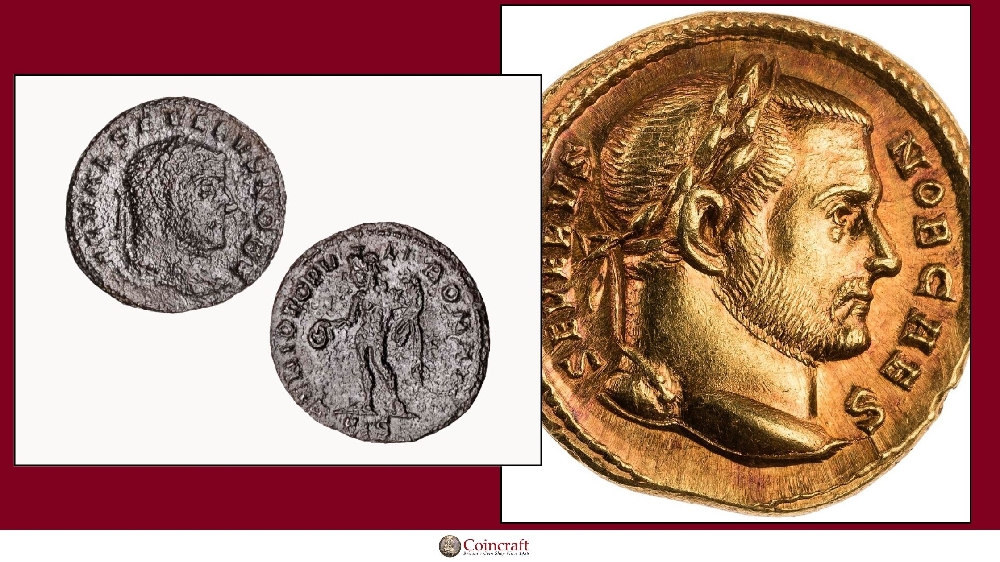
Picture Source of Severus II: Wikipedia
The Forgotten Emperor: The Life and Fall of Severus II
In the early 4th century AD, the Roman Empire was governed by a delicate and complex power-sharing system known as the Tetrarchy. For Flavius Valerius Severus, better known to history as Severus II, ascending to the highest ranks of this system was a double-edged sword. While his elevation to emperor marked the pinnacle of a remarkable military career, it also plunged him into a vicious struggle for survival among Rome's most ambitious dynastic heirs. Often overshadowed by figures like Constantine the Great, Severus II's brief reign offers a fascinating glimpse into a turbulent era. Let's explore the dramatic life, sudden rise, and tragic fall of the emperor Rome nearly forgot!
Key Takeaways
Humble Beginnings: Severus II rose from a modest background in Illyria to become a senior military officer, thanks largely to his friendship with Emperor Galerius.
The Accidental Emperor: He was surprisingly appointed Caesar (junior emperor) of the West in 305 AD, passing over expected heirs and causing deep political resentment.
A Disastrous Promotion: Promoted to Augustus (senior emperor) in 306 AD, he was immediately tasked with putting down a rebellion in Rome.
The Ultimate Betrayal: While marching on Rome, his own army deserted him, leading to his capture and eventual execution in 307 AD.
From Humble Roots to the Inner Circle
Born sometime in the middle of the third century in the rugged region of Northern Illyria (modern-day Balkans), Flavius Valerius Severus did not start life with a silver spoon in his mouth. He was of humble birth but managed to claw his way up through the ranks of the Roman army.
What really changed the trajectory of his life, however, was his networking. Severus became a close, trusted friend—and reportedly a favorite drinking buddy—of Galerius, a powerful figure who would eventually become the senior emperor of the East(1).
The Accidental Caesar
The Roman Empire at this time was ruled by a "Tetrarchy"—a system of four emperors (two senior Augusti and two junior Caesars) designed by Diocletian to keep the massive empire stable. When Diocletian and his co-emperor Maximian retired in 305 AD, new Caesars needed to be appointed.
Everyone expected the sons of the retiring emperors—Constantine and Maxentius—to get the jobs. Instead, heavily influenced by Galerius, the Tetrarchy shocked everyone by appointing Severus as the Western Caesar (2).
Diocletian actually pushed back on this idea at first. According to ancient historians, he openly questioned Severus's character, calling him a "dancer" and a "habitual drunkard." But Galerius defended his friend, arguing that Severus had been a brilliant and loyal paymaster for the army. Diocletian caved, and Severus got the job (2).
A Crown Too Heavy: Becoming Augustus
Severus's real troubles began in July 306 AD when his boss, the Western Augustus Constantius I, died in Britain. Constantius’s troops immediately declared his son, Constantine, as the new emperor. Not wanting to lose control, Galerius quickly promoted Severus to the senior rank of Augustus of the West, grudgingly allowing Constantine to be his junior Caesar (3).
But while Constantine was appeased, Maxentius—the son of the retired emperor Maximian—was furious about being passed over yet again. By October 306 AD, Maxentius had started a full-blown rebellion in Rome and declared himself emperor (1).
The March on Rome and a Bitter Betrayal
Tasked with crushing this rebellion, Severus marched out of his capital in Milan and headed for Rome. On paper, Severus had a massive advantage: he was leading a massive, battle-hardened army. However, there was a fatal flaw in his plan. This army had previously been commanded by Maximian, Maxentius’s father (2).
Knowing Severus was coming, Maxentius brilliantly brought his father out of retirement to act as his co-ruler. When Severus arrived at the walls of Rome, Maximian’s agents infiltrated his camp. Faced with fighting their beloved former commander, Severus’s troops abandoned him en masse, defecting to the rebels. Over a single night, the most powerful man in the West found himself practically entirely alone (3).
The Tragic End at Tres Tabernae
Realizing the game was up, Severus fled to the heavily fortified city of Ravenna. Maximian pursued him but, knowing Ravenna was too tough to breach, offered a deal: if Severus surrendered peacefully, his life would be spared. Out of options, Severus surrendered in the spring of 307 AD (2).
Unsurprisingly, the promise of safety was a lie. Severus was paraded through the streets of Rome as a captive and then imprisoned at Tres Tabernae. Later that year, when Galerius invaded Italy to try and avenge him, Maxentius realized Severus was too dangerous to keep alive. In September 307 AD, Severus II was executed, bringing a tragic end to an emperor who was simply in the wrong place at the wrong time (1).
FAQs
Why is Severus II often left out of Roman history? Because his reign was incredibly short (barely a year as Augustus) and he was overshadowed by massive historical heavyweights like Constantine the Great and Diocletian. He is often viewed as a stepping stone in the civil wars that ultimately destroyed the Tetrarchy.
Did Severus II have any family? Yes, he was survived by a son named Flavius Severianus. Unfortunately, being part of the imperial bloodline was a dangerous game, and his son was later executed for treason by the emperor Licinius.
References
Britannica, The Editors of Encyclopaedia (n.d.) Severus. Available at: Britannica.
Wikipedia (2024) Severus II. Available at: Wikipedia.
The Roman Empire (n.d.) Emperor Severus II. Available at: The Roman Empire.