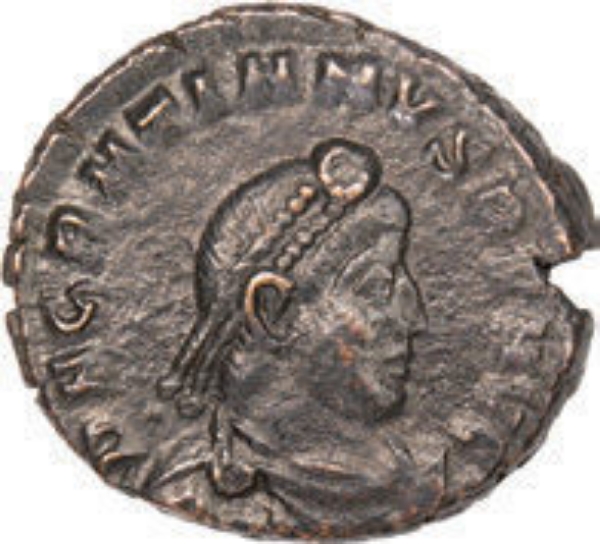
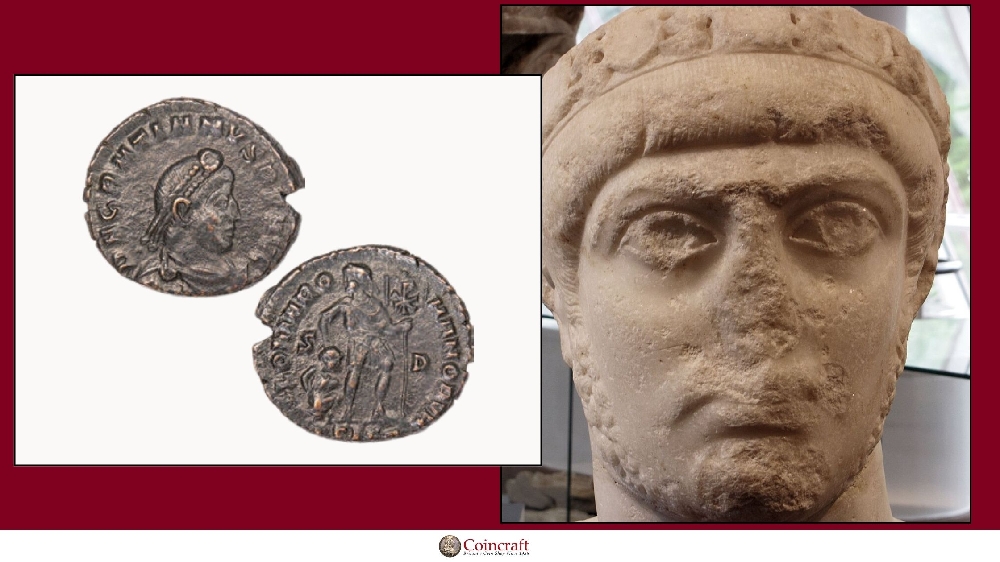
Picture Source of Gratian (359 – 383): Wikipedia
Gratian: Historical Overview
The name Gratian refers to two distinct, highly influential historical figures: Flavius Gratianus (the Western Roman Emperor who cemented Nicene Christianity) and Gratian the Jurist (the 12th-century founder of Western canon law).
Below is a strict, fact-based breakdown of their lives, actions, and historical impacts.
1. Flavius Gratianus (Emperor Gratian)
Era: 359 – 383 AD | Reign: 367 – 383 AD | Role: Western Roman Emperor
Gratian was a pivotal emperor in Late Antiquity, responsible for the definitive alignment of the Roman state with orthodox Nicene Christianity and the strategic appointment of Theodosius I.
Key Military and Strategic Actions
Ascension: Elevated to co-Augustus at age 8 by his father, Valentinian I. Became senior Western Emperor in 375.
Battle of Argentovaria (378 AD): Successfully campaigned across the Rhine, decisively defeating the Lentienses (an Alamannic tribe).
The Adrianople Crisis (378 AD): Marched east to assist his uncle, Eastern Emperor Valens, against the Goths. Valens engaged prematurely and was killed at the disastrous Battle of Adrianople before Gratian could arrive.
Elevation of Theodosius (379 AD): Recognizing the military crisis in the East, Gratian appointed the general Theodosius I to rule the Eastern Roman Empire, a masterstroke that stabilized the region.
Religious Policy (The Shift Away from Paganism)
Heavily influenced by Bishop Ambrose of Milan, Gratian dismantled the remnants of state-sanctioned Roman paganism:
Pontifex Maximus: Gratian was the first Roman Emperor to refuse the traditional title of Pontifex Maximus (chief priest of the Roman state religion).
Altar of Victory (382 AD): Ordered the removal of the Altar of Victory from the Roman Senate house, sparking a major ideological conflict with pagan senators like Symmachus.
Defunding Paganism: Abolished the state subsidies for pagan cults and the Vestal Virgins, and confiscated their properties.
Edict of Thessalonica (380 AD): Issued jointly with Theodosius I and Valentinian II, this established Nicene Christianity as the official state religion, outlawing Arianism.
Downfall and Assassination
Military Alienation: Gratian lost the support of his troops by adopting the dress and customs of his Alani (Scythian) mercenaries, whom he favored over traditional Roman legions.
Usurpation: Magnus Maximus, a general in Britain, was declared emperor by his troops and invaded Gaul.
Death (383 AD): Gratian's army deserted him near Paris. He fled but was assassinated in Lugdunum (Lyon) at age 24.
2. Gratian the Jurist (Father of Canon Law)
Era: 12th Century (Active circa 1130 – 1140) | Role: Camaldolese Monk, Legal Scholar
Gratian the Jurist is arguably the most important figure in the development of Western ecclesiastical law. Virtually nothing is known about his personal life other than that he lived in Bologna, Italy.
The Decretum Gratiani
The Work: Around 1140, he compiled the Concordia discordantium canonum (Harmony of Discordant Canons), universally known as the Decretum Gratiani.
The Problem: Prior to Gratian, Church law was a chaotic, contradictory mess of papal decrees, biblical texts, regional council rulings, and writings of the Church Fathers spanning a millennium.
The Method: Gratian applied the new scholastic method to these texts. He placed contradictory laws side-by-side and used logic, dialectic, and hierarchical weighting to reconcile them into a unified, coherent legal system.
Historical Impact
Foundation of Canon Law: The Decretum became the foundational text of the Corpus Juris Canonici (the body of Canon Law), which governed the Catholic Church until 1918.
University Adoption: It immediately became the standard textbook for studying law at the University of Bologna and subsequent European universities.
Western Legal Tradition: By systematizing the law and emphasizing rational analysis over arbitrary decree, Gratian's work heavily influenced the development of modern Western jurisprudence, legal education, and constitutional thought.